Wild India
Tiger Reserves Of India
India is home to some of the world's finest wild landscapes. Explore the tiger reserves and national parks we travel to — each with its own rhythm, terrain and stories.
Wild India
India is home to some of the world's finest wild landscapes. Explore the tiger reserves and national parks we travel to — each with its own rhythm, terrain and stories.
Wildlife Reserves & National Parks
India is home to 58 tiger reserves and over a hundred national parks. At My Jungle Junction, we focus on the wild landscapes we have explored, filmed and tracked across many seasons. Every reserve below is chosen and featured for its tiger movement, habitat understanding, zone access, safari timing and the overall experience. Explore the reserves, understand what makes each forest unique and discover where your next wildlife journey could begin.
 Maharashtra
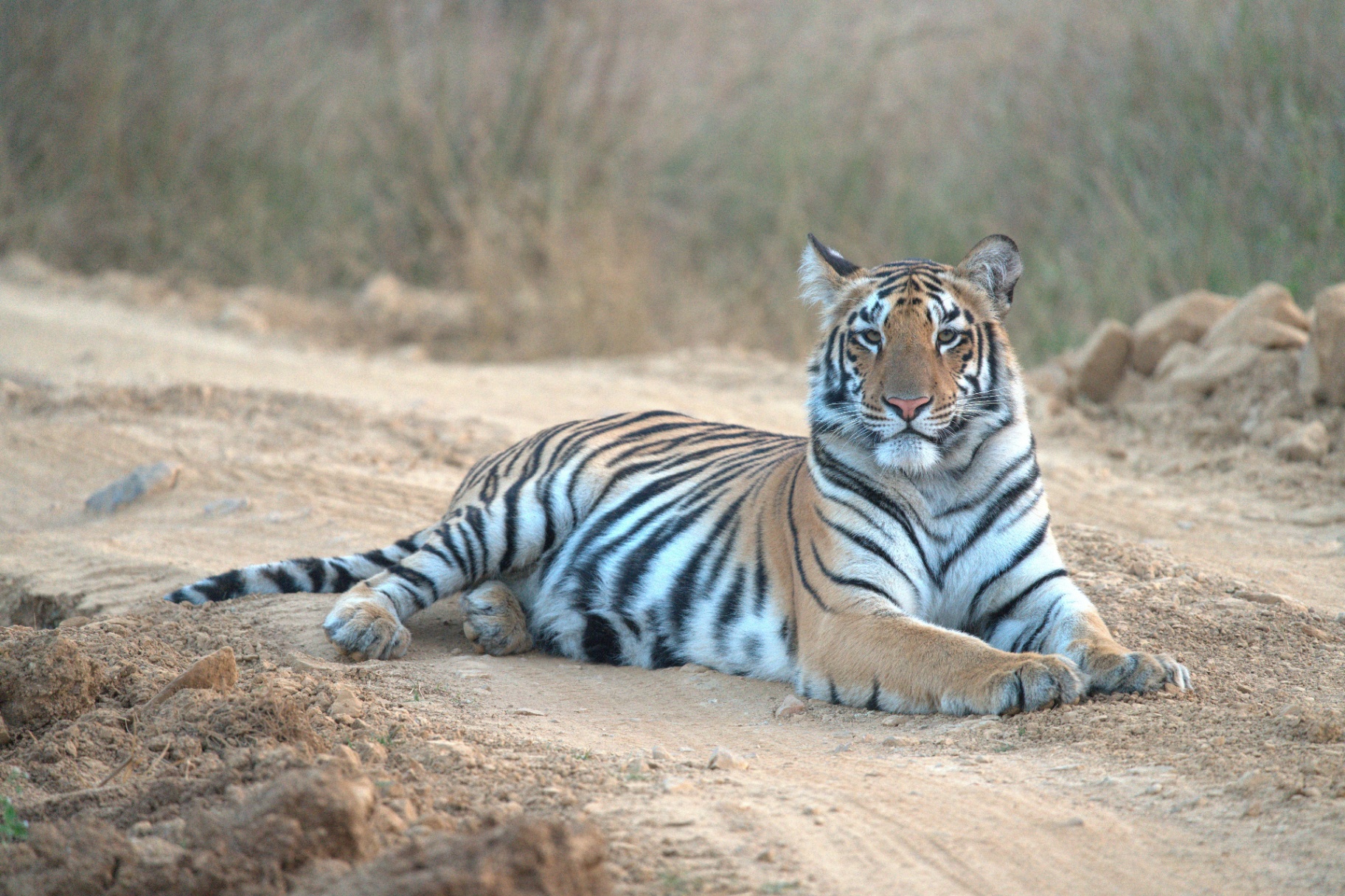
Tadoba is India’s most popular tiger safari destination, where the chances of seeing tigers in the wild are exceptionally high. Expect thrilling safar...
Explore Tadoba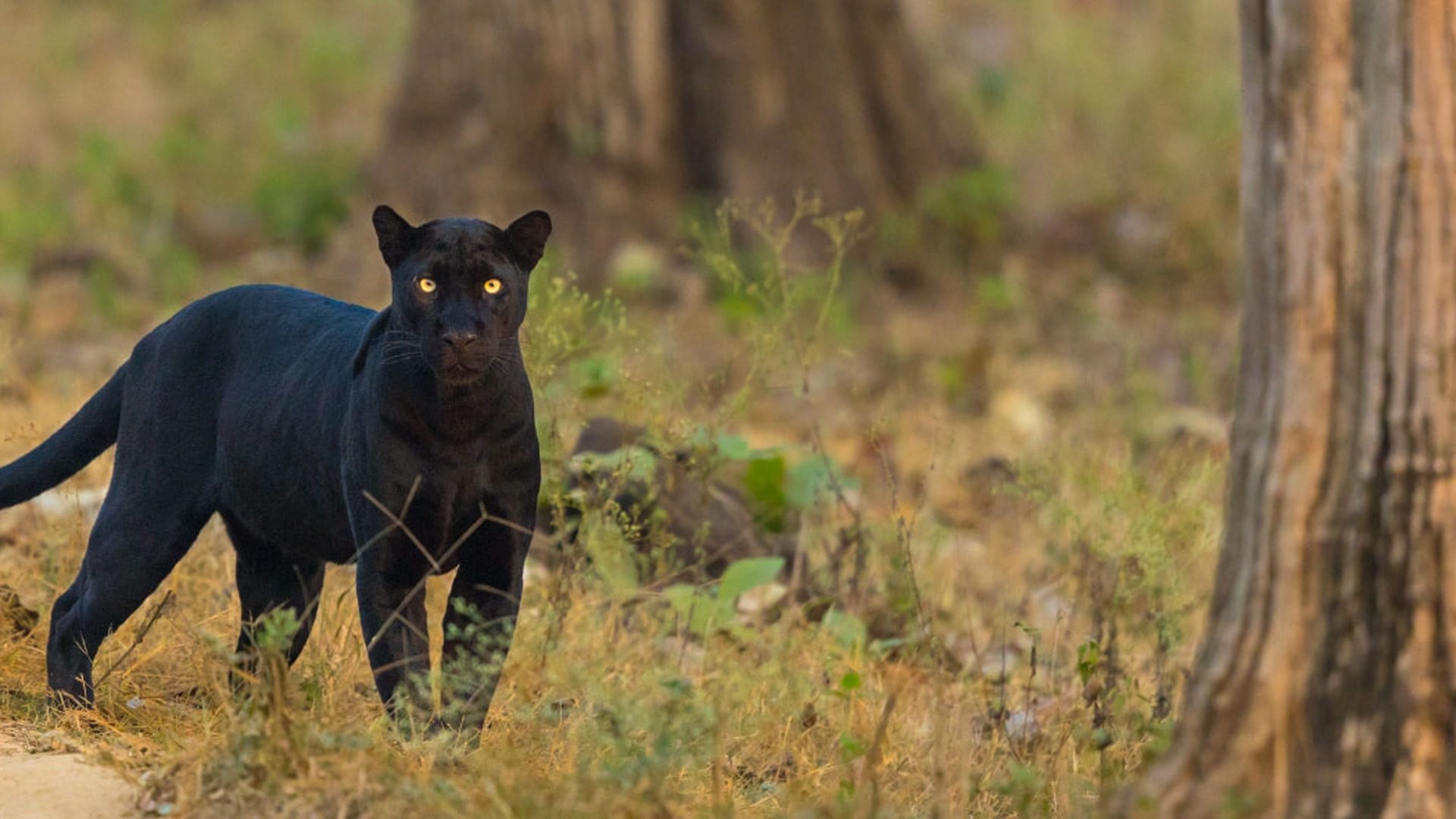 Madhya Pradesh & Maharashtra
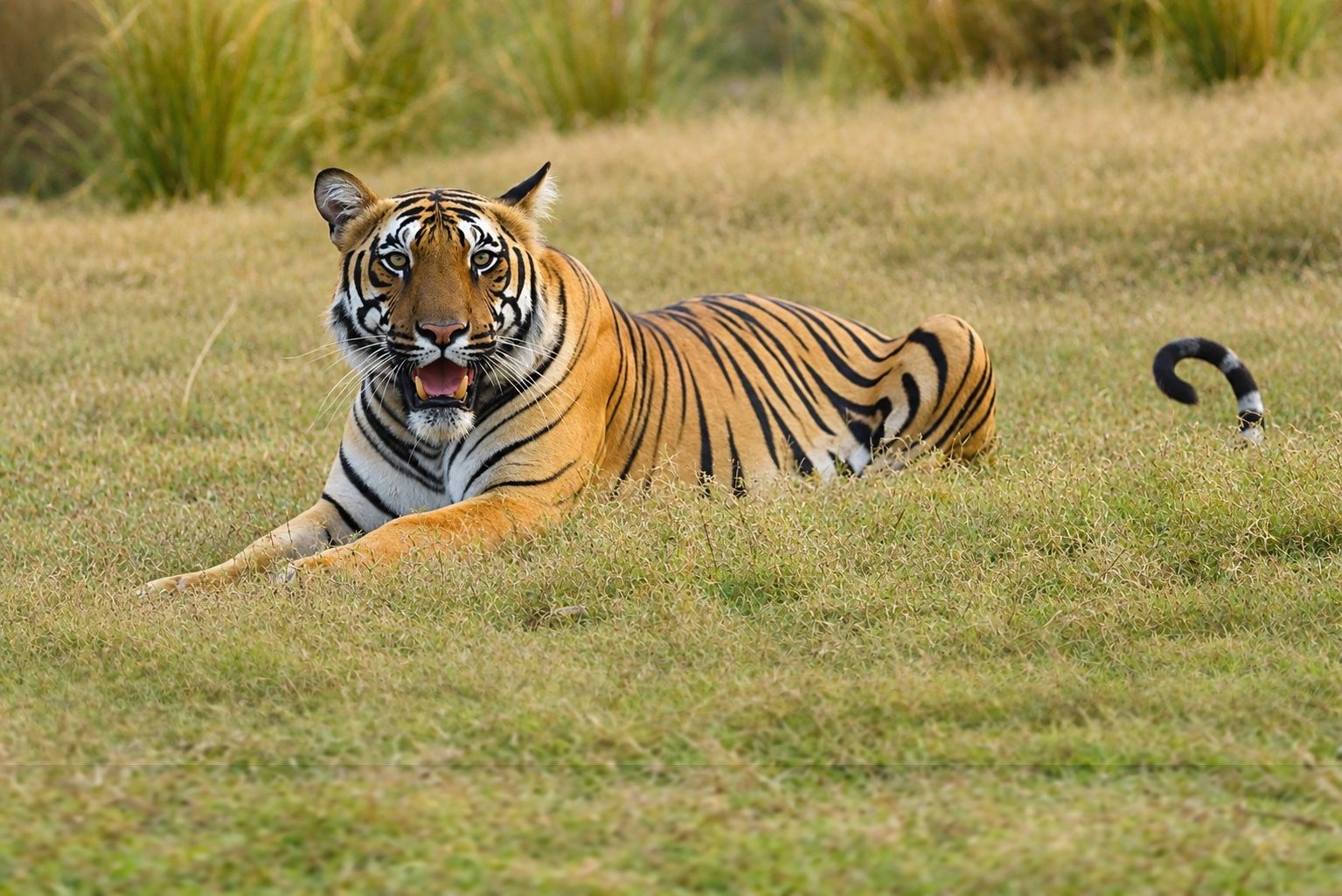
Pench is Central India's most unique and beautiful tiger reserve. The forest that inspired The Jungle Book. It is home to thriving wildlife, legendary...
Explore Tadoba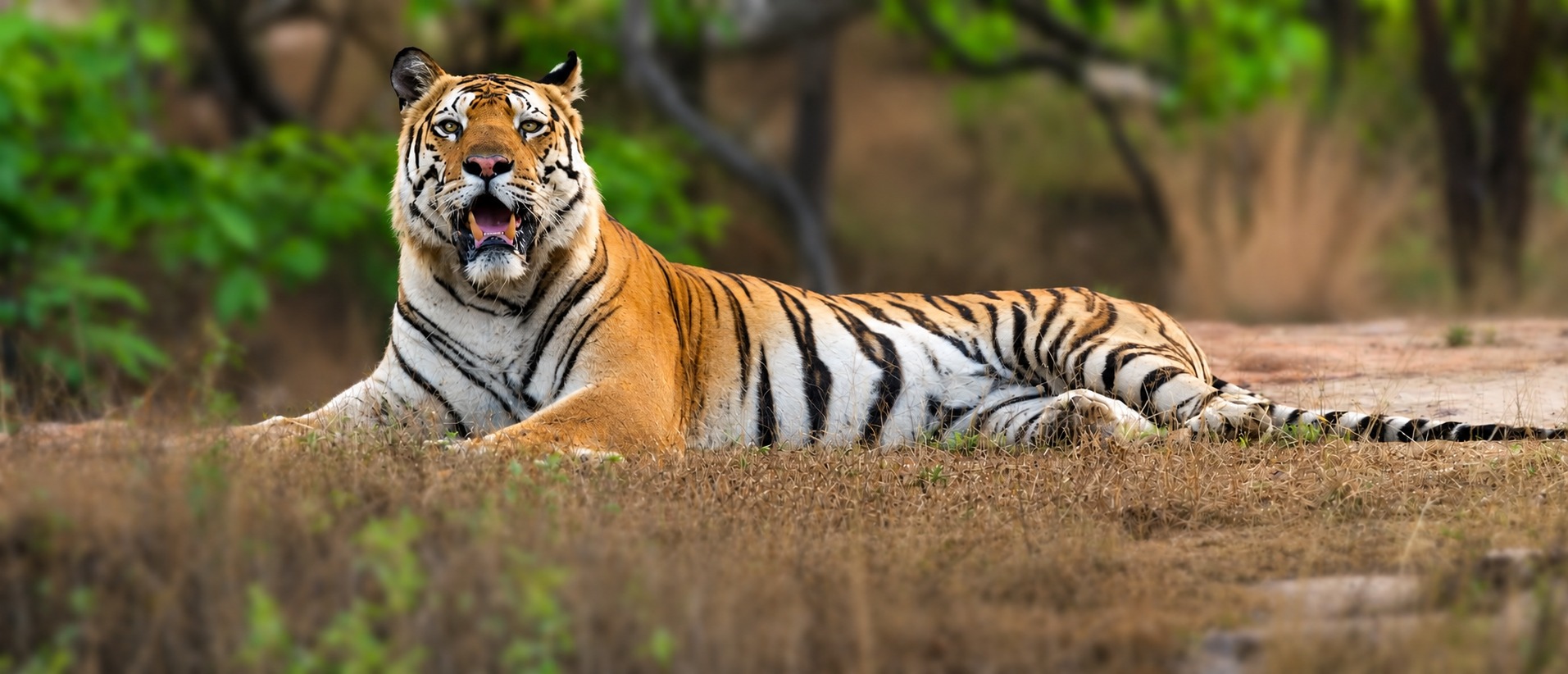 Madhya Pradesh
The Kingdom of Tigers, Forts & Forests. Bandhavgarh brings together one of Central India's strongest tiger landscapes with an ancient fort, historic c...
Explore Tadoba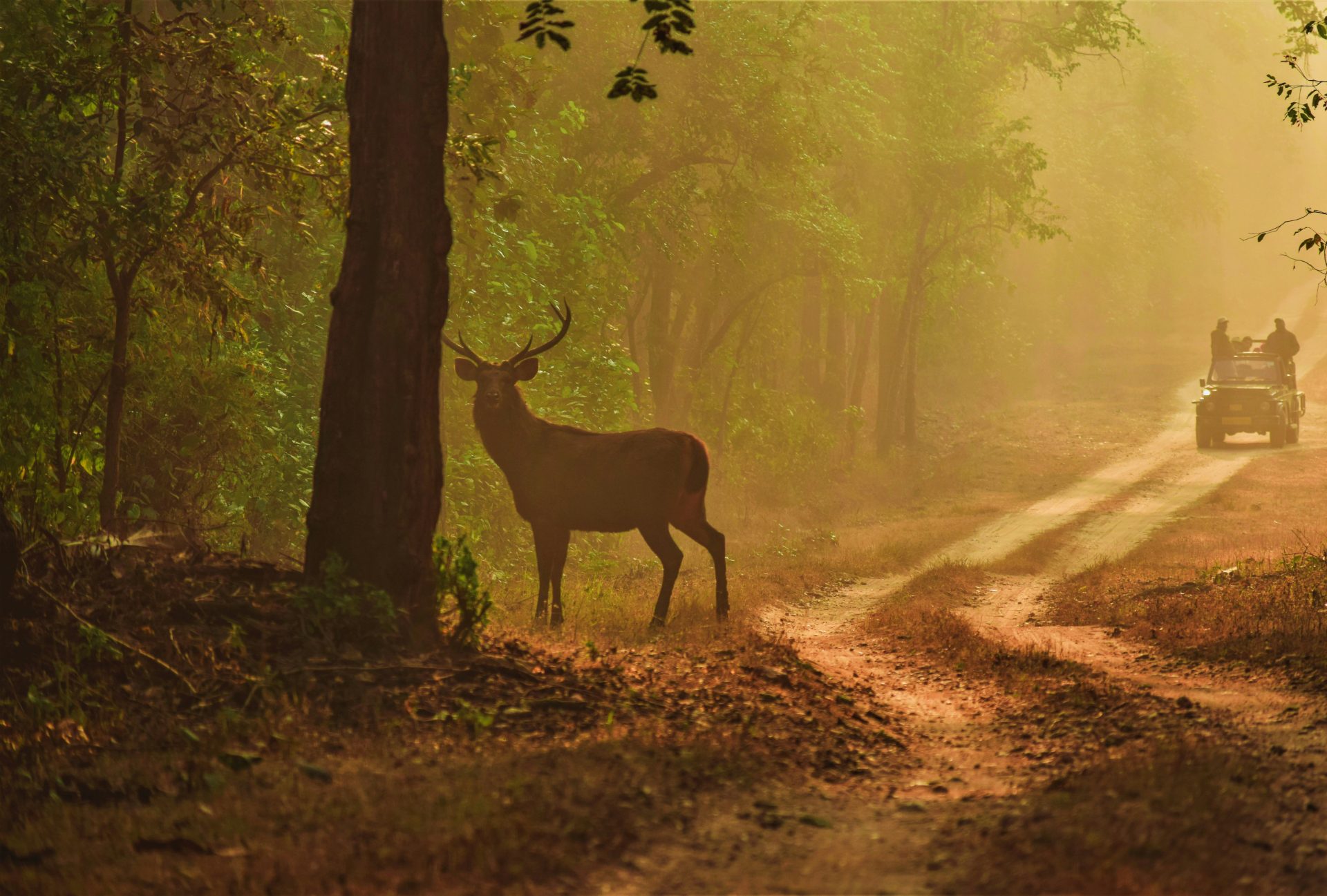 Madhya Pradesh
Kanha is one of India’s finest tiger safari destinations, known for its high tiger population, excellent sightings and exciting jungle safaris. With b...
Explore Tadoba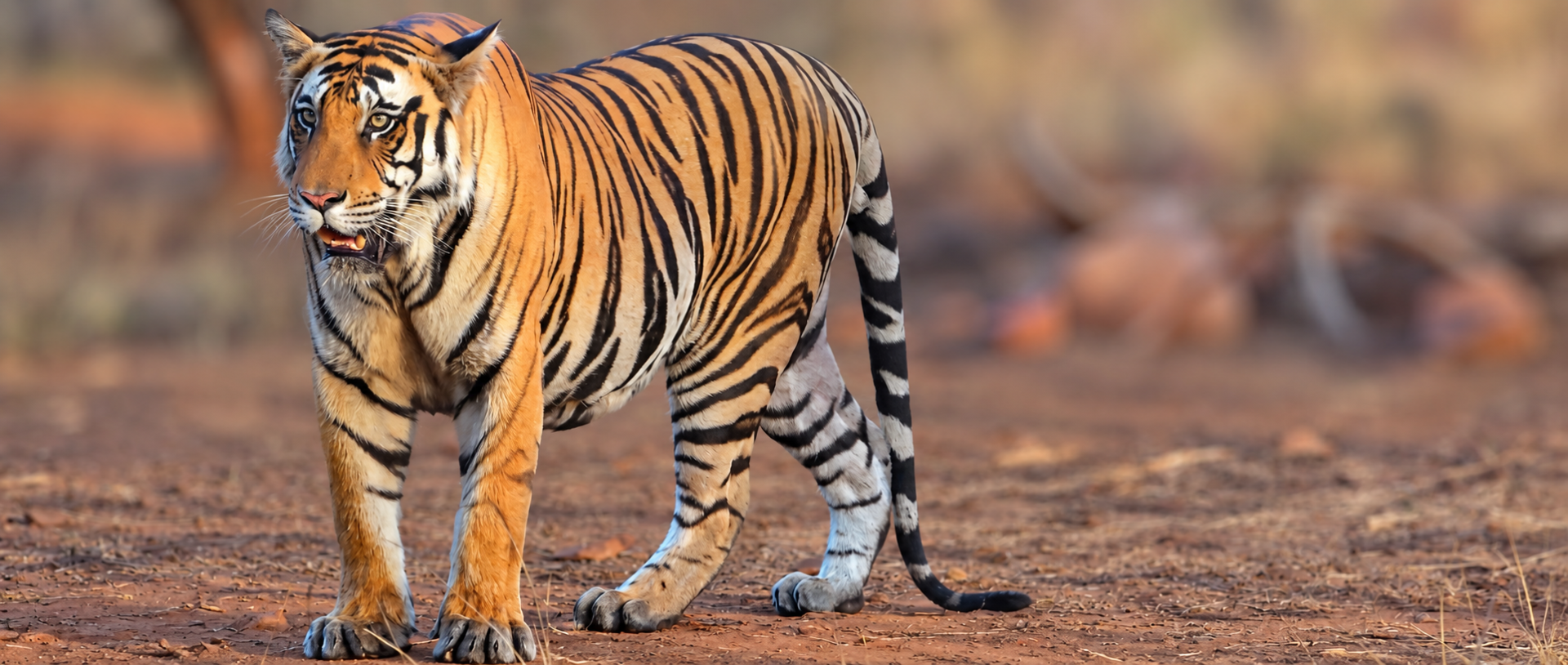 Madhya Pradesh
Plan your next safari holiday in Panna, where tiger sightings come with a chance to discover leopards, sloth bears, wolves, dhole and one of India's r...
Explore TadobaPlan your safari
Tell us what you are looking for and our wildlife specialist will design a safari around your dates, group size and favourite reserves.
Know Before You Go
Quick facts, highlights and planning notes to help you choose the right forest, the right season and the right experience.
October to June. Summer months bring the highest tiger movement around water.
Tadoba, Bandhavgarh and Kanha offer open landscapes and dramatic light.
Tadoba and Bandhavgarh offer the most consistent first-safari experiences.
Reserve Guide
What makes each reserve special — from legendary tigers and ancient forts to boat safaris and walking trails.
Maharashtra
Madhya Pradesh & Maharashtra
Madhya Pradesh
Madhya Pradesh
Madhya Pradesh
Explore The Wild
India holds over two-thirds of the world's wild tigers. These cats roam dense sal forests, bamboo thickets, dry deciduous scrub, and mangrove deltas. A tiger safari in India traverses varied terrain. Ranthambore carries ancient fortscapes. Pench contains teak woodlands. The Sundarbans spread into swampy mangroves. Kanha opens into sweeping meadows. Each landscape shapes a different experience.
Every tiger reserve in India carries a distinct habitat. Bandhavgarh tigers patrol cliff-top ruins. Tadoba cats move through open grasslands at dawn. Satpura permits foot tracking with a naturalist. Terrain shifts from park to park. Sightings vary with the landscape. Each reserve offers its own character.
A proper tiger safari begins with early morning jeep drives. Expert naturalist guidance elevates the experience. Patience proves essential. The prime season for tiger safaris in India spans October through June. April and May bring peak sightings. Tigers gather around shrinking waterholes during the warmer months.
Responsible wildlife tourism funds conservation directly. Anti-poaching patrols depend on park revenue. Local communities gain employment through ethical operators. Visitors who respect park rules protect the habitat. Silence during sightings keeps the animals undisturbed. These forests survive through mindful travel. The tiger remains the central figure.
First-time travellers find the reserves immediately compelling. Veteran wildlife photographers return year after year. The encounters leave a lasting imprint. The memory outlasts the jeep ride. The forest stays with you.
Which reserves we arrange safaris to: My Jungle Junction operates guided safari packages at Tadoba, Pench, Kanha and Bandhavgarh. Other reserves described on this page are covered as general guidance to India's tiger habitat and are not part of our current package range.
Share your details and we'll call you at your preferred time.