Tadoba is India's densest tiger habitat — the gate you pick decides the safari you get. Read the zones by season to turn luck into a plan.
Moharli — the classic starter
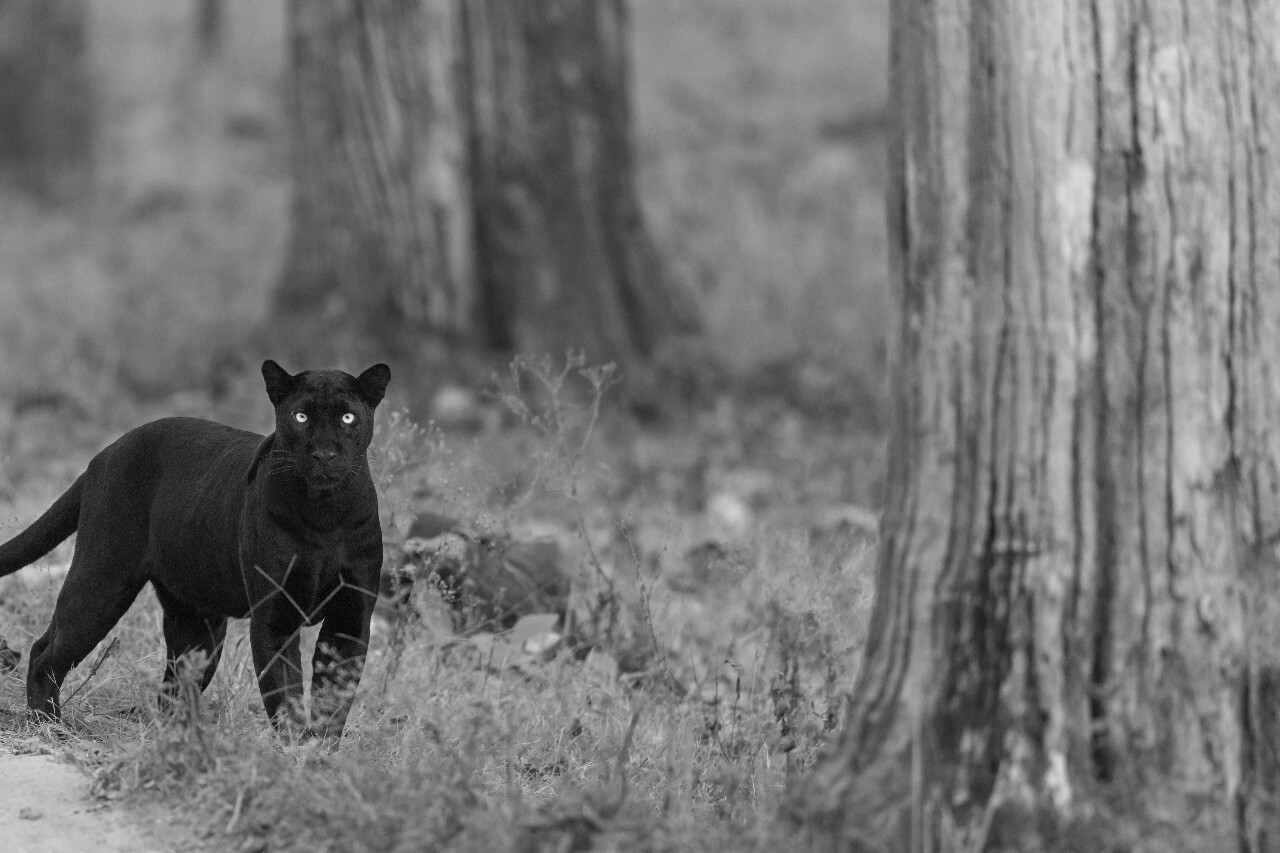
Moharli is Tadoba's oldest gate and the one most first-timers land at. The terrain is a mosaic of teak forest, bamboo thickets and open meadows around the Tadoba lake, and it is one of the few zones where you can reasonably expect a tiger on the water in April and May. The lake itself is the emotional centre of the park — a mirror of water ringed by forest where tigresses bring cubs, sambars wade at dusk, and crocodiles sun themselves on the mudflats.
The trade-off is traffic. During peak months you will share sightings with 15–20 jeeps, so the moment a tigress emerges, radios light up across the forest. That said, the density of tigers here is so high that even a crowded sighting is usually a good one. For photographers, the light at Moharli is exceptional in the early morning, especially when mist lifts off the lake.
If you are visiting Tadoba for the first time, book at least two safaris out of Moharli. One morning drive gives you the lake at first light; one afternoon drive lets you wait at waterholes as the heat builds and predators become active.
Kolara & Navegaon — for the quieter drives
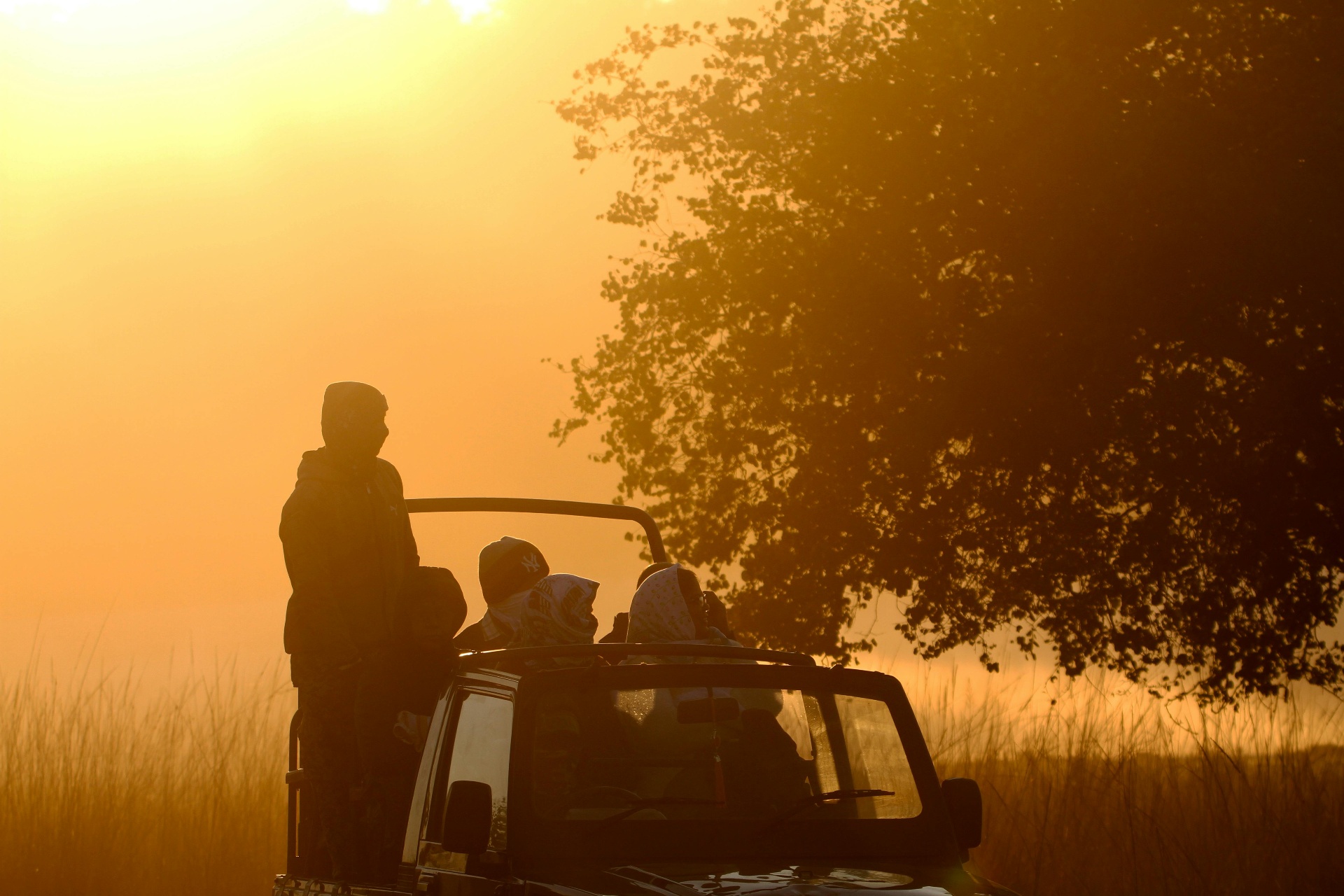
The northern gates — Kolara and Navegaon — sit deeper inside the reserve and see far fewer vehicles. Sightings are less predictable, but when they come, they come without an audience. This is where you can still hear a langur alarm cut through the forest without an engine idling next to you. The forest here feels older and wilder, with fewer open meadows and more closed-canopy trails.
If you are on a 3- or 4-safari itinerary, alternating a Kolara morning with a Moharli afternoon gives you both the odds and the atmosphere. Naturalists who know Kolara well will take you to seasonal nullahs and rocky outcrops where tigers mark territory at dawn. Patience is the currency here.
Navegaon, in particular, rewards the birder as much as the big-cat watcher. Crested serpent eagles, Indian pittas and Malabar pied hornbulls are regular along the quieter tracks, and the lack of jeep pressure means animals behave more naturally.
Zari, Pangadi & Madholi — the buffer surprises
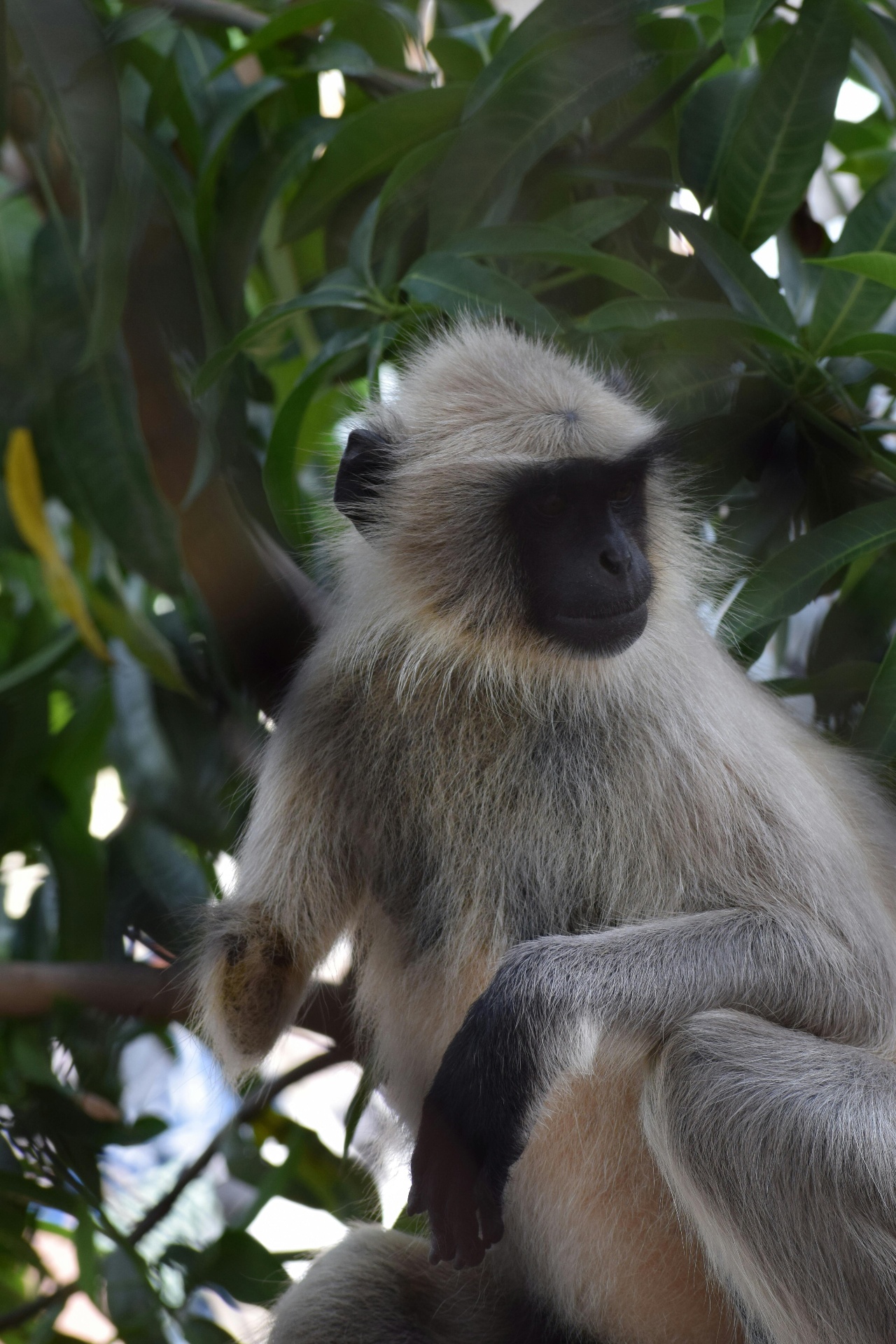
Most visitors ignore the buffer zones, and that is a mistake. Zari, Pangadi and Madholi are buffer gates with growing reputations for surprise sightings, often involving tigers that move between core and fringe areas. These zones are less regulated, more agricultural at the edges, and offer a different kind of safari — one where the forest meets farmland and the unexpected is normal.
Buffer safaris are also easier to book at short notice, which makes them useful if your preferred core gates are sold out. The landscape is scrubbier, the water sources are smaller, but the predator sign on the sandy roads can be excellent. We have had guests see leopard, sloth bear and wild dog in a single Pangadi morning.
For travellers staying at smaller lodges near the northern buffers, these gates offer a slower, more intimate rhythm. You are less likely to see ten tigers, but far more likely to feel like the forest belongs to you.
When to go
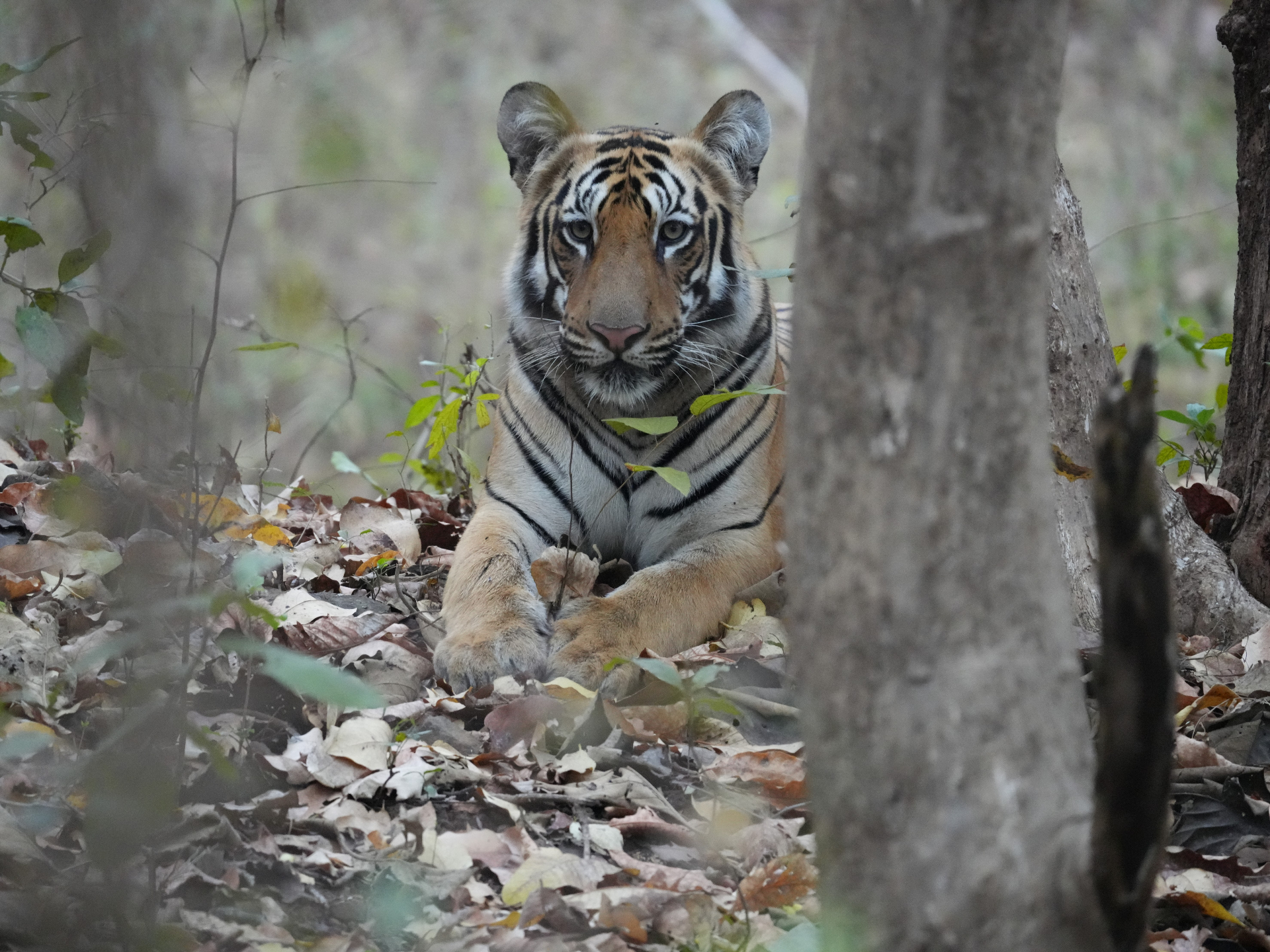
October to February is comfortable and green, but tigers stay deep in cover. This is the best time for birdlife, for landscapes, and for travellers who prefer cool mornings and golden afternoon light. The park is lush, the water is still widely available, and sightings tend to happen later in the day when a tiger moves between resting spots.
March through May is hot, dry and honest — animals concentrate around water, and sightings peak. Temperatures can cross 42°C, but the reward is tigers at waterholes, cubs emerging with mothers, and a clarity of sightline that the green season simply cannot match. If your goal is tigers, this is the window.
June to September the park is closed to tourism, but the monsoon transforms Tadoba into a different world. We use this period to scout new trails, rebuild relationships with local guides, and plan itineraries around the reopening in October.
“Pick your zone the way you'd pick a trekking route — by season, not by rumour.
Tadoba in motion
A short clip from a morning drive through Moharli, where the forest wakes up one sound at a time.
From the My Jungle Junction YouTube channel
The forest at first light
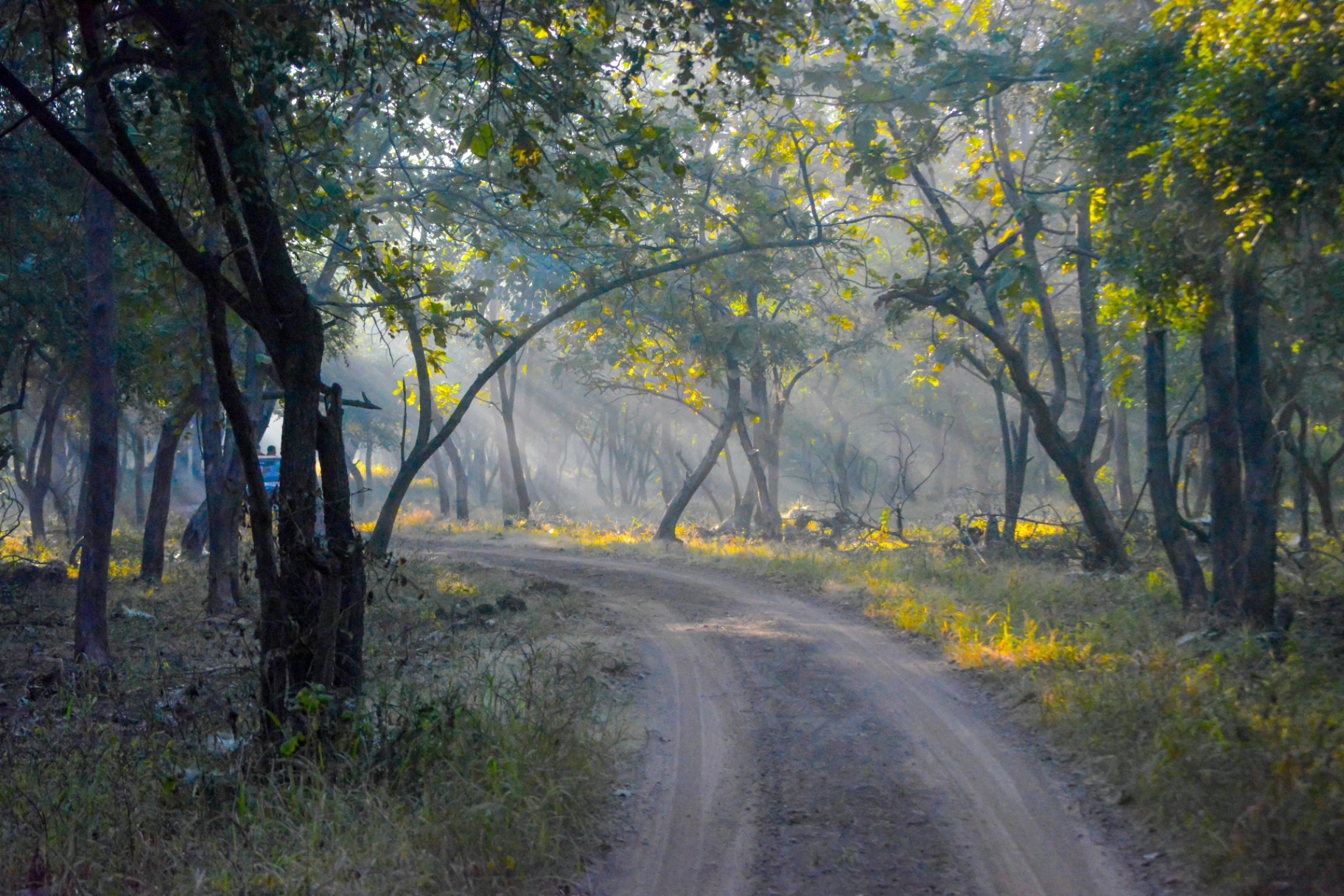
The hour after the gate opens is the most honest part of the day. Mist hangs in the teak canopy, langurs begin their morning chorus, and the first rays of sun turn the dust on the road to gold. It is also the hour when predators are most active — a tigress crossing between waterholes, a sloth bear shuffling back to its den, or a pack of wild dogs moving with purpose through the buffer.
This is why the best Tadoba itineraries front-load the mornings. A quiet jeep, a patient naturalist, and the willingness to stop and listen often produce better memories than a frantic chase after a radio call.
A day in the life of a Tadoba safari
A typical Tadoba day starts before 5 a.m. Tea and biscuits at the lodge, then a short drive to the gate in the dark. By 5:45 you are through the checkpoint, engine off, listening. The first hour is the most productive — langur alarm calls, pugmarks on the road, the distant sound of chital stamping.
Mid-morning drives slow down. Tigers have usually retreated to bamboo or lantana by 9 a.m., so this is when naturalists read sign, track pugmarks, and position for the afternoon. A good lodge will let you rest, review images, and head out again at 2:30 p.m. for the second session.
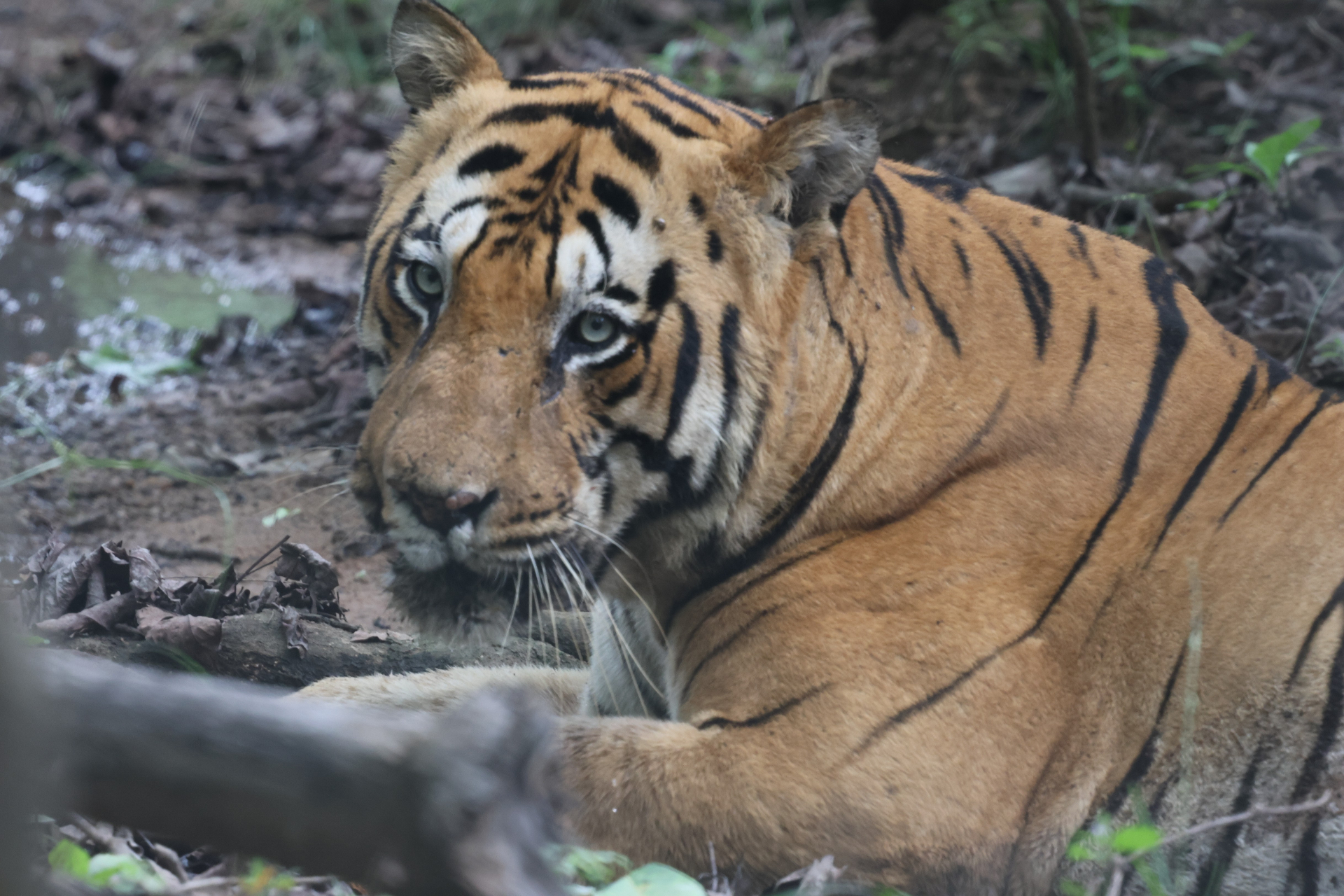
The afternoon is about water. By April, every meaningful waterhole has been visited by at least one territorial tiger. Find the right nullah, park downwind, and wait. The forest rewards stillness more than speed.
What to carry beyond the obvious
Binoculars and a camera are standard. Less obvious but just as important: a light buff or scarf for dust, a refillable water bottle, and a hat that covers the neck. The jeep can be cold at 5:30 a.m. and scorching by 9 a.m., so layers matter.
For photographers, a 100–400 mm lens is the sweet spot at Tadoba. Sightings are often close — sometimes uncomfortably so — and a long prime can leave you cropping more than shooting. Carry spare batteries; heat drains them faster than you expect.
Most importantly, bring patience. Tadoba delivers reliably, but it delivers on forest time, not Instagram time. The guests who see the most are usually the ones who sit the longest.
Cubs, coalitions and the future
Tadoba's tiger population has remained stable not because of one dominant tigress, but because of several overlapping maternal territories. In recent seasons, Moharli and Kolara have both produced multiple litters, and the cubs are growing into the next generation of territorial adults.
Watching a tigress move cubs across the road is one of Indian wildlife's great privileges. She will pause, scan, call softly, and the cubs will tumble after her like oversized kittens. These moments are brief and unpredictable, which is exactly why they stay with you.
The reserve is not without pressure — coal mining, linear infrastructure and human-wildlife conflict on the edges are real challenges. But Tadoba continues to function as one of India's most accessible and rewarding tiger landscapes, and careful, low-impact tourism is part of the reason why.
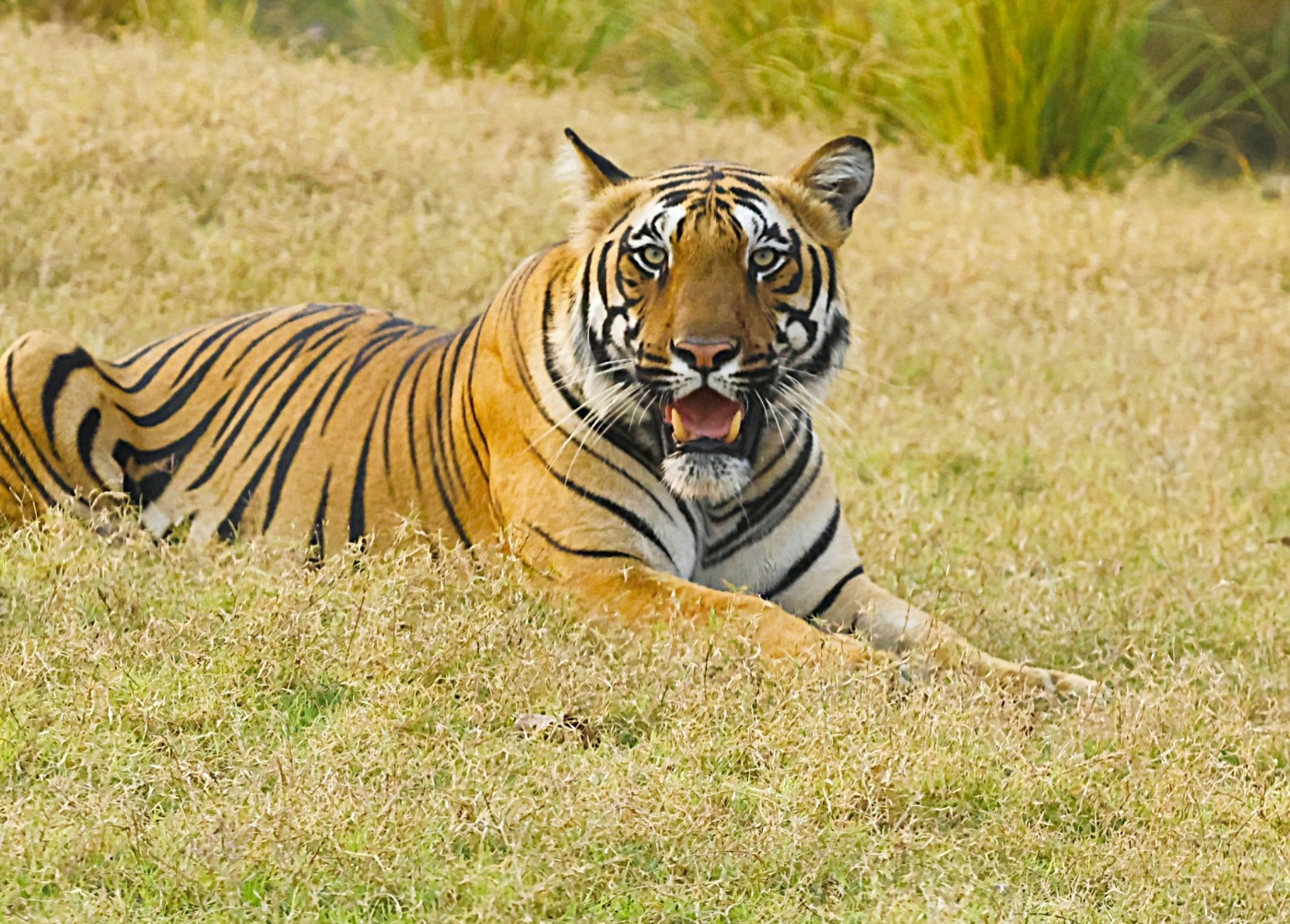
“Tadoba does not promise a tiger. It promises a forest that still has enough of them to make every drive matter.