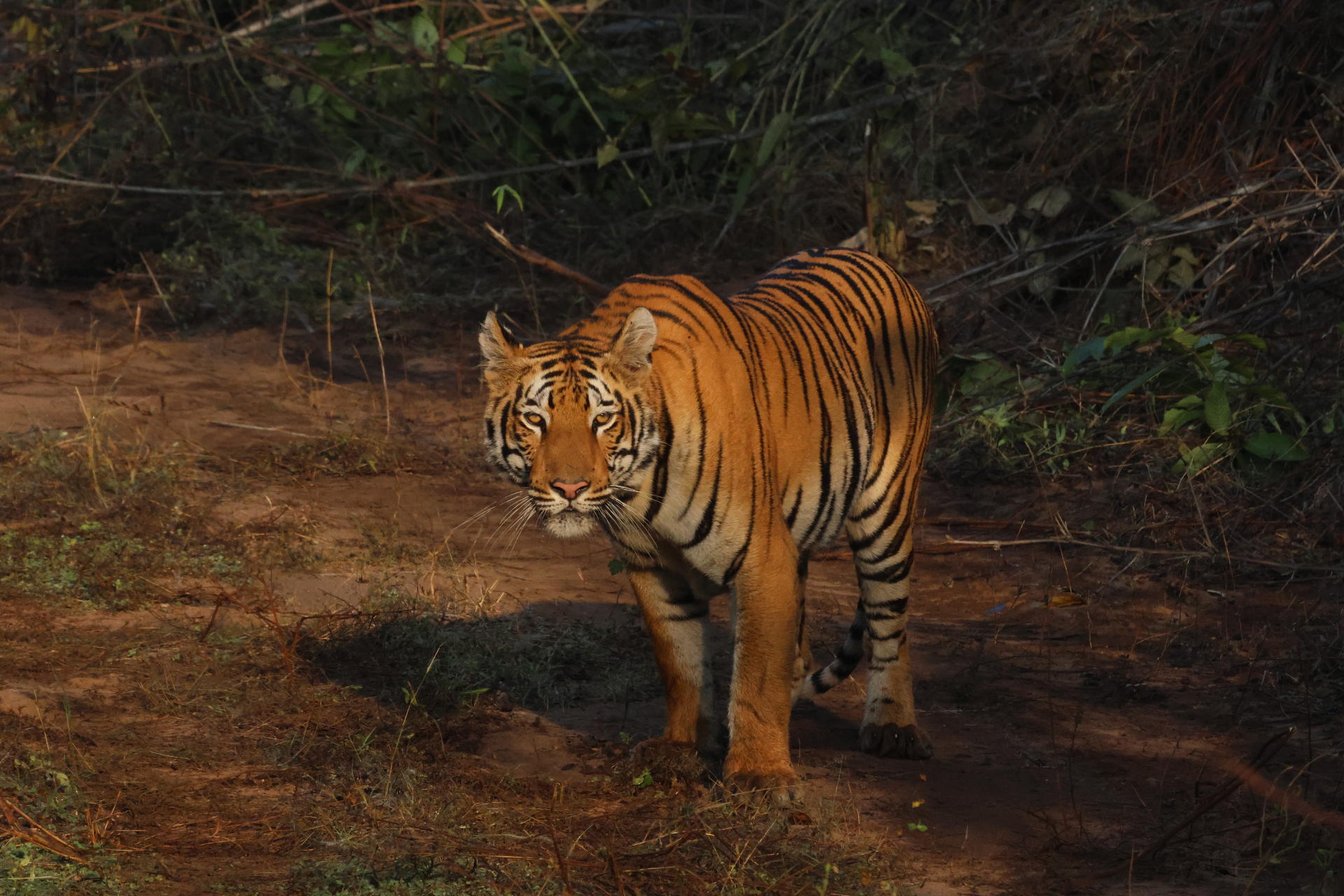
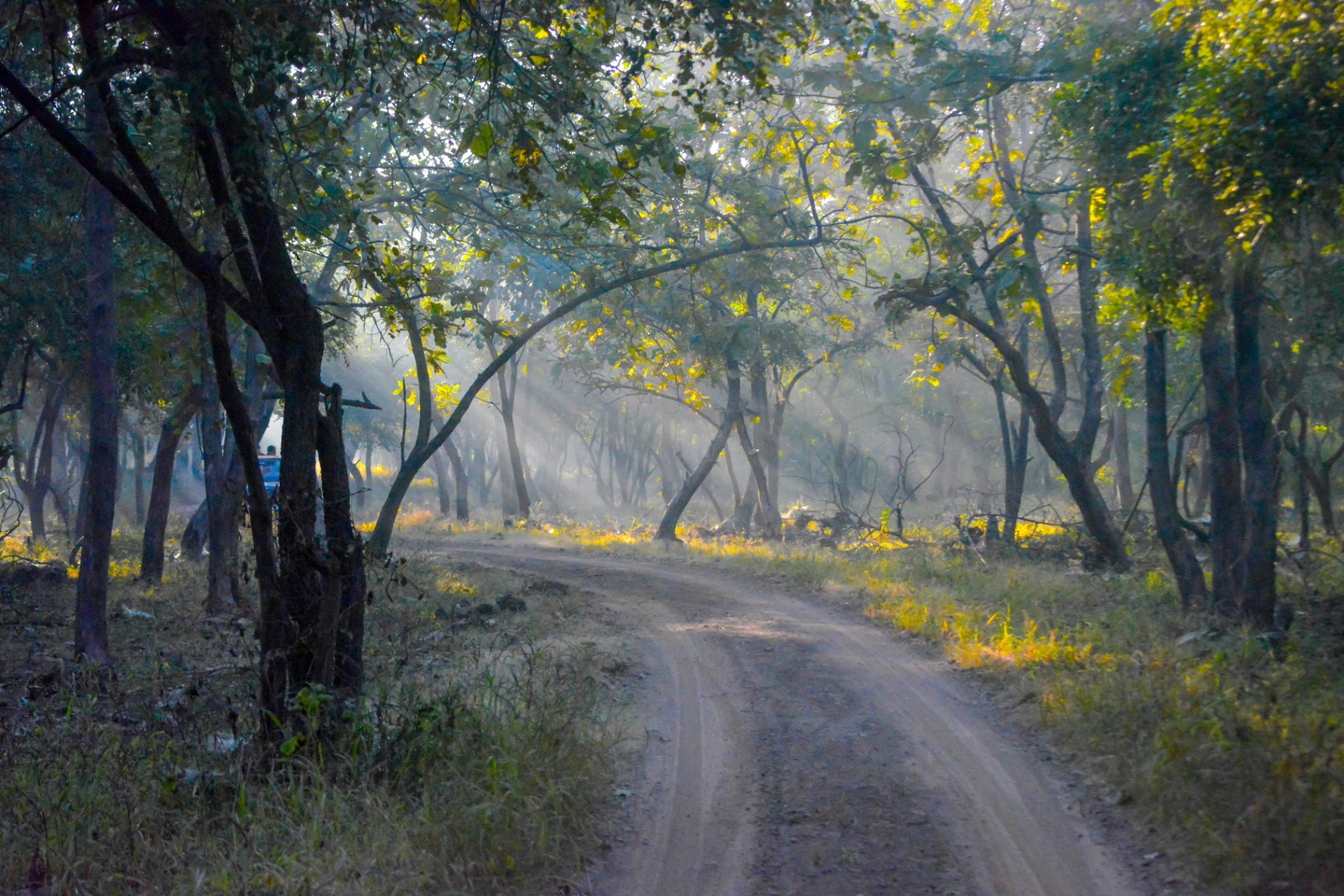
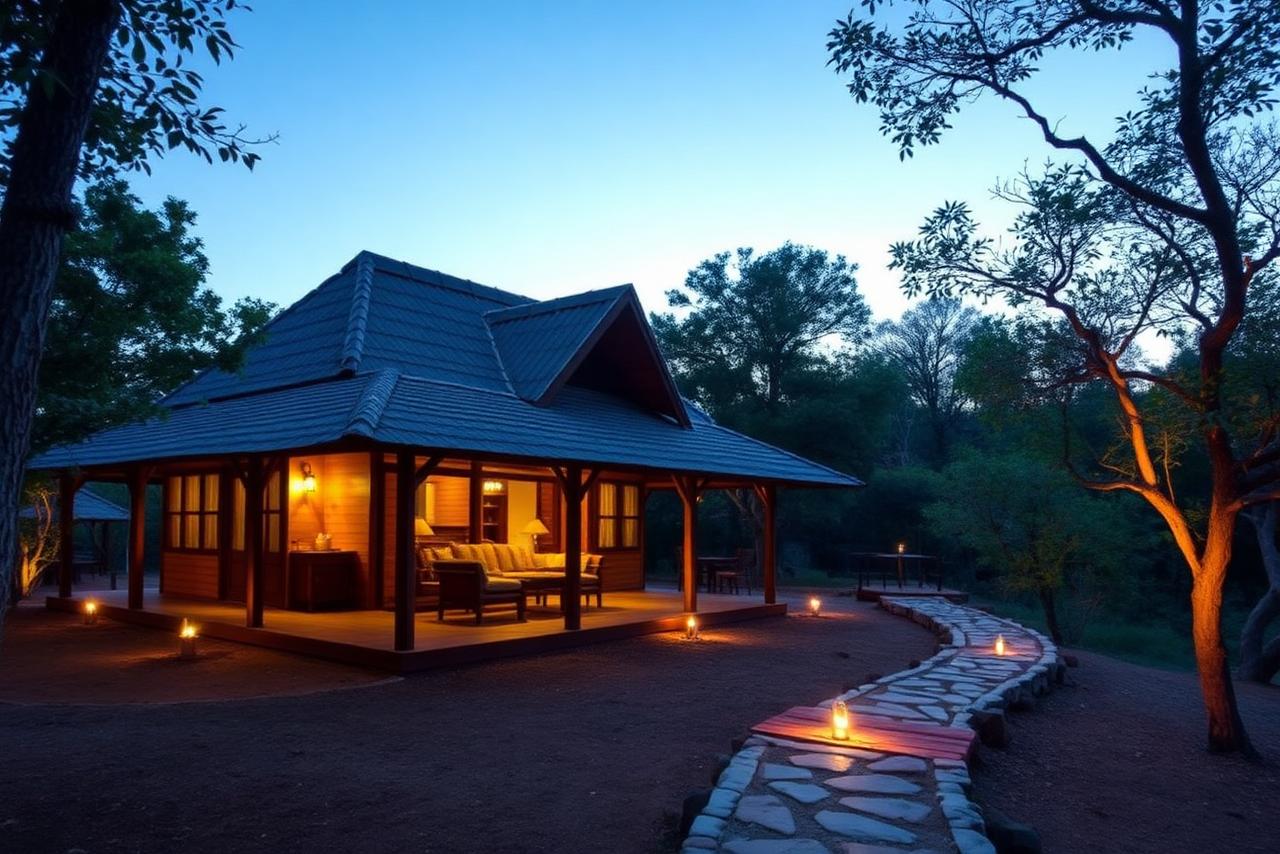
My Jungle Junction

Nameri National Park & Tiger Reserve

Birding, forest walks and rafting on the Jia Bhoroli river at the foot of the Himalaya. Nameri is a gentle, on-foot alternative to jeep safaris and pairs easily with Pakke and Kaziranga.

15+ years of travel experience
Hosted by Amit (MJJ)

Plan Your Safari

Talk to a wildlife specialist.

By submitting, you agree to be contacted by My Jungle Junction.

By submitting, you agree to our Cancellation & Refund Policy and Privacy Policy.

Scroll

Plan Your Safari

Talk to a wildlife specialist.

By submitting, you agree to be contacted by My Jungle Junction.

By submitting, you agree to our Cancellation & Refund Policy and Privacy Policy.

My Jungle Junction's Guide to Nameri Tiger Reserve

The Nameri Tiger Safari Experience

Nameri National Park is a tiger reserve covering about 344 sq km, according to the NTCA, with roughly 200 sq km core and 144 sq km buffer. It adjoins Pakke Tiger Reserve in Arunachal Pradesh, together making a large forest block.

The park is entered from Potasali, with the Nameri Eco Camp on the river bank and walks led by forest guides. Rafting on the Jia Bhoroli is the signature activity, usually a morning or half-day run.

There are no stays inside the park; lodges sit on the fringes near Bhalukpong and Potasali. We recommend two nights, and many guests pair Nameri with Pakke, Kaziranga or Orang. Your naturalist will help you read the landscape, and we will brief you on rules, timings and what to pack before you leave.

344

sq. km reserve

1 + 1

Core + Buffer zones

1999

Declared National Park

Nameri Safari Packages

My Jungle Junction's Bestselling Nameri Safari Packages

Amit and the My Jungle Junction team plan every Nameri itinerary around the way the reserve actually works: which gates are open, how far lodges sit from the entry points, and how many days you need before the landscape starts to give things up. We handle permits, vehicle bookings, naturalist guides and transfers from the nearest airport or station, with spare time built in. Tell us your dates and group size and we will shape the rest.

How Many Safaris Should You Do in Nameri?

Walks, rafting and birding, not jeep circuits

Nameri is explored on foot with a forest guide, plus river rafting on the Jia Bhoroli and short birding outings. Mornings are best for birds and rafting. We usually plan three or four outings over two nights, and confirm that rafting, trails and permits are available on your dates. Tell us your dates and fitness level and we will shape the plan.

Two outings let you do one guided walk and one river trip, and that is a good introduction if Nameri is a stop on a longer trip.

Three or four outings give you time for a second walk, an evening river visit and a dedicated birding morning. This is our standard recommendation and gives a better chance of hornbills, kingfishers and elephants.

Five outings suit serious birders hoping for white-winged wood duck and other specialities. Nameri suits walkers, birders and families who like rivers and forest. It is not a good choice if a tiger sighting is the only goal.

Best Safari Zones

Safari Zones in Nameri

Nameri does not run a numbered zone system. Visitors enter at Potasali, the park's main gate, and from there guided walks follow forest trails to the river and nearby clearings. The Jia Bhoroli river runs along the edge of the park and is used for rafting, usually starting upstream and finishing near the Eco Camp. Bhalukpong, on the Assam-Arunachal border, is the nearest town and gateway for Pakke. Routes and rafting stretches vary with river levels and rules, so we confirm them before travel.

Potasali Gate

Main entry point to the park and base for guided forest walks and birding trails.

Nameri Eco Camp

Riverside camp on the west bank of the Jia Bhoroli; tented stays and starting point for walks.

Jia Bhoroli River

River used for rafting and birding, with sand and gravel banks along the park edge.

Bhalukpong

Border town on the Assam-Arunachal border, the gateway to Pakke Tiger Reserve.

How to Reach & When to Visit

How to Reach & Best Time to Visit Nameri

✈️

By Air

Tezpur (Salonibari) is the nearest airport, around an hour from Potasali. Guwahati is the main hub, roughly 220 km away.

πŸš†

By Train

Rangapara North is the nearest convenient railhead for Tezpur and Nameri. Guwahati is the major rail hub, with onward road transfer.

πŸš—

By Road

From Guwahati, drive to Tezpur and on to Potasali, a drive of about five hours. We arrange private transfers and drivers.

Best Time to Visit Nameri

Winter is the best season; the park is closed or limited during the monsoon.

πŸ‚
Winter
Oct - Feb

Dry and cool. Best for rafting, birding walks and clear river views. This is the main visitor season.

β˜€οΈ
Summer
Mar - Jun

Warm and humid, with rain increasing by April. Walks are tiring and rafting depends on river levels.

🌧️
Monsoon
Jul - Sep

Heavy rain and flooded rivers. The park is closed or very restricted, so we advise against visiting.

MJJ Insight : Nameri closes during the monsoon and rafting depends on river level, so confirm both with us before booking. Stay near Potasali for early morning birding and walks.

The Wildlife of Nameri

Beyond the Tiger: Nameri's Wildlife

Nameri's forests are home to tiger, leopard, clouded leopard, Asian elephant, gaur, sambar, barking deer, capped langur, Assamese macaque and Himalayan black bear, though sightings of the cats are rare. Birdwatchers come for the white-winged wood duck, great hornbill, wreathed hornbill, ibisbill, blue-naped pitta and many forest species. The river is home to otters and a variety of fish and reptiles, including the monitor lizard. Butterflies and orchids are common in the cooler months. As elsewhere in the Northeast, species lists are indicative and sightings depend on luck and patience.
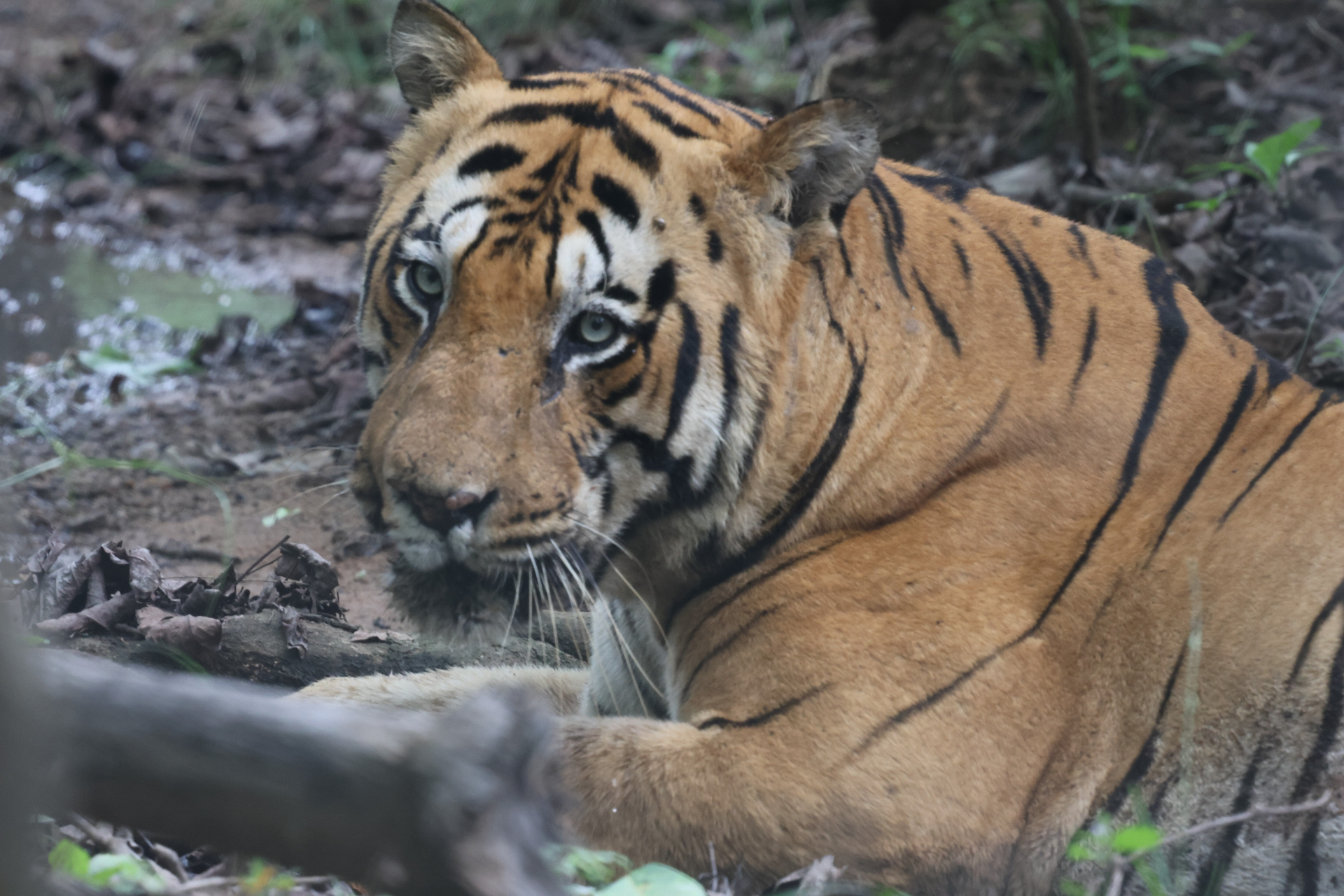
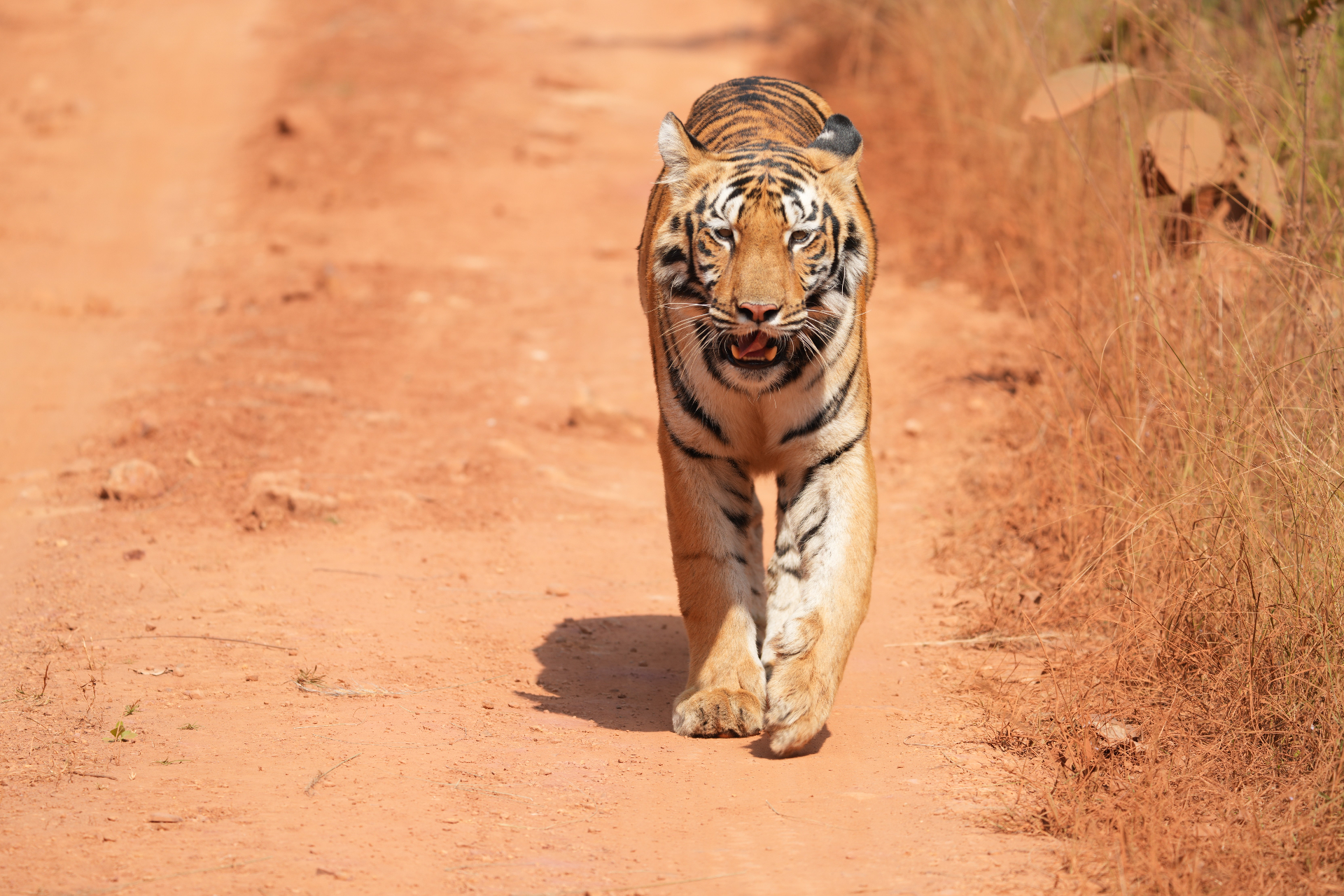
Nameri National Park & Tiger Reserve - wildlife sighting

Nameri's Wildlife Highlights

A birder's park with elusive tigers

Nameri has no named tigers that visitors follow, but it is known for the white-winged wood duck, hornbills and a river rafting experience that sets it apart from other tiger reserves. Ask your naturalist about recent camera-trap news, sightings and pugmarks, because that is where the real stories of this reserve are told. We encourage guests to treat any big-cat sighting here as a privilege rather than a promise, and to enjoy the forest, birds and smaller wildlife along the way.

White-winged wood duck Jia Bhoroli Potasali Hornbills Nameri-Pakke

Nameri's celebrities are its birds. The white-winged wood duck, a rare and shy species, is a target for specialist birders, and hornbills, kingfishers and ibisbill are regular sightings on a good morning.

Tigers and leopards are recorded by camera traps but rarely seen. Elephants are more visible, particularly on the river banks.

The park is a tiger reserve and connects to Pakke, so wildlife moves across the state border. Local guides can tell you about recent changes and sightings. Your naturalist can share the latest news from the reserve and what recent surveys have found. Ask about recent sightings, because the picture changes from year to year.

Your Stay in Nameri

Your Stay in Nameri

Where to Stay in Nameri

There is no accommodation inside the park, so you stay at the edge. Nameri Eco Camp, run by the forest department, offers tents near the river, and several private eco-lodges and resorts sit near Potasali and Bhalukpong. Tezpur has hotels for a transit night. Choose by distance from the Potasali gate, the style you want, and whether you will raft or walk early. Expect simple, comfortable lodgings rather than luxury. We confirm availability and book the stay for you. Ask us for our current favourites.

Plan My Stay

Safari Etiquette

Dos and Don'ts on a Nameri safari

βœ“ Dos

  • βœ“ Keep your voice low inside the forest.
  • βœ“ Listen to your guide and naturalist.
  • βœ“ Respect safari routes and forest regulations.
  • βœ“ Carry water, sun protection and suitable clothing.
  • βœ“ Keep your camera ready without disturbing wildlife.

βœ• Don'ts

  • βœ• Ask the driver to break rules.
  • βœ• Request a driver to block an animal's movement.
  • βœ• Feed wildlife.
  • βœ• Throw anything from the vehicle.

Why Should You Visit Nameri

Walk the forest and raft the river

Nameri offers something most tiger reserves cannot: the chance to walk through wild forest with a guide and raft down a clear Himalayan river. It is a birdwatcher's park, and one of the better places in India to look for the rare white-winged wood duck, hornbills and kingfishers. It is also part of the Nameri-Pakke forest block, giving elephants, tigers and other large animals room to move. Tourist numbers are low, so the experience feels personal. It suits families, walkers and birders, and makes an easy and rewarding first stop on a Northeast circuit. It is a trip that rewards patience and curiosity.

Plan My Safari

FAQs

Frequently asked questions about Nameri

Get a Callback WhatsApp Us
βœ“ Request sent! We'll be in touch soon.