My Jungle Junction

Mukundra Hills Tiger Reserve, Kota & Chambal Valley

Rajasthan's quiet tiger reserve near Kota: dry forest ridges, Chambal gorges and a young tiger population being re-established, far from the crowds of Ranthambore.

15+ years of travel experience
Hosted by Amit (MJJ)

Plan Your Safari

Talk to a wildlife specialist.

By submitting, you agree to be contacted by My Jungle Junction.

By submitting, you agree to our Cancellation & Refund Policy and Privacy Policy.

Scroll

Plan Your Safari

Talk to a wildlife specialist.

By submitting, you agree to be contacted by My Jungle Junction.

By submitting, you agree to our Cancellation & Refund Policy and Privacy Policy.

My Jungle Junction's Guide to Mukundra Hills Tiger Reserve

The Mukundra Hills Tiger Safari Experience

Mukundra Hills Tiger Reserve was created in 2013 and brings together Mukundra Hills National Park, Dara Sanctuary, Jawahar Sagar Sanctuary and a stretch of the Chambal Sanctuary. It covers about 760 sq km across the Kota, Bundi, Chittorgarh and Jhalawar districts, which makes it one of the larger forests in the state.

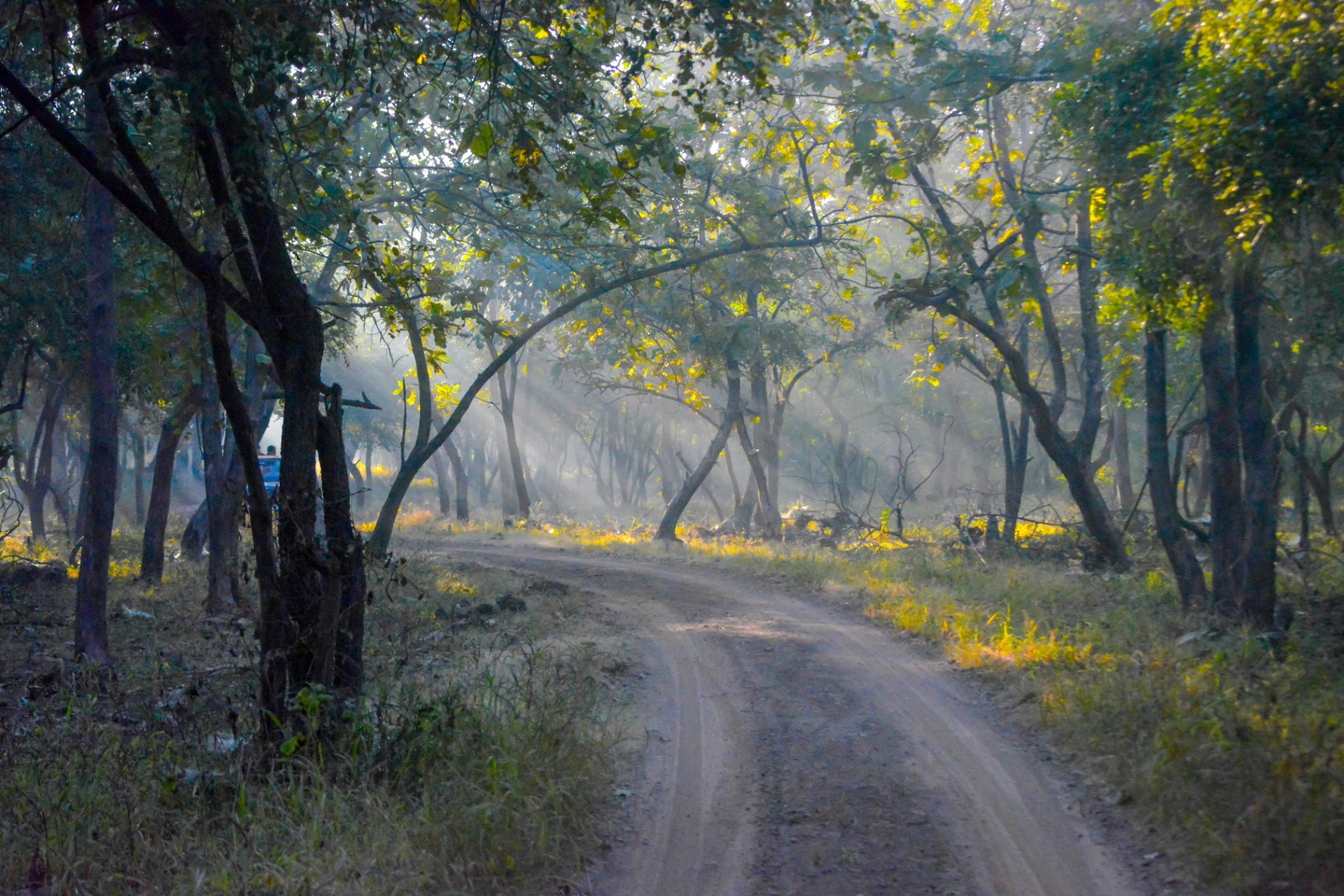
Dara, the old hunting preserve of the Hada Rajputs, gives the core its character, with a ruined hunting lodge, a rocky gorge and a seasonal waterway. Jawahar Sagar adds a reservoir and the Chambal's cliffs below the dam.

For most travellers two nights is enough, ideally as an add-on to Ranthambore or a Kota and Bundi heritage trip. Official tourism zones and entry points are still developing, so we confirm current arrangements with the forest department before each booking.

760

sq. km reserve

1 + 1

Core + Buffer zones

2013

Declared National Park

Mukundra Hills Safari Packages

My Jungle Junction's Bestselling Mukundra Hills Safari Packages

We plan Mukundra Hills as a quiet add-on rather than a stand-alone tiger gamble. Most itineraries pair Kota with Ranthambore or Bundi, so you see a new landscape without giving up a reliable tiger day. We check current access and permit arrangements with the forest department before booking, arrange a naturalist guide where available, and build in time for Chambal river birdlife and Kota's heritage sites.

How Many Safaris Should You Do in Mukundra Hills?

Two safaris is a sensible start

Mukundra is a place for patience, not a checklist of drives. Because tourism here is still being developed, the number of safaris available can change from season to season, so we advise booking flexible rather than fixed itineraries. Plan around the cooler hours of the morning and late afternoon, keep expectations on landscape and wildlife in general, and treat any tiger sighting as a bonus.

Two safaris is the practical minimum: one morning and one afternoon, enough to see the forest, learn the terrain with your guide and give leopard, sloth bear and bird sightings a fair chance.

Three safaris suits those who like a slower pace and want to try both dawn and dusk lights, or cover more than one section of the reserve.

Four to six safaris only makes sense if you combine Mukundra with Ranthambore or Bundi in the same trip, spreading the drives across reserves rather than repeating one.

The reserve suits naturalists, birders and photographers who value space and quiet, and less so first-time safari-goers who want the best chance of a tiger.

Best Safari Zones

Safari Zones in Mukundra Hills

Mukundra Hills was assembled from several protected areas, and those names still describe how the forest is organised on the ground. The reserve spans Kota, Bundi, Chittorgarh and Jhalawar districts, and the NTCA records about 417 sq km of core and 343 sq km of buffer. Official tourism zones and gate names are still being finalised, so we do not list numbered safari zones here and instead confirm the current entry points with the forest department when you book your dates.

Mukundra Hills National Park

Core habitat of ridge forest above the Chambal; the namesake of the reserve.

Dara Sanctuary

Former royal hunting ground with dry deciduous forest, a gorge and a ruined hunting lodge.

Jawahar Sagar Sanctuary

Reservoir and rocky Chambal gorge below the dam; good for river birds and crocodiles.

Chambal Sanctuary (part)

River stretch managed for gharial, mugger and other aquatic species.

Buffer Zone

About 343 sq km of surrounding forest and village land; the usual starting point for visitors.

How to Reach & When to Visit

How to Reach & Best Time to Visit Mukundra Hills

✈️

By Air

Kota has an airport listed by Incredible India; Jaipur is the larger alternative with more flights. Allow roughly an hour's drive from Kota to the reserve. Confirm current flight schedules.

πŸš†

By Train

Kota Junction is the nearest major railway station and is well connected on the Delhi-Mumbai main line. Cabs and jeeps can be hired from the station for the drive to the reserve.

πŸš—

By Road

Kota is the base for the reserve and links by road to Jaipur, Bundi and Chittorgarh. Hire a private car or jeep from Kota; public transport into the forest is limited.

Best Time to Visit Mukundra Hills

Mukundra Hills changes character through the year; here is what each season offers.

πŸ‚
Winter
Nov - Feb

Cool mornings and clear light. January to March is the most commonly recommended window and gives the best wildlife viewing around waterholes.

β˜€οΈ
Summer
Mar - Jun

Hot and dry; animals gather at remaining water. Early starts are essential and afternoons are best spent resting at your hotel.

🌧️
Monsoon
Jul - Sep

Forest turns green but access is restricted and tracks can be muddy. Most itineraries avoid these months; check availability with the forest department.

MJJ Insight : Tip: Mukundra is best added to a Ranthambore trip, not visited alone. Ask us for the current entry arrangements before you fix your dates.

The Wildlife of Mukundra Hills

Beyond the Tiger: Mukundra Hills's Wildlife

Mukundra's wildlife is typical of the south-east Rajasthan dry forest and the Chambal valley. Alongside tiger, expect leopard, sloth bear, striped hyena, jackal and the Indian wolf in open ground. Sambar, chital, nilgai and chinkara are the main prey, with wild boar throughout. The Chambal section holds mugger crocodile, gharial and a range of river birds, while the woodland supports peafowl, owls and raptors. Reptiles are plentiful too, so watch rocky slopes for monitor lizards and snakes in the warmer months.
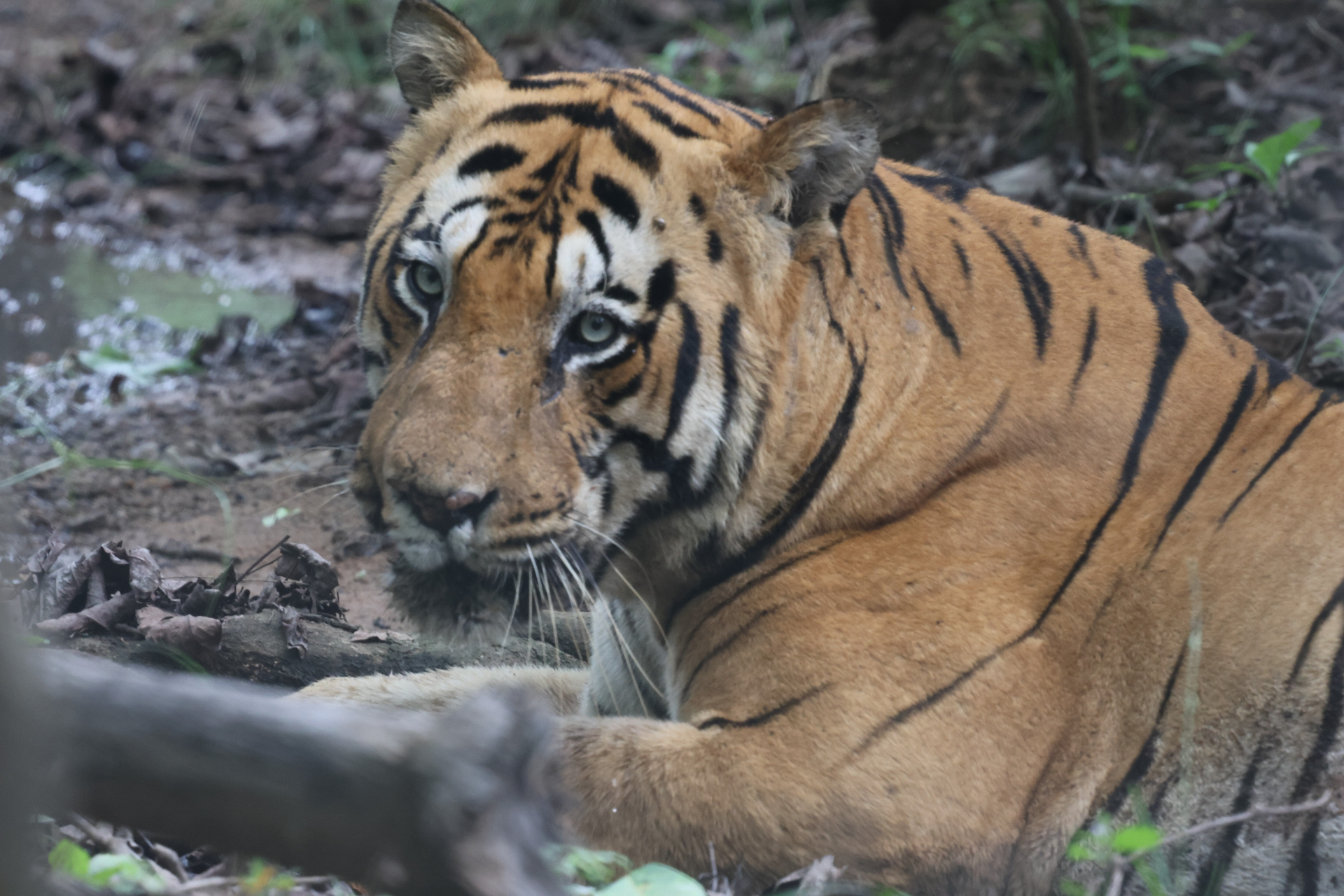
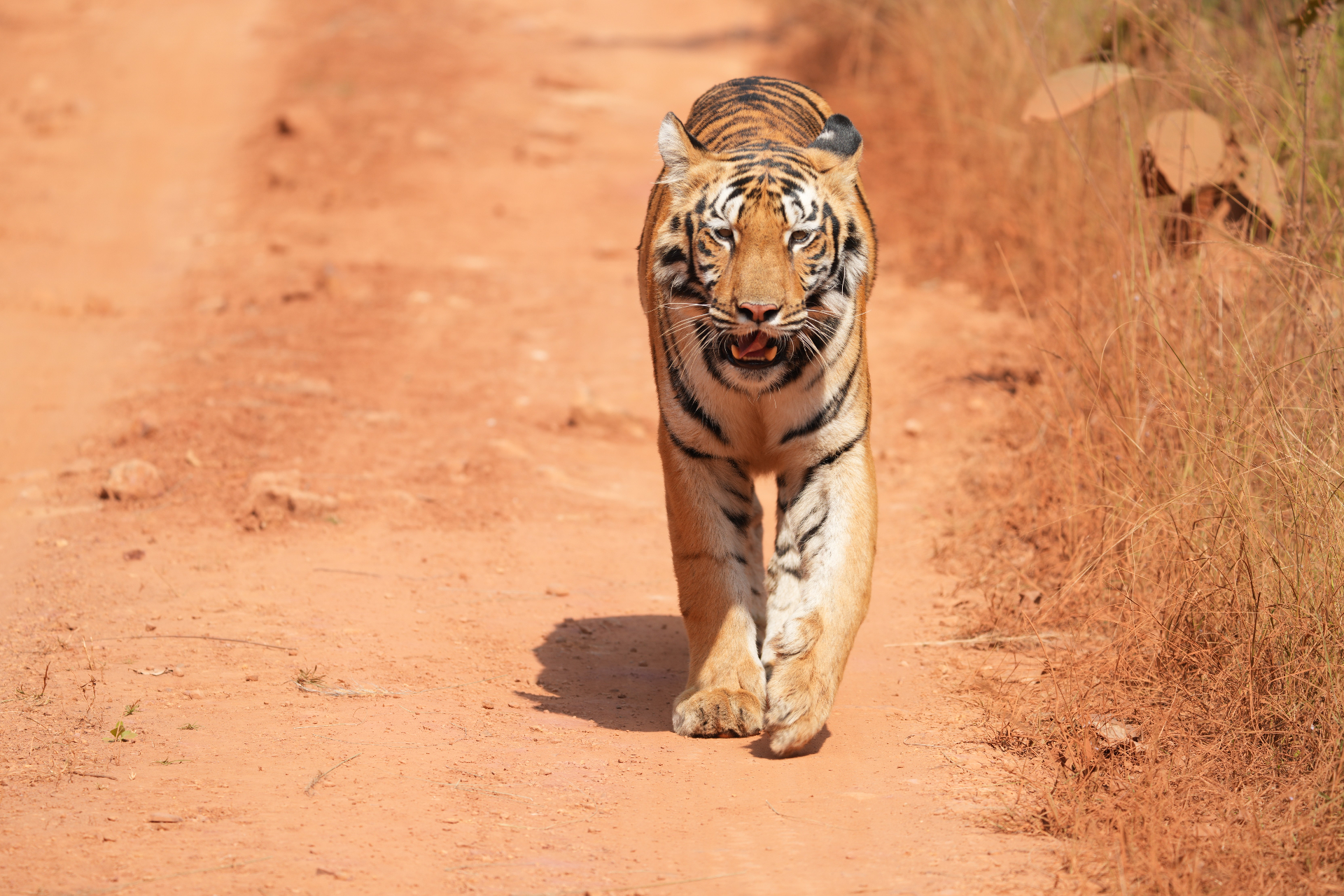
Mukundra Hills Tiger Reserve, Kota & Chambal Valley - wildlife sighting

Famous Tigers of Mukundra Hills

Tigers from Ranthambore re-establishing a population

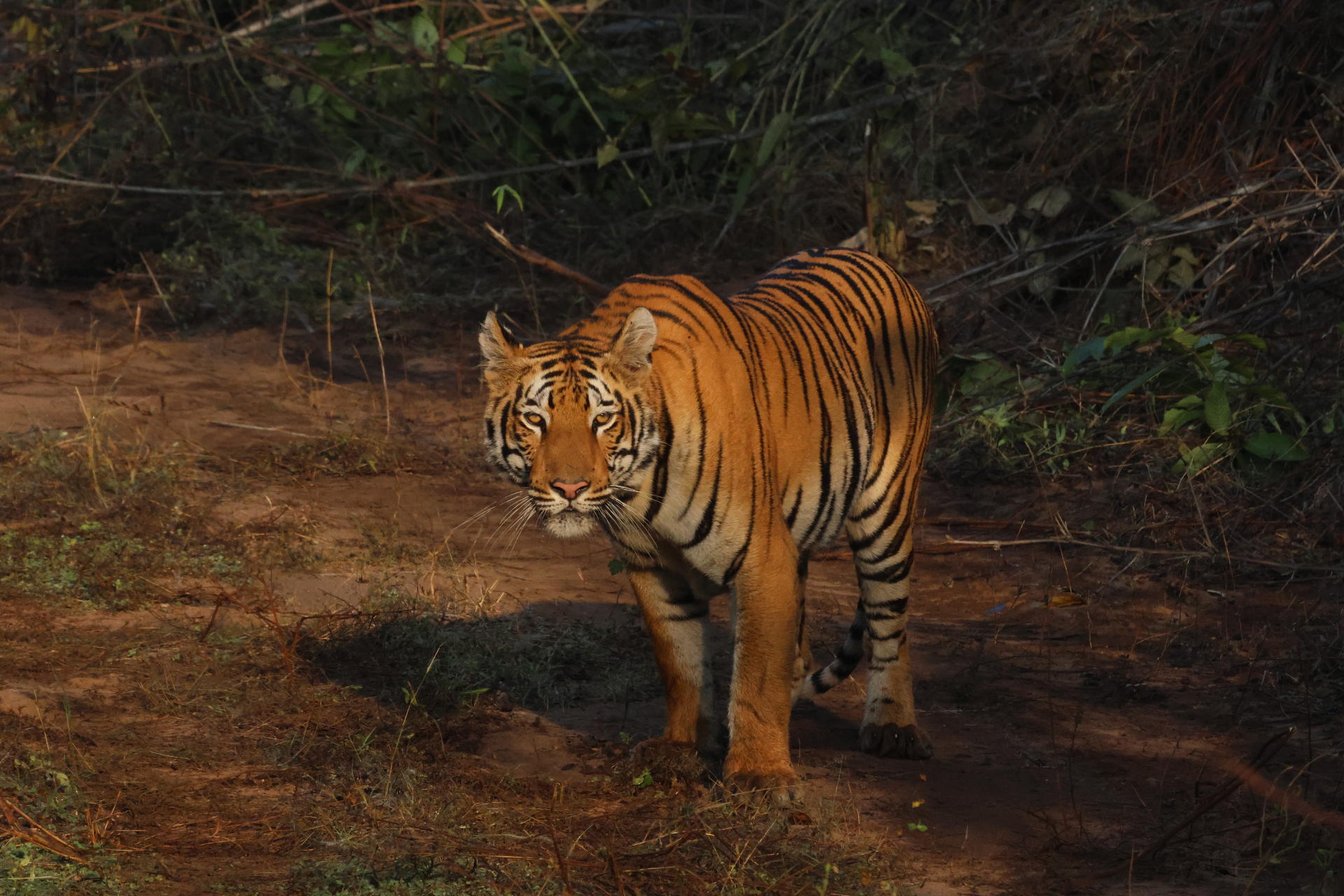
Mukundra's best-known tigers are the ones brought in from Ranthambore beginning in 2018 as part of a translocation plan. Individual names and numbers have changed as the programme evolved, and some early animals did not survive, so we avoid quoting a fixed list. We confirm current tiger movements and sightings before each trip so your expectations stay realistic. We share the latest news on the day.

Tiger reintroduction Dara Sanctuary Jawahar Sagar Chambal gorge

Mukundra had no resident tigers when it was notified as a tiger reserve, which is why it was one of the first places chosen for translocation from Ranthambore. The animals introduced from 2018 have been tracked closely by the forest department.

The programme has not been a straight line. Several of the early animals died or moved out, and the reserve has since seen further introductions and breeding. For visitors, this means tiger numbers and locations change more than in older reserves.

Rather than naming individuals who may no longer be here, we recommend asking your guide for the latest news on the day you drive in. The conservation story, not a single famous animal, is the real draw.

Your Stay in Mukundra Hills

Your Stay in Mukundra Hills

Where to Stay near Mukundra Hills

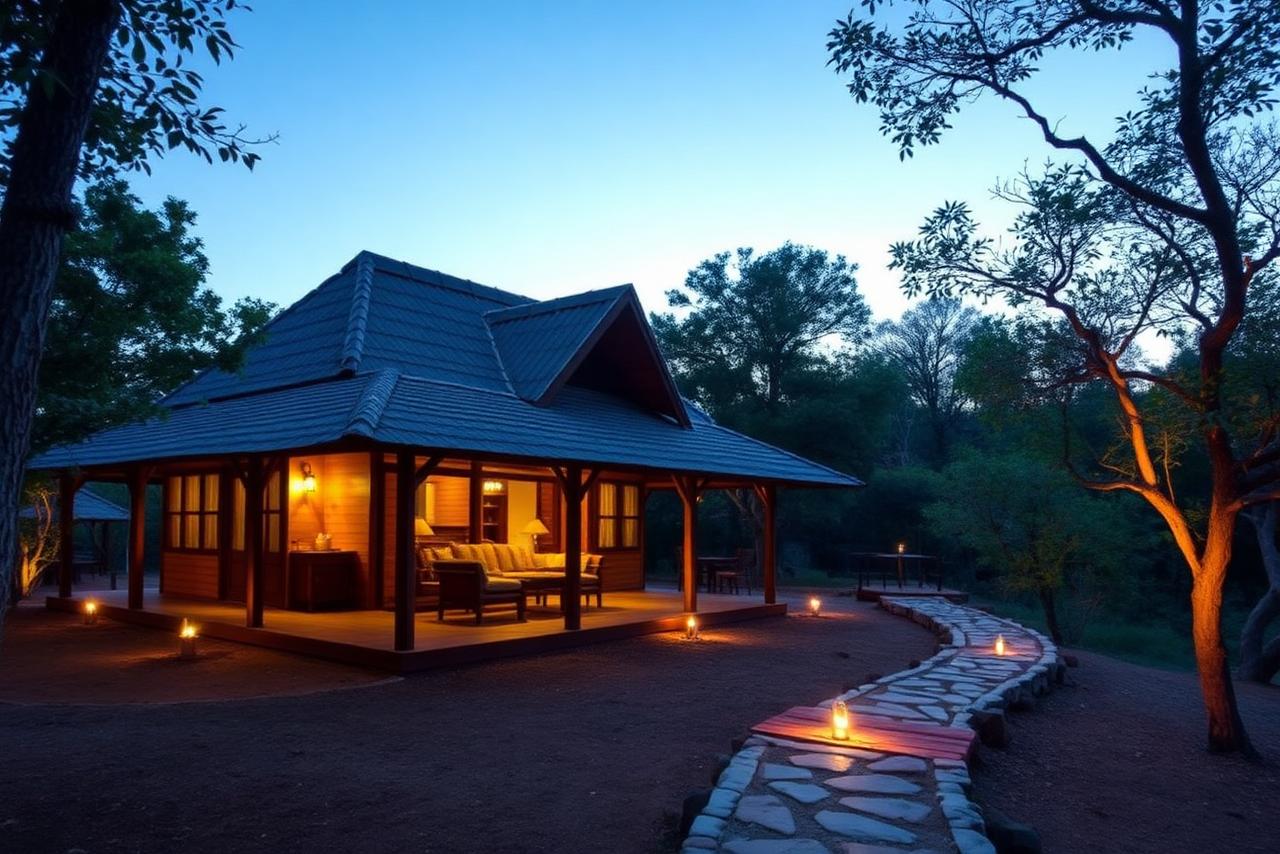
Most visitors base themselves in Kota, which has a good range of hotels from heritage properties to modern business hotels, and is a comfortable hour or so from the reserve. A few resorts and forest-edge properties exist closer to the villages around the buffer, but choice is limited and varies between seasons. Choose by distance from your entry point, early-morning pick-up arrangements and whether you want to see Kota's palaces and Bundi on the same trip. We recommend booking early for winter dates.

Plan My Stay

Safari Etiquette

Dos and Don'ts on a Mukundra Hills safari

βœ“ Dos

  • βœ“ Keep your voice low inside the forest.
  • βœ“ Listen to your guide and naturalist.
  • βœ“ Respect safari routes and forest regulations.
  • βœ“ Carry water, sun protection and suitable clothing.
  • βœ“ Keep your camera ready without disturbing wildlife.

βœ• Don'ts

  • βœ• Ask the driver to break rules.
  • βœ• Request a driver to block an animal's movement.
  • βœ• Feed wildlife.
  • βœ• Throw anything from the vehicle.

Why Should You Visit Mukundra Hills

A tiger comeback story in a landscape few visitors have seen

Mukundra matters because it is part of Rajasthan's effort to spread tigers beyond Ranthambore. Reintroduction here is an ongoing conservation project, and visiting supports the local economy that depends on a healthy forest. For you, it offers something rare in Indian wildlife travel: wide ridges, river gorges and silence. If you love landscape, birds and the slow work of finding wildlife on foot or by jeep, it rewards patience. It is also easy to pair with the heritage of Kota and Bundi, so a short stay can balance forest, culture and a different side of Rajasthan. Visits here also give the local communities around the forest a reason to value the tigers living beside them.

Plan My Safari

FAQs

Frequently asked questions about Mukundra Hills

Get a Callback WhatsApp Us
βœ“ Request sent! We'll be in touch soon.