My Jungle Junction
Udanti-Sitanadi is a quiet Chhattisgarh reserve of two core forests, home to wild buffalo, leopard, sloth bear and a small tiger population, within reach of Raipur.
My Jungle Junction's Guide to Udanti-Sitanadi Tiger Reserve
1,843
sq. km reserve
2 + 1
Core + Buffer zones
2009
Declared National Park
Udanti-Sitanadi Safari Packages
We plan Udanti-Sitanadi itineraries around permit availability, travel time from the nearest airport or station, and the zones that suit your priorities, whether that is tigers, birds or a quieter forest. Amit and the My Jungle Junction team handle safari bookings, lodge selection and transfers, and can combine Udanti-Sitanadi with neighbouring reserves in Chhattisgarh or a wider central India circuit.
How Many Safaris Should You Do in Udanti-Sitanadi?
Udanti-Sitanadi rewards a slower approach. Tourism is limited and routes are few, so the number of safaris matters less than timing them well and confirming that your chosen core area is open. We build short, flexible itineraries and add other Chhattisgarh parks if you want more drives.
Best Safari Zones
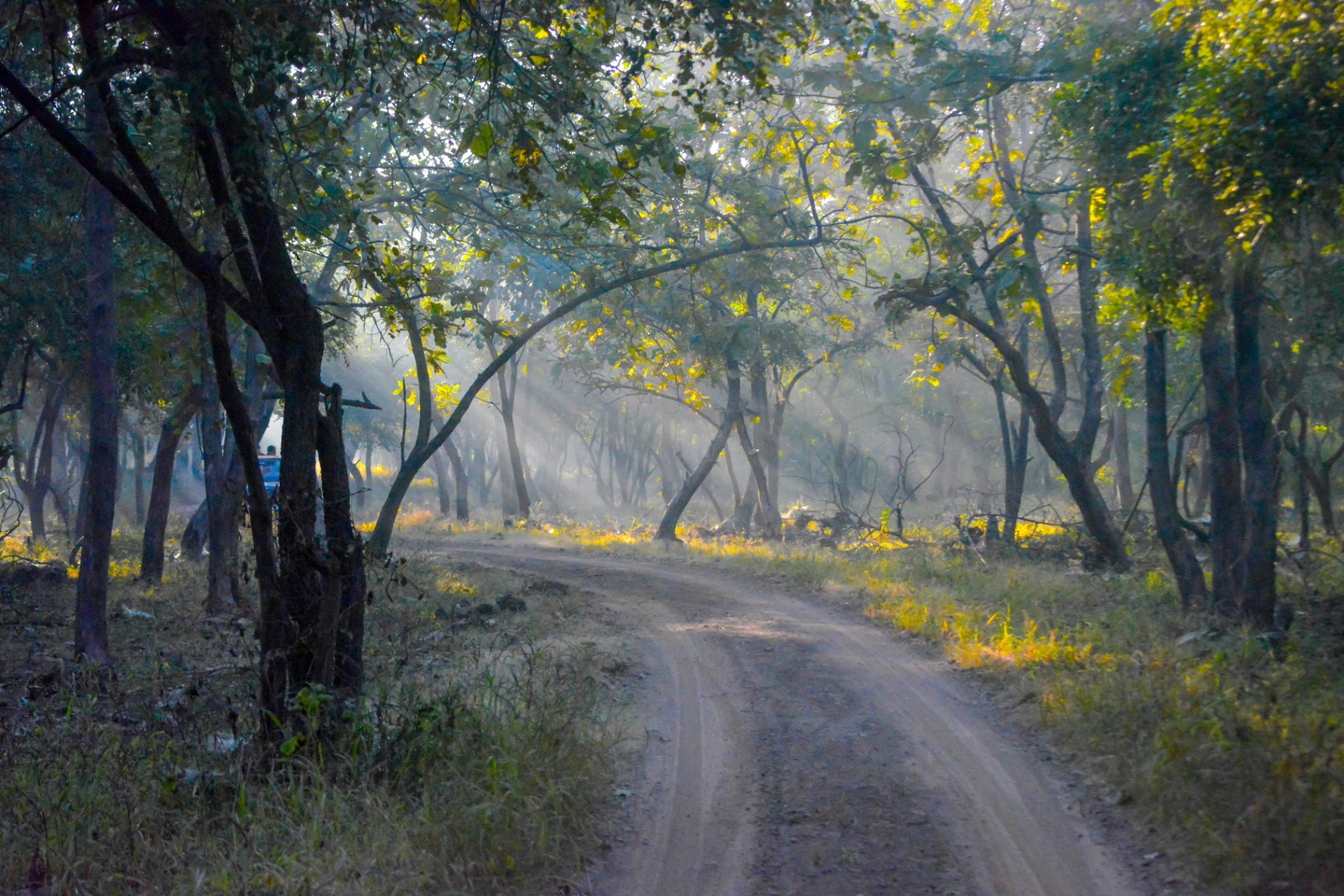
The reserve has two notified core areas, Core 1 (Udanti) and Core 2 (Sitanadi), surrounded by buffer forest. Tourism is limited and managed by the Chhattisgarh forest department, and the set of open routes and entry points can change. We confirm which areas can be visited on your dates before booking, rather than quoting a gate list that may be out of date.
Notified core area based on the former Udanti Wildlife Sanctuary, protected since 1984.
Second notified core area in the Sitanadi catchment, around the older Sitanadi sanctuary.
About 991 sq km of buffer forest around both cores; limited tourism may be arranged subject to permission.
How to Reach & When to Visit
Swami Vivekananda Airport, Raipur is the nearest major airport, with good connections to Delhi, Mumbai and other cities. Onward travel is by road.
Raipur Junction is the main railhead on the Mumbai-Howrah line. Dhamtari is nearer but has fewer connections.
The reserve lies in Gariaband and Dhamtari districts; it is reached by road from Raipur in a few hours. We arrange the drive and confirm routes.
Winter is the most pleasant; summer is productive but hot.
Pleasant weather and open forest. Good for walking-adjacent tourism and birding; early mornings are cold.
Hot, dry and the best period for wildlife at waterholes, but afternoons are punishing. Stick to dawn drives and carry water and a hat.
Heavy rain and slippery roads; access is generally closed. We do not recommend visiting in these months.
MJJ Insight : Tourism here is small and rules change. Ask us to confirm which core area is open before you commit to dates.
The Wildlife of Udanti-Sitanadi
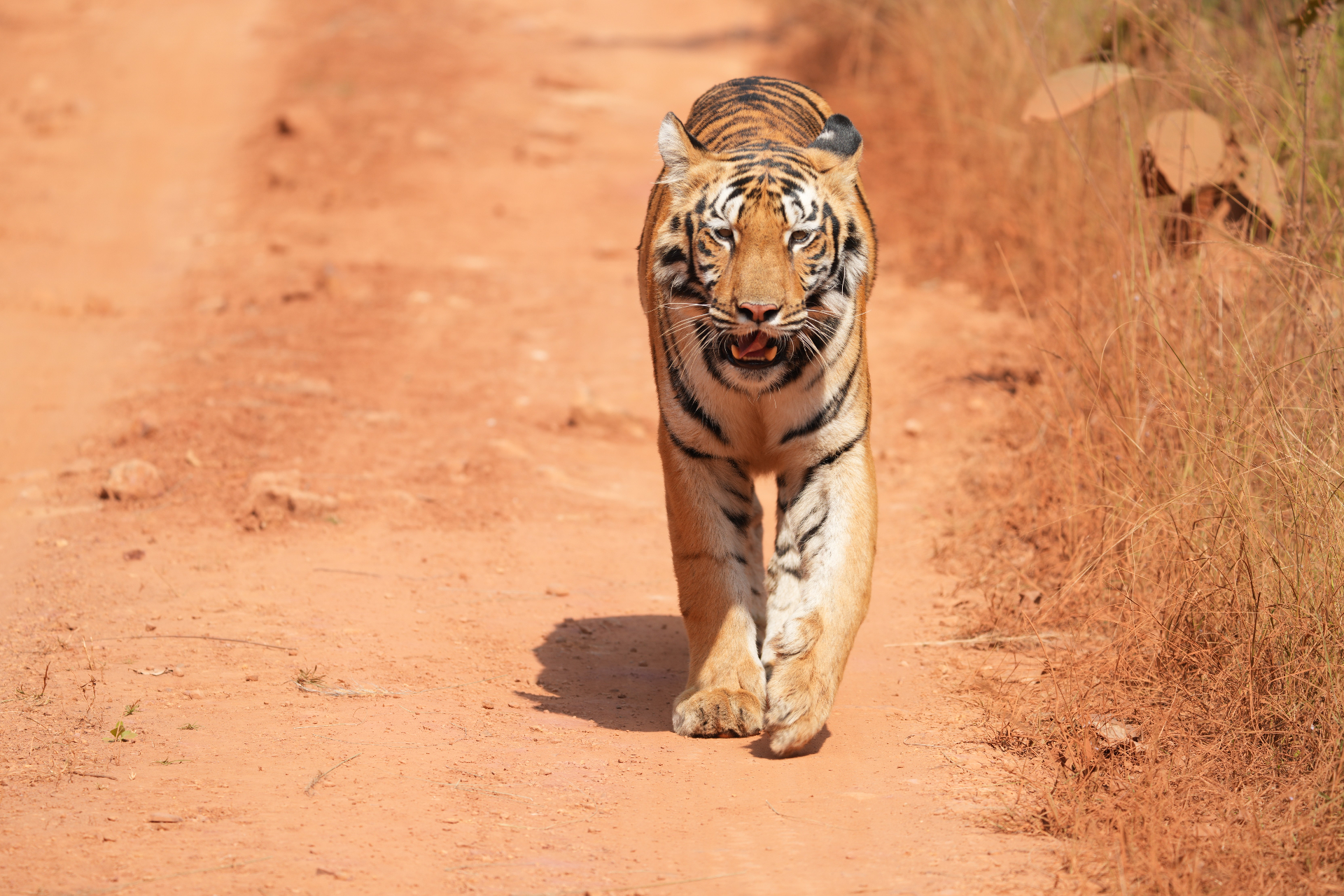
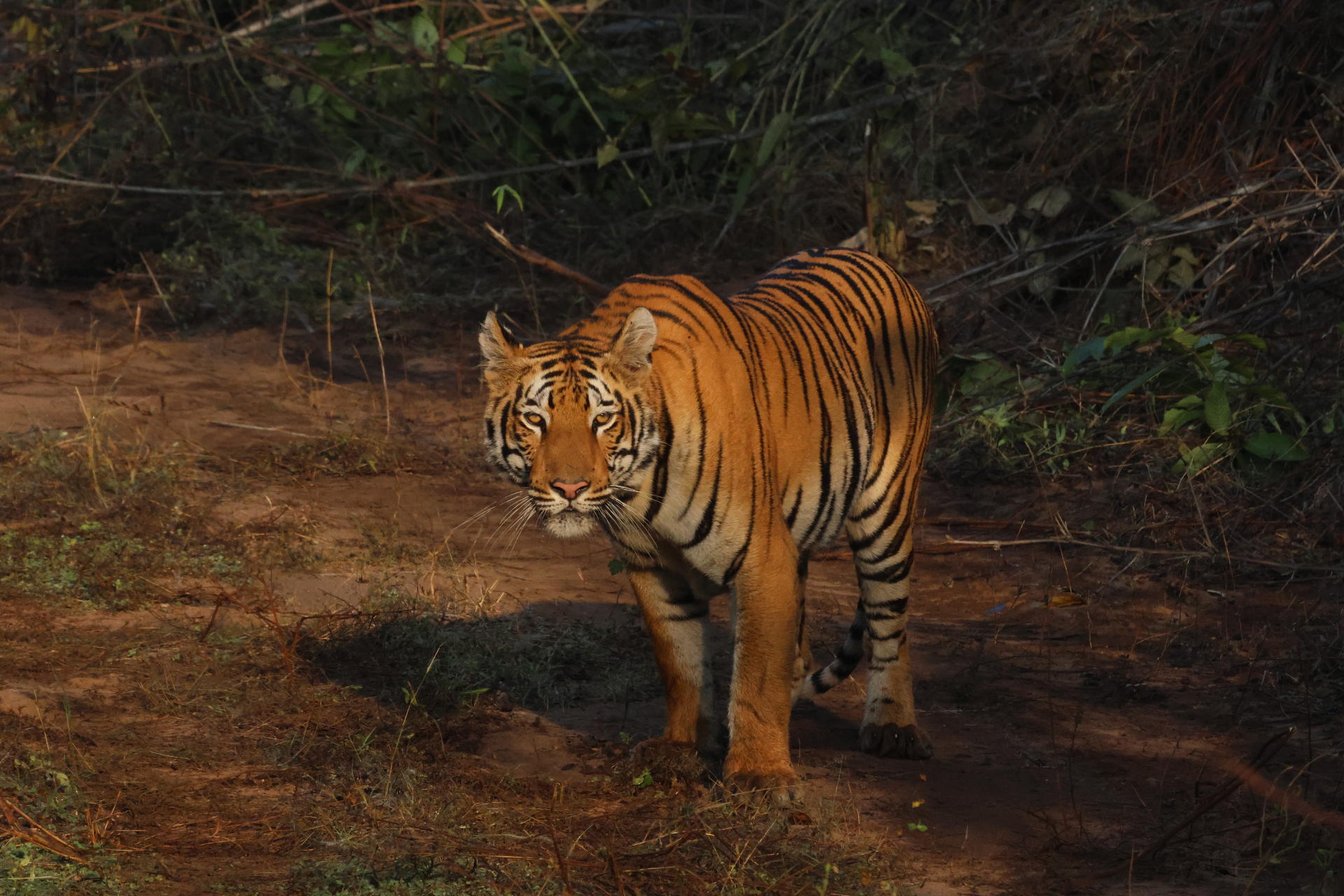
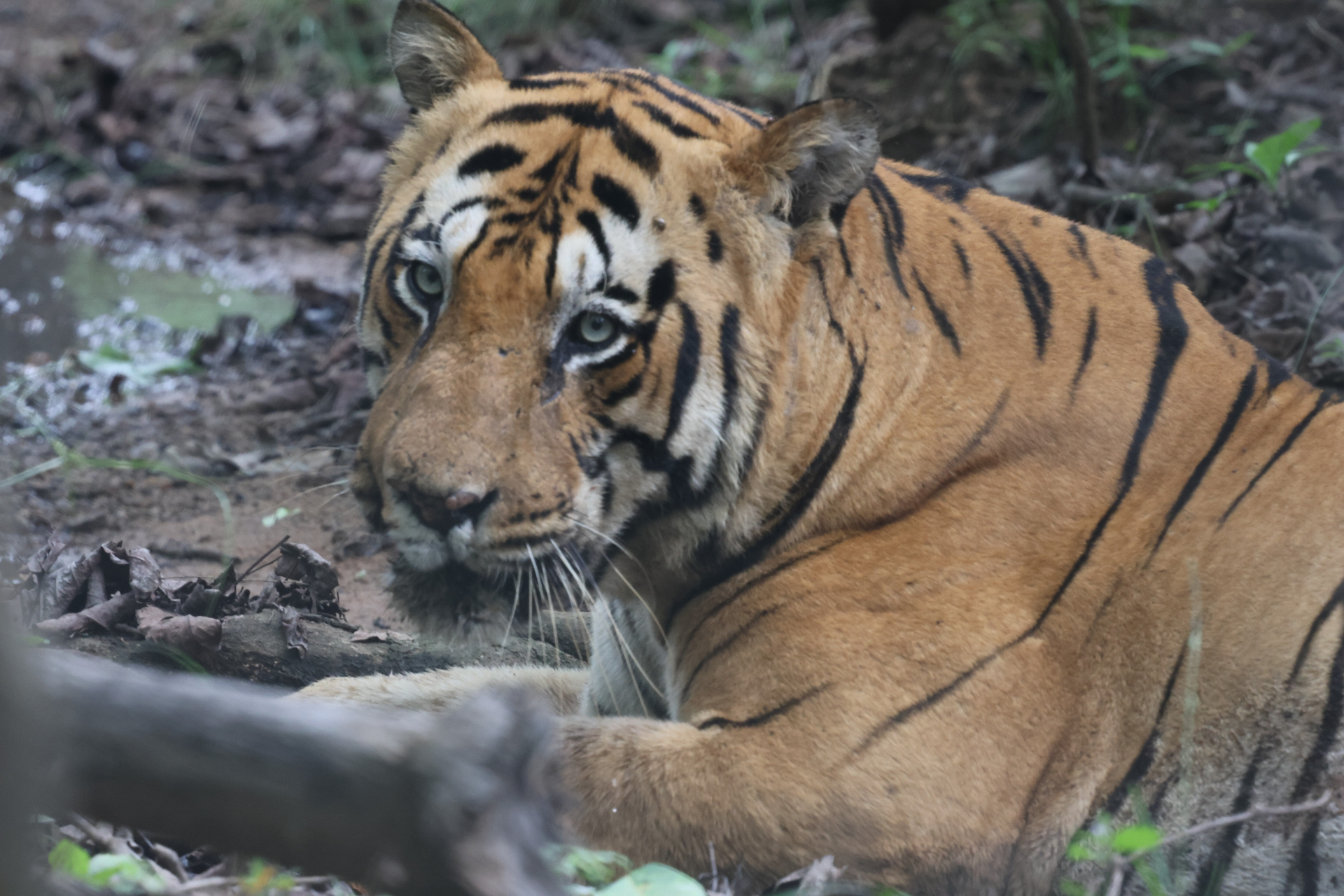
Udanti-Sitanadi is a stronghold of the wild water buffalo, which is the park's signature species. Other mammals include tiger in small numbers, leopard, sloth bear, wild dog (dhole), gaur, sambar, chital, barking deer, nilgai, wild boar and hyena. The forests support many birds, including hornbills, raptors and woodland species, and reptiles such as monitor lizards and pythons. Dense terrain makes mammal sightings difficult, so a patient approach with a good guide is rewarded.
Wildlife Highlights of Udanti-Sitanadi
There are no widely documented famous tigers in Udanti-Sitanadi. The reserve's fame is the wild water buffalo, and the story is one of conservation: restoring protection to two forest blocks and the animals that depend on them.
Your Stay in Udanti-Sitanadi
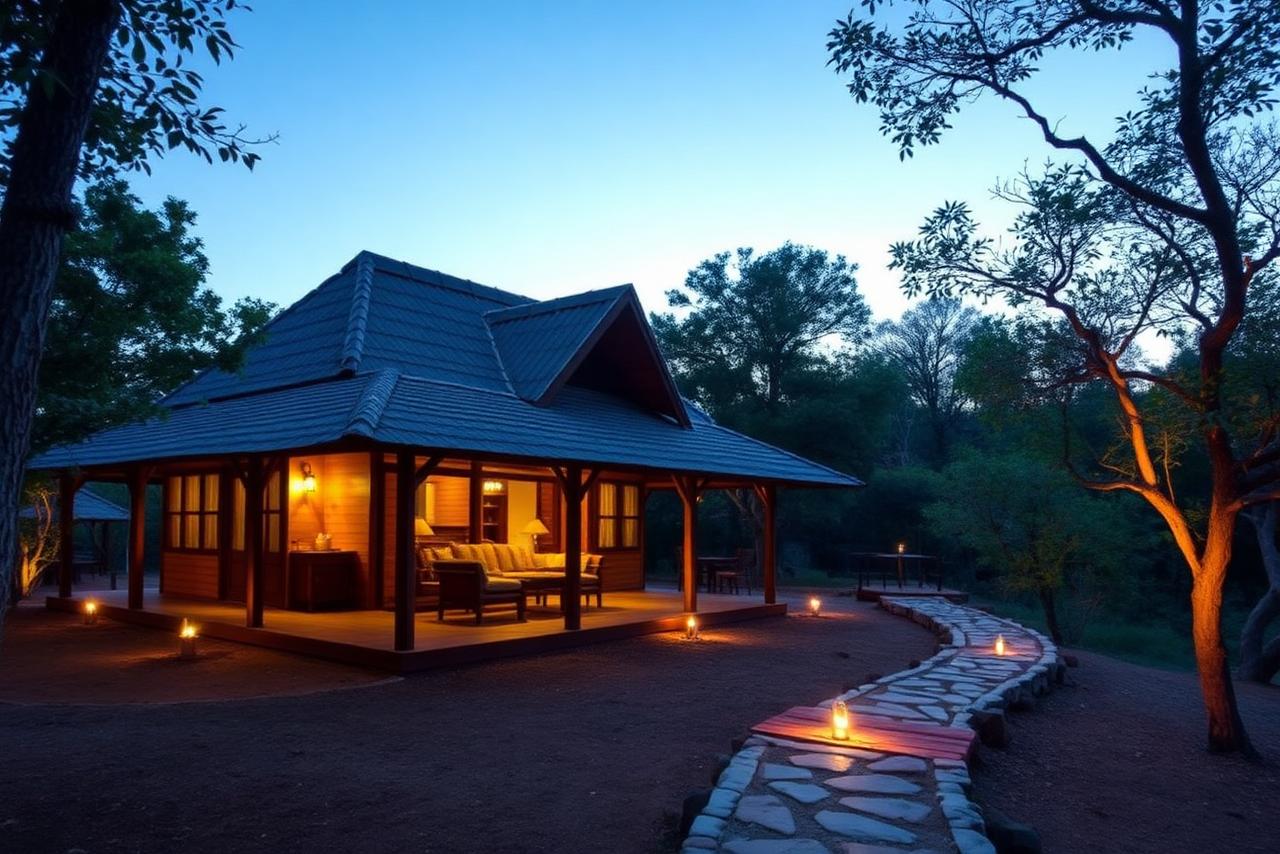
Facilities close to the reserve are limited, so most visitors stay in Raipur and make day trips or short stays in forest rest houses and basic lodges as available. Dhamtari and Gariaband have simple hotels. We choose based on how much driving you want to do and on current availability, since accommodation near the reserve changes. If you want more comfort, we pair Udanti-Sitanadi with a stay at a better-equipped reserve nearby.
Plan My StaySafari Etiquette
Why Should You Visit Udanti-Sitanadi
Udanti-Sitanadi matters for what it protects. It holds one of the last wild water buffalo populations in India, and its two cores form a corridor of forest in central India that supports tigers, leopards and other large mammals. For visitors it offers a quiet, uncrowded experience close to a major city. There are no queues at gates and no guaranteed sightings, but if you enjoy tracking signs, birding and understanding how a reserve is managed, it is rewarding. It also works well as part of a wider Chhattisgarh itinerary with Achanakmar or Indravati.
Plan My SafariFAQs
Share your details and we'll call you at your preferred time.