My Jungle Junction
Dudhwa is the Terai at its most unspoilt: tall sal, wide grassland and marshes where tigers, swamp deer and one-horned rhinos share the same forest. Quiet, uncrowded and rewarding for patient visitors.
My Jungle Junction's Guide to Dudhwa Tiger Reserve
2,202
sq. km reserve
1 + 1
Core + Buffer zones
1987
Declared National Park
Dudhwa Safari Packages
Dudhwa needs more planning than most parks because the areas are spread out and the season is shorter. We build itineraries that decide early which areas to prioritise, arrange forest permits and guides, and allow time for the long road transfers between areas. We also suggest combining Dudhwa with Pilibhit or Corbett where timing works, as the terai landscape connects them.
How Many Safaris Should You Do in Dudhwa?
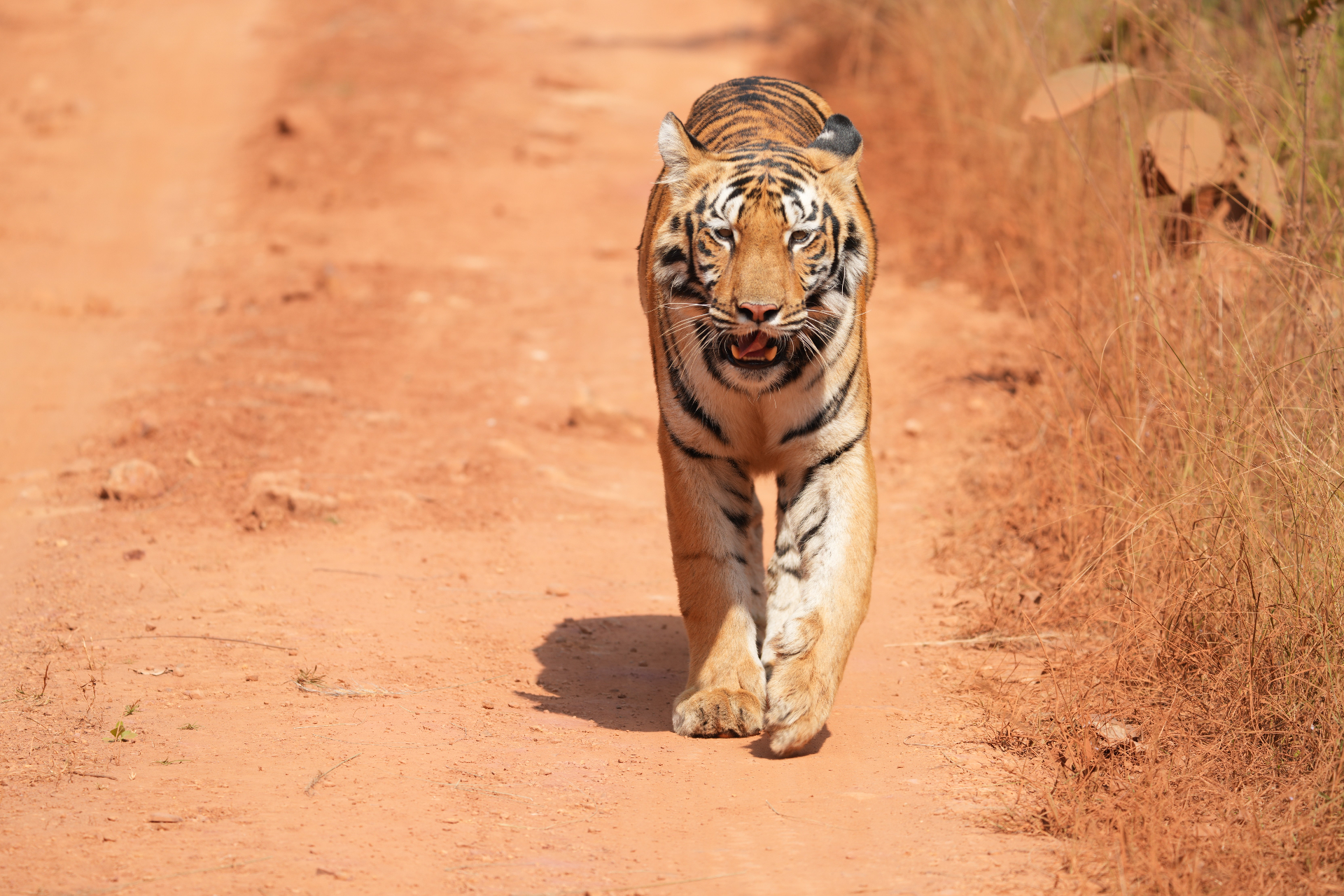
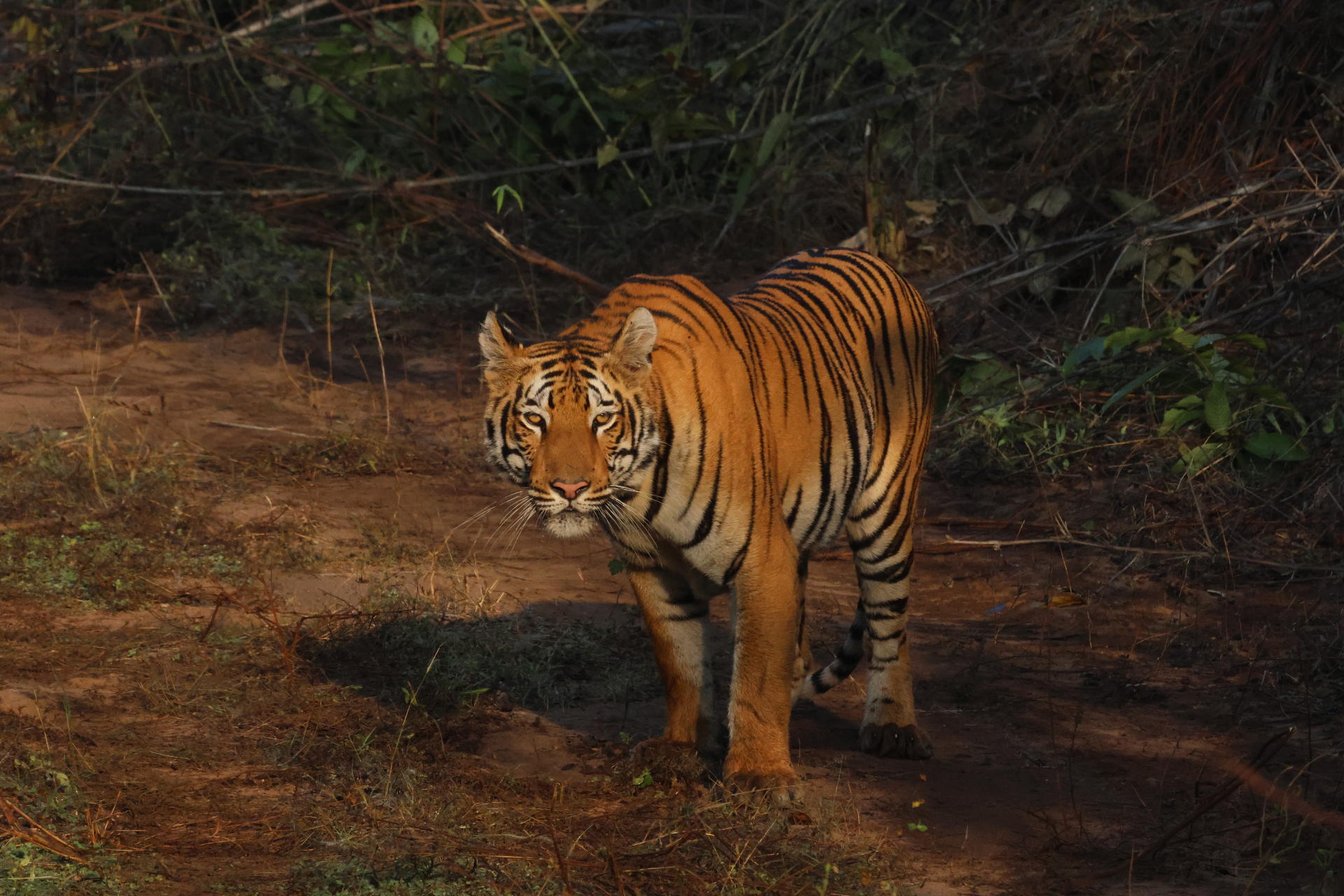
Tigers in Dudhwa are often sighted through patient time in the right areas rather than a single long drive. Spending several safaris across Dudhwa, Kishanpur and Sonaripur gives you a much better feel for the park and better odds of the specialities, particularly swamp deer and rhinos. If you only have time for one or two drives, set your expectations accordingly.
Best Safari Zones
Dudhwa's tourism is organised around several distinct areas rather than numbered zones. Dudhwa National Park is the headline area, with Sathiana and Dudhwa as key entry points. Kishanpur Wildlife Sanctuary is noted for its tigers and birds, and Sonaripur is known for rhinos. Katarniaghat Wildlife Sanctuary is separate, on the Girwa river, and is better known for boating and gharial. Access rules and open areas change, and some forest rest houses are periodically closed, so we verify what is available for your dates before we plan the itinerary.
The core of the reserve, with sal forest, grassland and swamp deer. Entry points include Dudhwa and Sathiana.
Known for tigers, swamp deer and wetlands, with good birding.
Associated with the park's one-horned rhino reintroduction. Check access before you plan around it.
A separate area on the Girwa river, better for gharial, dolphins and boat rides than for a classic tiger safari.
How to Reach & When to Visit
Lucknow is the nearest major airport, about 230 km and a long drive from Palia. Delhi is another option for those combining the terai parks.
Dudhwa and Palia have railway stations with services from Lucknow and Delhi. Mailani is another useful station on the narrow-gauge and broad-gauge network.
Palia is the usual base. The drive from Lucknow takes around five to six hours, and local roads can be slow, so allow generous time.
Dudhwa is open for a shorter season than most parks, usually from mid-November to mid-June.
The park opens in mid-November. Mornings are foggy and cold, but birds are plentiful and the grass is lower for easier viewing.
Considered the best time for tigers as the grass is cut or burned and animals gather near water. Days are very hot.
The reserve is closed to visitors in the monsoon, roughly mid-June to mid-November. Confirm the dates each year.
MJJ Insight : Dudhwa's season is short and forest rest houses have been closed for periods, so check availability early. We often base guests in Palia and drive to the different areas each day.
The Wildlife of Dudhwa
Dudhwa is best known for the barasingha, or swamp deer, which here forms one of the largest populations of the species. Tigers, leopards and Asian elephants are present, and the one-horned rhinoceros was reintroduced in the 1980s. Other mammals include hog deer, spotted deer, sambar, sloth bear, jungle cat, fishing cat and the hispid hare. Gharial and mugger crocodiles live in the rivers, and the Terai grassland is excellent for birds, from Bengal florican to hornbills, owls and numerous waterbirds, so keen birders are well rewarded.
Famous Tigers of Dudhwa
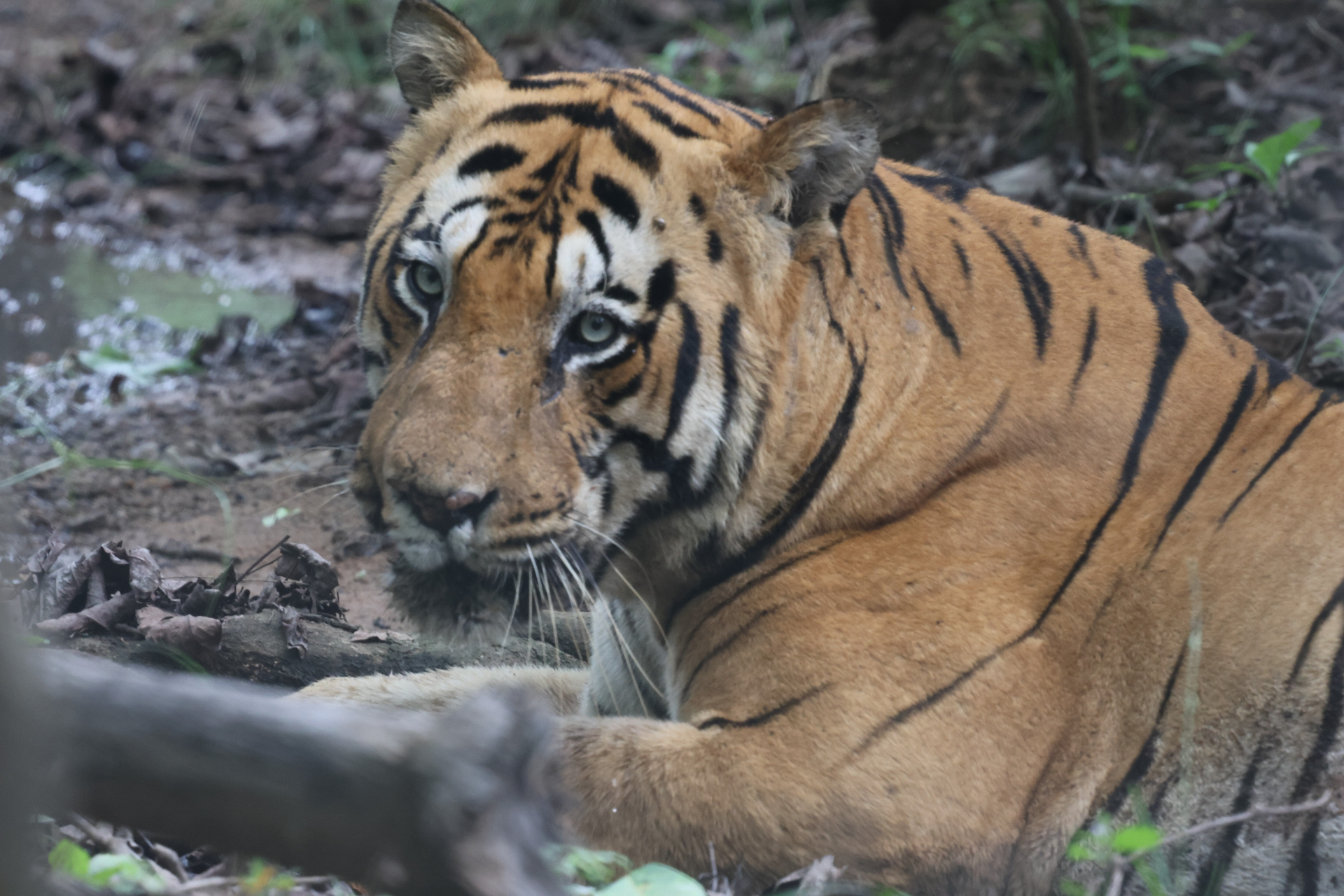
Dudhwa's best-known story, and the one most visitors ask about, is that of Tara, a tigress born in a zoo in England and released into the forest by Billy Arjan Singh in the 1970s. Her story, and his lifelong work to protect the wild cats here, are a big part of the conservation story of this reserve, and guides here still tell it often.
Your Stay in Dudhwa
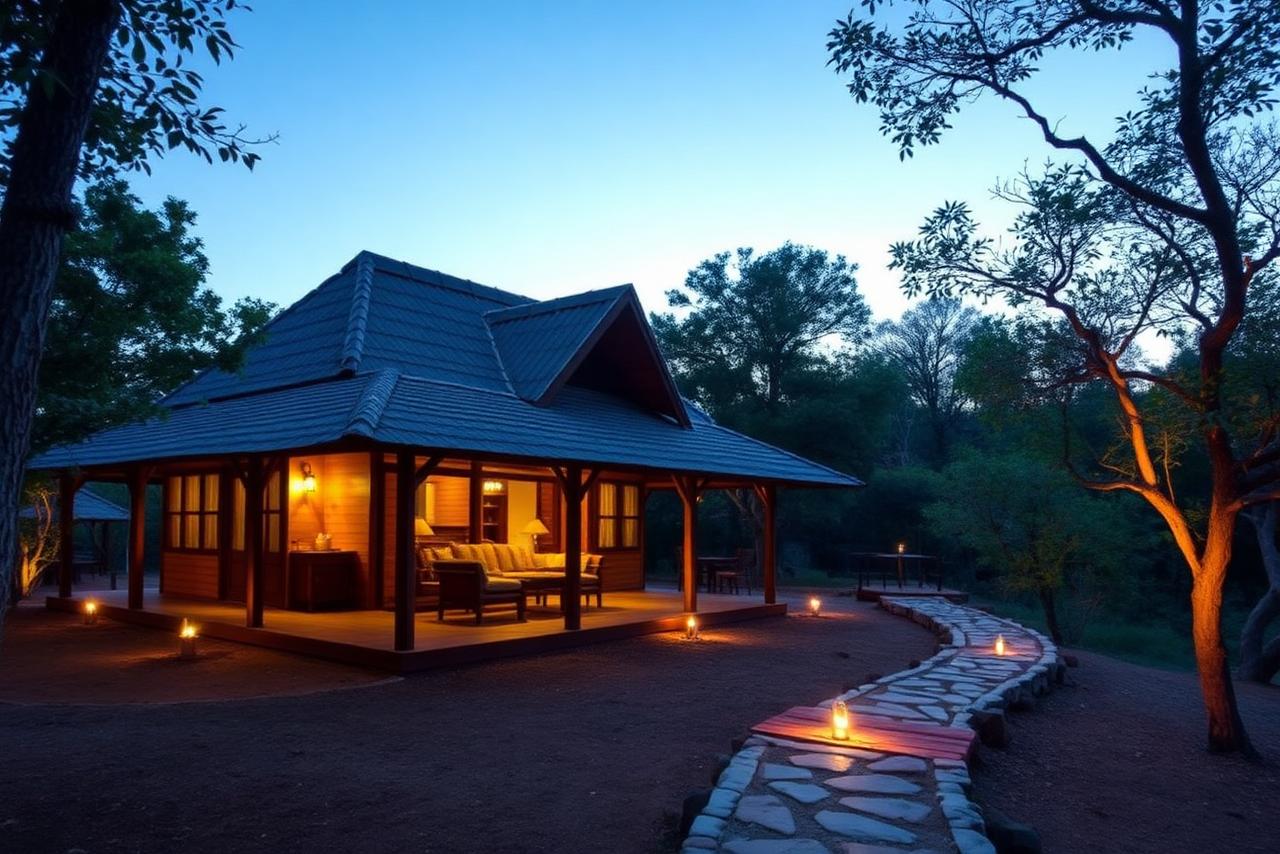
Most of our guests stay in Palia or at lodges near the Dudhwa and Kishanpur gates. Palia is the most practical base because it has a railway connection and shops. Within the park, forest rest houses at places such as Sathiana and Bankati can be booked in some seasons, but several have been closed for renovation, so confirm before relying on them. There are also private lodges and tented camps at the edge of the forest. Choose by how close you want to be to your preferred gate, how much driving you are comfortable with, and the quality of the guiding on offer.
Plan My StaySafari Etiquette
Why Should You Visit Dudhwa
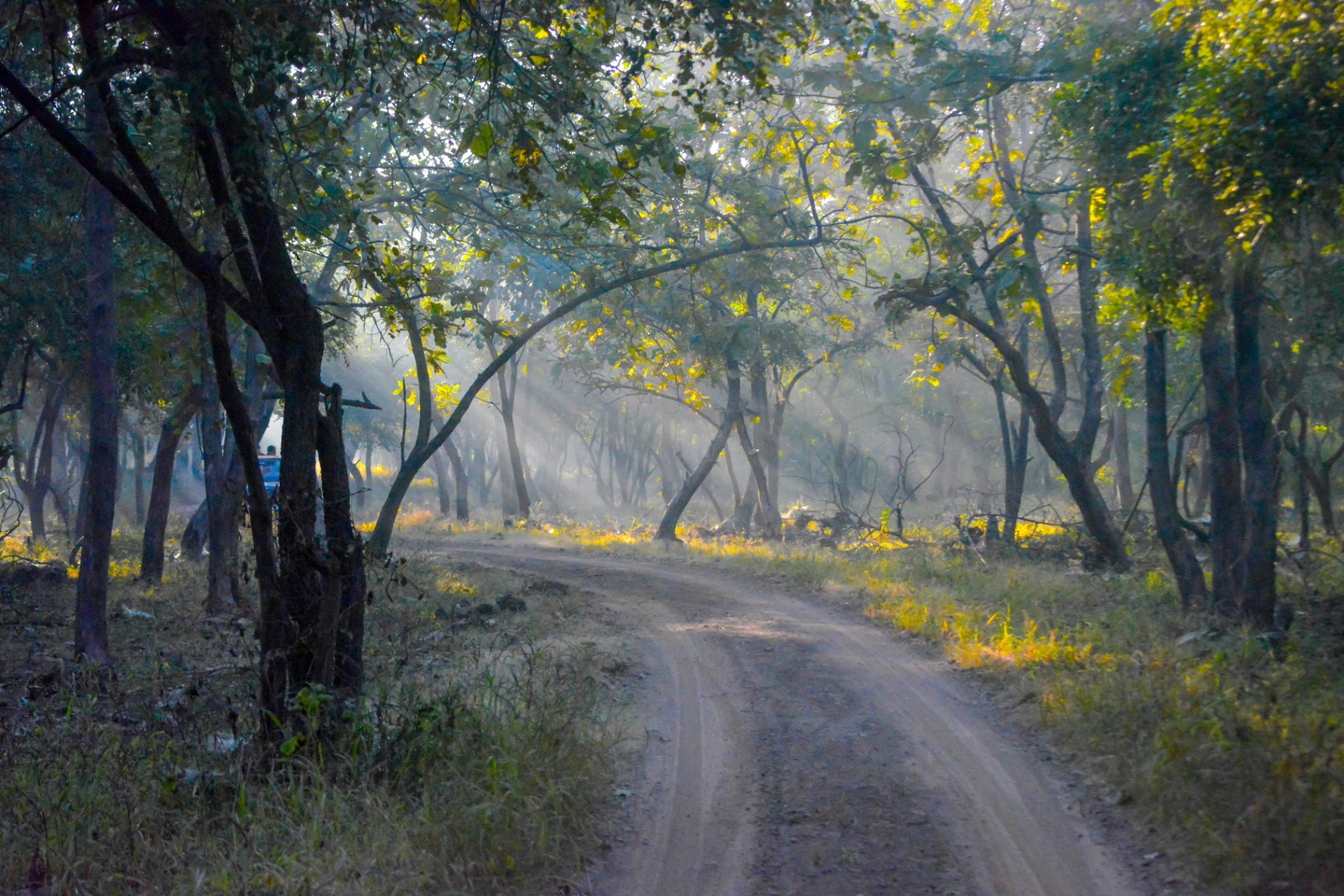
Dudhwa is one of the last large stretches of Terai forest and grassland in India, a habitat that once ran along the foot of the Himalaya and has now largely gone. Visiting here shows a different side of the tiger story, with tigers living alongside swamp deer, rhinos and elephants in a landscape of tall grass and sal. It is much quieter than the popular parks, so you can enjoy long drives with few other jeeps. Dudhwa is also linked to a remarkable conservation history, including the reintroduction of the rhino and the work of Billy Arjan Singh. If you value atmosphere and birds as much as big cats, it is a rewarding place.
Plan My SafariFAQs
Share your details and we'll call you at your preferred time.