My Jungle Junction

Jim Corbett National Park & Tiger Reserve

India's oldest national park pairs Himalayan foothill forest with the Ramganga river. Safari through Bijrani, Jhirna, Dhikala and Durga Devi with a guide who plans every drive around your sightings.

15+ years of travel experience
Hosted by Amit (MJJ)

Plan Your Safari

Talk to a wildlife specialist.

By submitting, you agree to be contacted by My Jungle Junction.

By submitting, you agree to our Cancellation & Refund Policy and Privacy Policy.

Scroll

Plan Your Safari

Talk to a wildlife specialist.

By submitting, you agree to be contacted by My Jungle Junction.

By submitting, you agree to our Cancellation & Refund Policy and Privacy Policy.

My Jungle Junction's Guide to Jim Corbett Tiger Reserve

The Jim Corbett Tiger Safari Experience

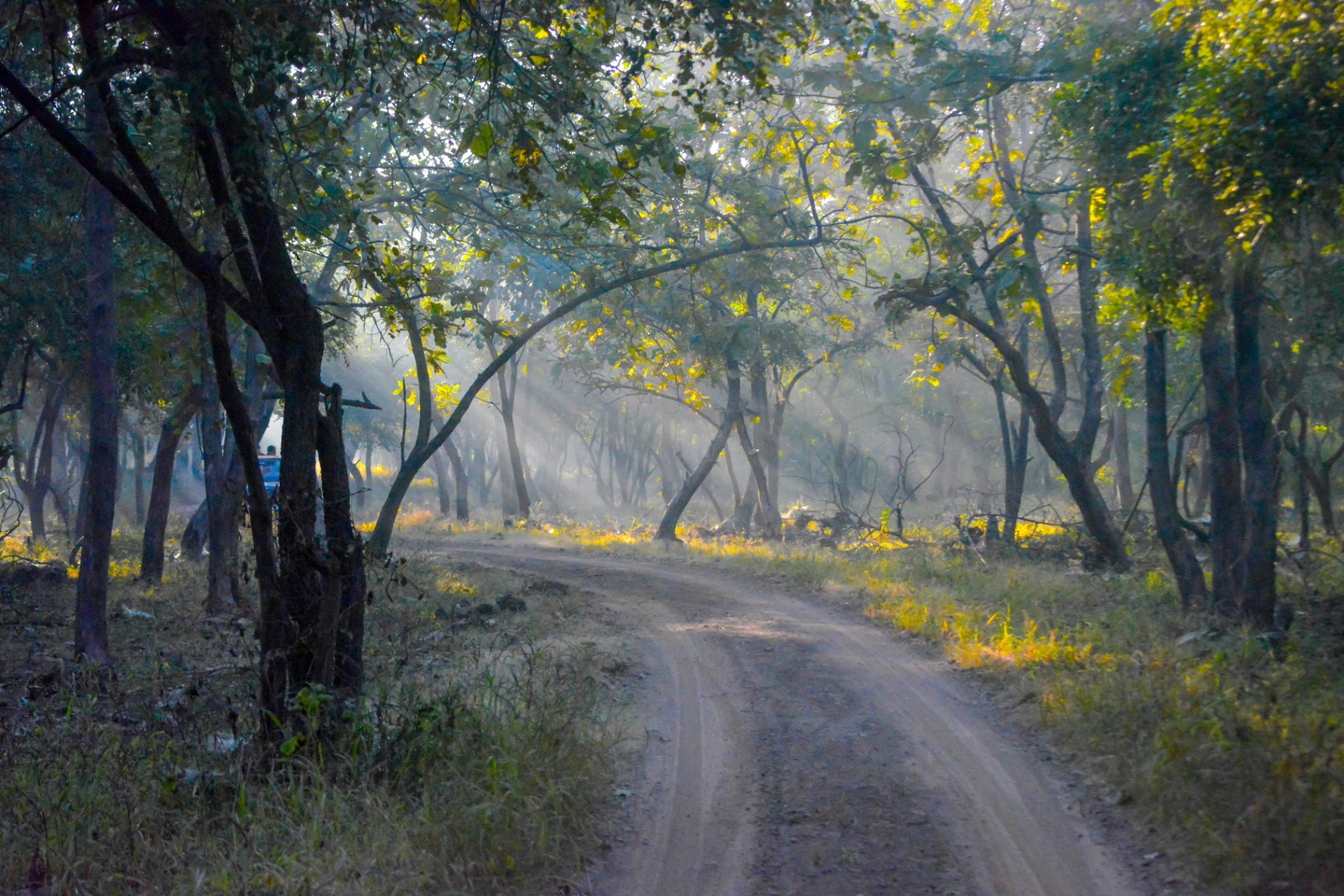
Corbett's tourism zones are Bijrani, Jhirna, Dhikala, Durga Devi and Dhela, with Sitabani on the fringe. Each has its own gate, so the zone you choose shapes your whole trip. Most guests stay around Ramnagar, which is the town closest to the main gates.

We usually suggest two to three nights for a first visit and three to four if you want Dhikala or several zones. Dhikala, set high above the Ramganga, is the classic overnight base and sits inside the forest.

The park was set up in 1936 as Hailey National Park, later renamed after the hunter-turned-conservationist Jim Corbett. In 1973 it was the first reserve to be brought under Project Tiger. Corbett's stories of the Champawat tigress and other man-eaters of Kumaon are what first put the area on the map for many travellers.

1,288

sq. km reserve

1 + 1

Core + Buffer zones

1973

Declared National Park

Jim Corbett Safari Packages

My Jungle Junction's Bestselling Jim Corbett Safari Packages

We plan Corbett itineraries around the zone calendar rather than a fixed template. That means matching your dates to the zones that are open, booking permits early, and pairing zones that sit on different sides of the park so you are not repeating the same landscape. Every package includes naturalist-led drives, and we build in a buffer day for the weather or a second chance at a sighting.

How Many Safaris Should You Do in Jim Corbett?

Matching safaris to the time you have

Corbett rewards variety. Each zone has its own terrain, from the open chaurs of Dhikala to the forest roads of Bijrani and the hill-fringe of Jhirna, and a first visit tends to feel richer when you sample more than one. Permits for the popular zones go quickly, so the number of safaris you can actually secure often decides the plan as much as your preference does.

Two safaris is the minimum we recommend, and it works for a short break from Delhi. You will see the habitat and probably elephants, deer and birds, but a tiger is a bonus.

Three safaris is the sweet spot for most guests. Mixing a morning in Bijrani with an afternoon elsewhere, plus a third drive in a different zone, gives you a fair chance and a better feel for the park.

Four to six safaris suits photographers, repeat visitors and anyone who wants the chance to stay at Dhikala. Corbett suits families, first-timers and birders particularly well, but you should accept up front that sightings here are never guaranteed.

Best Safari Zones

Safari Zones in Jim Corbett

Corbett's safari areas are spread around the reserve, and each is entered through its own gate. Bijrani, Jhirna and Dhikala are the best known, with Durga Devi and Dhela offering quieter alternatives. Sitabani lies on the fringes of the reserve and is more of a nature and birding area. The Supreme Court has been tightening rules on tourism in core areas, so some access arrangements and zone categories change from year to year. We confirm the current position with the forest department before we book your permits.

Dhikala Zone

The classic overnight zone above the Ramganga river, with open chaurs, elephants and long views. Day visits and forest stays need advance booking.

Bijrani Zone

Entered near Ramnagar, with varied sal forest and grassland. A reliable choice for first-time visitors.

Jhirna Zone

Open for much of the year, including in the monsoon months, which makes it useful outside the main season.

Durga Devi Zone

A quieter zone at the northern end with hilly forest, river valleys and good birding.

Dhela Zone

A newer buffer-area zone near Ramnagar that is open to tourists and offers a different feel from the older gates.

Sitabani

A forest area on the fringe of the reserve, best known for birding and walks rather than tiger safaris.

How to Reach & When to Visit

How to Reach & Best Time to Visit Jim Corbett

✈️

By Air

Pantnagar is the nearest airport, roughly two hours from Ramnagar. Delhi (about 250 km) is the main gateway for most international and domestic guests.

πŸš†

By Train

Ramnagar railway station is the nearest, with an overnight service from Delhi. Kathgodam and Moradabad are alternatives with onward road transfers.

πŸš—

By Road

Ramnagar is reached from Delhi in about five to six hours via the Delhi-Moradabad highway. Most lodges and gates are within a short drive.

Best Time to Visit Jim Corbett

Corbett's busiest and most comfortable season is winter, but different times of year suit different interests.

πŸ‚
Winter
Nov - Feb

Cool mornings and good chances of birds and elephants. All main zones are open, so permits sell out quickly. Dress warmly for early drives.

β˜€οΈ
Summer
Mar - Jun

Tigers come to waterholes and the river, so sightings tend to improve. Days are hot, and the Dhikala zone closes mid-June.

🌧️
Monsoon
Jul - Sep

Most core zones are shut. Jhirna stays open for much of the year. Greener, quieter, with fewer permits and lower prices.

MJJ Insight : Book Dhikala forest rest-house stays and permits for peak winter weekends several weeks ahead. Staying in Ramnagar rather than further out also saves a long pre-dawn drive to the gate.

The Wildlife of Jim Corbett

Beyond the Tiger: Corbett's Wildlife

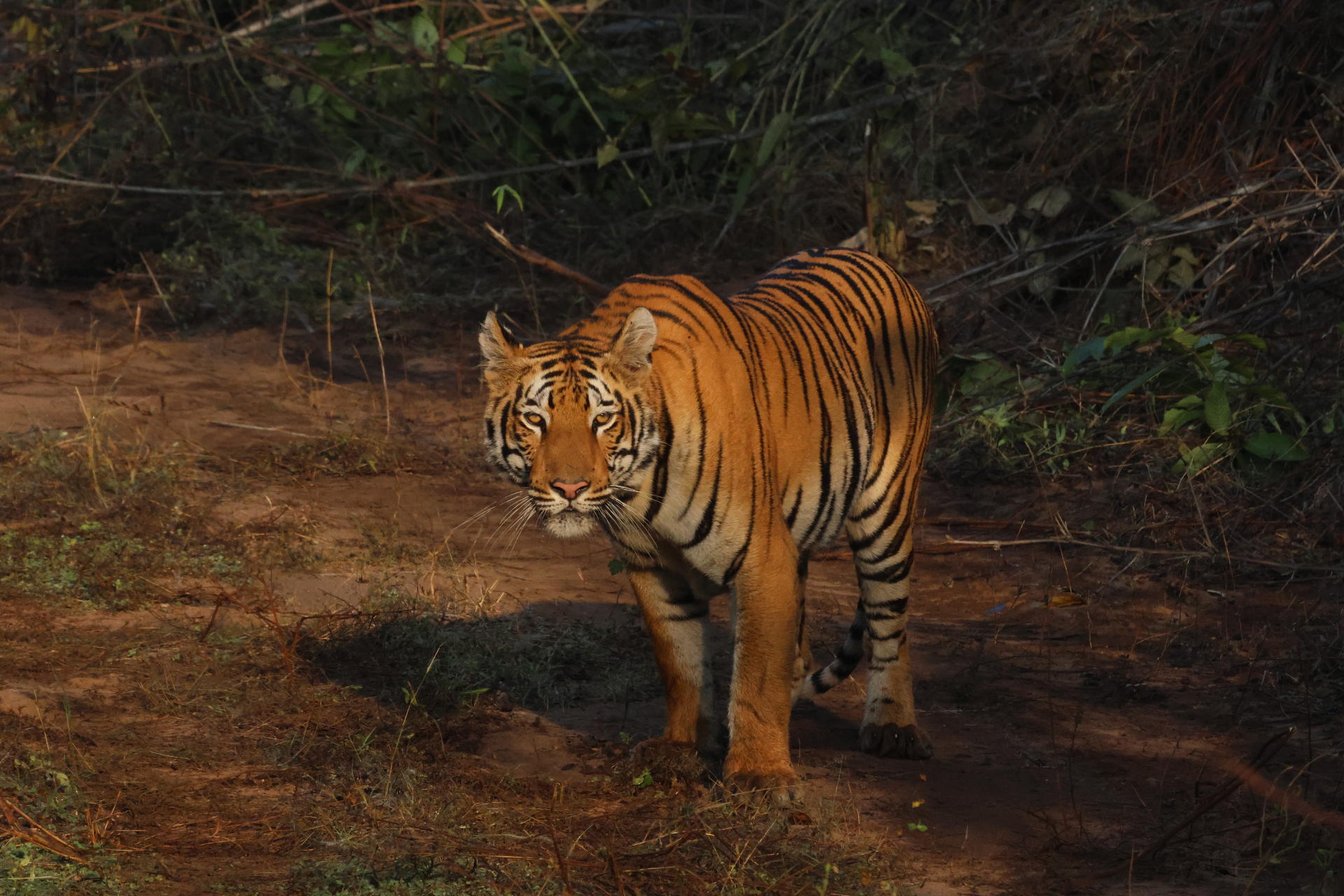
Corbett has a mixed list that goes well beyond tigers. Asian elephants are common around Dhikala and the Ramganga. Leopards, sloth bears, spotted deer, sambar, hog deer, barking deer and wild boar all live in the forest. The Ramganga holds mugger crocodiles and the fish-eating gharial, and you may also see otters. The park is excellent for birds, with more than 600 species recorded, including fish eagles, great hornbills, Himalayan kingfishers and many winter migrants. Pangolins, jungle cats, otters and yellow-throated martens are seen less often but are resident.
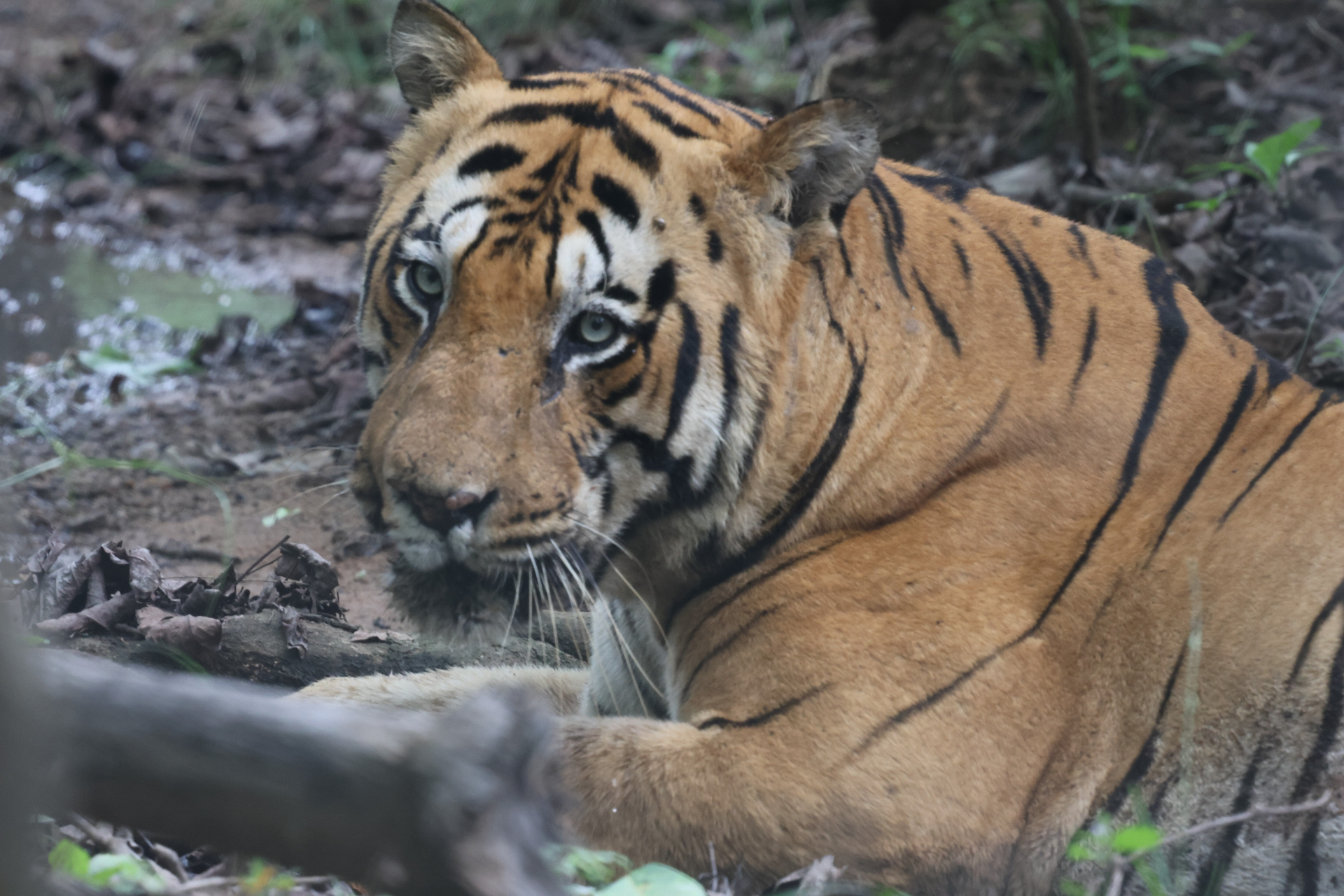
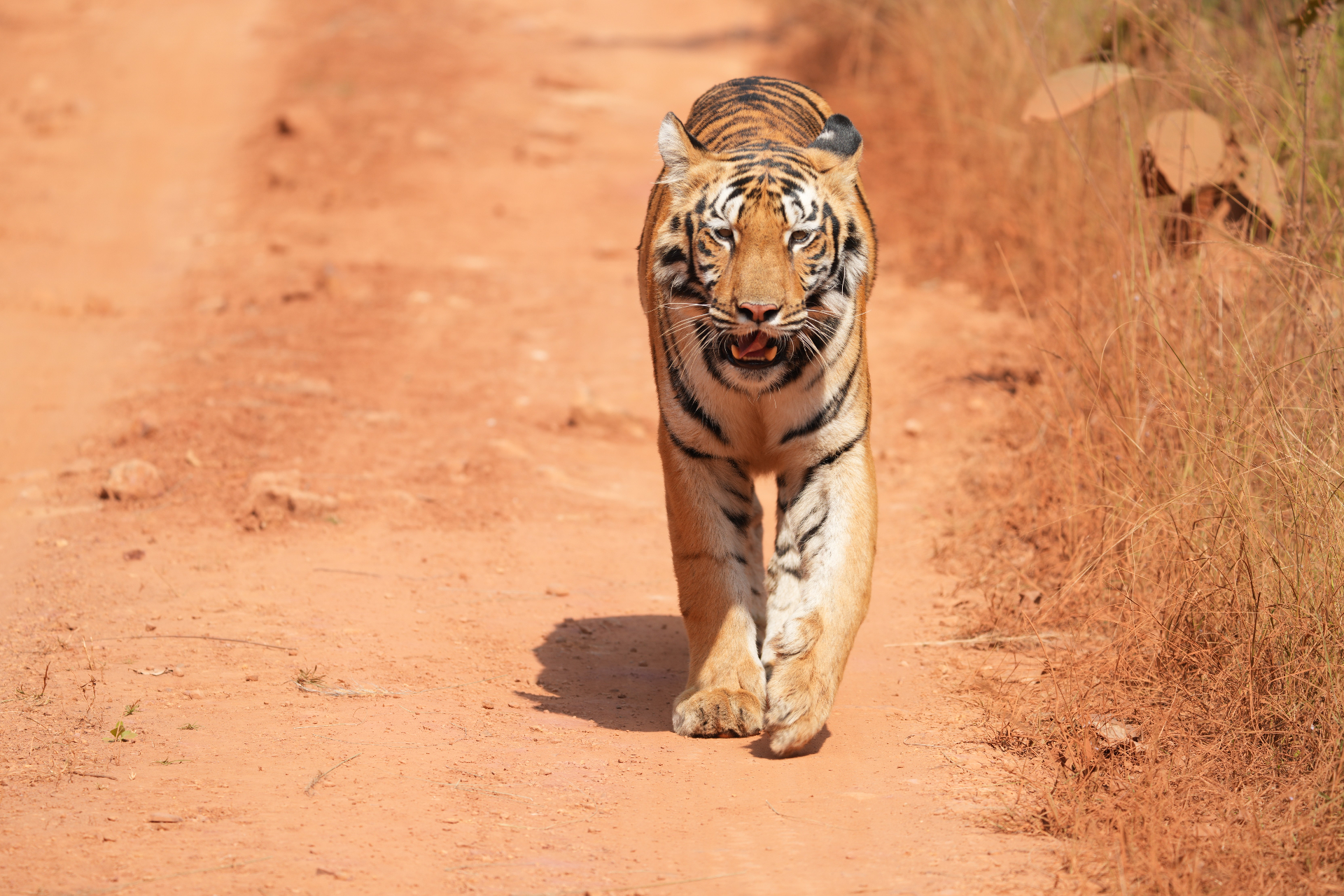
Jim Corbett National Park & Tiger Reserve - wildlife sighting

Famous Tigers of Corbett

Corbett's best-known tigers belong to its history

Corbett's name is tied to tigers, but its most famous ones are from its history rather than its present. The Champawat tigress and the other man-eaters of Kumaon that Jim Corbett hunted became subjects of his books. Today individual tigers are often tracked by the forest department and guides rather than named publicly, so sightings are more about the habitat than celebrity cats.

Champawat Tigress Jim Corbett Dhikala Bijrani Jhirna

The Champawat tigress is the most famous cat associated with the region. She was responsible for a very large number of human deaths in Nepal and Kumaon in the early 1900s, before Jim Corbett shot her in 1907. The story was told in Man-Eaters of Kumaon, and it is the reason the name Corbett is known worldwide.

Corbett later became a strong voice for conservation, and the national park was renamed in his honour. Today Corbett's tigers are protected under Project Tiger and individual animals are monitored through camera traps and field work.

Famous individuals change over time, so we encourage you to ask your guide who has been seen lately in the zone you visit.

Your Stay in Jim Corbett

Your Stay in Jim Corbett

Where to Stay in Jim Corbett

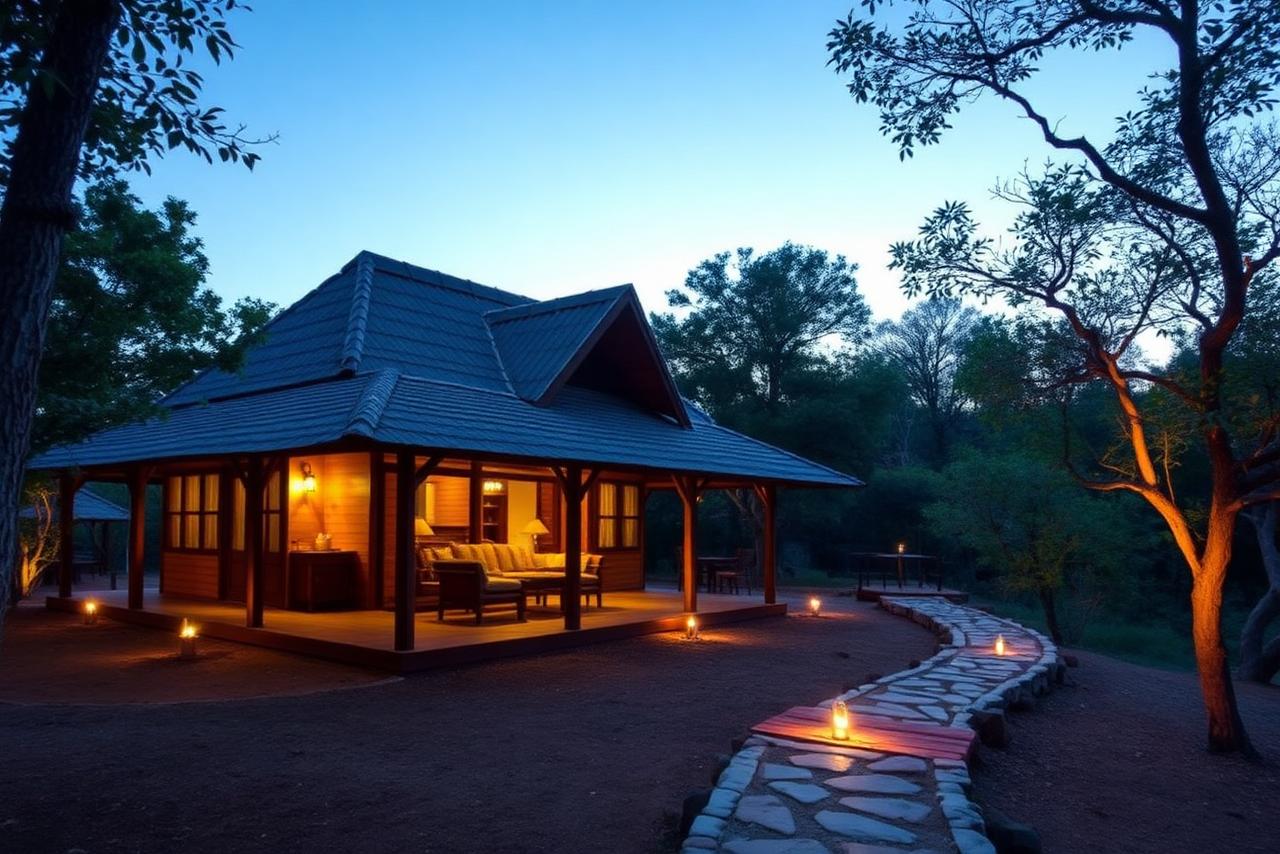
Most guests stay in and around Ramnagar, which is closest to the Bijrani and Jhirna gates, where lodges range from simple to boutique. The Dhela side and the villages along the Ramnagar-Ranikhet road have quieter jungle resorts. Dhikala offers forest-department rest houses inside the park, which is a rare experience but needs advance booking. When choosing, look at distance to your gate, the quality of the naturalists, and how early you must leave for your safari. We match your lodge to the zone you plan to visit.

Plan My Stay

Safari Etiquette

Dos and Don'ts on a Jim Corbett safari

βœ“ Dos

  • βœ“ Keep your voice low inside the forest.
  • βœ“ Listen to your guide and naturalist.
  • βœ“ Respect safari routes and forest regulations.
  • βœ“ Carry water, sun protection and suitable clothing.
  • βœ“ Keep your camera ready without disturbing wildlife.

βœ• Don'ts

  • βœ• Ask the driver to break rules.
  • βœ• Request a driver to block an animal's movement.
  • βœ• Feed wildlife.
  • βœ• Throw anything from the vehicle.

Why Should You Visit Jim Corbett

The park that started India's tiger story

Corbett is a place of real history. It is the oldest national park in India, and the first reserve brought under Project Tiger in 1973. Jim Corbett's books about the man-eaters of Kumaon helped many people understand the tiger as an animal needing protection rather than only a threat. Today the park offers a full range of habitats, from river and grassland to hill forest, within a day's travel of Delhi. It suits first-time safari-goers who want to experience a real forest, and it is a good base for travellers wanting to combine a safari with the Himalayan foothills at Nainital and Ranikhet.

Plan My Safari

FAQs

Frequently asked questions about Jim Corbett

Get a Callback WhatsApp Us
βœ“ Request sent! We'll be in touch soon.