My Jungle Junction
Where the Western and Eastern Ghats meet, BRT offers quiet jeep safaris through hill forest with tigers, elephants and gaur, far from the crowds of Karnataka's better-known parks.
My Jungle Junction's Guide to BRT Tiger Reserve
575
sq. km reserve
1 + 1
Core + Buffer zones
2011
Declared National Park
BRT Safari Packages
We plan BRT itineraries around the way the park actually works, not a generic template. Because only a limited number of safari slots run each day, we confirm accommodation and safari timing together before anything else. Amit and the team book permits and vehicles early, choose lodges for the gate you will use, and can combine BRT with Nagarhole, Bandipur or Kabini so the trip has a sensible rhythm. Tell us your dates and group, and we will build around them.
How Many Safaris Should You Do in BRT?
BRT is not a park where you need to cram in six rides. Sightings come from patience and variety rather than volume, and the reserve runs on a limited number of jeep slots each day. Most of our guests do one morning and one afternoon safari per night, usually over two or three nights, and spend the gaps on bird walks and the surrounding hills.
Best Safari Zones
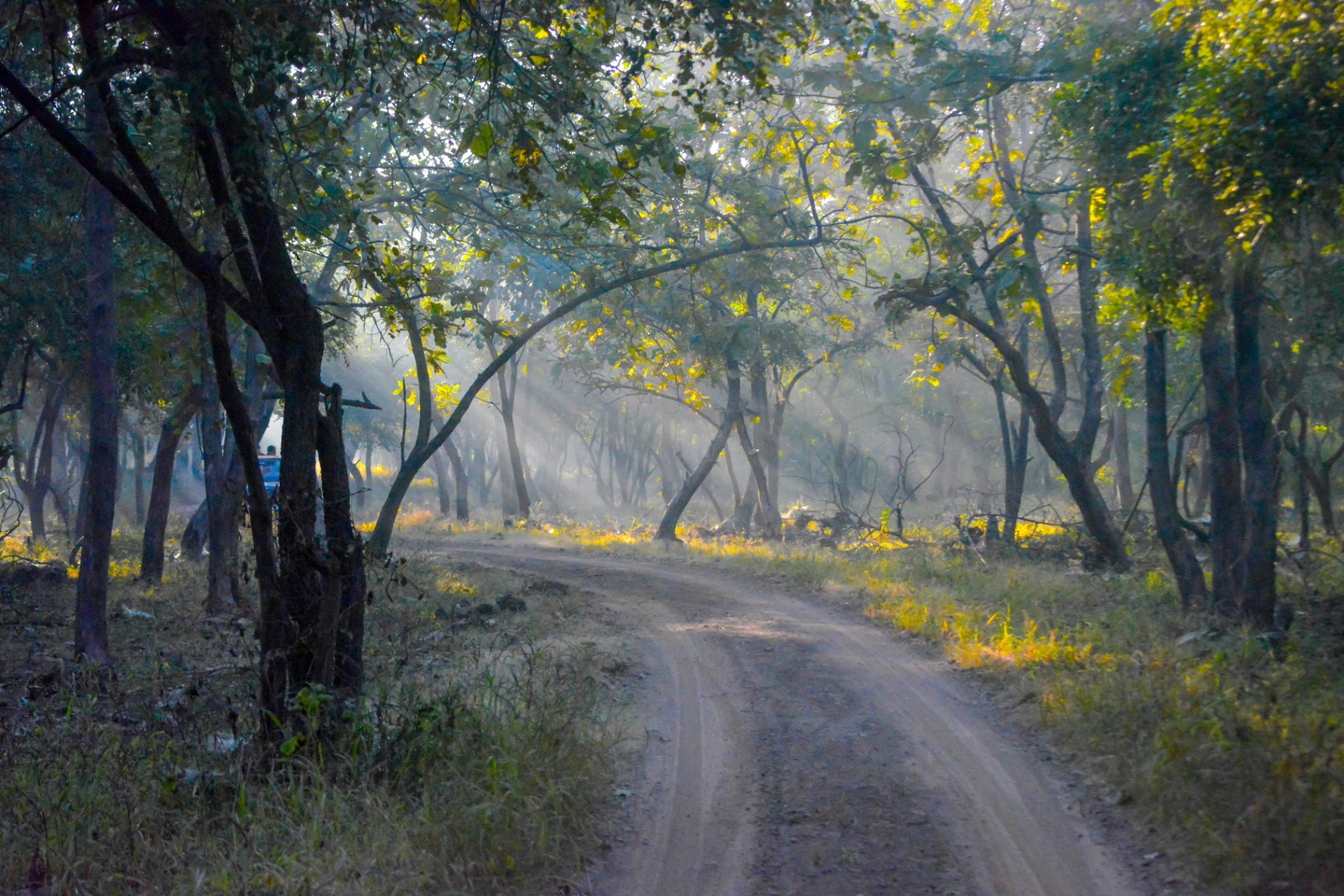
BRT Tiger Reserve covers roughly 575 square kilometres, with a core and a buffer, and spreads across Chamarajanagar district. Tourism is concentrated rather than spread across numbered zones: most visitors enter through the K Gudi side, where the forest department and Jungle Lodges and Resorts run jeep safaris on set routes. Other parts of the reserve are not open for general safaris. We confirm the current routes and timings at the time of booking, because they are set by the forest department and can change.
The principal safari base in BRT. Morning and afternoon jeep safaris run from here along forest-department routes.
The reserve's critical habitat of about 359 sq km, where access is controlled and routes are set by the forest department.
About 216 sq km surrounding the core, with villages, forest and the Soliga settlements.
How to Reach & When to Visit
Bengaluru (Kempegowda) is the practical airport. The K Gudi area is roughly 210 km by road, so allow a long half-day. Mysuru is the other common gateway.
Mysuru and Chamarajanagar are the nearest useful railheads. From either, hire a taxi for the transfer into the hills.
K Gudi is roughly 210 km from Bengaluru via Kanakapura, Malavalli, Kollegala and the Gumballi check-post, and about 30 km from Chamarajanagar. The hill road is narrow in places.
BRT is open for much of the year, and the forest is lush after the rains. Temperatures stay moderate in the hills.
Cool, clear mornings and the most comfortable weather for safaris. Good birdwatching and reliable elephant and gaur sightings.
Dry and warmer, with animals moving to remaining water. A good window for tiger and leopard, but afternoons are hot.
The hills are green and misty. Safaris depend on road and forest-department conditions, and sightings drop with dense foliage. Check before travelling.
MJJ Insight : Book your lodge and safari slots together, well ahead of weekends and holidays. Jeep slots are limited and we confirm them before your flights.
The Wildlife of BRT
BRT's wildlife list is long. Besides tiger and leopard, you may see Asian elephant, gaur, sambar, chital, barking deer, wild boar and the shy four-horned antelope. Sloth bear and dhole are present, and the Indian giant squirrel and grey langur are common along the roadsides. The reserve links the Western and Eastern Ghats, so the bird list includes both hill and plains species, and reptiles and butterflies add interest after the rains. Elephants are the most dependable large animal here, and quiet drivers and guides make a real difference to what you see.
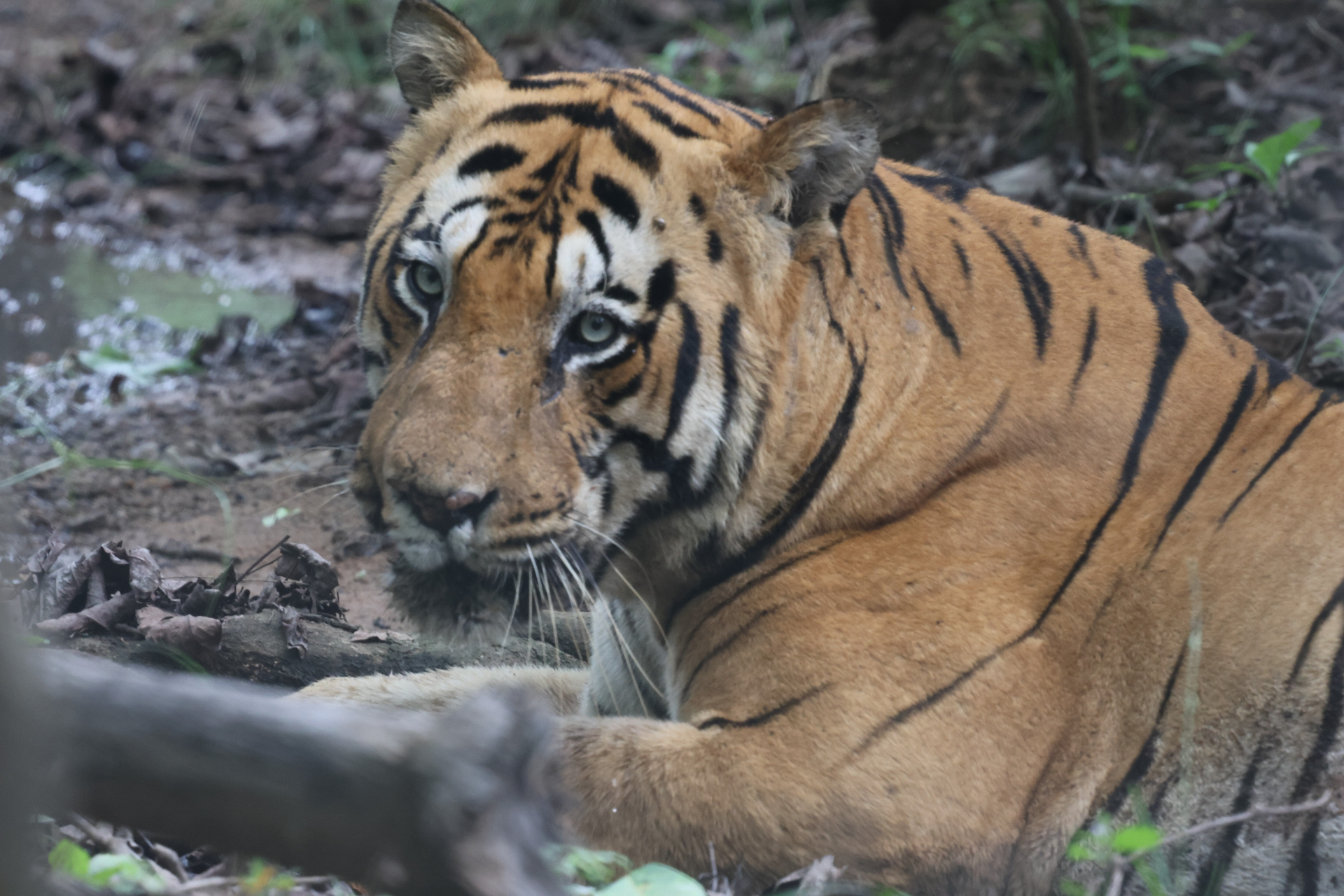
Wildlife Highlights of BRT
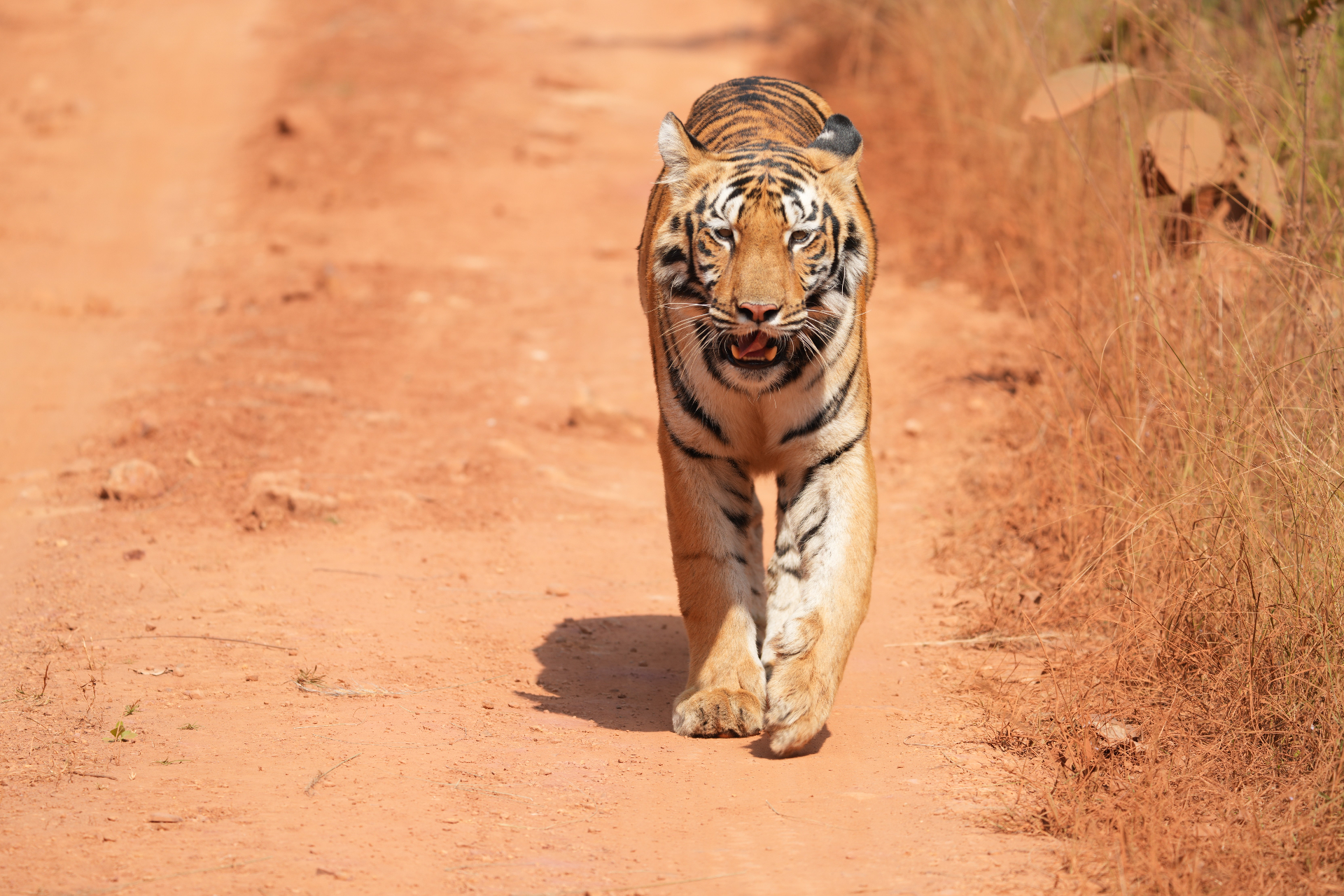
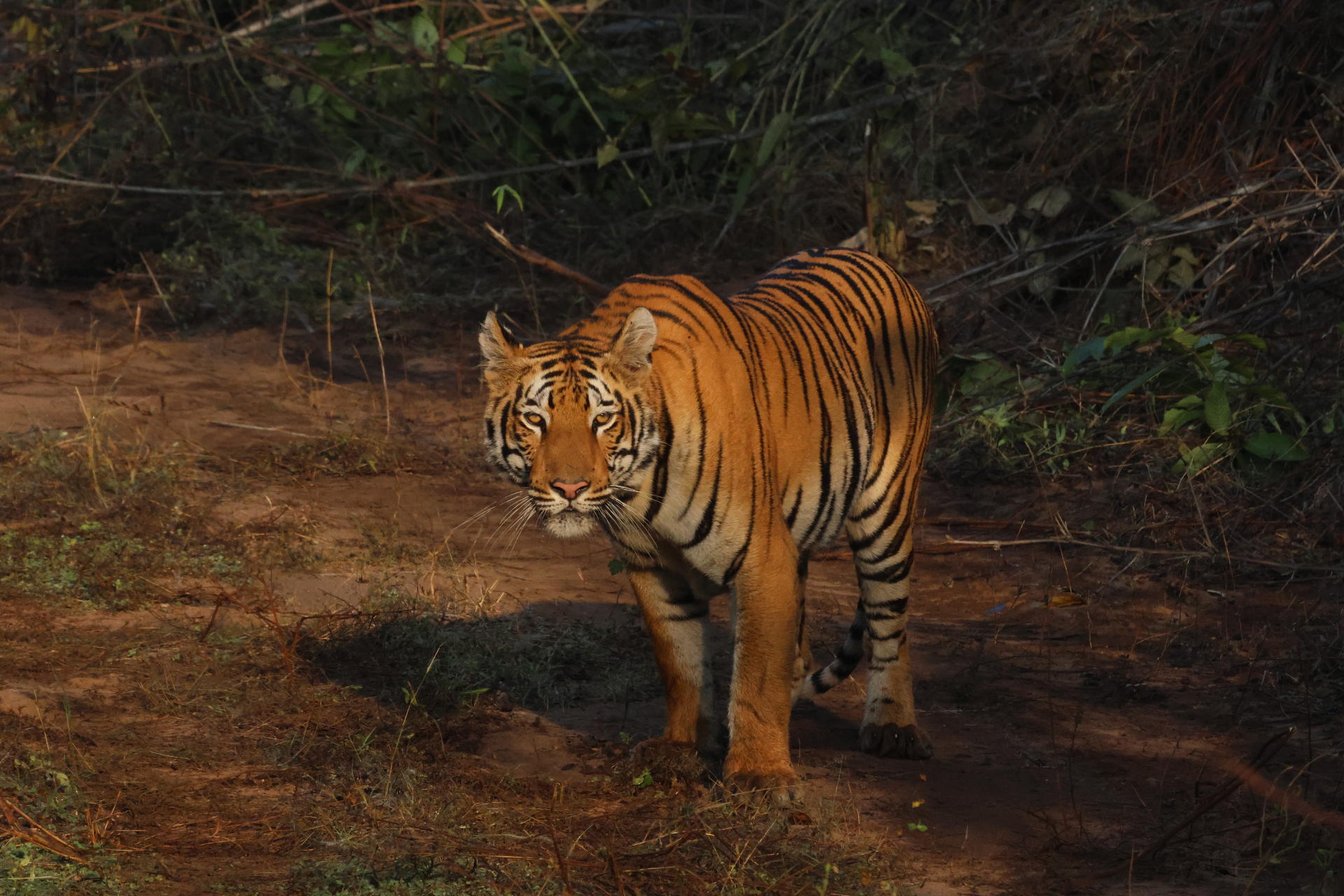
BRT has no named tiger that dominates the guidebooks, and we would rather say that than invent one. Its fame is the landscape itself, the elephant herds and the conservation effort around it, which together make it a reserve worth knowing even without a headline animal. Karnataka declared it a tiger reserve in January 2011, and the Soliga community's role in protecting the hills is widely recognised.
Your Stay in BRT
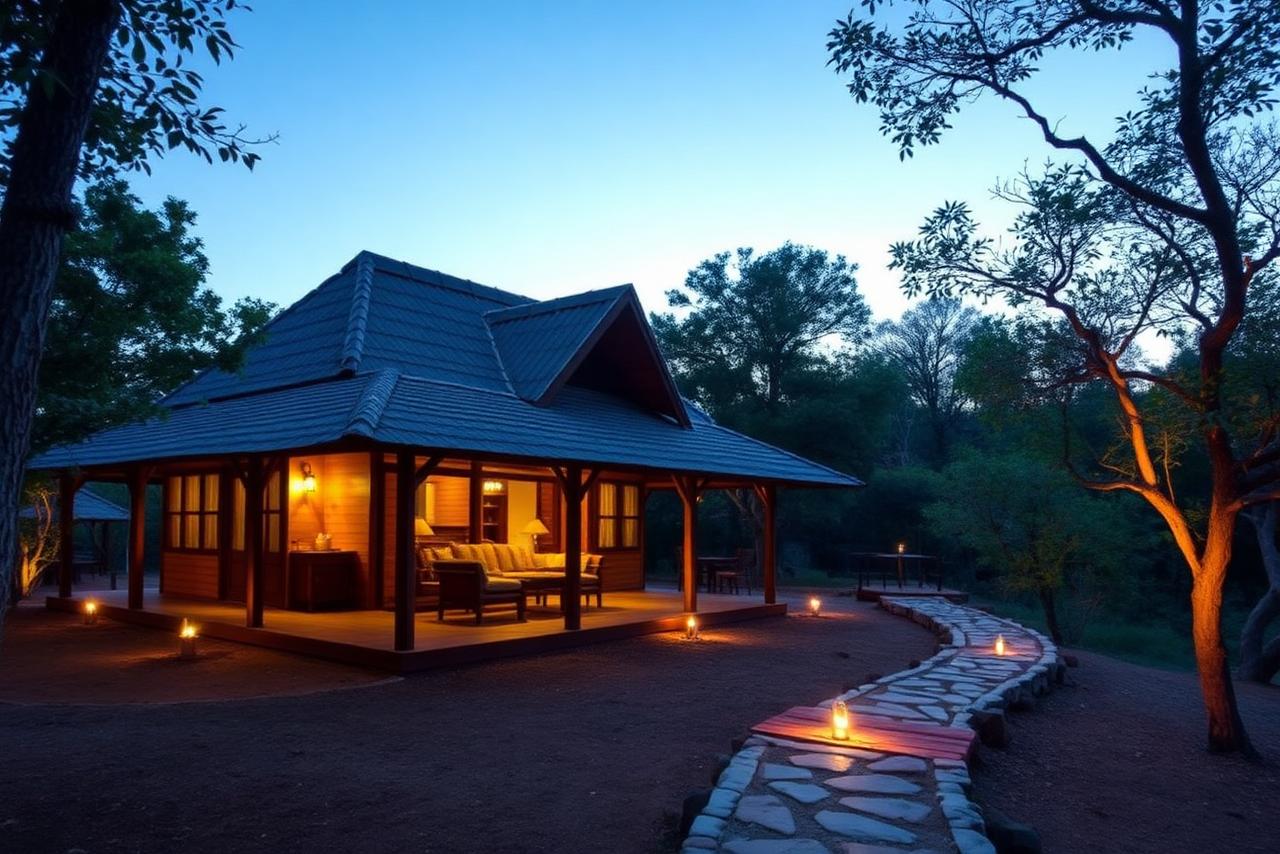
Most visitors stay at the forest-department camp at K Gudi, run with Jungle Lodges and Resorts, which puts you at the safari starting point. Other lodges and homestays are found around BR Hills and in the villages towards Chamarajanagar and Yelandur. Choose by distance to the safari gate, because the hill roads are slow after dark. We recommend booking early for weekends. If you want a different level of comfort, ask us about options in the wider area, and we will match them to your safari timings and budget.
Plan My StaySafari Etiquette
Why Should You Visit BRT
BRT is where you go when you want a tiger reserve without the queue. It is a genuine meeting point of the Western and Eastern Ghats, so the vegetation changes as you climb, and the wildlife follows. Elephants, gaur and sloth bear are regular sightings, and tigers and leopards are present for those who give the forest time. The Soliga people, who have long lived in these hills, add a human dimension to the visit that you rarely find elsewhere. It also fits easily into a longer southern route with Bandipur, Nagarhole or Kerala's reserves.
Plan My SafariFAQs
Share your details and we'll call you at your preferred time.