My Jungle Junction

Valmiki Tiger Reserve

Bihar's only tiger reserve, where Himalayan foothills meet the Terai on the Nepal border. Valmiki has a rising tiger population, a lightly visited feel and a very different landscape from Central India.

15+ years of travel experience
Hosted by Amit (MJJ)

Plan Your Safari

Talk to a wildlife specialist.

By submitting, you agree to be contacted by My Jungle Junction.

By submitting, you agree to our Cancellation & Refund Policy and Privacy Policy.

Scroll

Plan Your Safari

Talk to a wildlife specialist.

By submitting, you agree to be contacted by My Jungle Junction.

By submitting, you agree to our Cancellation & Refund Policy and Privacy Policy.

My Jungle Junction's Guide to Valmiki Tiger Reserve

The Valmiki Tiger Safari Experience

Valmiki Tiger Reserve covers about 899 sq km, according to NTCA, with roughly 599 sq km core and 301 sq km buffer. It was declared in 1990, and the 2022 count recorded 54 tigers, with Bihar officials noting that the reserve is approaching capacity.

The headquarters are at Valmikinagar, in West Champaran. Gonauli and Madanpur are other points of access. Madanpur has good tiger habitat but is separated from the main block. Jeep safaris run in the early morning and the afternoon, with forest guides.

We suggest two to three nights, and note that visitor facilities are simple. The reserve is also known for its large forest areas, rivers and hillside temples. Check access with us before you travel. Your naturalist will help you read the landscape, and we will brief you on rules, timings and what to pack before you leave.

899

sq. km reserve

1 + 1

Core + Buffer zones

1990

Declared National Park

Valmiki Safari Packages

My Jungle Junction's Bestselling Valmiki Safari Packages

Amit and the My Jungle Junction team plan every Valmiki itinerary around the way the reserve actually works: which gates are open, how far lodges sit from the entry points, and how many days you need before the landscape starts to give things up. We handle permits, vehicle bookings, naturalist guides and transfers from the nearest airport or station, and we build in spare time so a closed gate or a wet road does not cost you a safari.

How Many Safaris Should You Do in Valmiki?

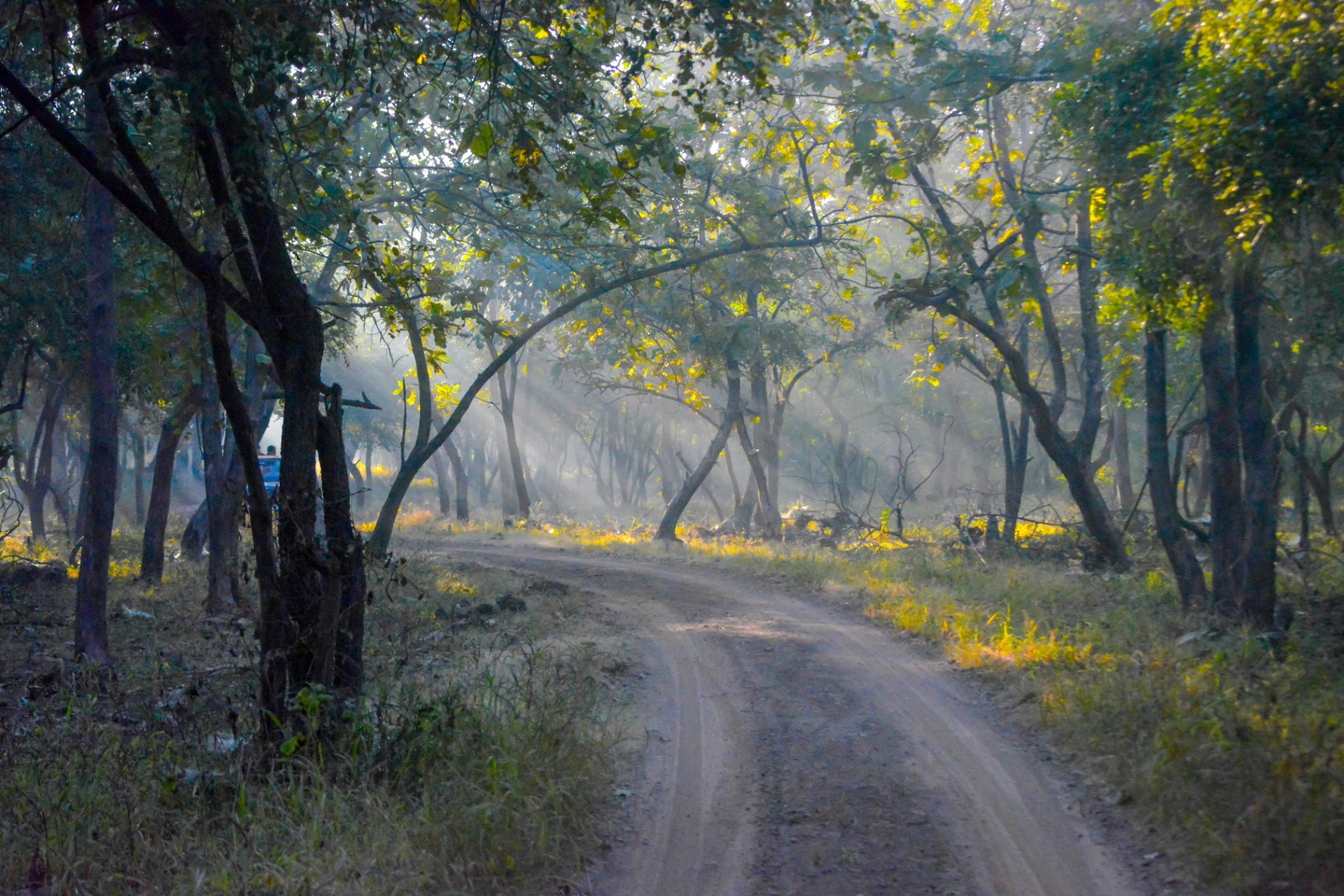
Jeep drives through sal forest and river belts

Valmiki offers morning and afternoon jeep safaris with forest guides, and early drives tend to be best for tigers. Tourism is lightly managed, so routes and permits change by year. We usually plan three to four safaris over two or three nights, and confirm routes, vehicles and entry before you travel. Tell us your dates and fitness level and we will shape the plan.

Two safaris give you a first look at the forest and the Gandak edge, and are enough for a short break. Tiger sightings are possible but not guaranteed.

Three or four safaris over two nights give you a more realistic chance of tiger, leopard, sambar and other wildlife, and let you try different routes and times. This is our standard recommendation.

Five or six safaris over three or four nights suit committed wildlife travellers who want a quiet park and are willing to put in time. Valmiki suits those who enjoy the process and the landscape. If you need a high chance of a sighting, a busier Central Indian park may be better.

Best Safari Zones

Safari Zones in Valmiki

Valmiki does not use a numbered zone system like Ranthambore or Bandhavgarh. Tourism is centred on Valmikinagar, where the reserve's headquarters, Gandak barrage area and main jeep safari routes are found. Gonauli, on the Nepal border side, and Madanpur are other points of access, though facilities and routes there are more limited. Individual routes and ranges are managed by the forest department and may change from year to year, so we confirm what is open and book your entry and vehicle ahead of arrival.

Valmikinagar

Headquarters of the reserve and main base for jeep safaris, with forest-department facilities.

Gonauli

Access point on the Nepal border side, used for forest drives and as a transit town.

Madanpur

Range with good tiger habitat, separated from the main block. Tourism access is limited.

Gandak River Belt

River and grassland stretches along the Gandak, good for birds, deer and elephants.

How to Reach & When to Visit

How to Reach & Best Time to Visit Valmiki

✈️

By Air

Gorakhpur is the nearest convenient airport, with Patna as the main hub. Both involve a road transfer of several hours to Valmikinagar.

πŸš†

By Train

Narkatiaganj is the closest main railhead, and Bettiah is also close. From either, take a road transfer to Valmikinagar.

πŸš—

By Road

Valmikinagar is in West Champaran, reached via Bettiah and Narkatiaganj by state highway. Roads are fair, so allow plenty of time. We arrange a private vehicle and driver.

Best Time to Visit Valmiki

Winter and early summer are best; the monsoon closes the reserve.

πŸ‚
Winter
Oct - Feb

Cool, clear and comfortable. Best for jeep safaris and birdwatching, and the main visitor season.

β˜€οΈ
Summer
Mar - Jun

Hot and dry, with animals gathering near water. Sightings can improve, but dress for serious heat.

🌧️
Monsoon
Jul - Sep

Heavy rain and flooding. The reserve is generally closed to visitors, and we do not plan trips in this season.

MJJ Insight : Valmiki is lightly visited and facilities are basic, so book your safari and stay early and confirm the road route with us. Keep a buffer day for rain or closures, especially in the shoulder months.

The Wildlife of Valmiki

Beyond the Tiger: Valmiki's Wildlife

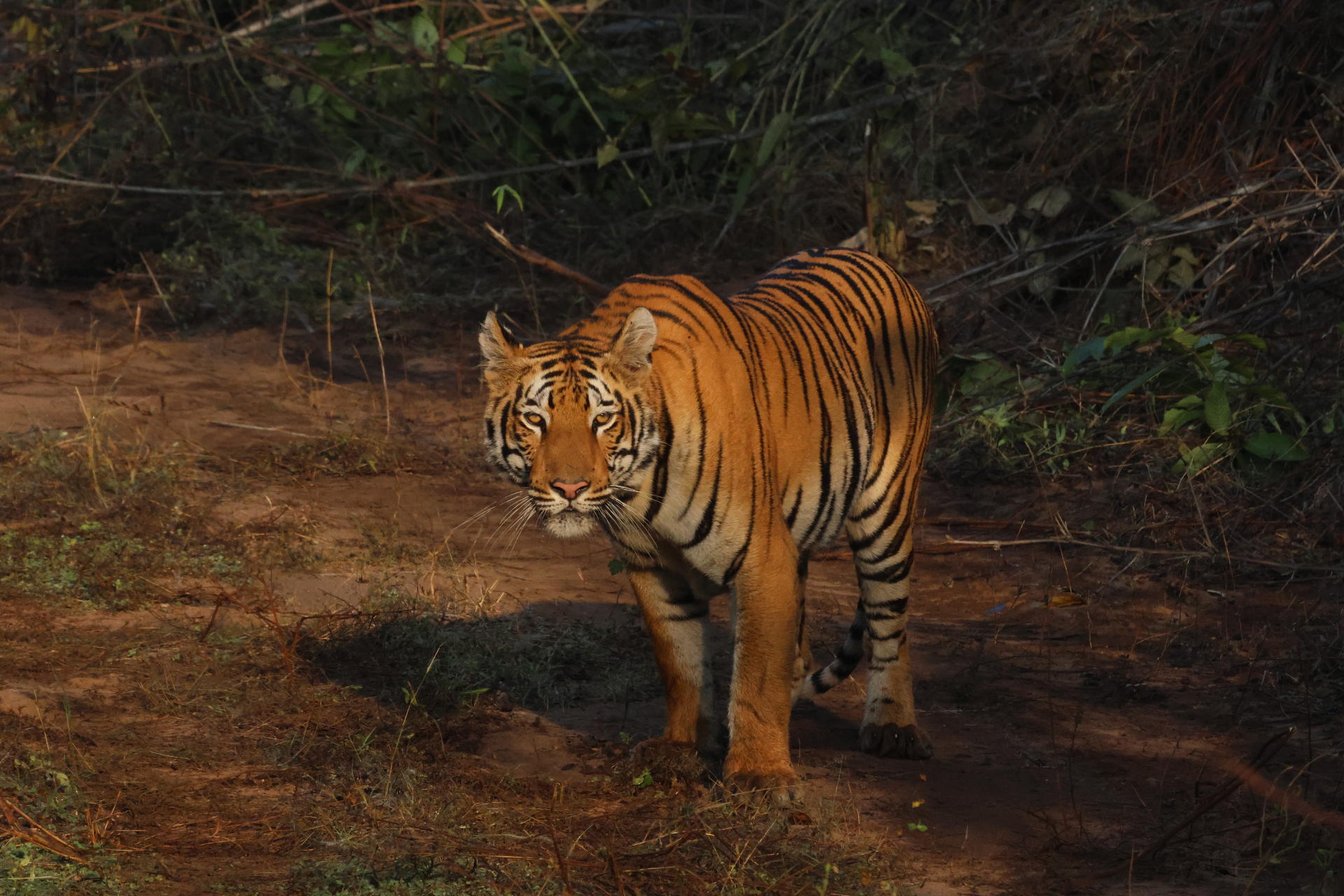
Valmiki's main attraction is the tiger, but the reserve also supports leopard, sloth bear, Asian elephant, dhole, hyena, wild boar and several deer, including sambar, chital, hog deer and barking deer. The Gandak and its tributaries bring gharial, mugger and various turtles, and Gangetic dolphin have been reported in the river system. Birdwatchers can find great hornbill, peafowl, kalij pheasant, many raptors and waterbirds, and the Terai grasslands add species such as Bengal florican in some seasons. The mix of forest, grass and river keeps each drive interesting.
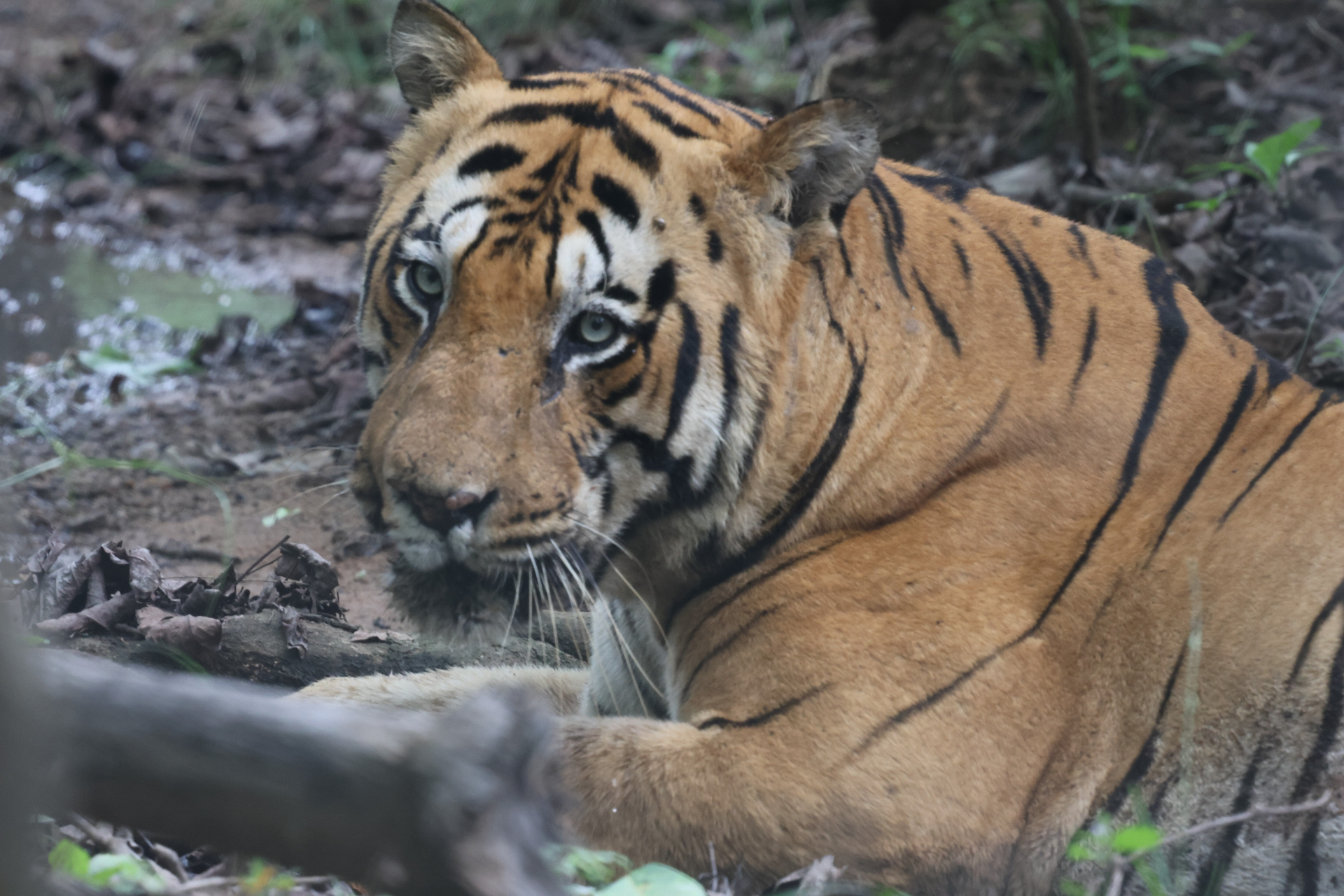
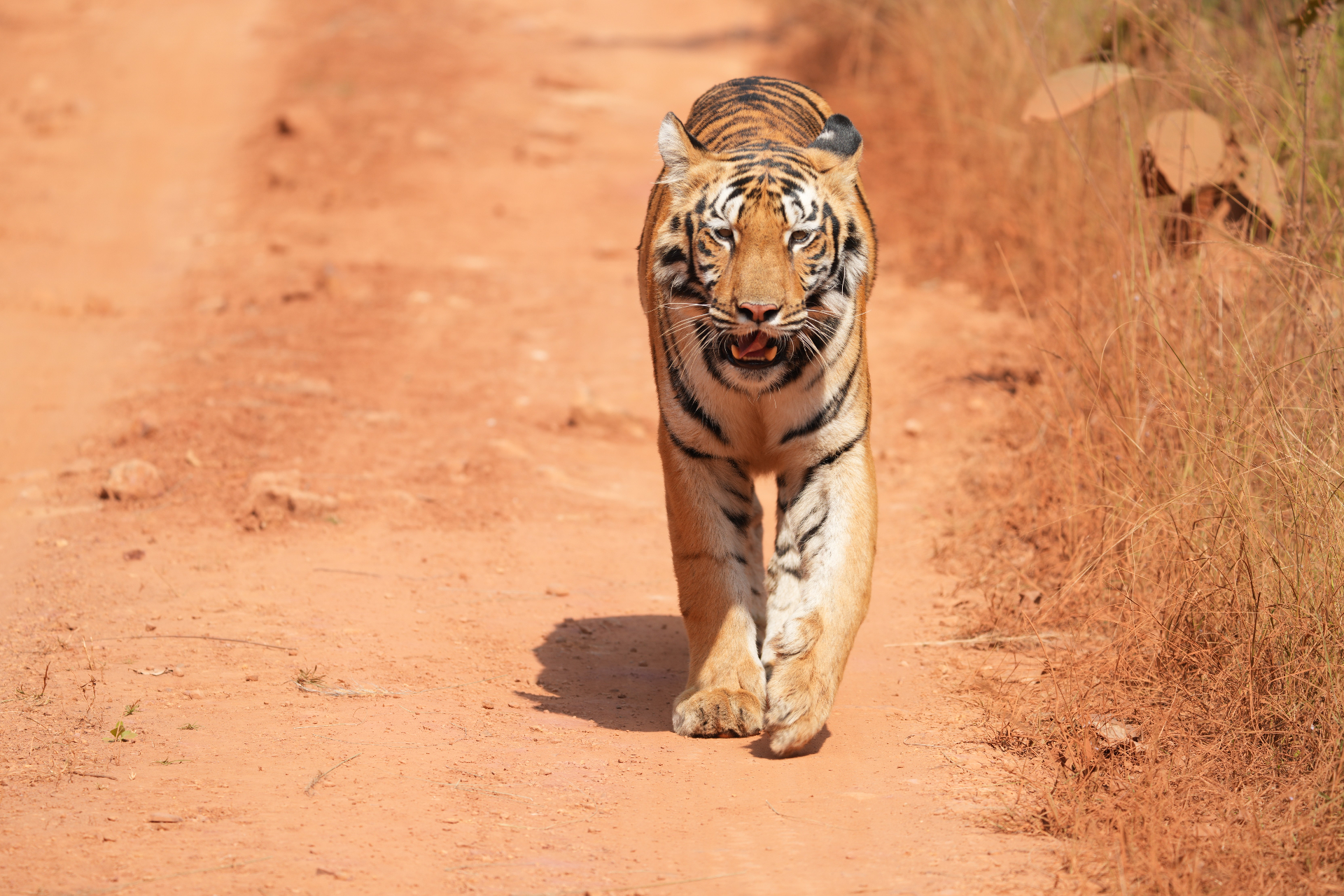
Valmiki Tiger Reserve - wildlife sighting

Tigers and Conservation at Valmiki

From single digits to over fifty tigers

Valmiki has no widely followed named tigers, but it has a strong recovery story. The tiger population grew from about eight in 2010 to 54 in the 2022 census, and Bihar's forest department has discussed relocating some animals. Ask your naturalist about recent camera-trap news, sightings and pugmarks, because that is where the real stories of this reserve are told.

Valmikinagar Gandak Gonauli Madanpur Terai

Valmiki's tigers are not known by name to visitors, but the numbers speak for themselves. The 2010 estimate was about eight tigers, and the 2022 census recorded 54. Reports also suggest a new count may be released in 2026, so ask your guide for the latest.

The recovery is credited to better protection, community cooperation and habitat management. Because the reserve is now approaching capacity, officials have talked about relocating some tigers to other areas.

The Madanpur range has good habitat but is separated from the main block, which adds to the conservation challenge. Your naturalist can share the latest news from the reserve and what recent surveys have found.

Your Stay in Valmiki

Your Stay in Valmiki

Where to Stay in Valmiki

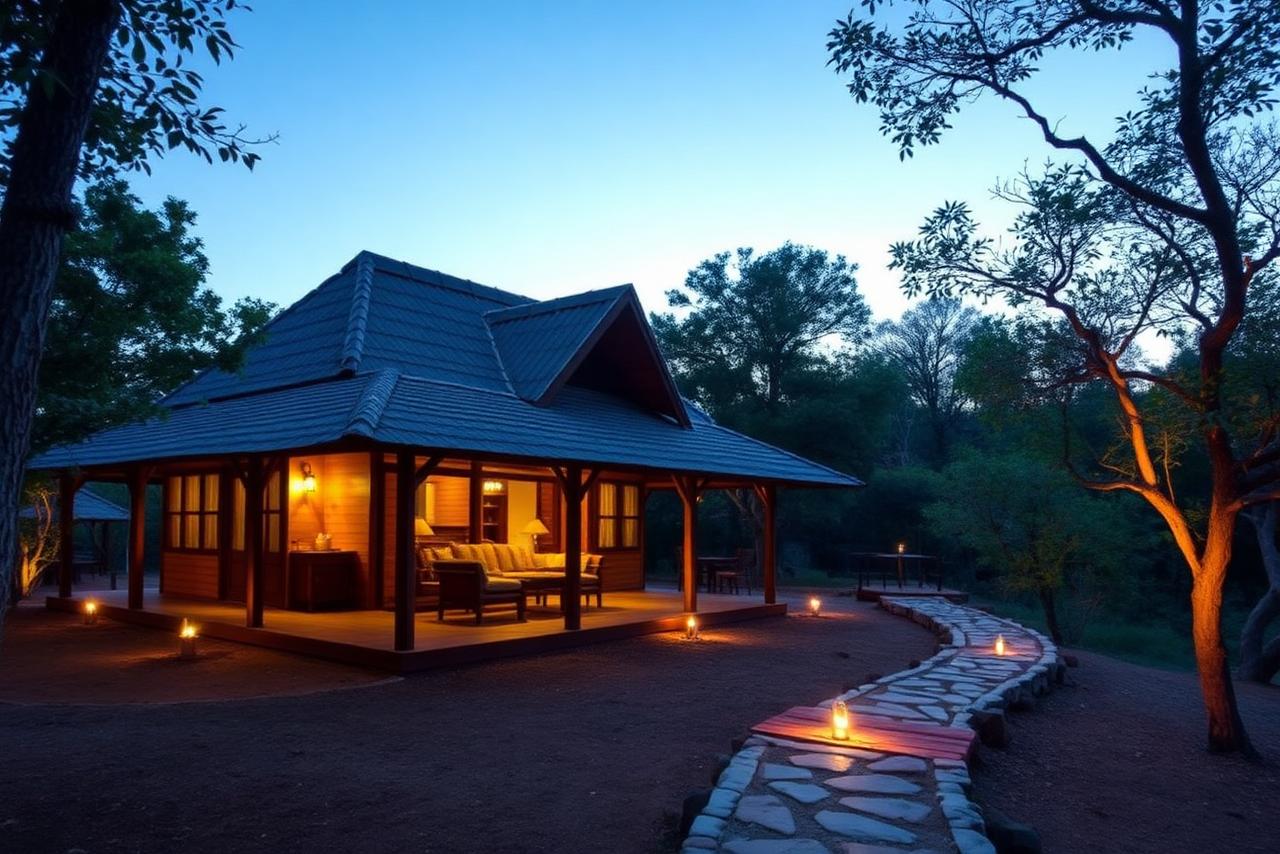
Valmikinagar is the practical base, with a forest-department guest house, a few private lodges and government facilities close to the reserve. Gonauli and Bettiah offer more hotels for a transit night. Choose by distance from the safari gate, the comfort you need and whether you want to explore nearby temples and the Gandak. Accommodation is simpler than at the major Central Indian parks, so expect modest rooms and local food. We confirm availability and book the stay for you, and can combine it with Patna, Gorakhpur or nearby parks.

Plan My Stay

Safari Etiquette

Dos and Don'ts on a Valmiki safari

βœ“ Dos

  • βœ“ Keep your voice low inside the forest.
  • βœ“ Listen to your guide and naturalist.
  • βœ“ Respect safari routes and forest regulations.
  • βœ“ Carry water, sun protection and suitable clothing.
  • βœ“ Keep your camera ready without disturbing wildlife.

βœ• Don'ts

  • βœ• Ask the driver to break rules.
  • βœ• Request a driver to block an animal's movement.
  • βœ• Feed wildlife.
  • βœ• Throw anything from the vehicle.

Why Should You Visit Valmiki

Bihar's only tiger reserve and a conservation success

Valmiki is Bihar's only tiger reserve, and its tiger numbers have risen from fewer than ten in 2010 to over fifty in the 2022 census. That recovery makes it one of the more encouraging stories in India's Terai region. The landscape is different from the Central Indian forests, with sal, grassland, hills and the Gandak river on the Nepal border, and it feels uncrowded. Visiting also supports local communities. It suits travellers who want a new destination, enjoy quiet jeep drives and are comfortable with simple facilities. Pair it with Patna, Bodh Gaya or a Nepal visit for a different kind of trip.

Plan My Safari

FAQs

Frequently asked questions about Valmiki

Get a Callback WhatsApp Us
βœ“ Request sent! We'll be in touch soon.