My Jungle Junction

Sunderbans National Park & Tiger Reserve

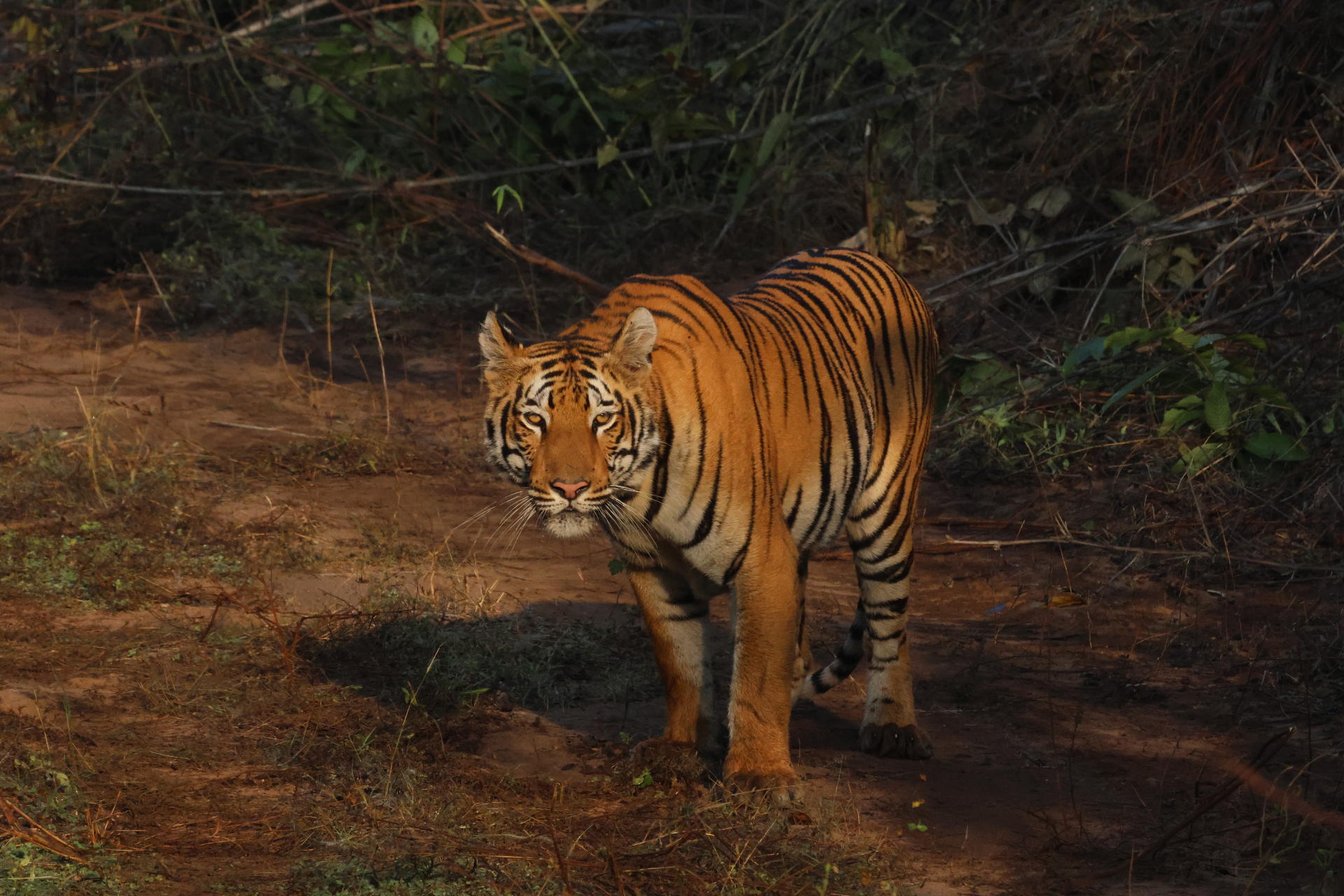
The Sunderbans is the world's largest mangrove delta, where Royal Bengal tigers swim between tidal islands. You explore by boat, through narrow creeks and past watchtowers, in a safari unlike any other in India.

15+ years of travel experience
Hosted by Amit (MJJ)

Plan Your Safari

Talk to a wildlife specialist.

By submitting, you agree to be contacted by My Jungle Junction.

By submitting, you agree to our Cancellation & Refund Policy and Privacy Policy.

Scroll

Plan Your Safari

Talk to a wildlife specialist.

By submitting, you agree to be contacted by My Jungle Junction.

By submitting, you agree to our Cancellation & Refund Policy and Privacy Policy.

My Jungle Junction's Guide to Sunderbans Tiger Reserve

The Sunderbans Tiger Safari Experience

Boat safaris in the Sunderbans are based around a handful of tourism sites, including Sajnekhali, Sudhanyakhali, Dobanki and Netidhopani, each with a watchtower or walkway. Sajnekhali is the main visitor centre, with a museum and crocodile enclosures. Most packages are run by boat from Gosaba or nearby jetties and include a night on a boat or a lodge.

We usually plan two nights and three days, which gives you a full day of cruising on each of two days. A single night is possible but rushed, since it takes time to reach the jetties.

The Sunderbans Tiger Reserve was created in 1973 under Project Tiger, and the wider delta has been recognised as a UNESCO World Heritage Site. The mangrove forest is shared with Bangladesh, and the Indian side covers about 2,585 square kilometres within the reserve.

2,585

sq. km reserve

1 + 1

Core + Buffer zones

1973

Declared National Park

Sunderbans Safari Packages

My Jungle Junction's Bestselling Sunderbans Safari Packages

Sunderbans trips depend on tide, weather and permits, so we plan each itinerary around those. We arrange the transfer from Kolkata, entry permits, a boat with an experienced guide and a stay on land or on the water. We choose routes by tide times, and we keep a spare day in the plan where possible. Everything is explained in advance so you know exactly what to expect.

How Many Boat Safaris Should You Do in Sunderbans?

Two days on the water works best

Sunderbans trips are measured in days on the boat rather than individual safaris. Each cruise covers different creeks and watchtowers, and the tide determines where you can go. A single day gives a taste, two days give a proper chance of seeing wildlife, and a longer stay allows you to cover more islands. Tigers are rarely seen, and we are open about that.

A one-day trip from Kolkata is the minimum. It gives you a boat ride and a visit to Sajnekhali, but most of the time goes on transfers and you will see little of the deeper creeks.

Two nights and three days is the sweet spot. You get two or three cruises through different channels and time at watchtowers such as Sudhanyakhali and Dobanki.

Three or more nights suits photographers and keen birders, and gives you a better chance at seeing a tiger or rarer wildlife. The Sunderbans suits families, birdwatchers and travellers who enjoy scenery and a quieter pace. Anyone whose only goal is a tiger sighting should know that this is one of the hardest places in India to see one.

Best Safari Zones

Boat Safari Areas in Sunderbans

The Sunderbans is explored by boat rather than through gates or numbered zones. Tourism takes place at a small number of sites and along permitted channels, each with a watchtower, walkway or both. Sajnekhali is the main visitor hub, with a museum and interpretation centre. Sudhanyakhali, Dobanki and Netidhopani are among the best-known watchtower sites, with Dobanki known for its canopy walk. Entry requires a permit, which is organised through the forest department. Routes depend on tide and weather, so we confirm the plan with the boat team on the day.

Sajnekhali

The main visitor centre, with a museum, watchtower, crocodile enclosure and mangrove interpretation area.

Sudhanyakhali

A watchtower site known for deer, birds and the occasional lucky tiger sighting.

Dobanki

Known for its canopy walk, which gives a view into the mangrove forest and river.

Netidhopani

A watchtower site in the deeper forest, with the ruins of an old temple nearby.

How to Reach & When to Visit

How to Reach & Best Time to Visit Sunderbans

✈️

By Air

Kolkata's Netaji Subhas Chandra Bose Airport is the nearest, with good domestic and international links. The jetty is a few hours' drive away.

πŸš†

By Train

Canning is the closest railhead for the usual routes, connected to Kolkata's Sealdah station. Road transfers continue from there to the jetty.

πŸš—

By Road

The drive from Kolkata to Godkhali jetty takes around three to four hours, depending on traffic. We arrange transfers from Kolkata hotels.

Best Time to Visit Sunderbans

Winter is the best season, with calm weather, good birding and comfortable temperatures on the water.

πŸ‚
Winter
Nov - Feb

The best season. Mild weather, clear skies and abundant migratory birds, which makes for comfortable cruises. Book early.

β˜€οΈ
Summer
Mar - Jun

Hot and humid, but tigers sometimes come to the water's edge. Cyclones can occur in late spring, so keep dates flexible.

🌧️
Monsoon
Jul - Sep

Heavy rain, rough water and cyclone risk. Boat trips are often limited or suspended. We do not recommend this season.

MJJ Insight : Permits and boats must be arranged in advance, and the tide decides your route. Book with enough lead time, and choose a boat with an experienced local guide who knows the creeks.

The Wildlife of the Sunderbans

Beyond the Tiger: Sunderbans Wildlife

The Sunderbans is home to Royal Bengal tigers, but you are far more likely to see other animals. Estuarine crocodiles bask on mudbanks, and water monitors and chital deer are common along the banks. Wild boar, rhesus macaques, fishing cats and otters live in the mangroves, and Irrawaddy and Ganges river dolphins are sometimes seen in the rivers. Olive ridley turtles are raised at Sajnekhali. The birdlife is superb, with kingfishers, herons, egrets, brahminy kites, white-bellied sea eagles and many migratory waders in winter, so keep your binoculars close.
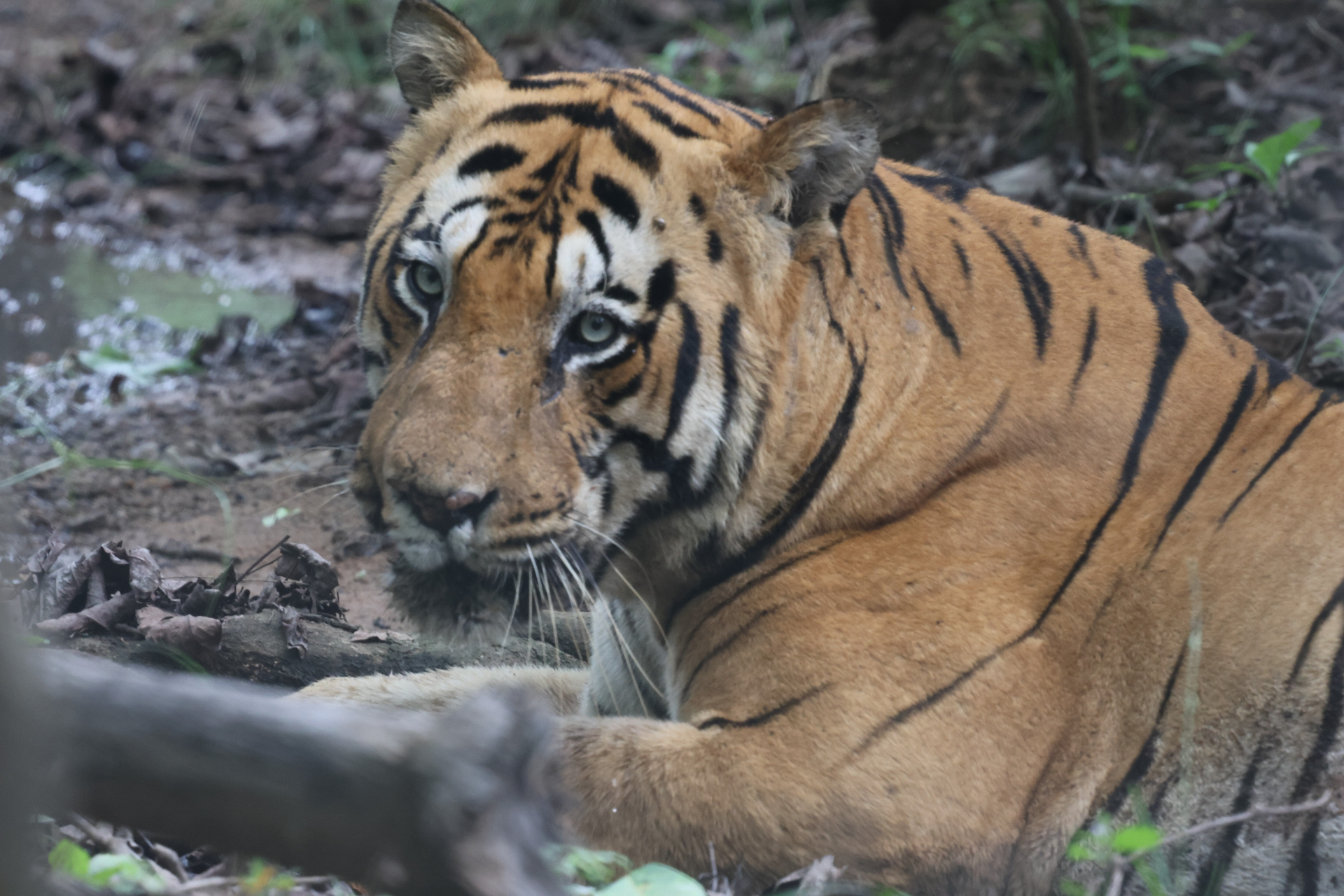
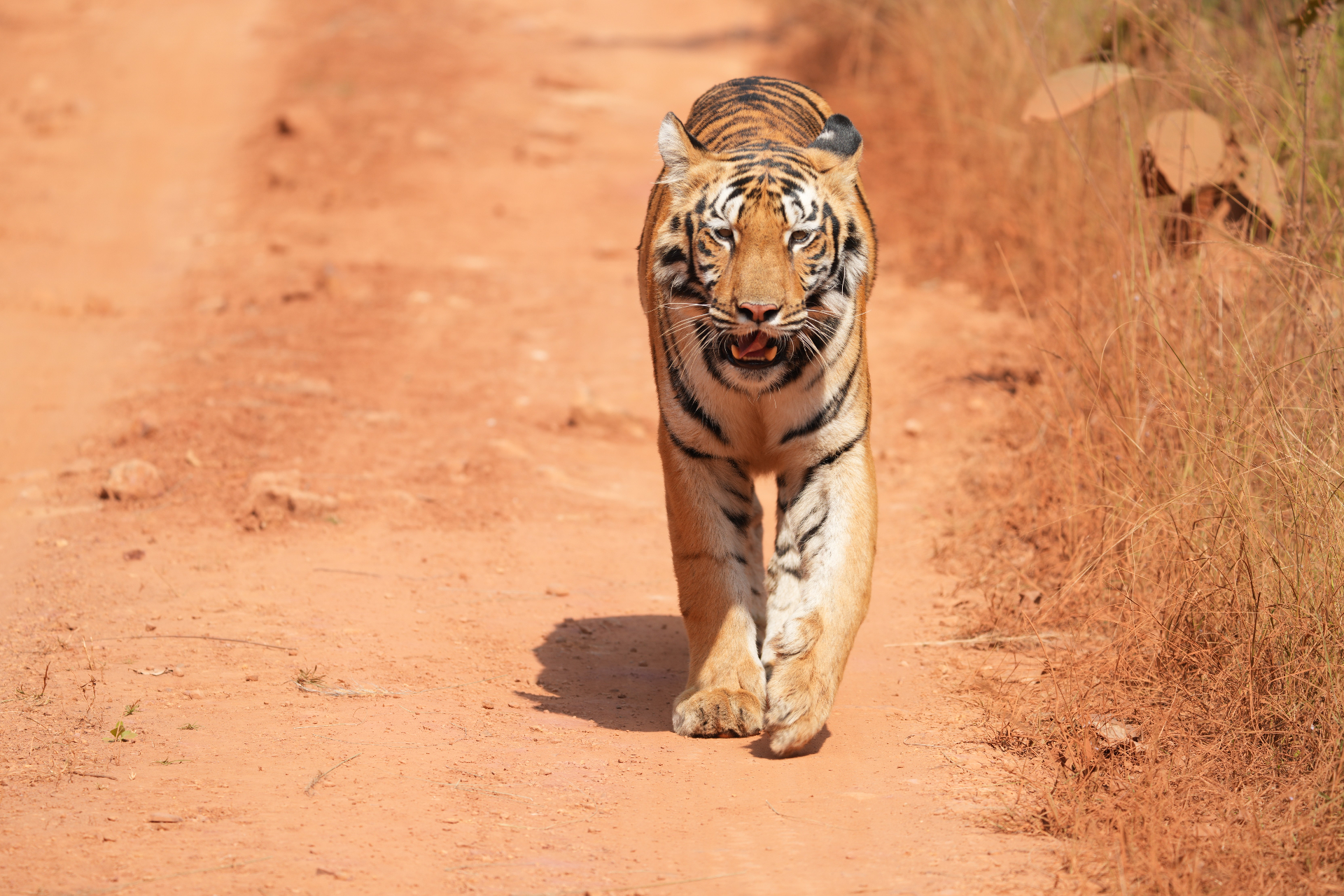
Sunderbans National Park & Tiger Reserve - wildlife sighting

Tigers of the Sunderbans

Swimming tigers and a delta of legends

The Sunderbans tigers are famous as a group rather than as named individuals. They swim across tidal channels, live on mangrove islands and are rarely seen by visitors. Local communities have long lived alongside them, sometimes at great risk, and the story of Bonbibi, the forest goddess, is told across the delta, where her shrines stand in villages at the forest edge.

Sajnekhali Sudhanyakhali Dobanki Netidhopani Bonbibi

The tigers of the Sunderbans are known for their ability to swim long distances through salty water and to hunt in the mangrove forest. Unlike tigers in other reserves, they are difficult to track, and individual animals are usually known only to the forest department through camera traps and field surveys.

The delta has a long history of conflict between tigers and people, especially honey collectors and fishermen who enter the forest. Many villages have shrines to Bonbibi, the protector of forest workers, who is worshipped by both Hindu and Muslim communities.

We cannot promise you a tiger. What you can expect is a deeper understanding of how people and big cats share this landscape.

Your Stay in Sunderbans

Your Stay in Sunderbans

Where to Stay in Sunderbans

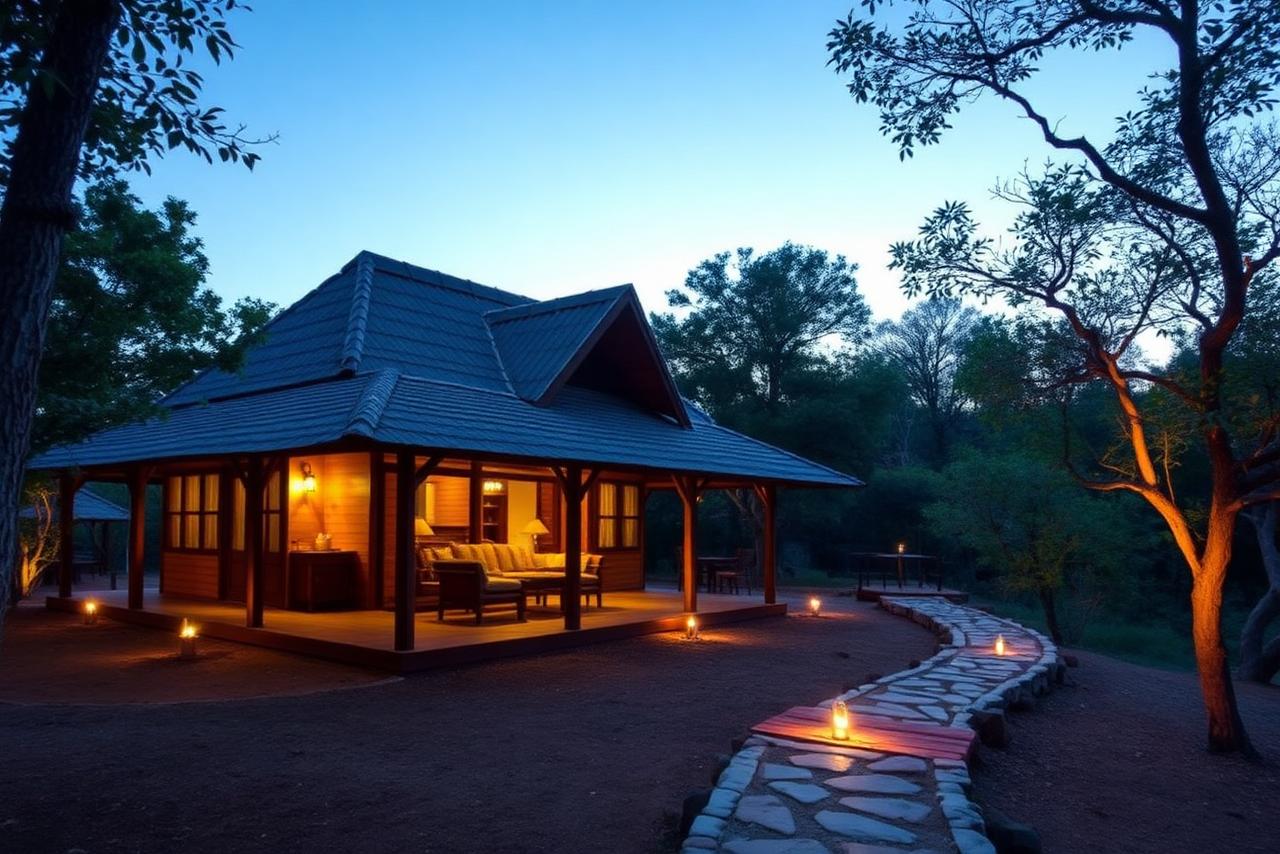
Most visitors stay either on land at lodges near Gosaba and Pakhiralay, or on boats that are moored for the night. Lodges range from simple village stays to comfortable resorts, and many are set among fields and creeks. Boat stays are atmospheric but basic, with shared facilities, so they suit travellers who are comfortable with simple conditions. A government tourist lodge at Sajnekhali also takes bookings, which need to be made in advance. When choosing, think about how much time you want to spend travelling, the comfort level you need and the quality of the guides. We recommend a land-based stay for first-time visitors.

Plan My Stay

Safari Etiquette

Dos and Don'ts on a Sunderbans safari

βœ“ Dos

  • βœ“ Keep your voice low inside the forest.
  • βœ“ Listen to your guide and naturalist.
  • βœ“ Respect safari routes and forest regulations.
  • βœ“ Carry water, sun protection and suitable clothing.
  • βœ“ Keep your camera ready without disturbing wildlife.

βœ• Don'ts

  • βœ• Ask the driver to break rules.
  • βœ• Request a driver to block an animal's movement.
  • βœ• Feed wildlife.
  • βœ• Throw anything from the vehicle.

Why Should You Visit Sunderbans

The only mangrove tiger habitat in the world

The Sunderbans is a landscape unlike any other. It is the largest mangrove forest in the world, and the only one where tigers live. These big cats swim between islands, hunt in tidal creeks and have developed a remarkable ability to live in a salty environment. The delta also protects the coast and supports many fishing and honey-collecting communities, whose lives are closely tied to the forest. A visit here offers a quiet, atmospheric journey through creeks and mangroves, with a good chance of birds, crocodiles and deer, and a small chance of a tiger. It suits travellers who love landscapes, local culture and slow travel, and the experience stays with you long after the trip.

Plan My Safari

FAQs

Frequently asked questions about Sunderbans

Get a Callback WhatsApp Us
βœ“ Request sent! We'll be in touch soon.