My Jungle Junction

Bhadra Wildlife Sanctuary & Tiger Reserve

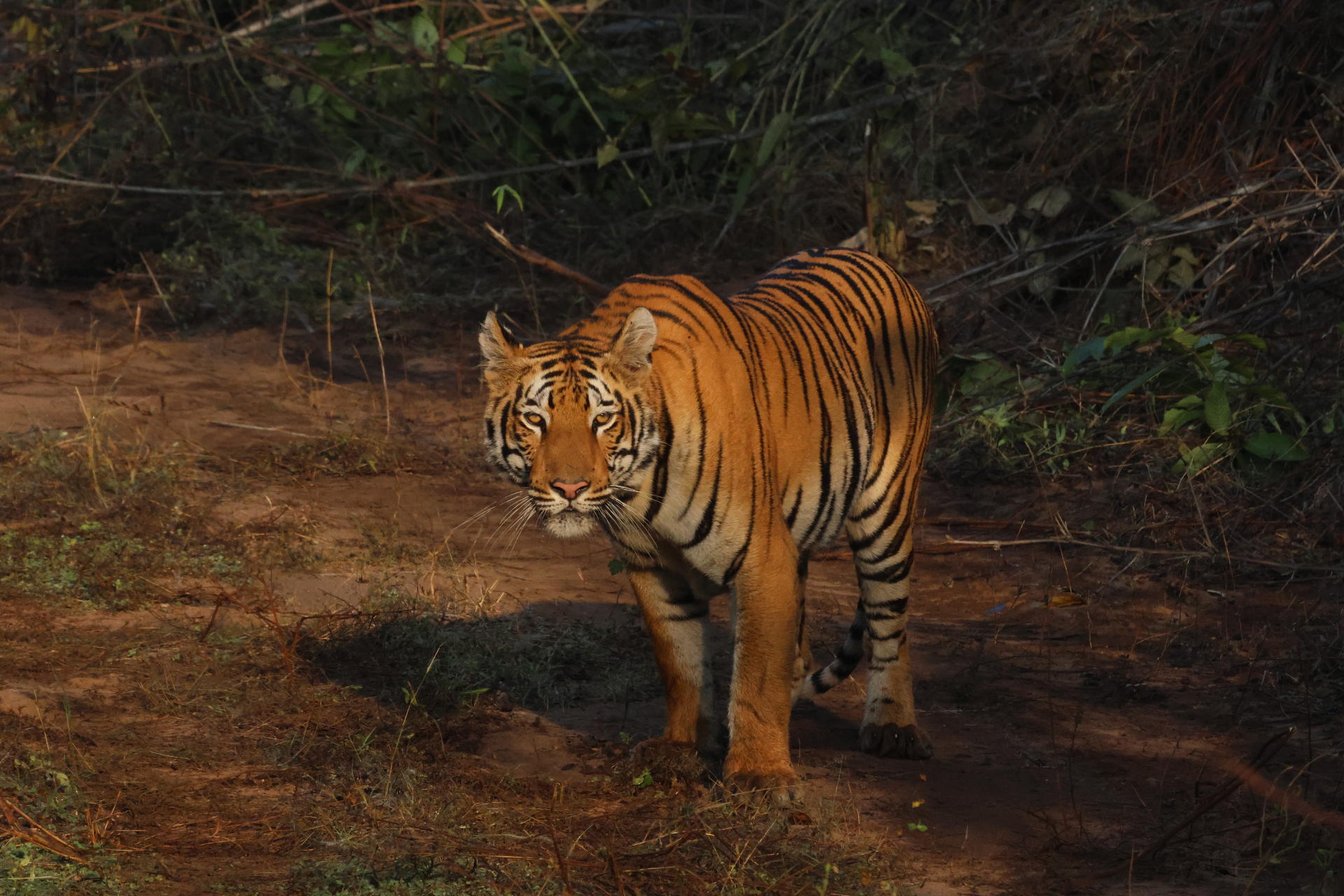
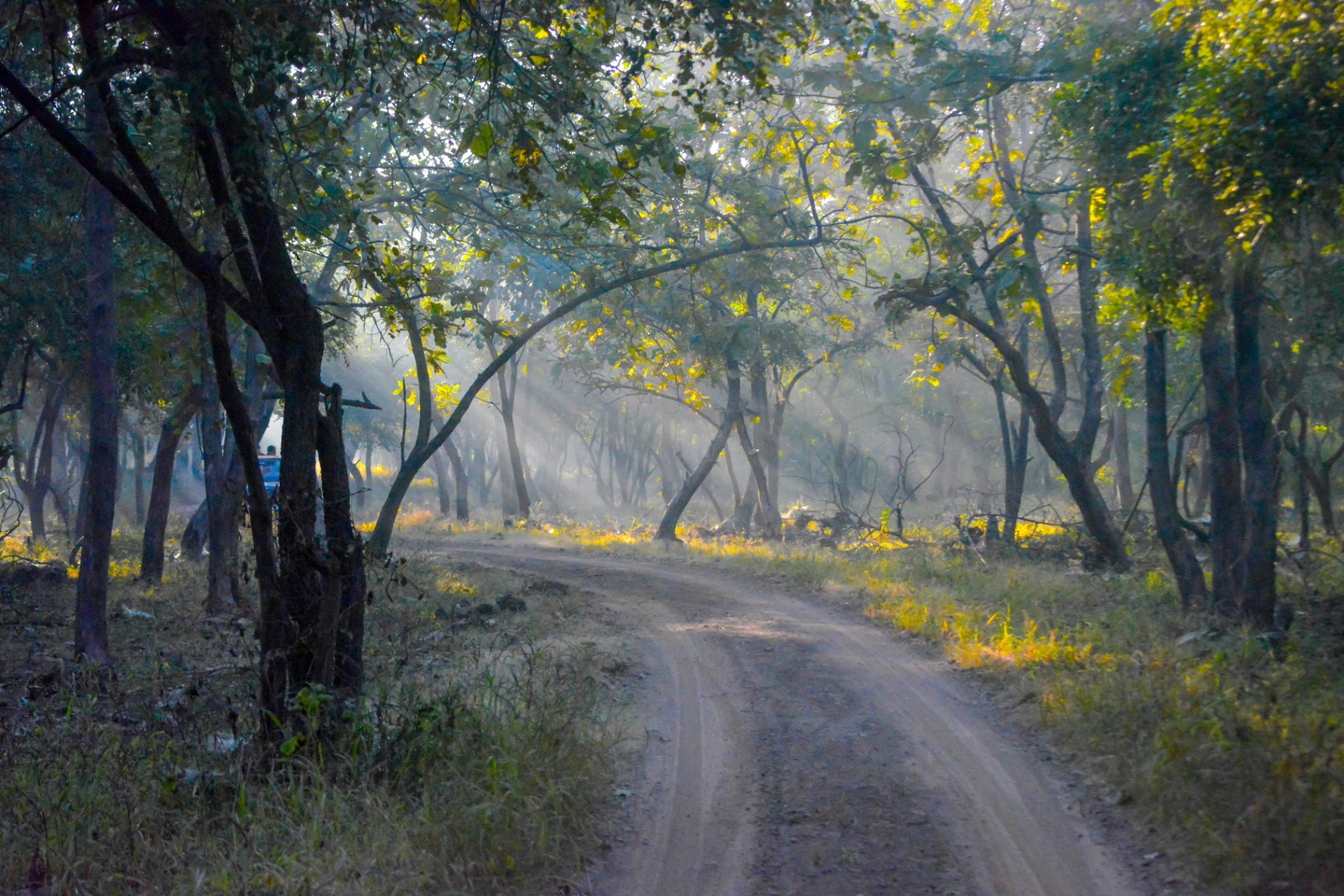
Bhadra is a lesser-known Karnataka tiger reserve around the Bhadra river and Lakkavalli reservoir, known for elephants, tigers, birds and a conservation success story.

15+ years of travel experience
Hosted by Amit (MJJ)

Plan Your Safari

Talk to a wildlife specialist.

By submitting, you agree to be contacted by My Jungle Junction.

By submitting, you agree to our Cancellation & Refund Policy and Privacy Policy.

Scroll

Plan Your Safari

Talk to a wildlife specialist.

By submitting, you agree to be contacted by My Jungle Junction.

By submitting, you agree to our Cancellation & Refund Policy and Privacy Policy.

My Jungle Junction's Guide to Bhadra Tiger Reserve

The Bhadra Tiger Safari Experience

Bhadra began as the Jagara Valley Wildlife Sanctuary in 1951, became Bhadra Wildlife Sanctuary in 1974 and was declared a tiger reserve in 1998. Sources give varying total areas, with the combined reserve about 892 sq km and the core around 492 sq km.

Tourism is concentrated around Muthodi and Lakkavalli, with forest department jeeps and a nature trail at Muthodi. Most visitors stay two nights; Bhadra combines well with Chikkamagaluru's hill stations and coffee estates.

Bhadra is also known for its relocation programme, in which villages were voluntarily moved out of the sanctuary, helping tigers and prey recover.

892

sq. km reserve

1 + 1

Core + Buffer zones

1998

Declared National Park

Bhadra Safari Packages

My Jungle Junction's Bestselling Bhadra Safari Packages

We plan Bhadra itineraries around permit availability, travel time from the nearest airport or station, and the zones that suit your priorities, whether that is tigers, birds or a quieter forest. Amit and the My Jungle Junction team handle safari bookings, lodge selection and transfers, and can combine Bhadra with neighbouring reserves in Karnataka or a wider central India circuit.

How Many Safaris Should You Do in Bhadra?

Two or three drives and a nature walk

Bhadra is a slow, scenic reserve rather than a high-pressure tiger park. We recommend two or three safaris and a guided nature trail, adding a boat or river visit if available. Combine with Chikkamagaluru's hills and coffee estates for a longer, more relaxed stay.

Two safaris give a good feel for the forest and a fair chance at elephants, gaur, deer and birds. Three drives add an extra look at the grasslands and river views and are our default for most guests.

Four to six drives suit birders and photographers who enjoy the slower pace. Bhadra suits travellers who prefer a quiet forest and scenic landscape, and who see a tiger as a bonus, not the only goal.

Best Safari Zones

Safari Zones in Bhadra

Bhadra is divided into two sections: the main western Lakkavalli-Muthodi area and the smaller eastern Bababudangiri section. Tourist activity centres on Muthodi and Lakkavalli, where the forest department arranges jeep safaris, and there is a nature trail at Muthodi. The Bhadra river and reservoir shape the landscape. Exact routes, vehicles and timings are managed by the forest department, so we confirm them for your dates.

Muthodi

Main tourist range with forest department jeep safaris and a nature trail.

Lakkavalli

Area around the Bhadra reservoir, with views of the dam and surrounding hills.

Bababudangiri Section

Smaller eastern section of the sanctuary near the Bababudan hills.

How to Reach & When to Visit

How to Reach & Best Time to Visit Bhadra

✈️

By Air

Mangaluru and Bengaluru are the main airports; both are several hours by road. Mysuru is another option. We plan the route with you.

πŸš†

By Train

Tarikere and Kadur are the nearest railheads; Shivamogga and Hassan are alternatives with better services. Onward travel is by road.

πŸš—

By Road

Bhadra is near Chikkamagaluru, reached by road from Bengaluru, Mangaluru or Hassan. Allow a long drive; we arrange transfers and confirm road conditions.

Best Time to Visit Bhadra

Winter and early summer are best; the monsoon is lush but wet.

πŸ‚
Winter
Nov - Feb

Cool and clear, the most comfortable time for drives and birding. Mornings can be chilly in the hills.

β˜€οΈ
Summer
Mar - Jun

Hot, but waterholes bring wildlife into the open. Afternoons are hot; keep to early and late drives.

🌧️
Monsoon
Jul - Oct

Heavy rain in the Western Ghats; the forest is lush but tracks can be difficult and safari access may be limited. Check before travelling.

MJJ Insight : Bhadra has limited lodging near the gate; book early and let us confirm the safari and stay together.

The Wildlife of Bhadra

Beyond the Tiger: Bhadra's Wildlife

Bhadra supports tiger, leopard, Asian elephant, gaur, sloth bear, wild dog (dhole), sambar, chital, barking deer, wild boar and the occasional mouse deer. Birdlife is outstanding, with hornbills, river terns, fish eagles, kingfishers and a long list of forest species. The Bhadra river hosts mugger crocodiles and otters. Langurs, Malabar giant squirrels and bonnet macaques are frequently seen. The dense forest makes mammal spotting patient work, but the combination of river, grassland and forest rewards early starts.
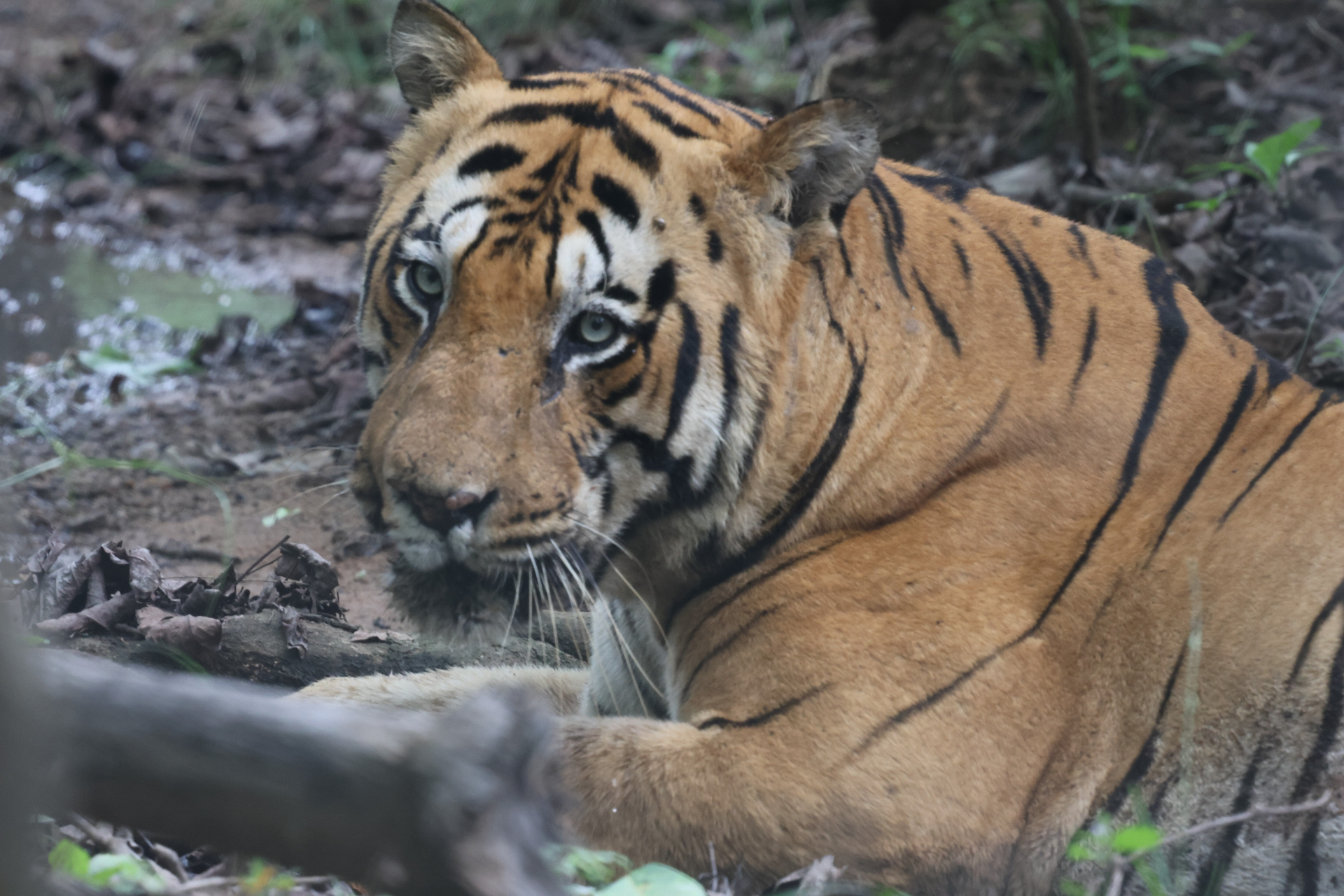
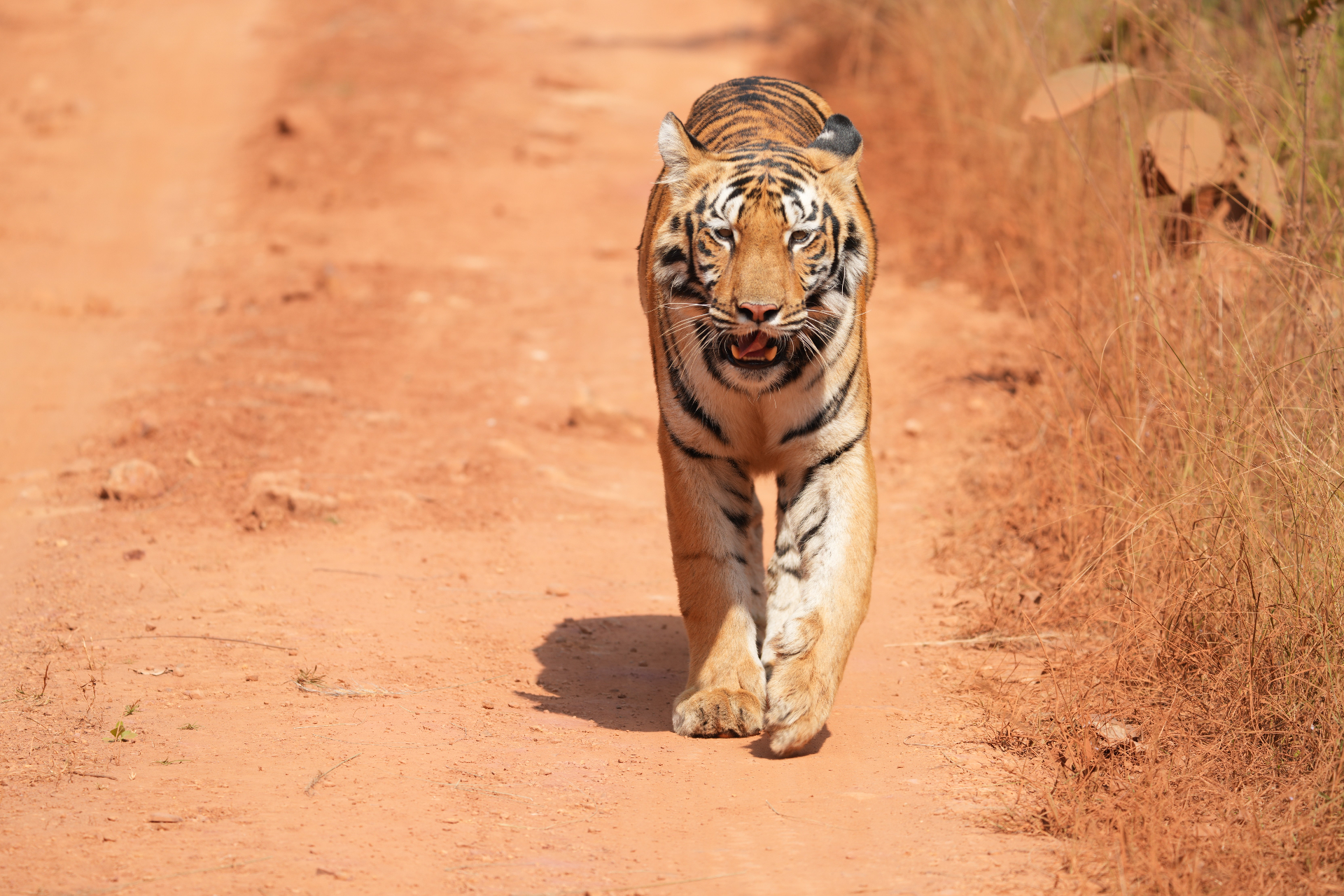
Bhadra Wildlife Sanctuary & Tiger Reserve - wildlife sighting

Wildlife Highlights of Bhadra

A conservation story more than a celebrity tiger

Bhadra does not have one famous tiger. Its reputation rests on conservation: relocation of villages out of the sanctuary and the recovery of its wildlife, with tigers, elephants and rich birdlife now thriving in the Bhadra river valley.

Muthodi Lakkavalli Bhadra River Bababudangiri Hornbills

There are no widely documented celebrity tigers at Bhadra. The reserve's fame comes from its conservation record and its scenic setting.

The forest was first protected in 1951 as the Jagara Valley Wildlife Sanctuary and became a Project Tiger reserve in 1998. Voluntary relocation of villagers from inside the sanctuary helped reduce pressure on the forest and supported a recovery in tiger and prey numbers.

Your Stay in Bhadra

Your Stay in Bhadra

Where to Stay in Bhadra

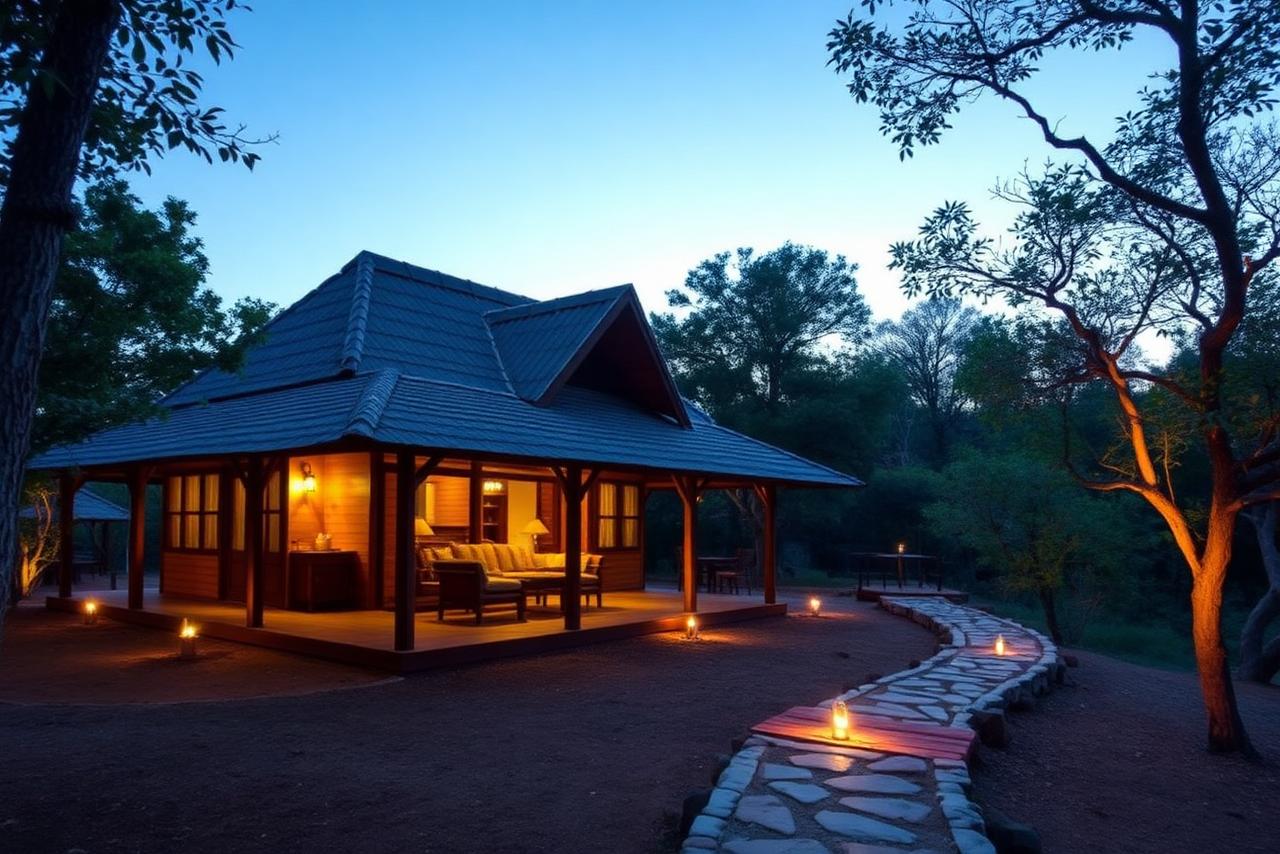
Accommodation is concentrated near Muthodi and Lakkavalli, with forest department guest houses and a few private resorts and homestays, as well as options at Chikkamagaluru and Tarikere. Choose Lakkavalli or Muthodi for easy morning safaris and Chikkamagaluru if you want comfort, restaurants and coffee-estate stays. We select based on comfort, budget and how much driving you will accept.

Plan My Stay

Safari Etiquette

Dos and Don'ts on a Bhadra Wildlife Sanctuary & safari

βœ“ Dos

  • βœ“ Keep your voice low inside the forest.
  • βœ“ Listen to your guide and naturalist.
  • βœ“ Respect safari routes and forest regulations.
  • βœ“ Carry water, sun protection and suitable clothing.
  • βœ“ Keep your camera ready without disturbing wildlife.

βœ• Don'ts

  • βœ• Ask the driver to break rules.
  • βœ• Request a driver to block an animal's movement.
  • βœ• Feed wildlife.
  • βœ• Throw anything from the vehicle.

Why Should You Visit Bhadra

A quiet Western Ghats forest and a conservation success

Bhadra matters because it shows that relocation and protection can bring a forest back. Villages were voluntarily moved out of the sanctuary, tiger and prey numbers rose, and the reserve now supports one of Karnataka's important tiger populations alongside elephants and many birds. For visitors, it offers a quiet, scenic alternative to the busier parks, with river views, grasslands and the Bababudan hills nearby. It suits travellers who enjoy birding, photography and landscape as well as wildlife, and who want to explore a lesser-known part of the Western Ghats.

Plan My Safari

FAQs

Frequently asked questions about Bhadra Wildlife Sanctuary &

Get a Callback WhatsApp Us
βœ“ Request sent! We'll be in touch soon.