My Jungle Junction
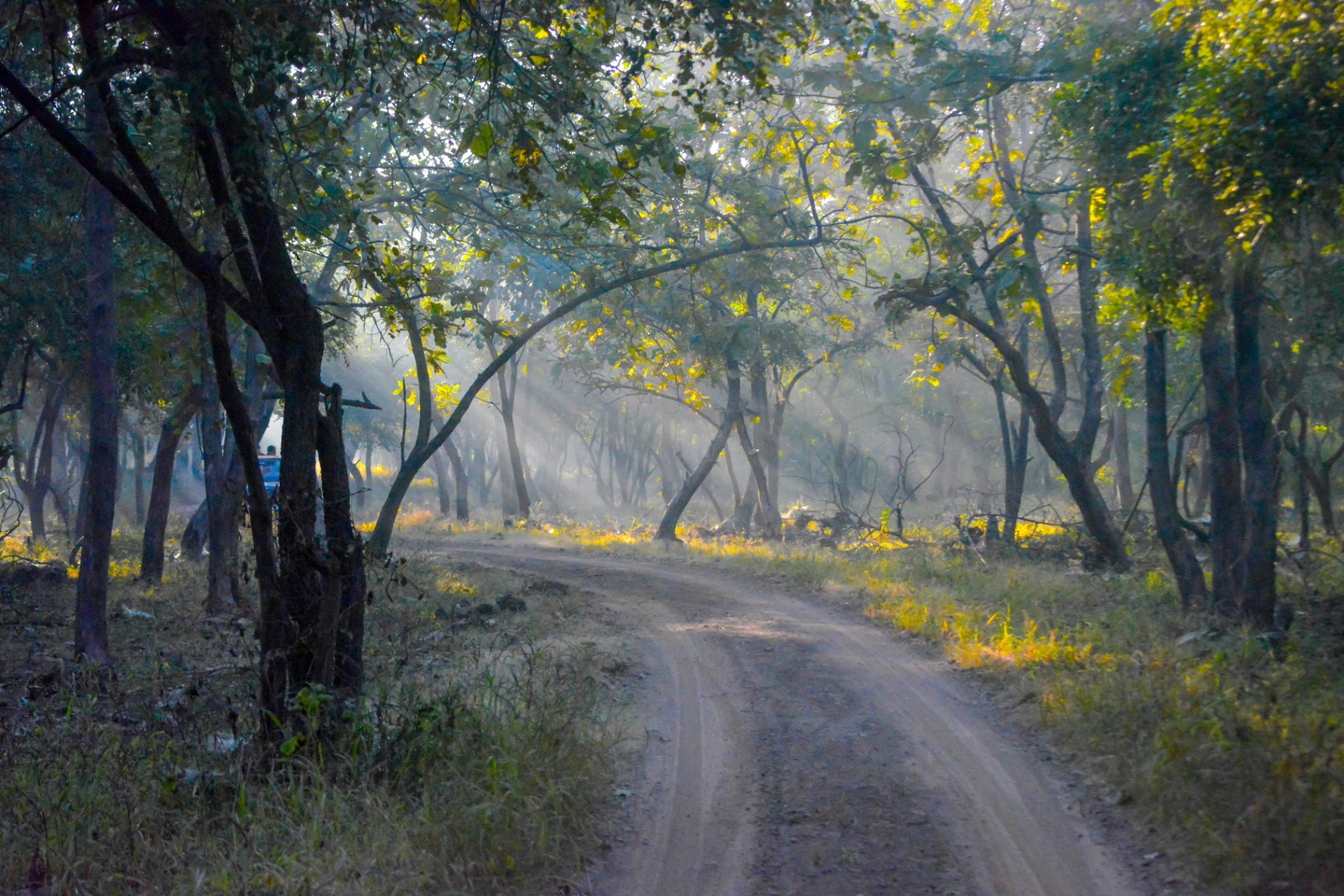
Buxa rises from the Dooars plains to the Bhutan hills, with elephants, gaur and rich birdlife in a forest of rivers and hill slopes. A calm, scenic safari for travellers who value landscape as much as sightings.
My Jungle Junction's Guide to Buxa Tiger Reserve
761
sq. km reserve
1 + 1
Core + Buffer zones
1983
Declared National Park
Buxa Safari Packages
Buxa works best as part of a Dooars circuit, so we plan it with Jaldapara, Gorumara or the hill stations around Kalimpong in mind. We arrange permits for the Rajabhatkhawa or Jayanti side, comfortable lodges, guides who know the forest and enough free time for birdwatching. We also check the monsoon closure dates, as the reserve shuts for the rains.
How Many Safaris Should You Do in Buxa?
Buxa is a reserve where the whole experience matters more than any single sighting. Elephants and gaur are the most likely large animals, while hornbills and other birds fill the quieter drives. Two or three safaris, spread between Rajabhatkhawa and Jayanti, give you a good picture of the forest. We do not promise tigers, which are rarely seen here, and we would rather you knew that now.
Best Safari Zones
Buxa does not use numbered zones. Instead, safaris are arranged from entry points on the edge of the reserve. Rajabhatkhawa is the main gateway, with forest office and safari permits close to the station at Alipurduar. Jayanti is another popular starting point, with a range office in the village and a drive along the river. Santalabari is the base for the walk to Buxa Fort, and Lepchakha is a viewpoint further uphill. Routes and timings change by season, so we confirm what is open before we plan your days.
The main gateway near Alipurduar, with the forest office, safari permits and guides.
A forest village on the Jayanti river, with a range office and safari drives into the foothills.
The starting point for the walk up to Buxa Fort, with views over the hills and plains.
A historic hill fort reached on foot from Santalabari, set in forest.
A village and viewpoint higher up, with views across the Dooars to the plains.
How to Reach & When to Visit
Bagdogra, near Siliguri, is the nearest major airport, about four to five hours by road. Cooch Behar has a small airport with limited flights.
Alipurduar Junction is about 14 km from Rajabhatkhawa and has trains from Kolkata and Guwahati. New Alipurduar and Hasimara are other options.
Road links from Siliguri and Alipurduar are good. Jayanti is further into the forest, so allow extra time on the road.
Buxa is open for most of the year but closes during the heavy monsoon. October to March is the pleasant season.
Cool and dry, with clear skies and the best birdwatching. The most comfortable time for walking and safari.
Warmer, with some pre-monsoon showers. Animals visit water sources more often. The reserve closes in mid-June.
Closed to safaris from around mid-June to mid-September because of heavy rain. Roads flood and the rivers rise.
MJJ Insight : Safari permits and guides are arranged at the forest offices at Rajabhatkhawa and Jayanti, and rules can change. We pre-arrange them and confirm the vehicle and timing the day before.
The Wildlife of Buxa
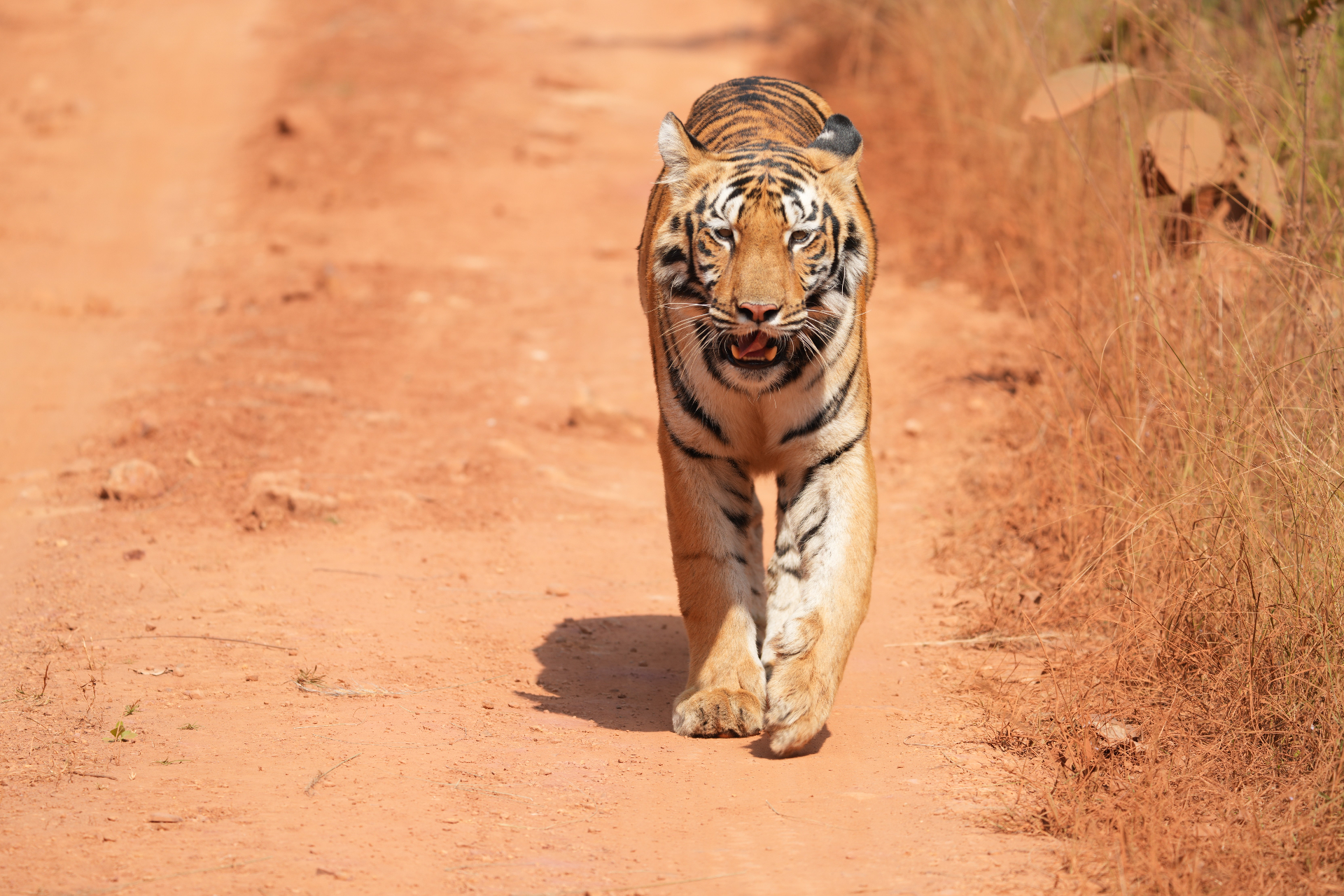
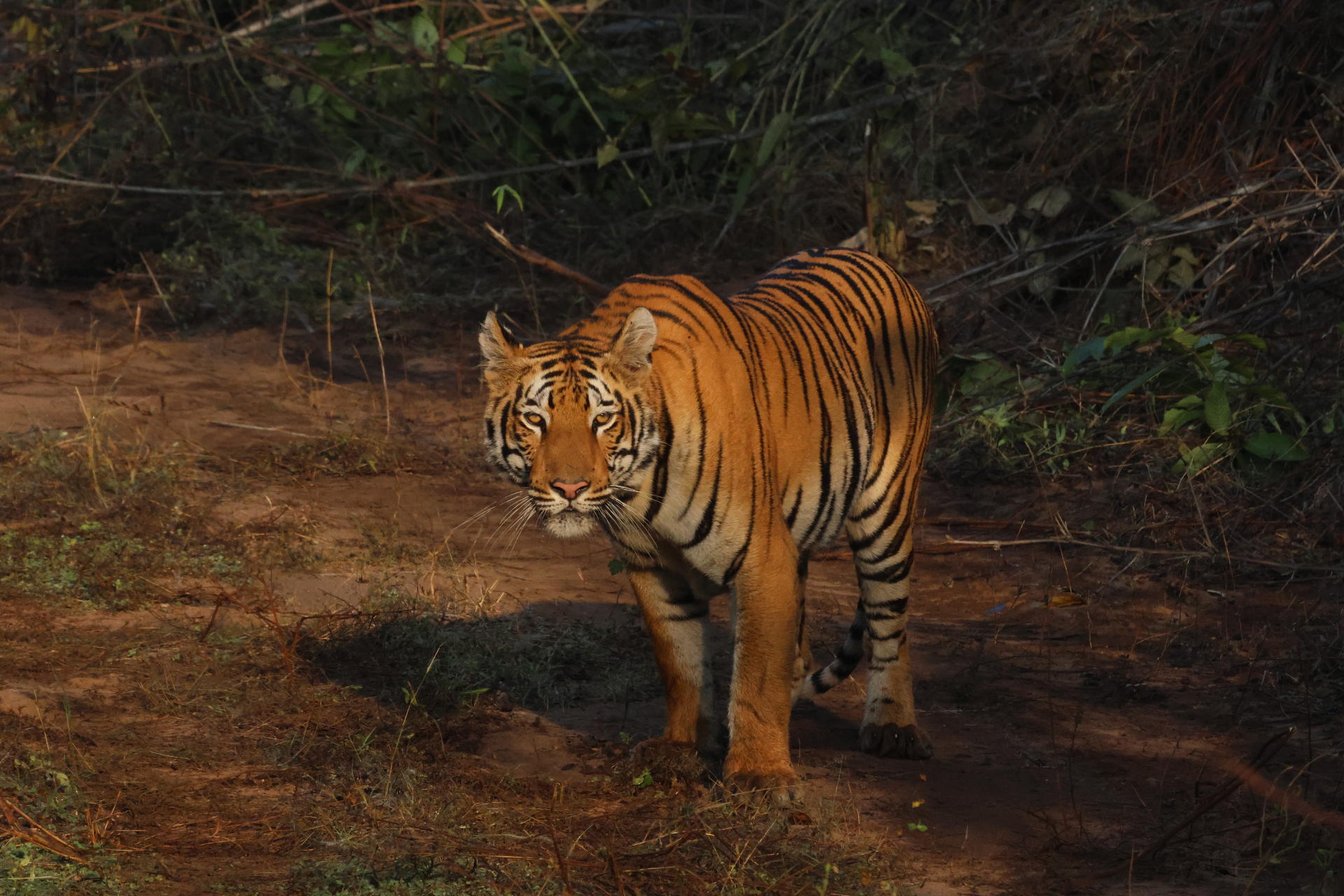
Buxa's forest holds Asian elephants, which move through the reserve and across the Bhutan border, and gaur, also called Indian bison. Spotted deer, sambar, barking deer, wild boar and several monkey species are common, and leopards and other cats live here. Tigers occur but are very rarely seen. The reserve is rich in birds, with hornbills, trogons, minivets and many forest species, and its butterflies and reptiles are also notable. The best chances for large animals are early in the morning along the river edges and forest clearings.
Wildlife Highlights of Buxa
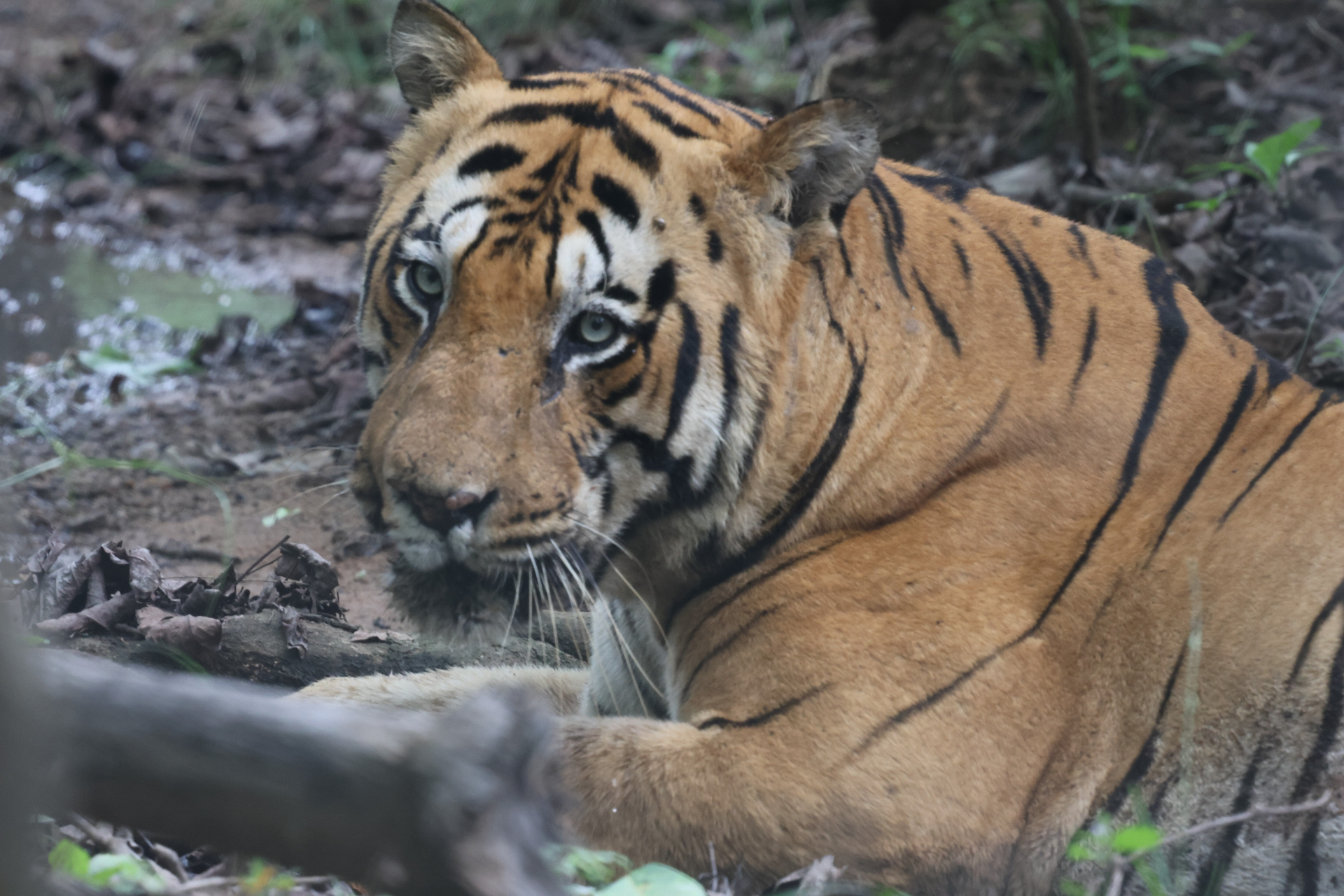
Buxa does not have famous individual tigers to introduce, and tigers here are very hard to see, even for the forest staff. Its best-known highlights are the elephants that cross the reserve, the herds of gaur and the old Buxa Fort, which rises above the forest and is reached by a walk from Santalabari through the forest, with views over the Dooars on a clear day.
Your Stay in Buxa
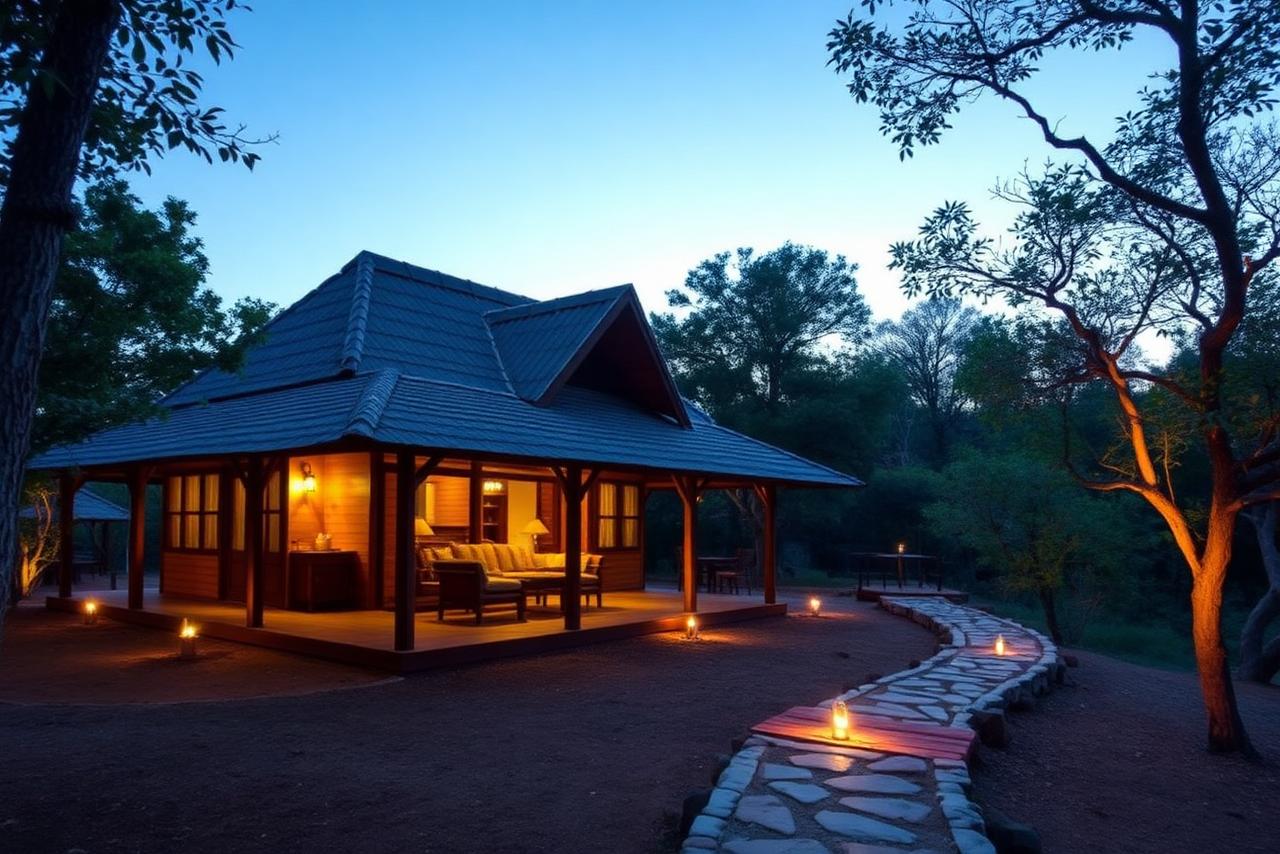
Most visitors stay in Alipurduar, Rajabhatkhawa or around Jayanti. Rajabhatkhawa has forest-edge lodges and homestays that are convenient for the main gate. Jayanti has smaller guesthouses and a forest department rest house, which needs advance booking, and the setting beside the river is peaceful. Alipurduar offers more hotels but adds travel time. Choose by how close you want to be to your preferred gate, how simple or comfortable you want the stay to be and whether the property has good guiding. Many guests combine Buxa with a lodge in Jaldapara or Gorumara for a wider Dooars trip.
Plan My StaySafari Etiquette
Why Should You Visit Buxa
Buxa matters because it protects a rare stretch of continuous forest from the Dooars plains to the Bhutan hills, part of a corridor used by elephants and other wildlife. It also has a distinctive atmosphere, with river valleys, tea gardens on its fringes and a hill fort in the forest. For visitors, it offers a quieter alternative to the big tiger parks, a chance to see elephants and gaur, and a chance to explore the cultural variety of north Bengal. It is a good place for birdwatchers, photographers and anyone who enjoys a landscape with real depth. We recommend it for travellers who value atmosphere over a guaranteed sighting.
Plan My SafariFAQs
Share your details and we'll call you at your preferred time.