My Jungle Junction
One of India's original Project Tiger reserves, Melghat is Maharashtra's wildest forest: steep Satpura hills, teak and bamboo, and a big landscape with tiger, gaur and sloth bear.
My Jungle Junction's Guide to Melghat Tiger Reserve
2,768
sq. km reserve
1 + 1
Core + Buffer zones
1974
Declared National Park
Melghat Safari Packages
We plan Melghat itineraries around the way the park actually works, not a generic template. Melghat has many gates and long distances, so we choose a single base and a gate combination that avoids exhausting transfers. Amit and the team book permits and vehicles early, choose lodges for the gate you will use, and can combine Melghat with Tadoba, Pench or Nagpur so the trip has a sensible rhythm. Tell us your dates and group, and we will build around them.
How Many Safaris Should You Do in Melghat?
Melghat is large and the travel between gates is slow, so cramming too many safaris into a short stay is a mistake. Most of our guests do two or three nights, taking a morning and afternoon drive from one gate and adding a second gate if time allows. The terrain is hilly and the forest is dense, so tiger sightings are less frequent here than in Tadoba. We advise patience, and good guides help.
Best Safari Zones
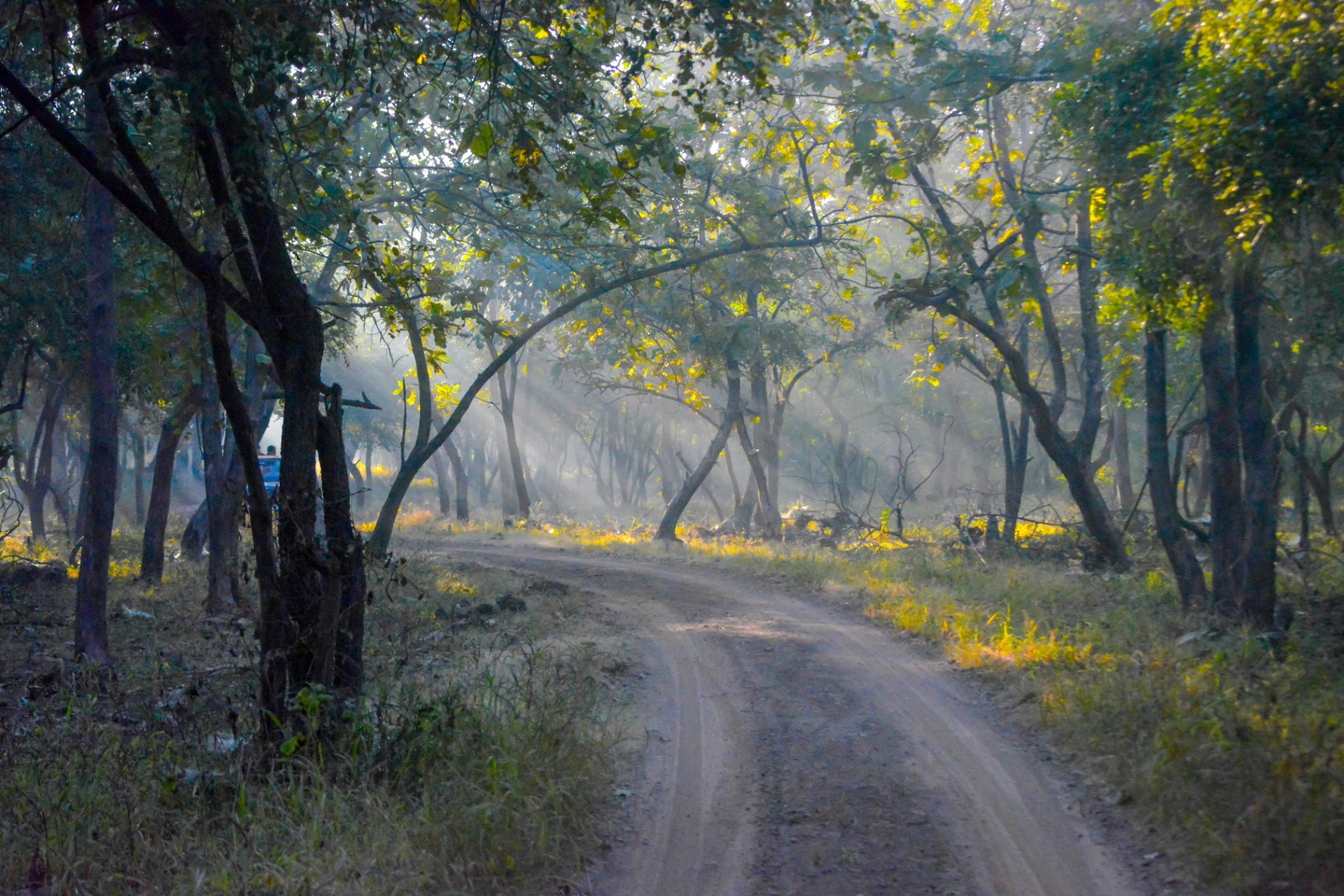
Melghat has many entry gates rather than numbered zones. Listed gates include Dharghad, Ambabarwa (Wasali), Wan (Zari), Narnala (Shahanoor), Harisal and Chikhaldara (Vairat), along with Semadoh. Jungle safari routes are listed along Narnala, Bori and Zari. For the Harisal, Chikhaldara and Semadoh gates, registration and on-the-spot booking is handled by the Nature Interpretation Centre at Chikhaldara. Each gate gives a different feel of the forest, from open ridges to dense bamboo. We confirm which gates are open on your dates and organise permits in advance.
One of the main tourism gates, popular for jeep safaris.
Hill-station gate. Registration and booking are handled at the Nature Interpretation Centre in Chikhaldara.
Another tourism gate, booked through the Chikhaldara centre. Quieter forest with good birdlife.
Listed entry gate on the reserve's tourism circuit.
Gate on the Zari safari route. Check current access with us.
Gate on the Narnala safari route, near the old Narnala fort.
How to Reach & When to Visit
Nagpur's Dr Babasaheb Ambedkar airport is the main gateway for most visitors. Distances to the gates are long, and we arrange a taxi for the transfer.
Badnera junction near Amravati is the main railhead for the Melghat region. Nagpur is the larger hub with trains from across India.
Chikhaldara and the Semadoh and Harisal gates are reached by road from Amravati and Nagpur. The hill roads are winding, so plan the drive for daylight.
Melghat is best visited in the cooler and drier months. Check gate status during the monsoon.
The most comfortable period. Cool mornings, clear skies and good conditions for jeep safaris and birdwatching.
Hot, but animals gather near water and sightings improve. Chikhaldara's hill climate is milder. Go early.
The monsoon makes roads difficult and safaris are usually restricted. The hills are green and misty. Check before travelling.
MJJ Insight : Pick one base and one or two gates rather than moving daily. Melghat's distances are long, and the Chikhaldara centre handles on-the-spot bookings for some gates, so ask us about current arrangements.
The Wildlife of Melghat
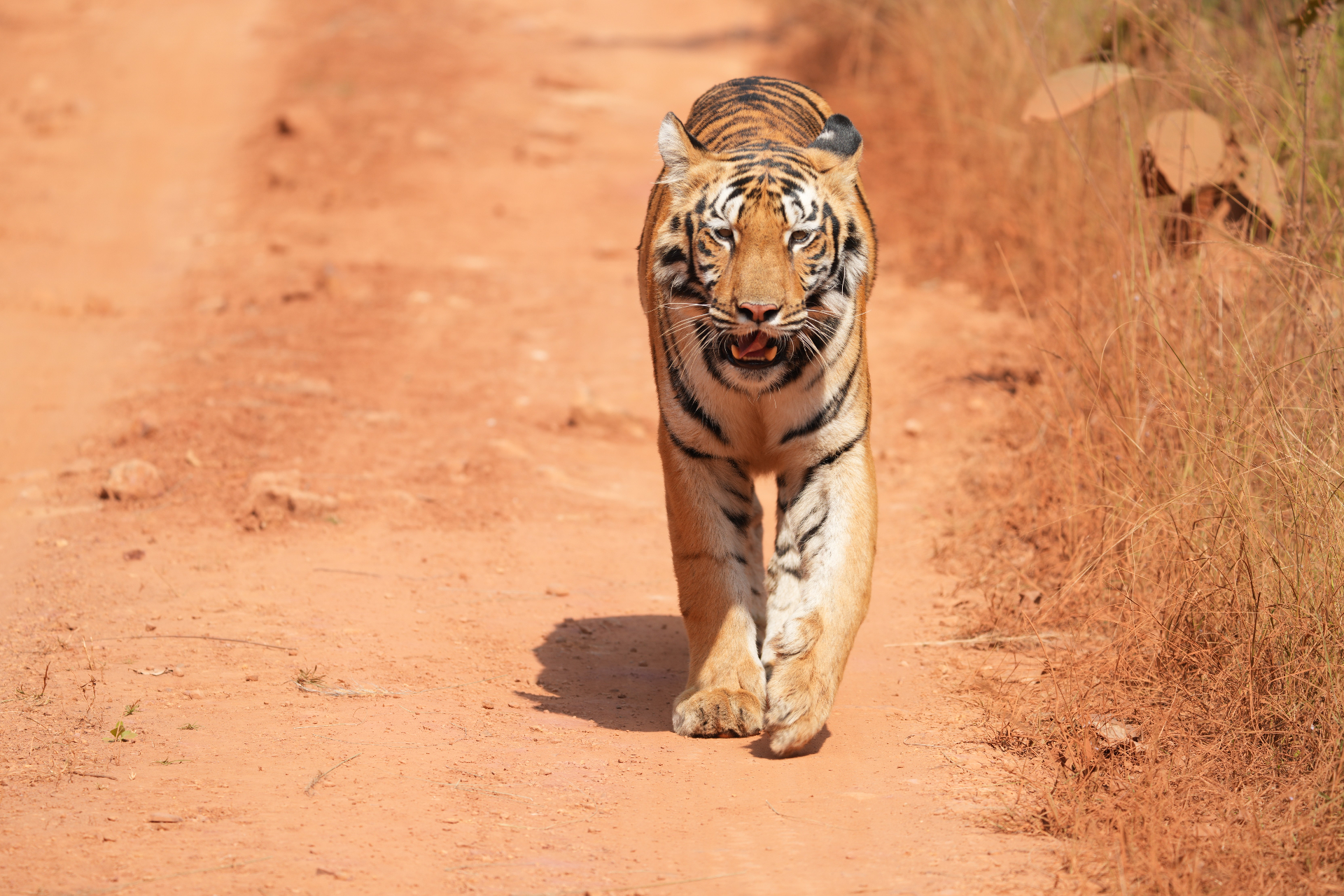
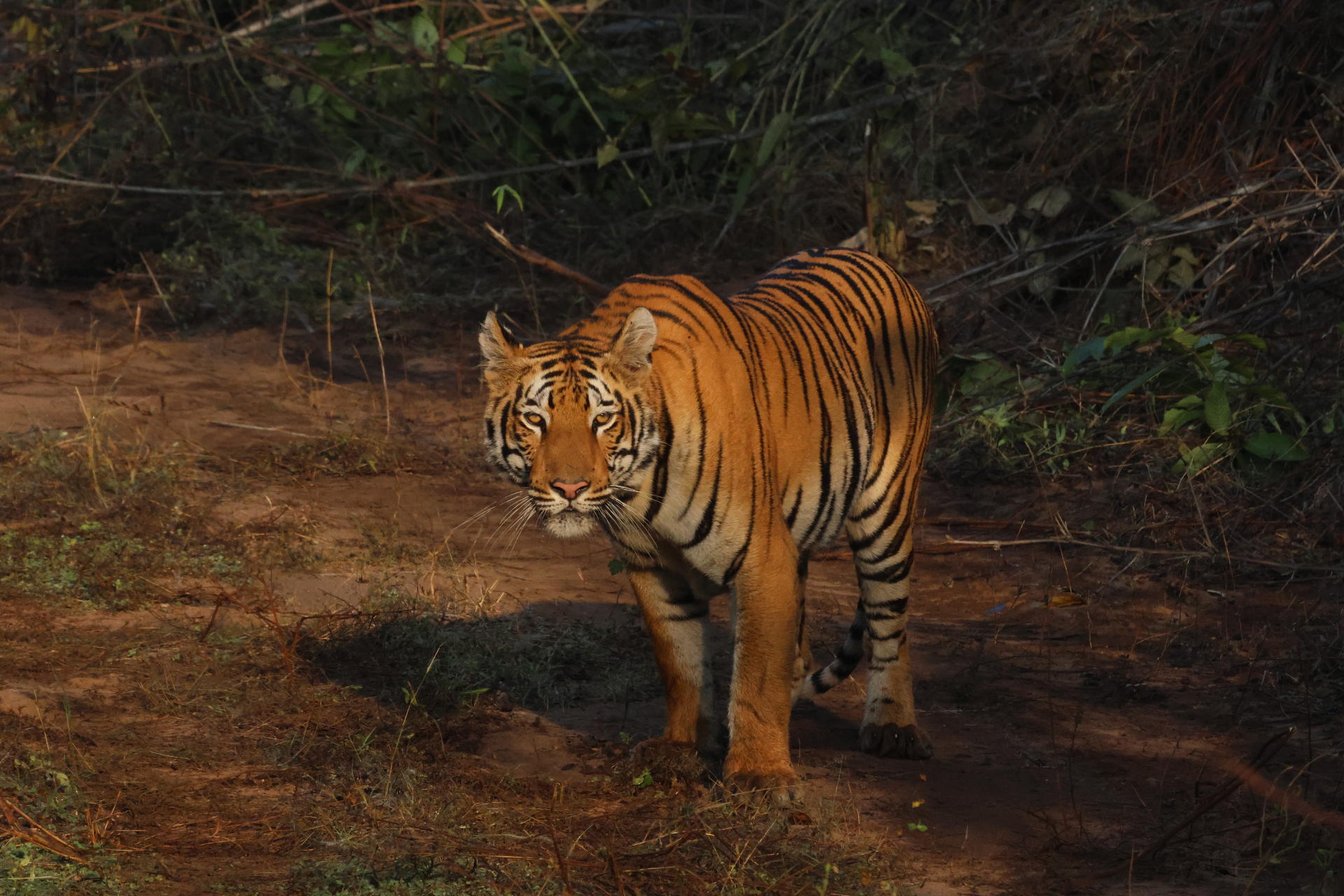
Melghat's mix is typical of the Satpura hills. Tiger, leopard, sloth bear, wild dog, hyena and jackal are the carnivores, and gaur, sambar, chital, barking deer, nilgai and wild boar are the main herbivores. The forest is good for birds, including hornbills, owls and raptors, and smaller creatures include langurs, giant squirrels and many snakes. The terrain makes spotting harder than in open parks, so patience and good guides matter. Tigers are present across the reserve, but we describe sightings as a bonus here, not a promise.
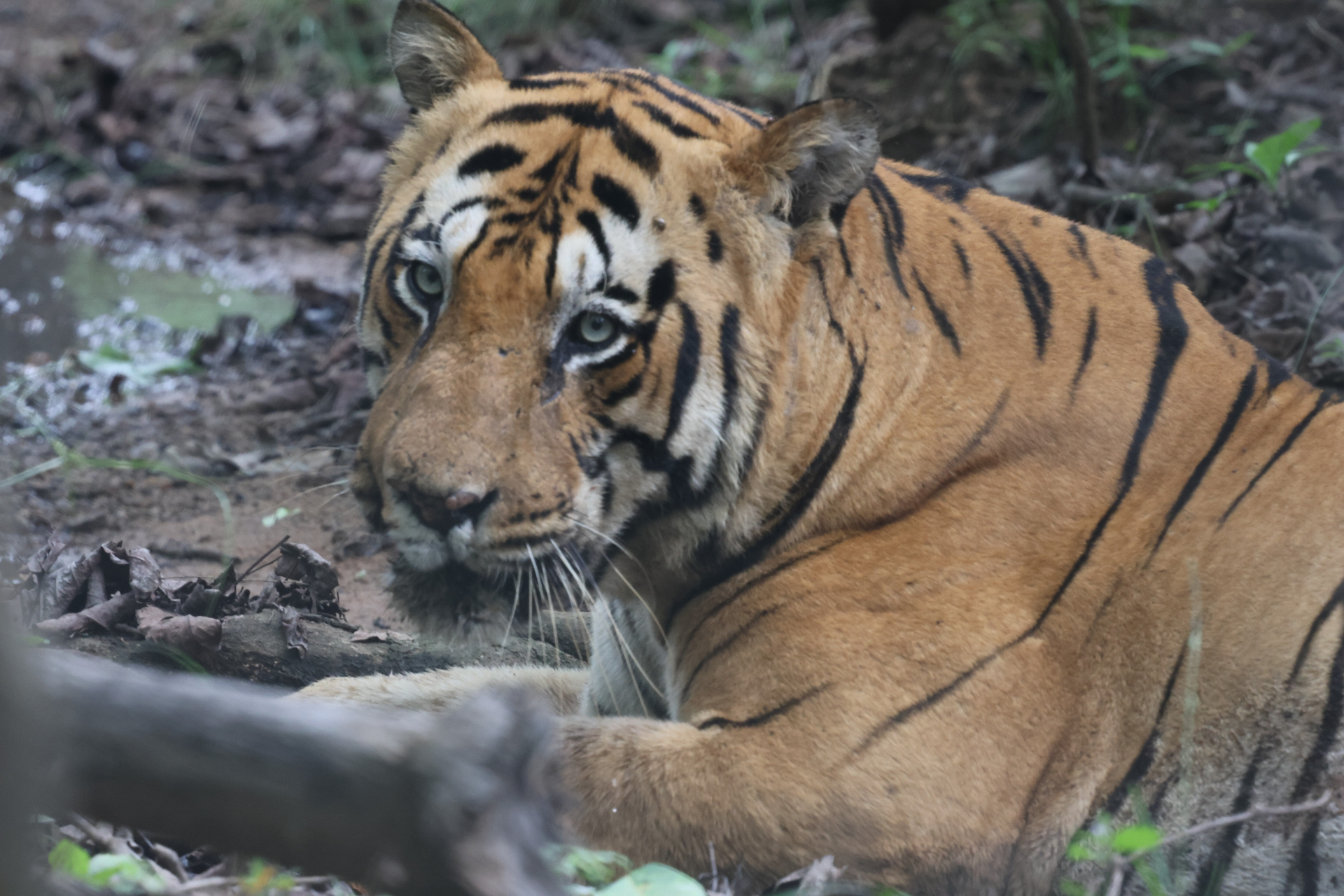
Melghat's Place in Tiger History
Melghat has no single celebrity tiger we can verify. Its fame is historical. It was among the first nine reserves under Project Tiger in 1973-74, and it has been central to tiger conservation in central India since. The Korku people remain part of its story, and a visit here is as much about history and landscape as about any single animal.
Your Stay in Melghat
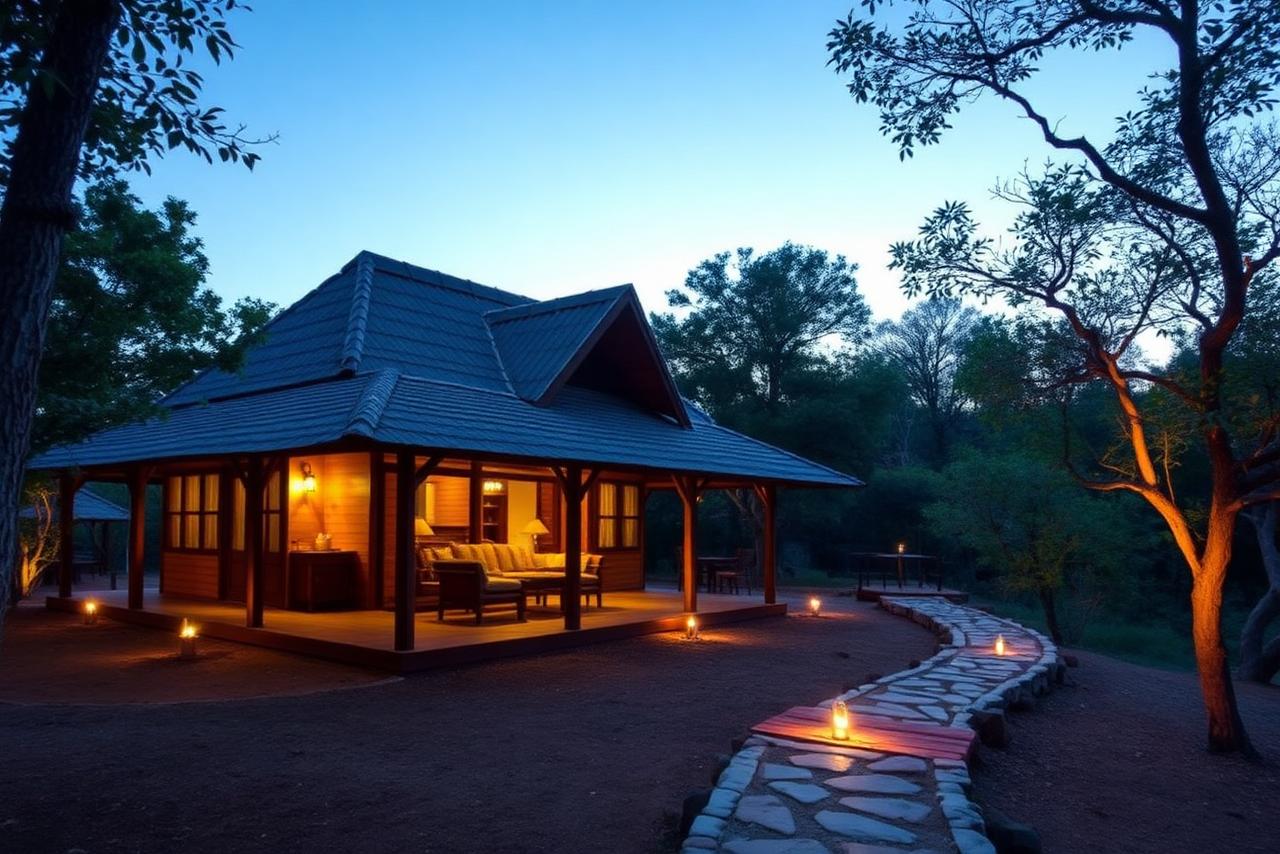
Accommodation is spread across the reserve's main entry points. Chikhaldara, a hill station, has hotels and resorts, and forest-department rest houses and small lodges are found near Semadoh, Harisal and other gates. Facilities vary from simple to comfortable. Choose by the gate you want to use, since distances between bases are significant. Many guests combine a night in Chikhaldara with a night near the forest gates. We recommend booking early for weekends and the winter season, and we confirm lodging details before your trip.
Plan My StaySafari Etiquette
Why Should You Visit Melghat
Melghat is the kind of reserve that people remember for the landscape. The Satpura ridges, bamboo and teak, and the sense of space are very different from the open forests of Tadoba or the plains of Pench. It was one of the first nine Project Tiger reserves, and it still feels like frontier country. The Korku villages add a human dimension, and Chikhaldara offers a cool hill-station base. It is not the easiest tiger trip, and we say so plainly. But for seasoned wildlife travellers, and for anyone building a longer Maharashtra circuit, it is a deeply rewarding addition.
Plan My SafariFAQs
Share your details and we'll call you at your preferred time.