My Jungle Junction
A little-visited Himalayan rainforest reserve in Lohit district, Arunachal Pradesh. Kamlang is raw frontier country: Glow Lake, thick jungle, limited facilities and very few other visitors.
My Jungle Junction's Guide to Kamlang Tiger Reserve
783
sq. km reserve
1 + 1
Core + Buffer zones
2017
Declared National Park
Kamlang Safari Packages
Amit and the My Jungle Junction team plan every Kamlang itinerary around the way the reserve actually works: which gates are open, how far lodges sit from the entry points, and how many days you need before the landscape starts to give things up. We handle permits, vehicle bookings, naturalist guides and transfers from the nearest airport or station, with spare time built in. Tell us your dates and group size and we will shape the rest.
How Many Safaris Should You Do in Kamlang?
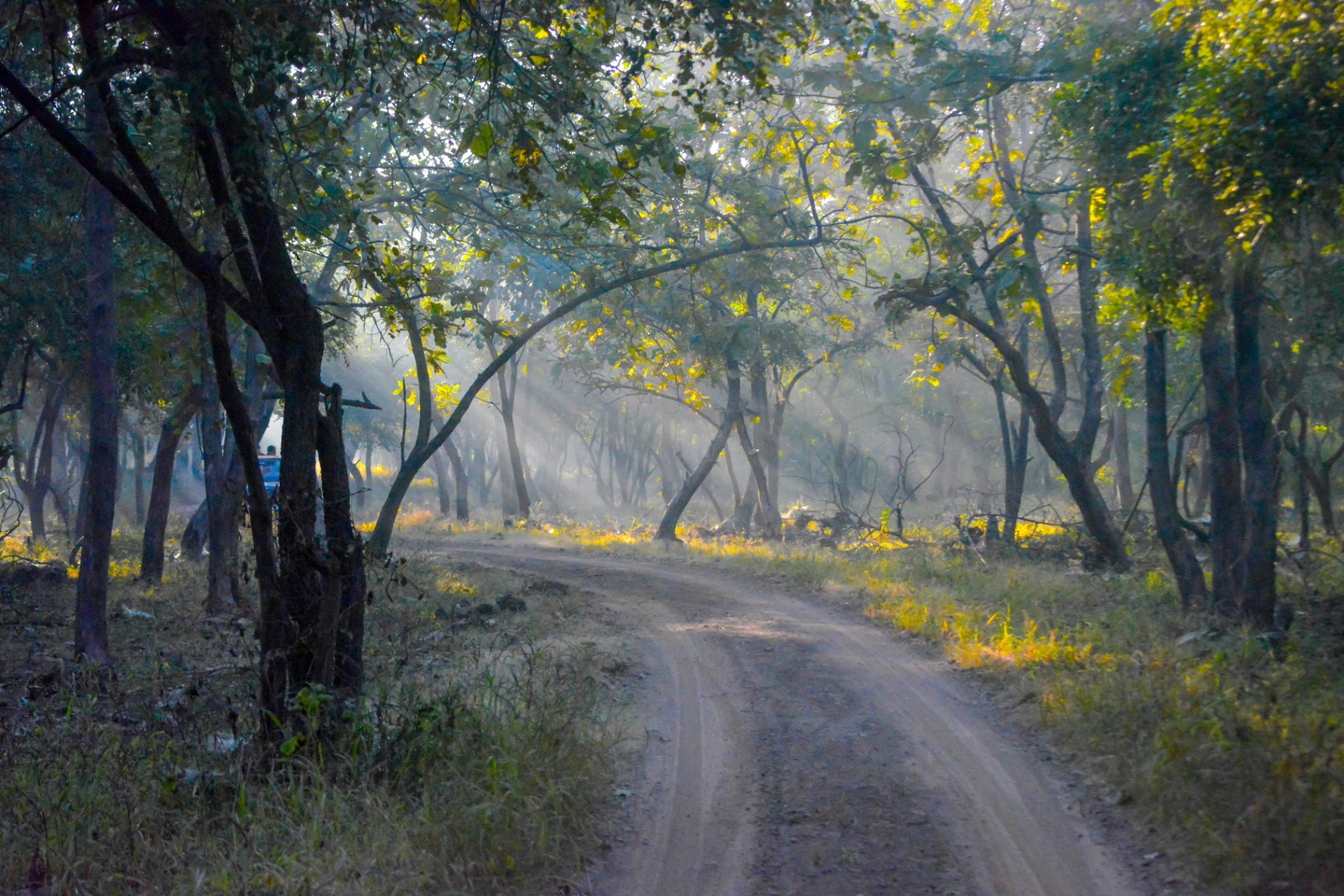
Kamlang has no scheduled jeep safaris. Visits are arranged with the forest department and local guides, mixing short drives to accessible points with guided walks and a visit to Glow Lake where permitted. We typically plan two or three outings over two or three nights, and confirm what is open before booking. Tell us your dates and fitness level and we will shape the plan.
Best Safari Zones
Kamlang has no numbered tourism zones. The reserve is reached from Wakro, where the field director's office is, and from the Tezu and Lohit district road network. Within the reserve, visits are arranged case by case with the forest department, and trails, camps and viewpoints change with season and road conditions. Glow Lake is the best-known landmark. Because infrastructure is limited, we plan each Kamlang trip individually rather than from a fixed list of zones. Your driver and guide will explain the day's route each morning.
Town in Lohit district and headquarters of the tiger reserve; the main practical base.
District headquarters in Lohit, with more hotel choice and the nearest hub for permits and transport.
Perennial lake in the reserve's landscape; access depends on permission and conditions.
Rainforest along the river used for guided walks and birding where roads and trails allow.
How to Reach & When to Visit
Dibrugarh (Mohanbari) in Assam is the usual arrival airport, with a long road journey to Wakro. Tezu has limited air links; check current schedules.
Tinsukia and Dibrugarh are the main railheads in upper Assam. Onward travel to Lohit district is by road only.
Drive from Dibrugarh or Tinsukia to Wakro via Arunachal's Lohit district roads. Expect a long day, with slow stretches that worsen in the rains.
Winter is the only comfortable and dependable season for travel in Lohit.
Driest and clearest, with the best road conditions. This is the only season we recommend for Kamlang.
Warm and humid, with rain building up from April. Roads and trails get difficult.
Heavy rain, landslides, leeches and likely closures. We do not recommend travelling in this season.
MJJ Insight : Kamlang needs an Inner Line Permit (Indian visitors) or Protected Area Permit (foreign nationals), plus forest-department permission. Allow several weeks and speak to us before you pick dates.
The Wildlife of Kamlang
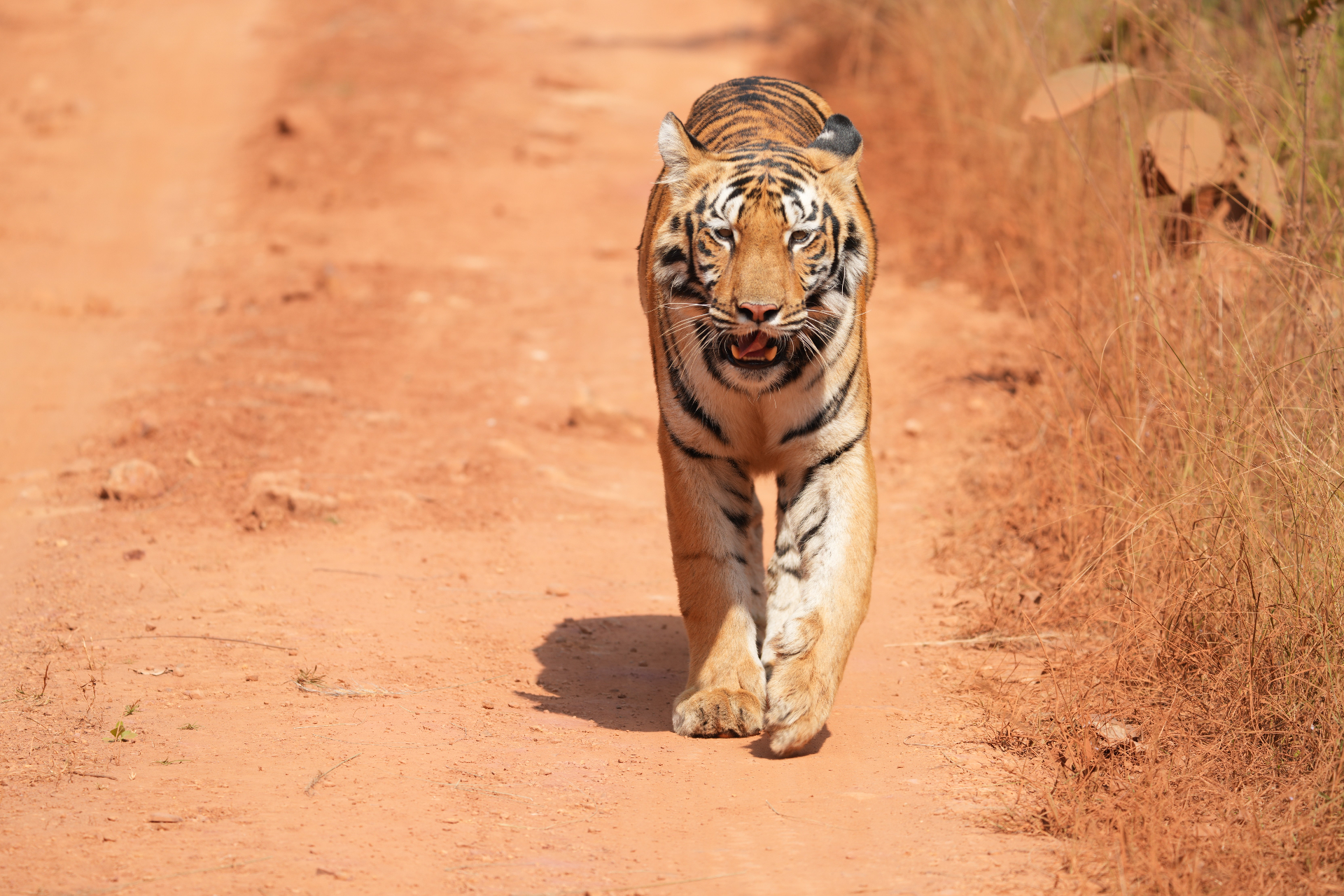
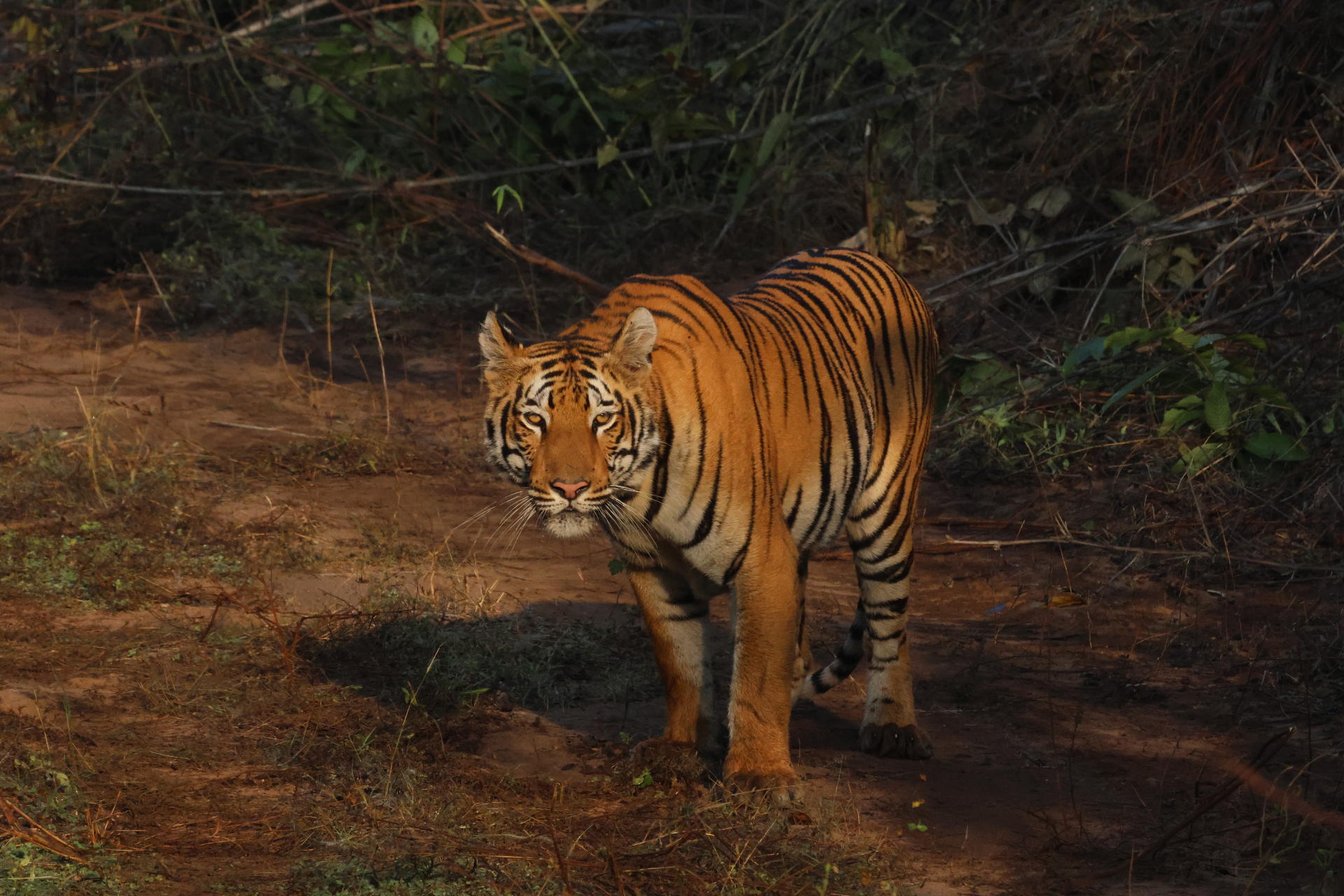
Kamlang's forests are reported to hold tiger, leopard, clouded leopard, Asian elephant, gaur, sambar, Himalayan black bear, dhole and several primates, including macaques and langurs. Sightings of large mammals are rare in such dense forest, and most visitors will see birds, butterflies and smaller wildlife. Hornbills, pheasants, laughingthrushes and forest owls are among the typical birds. The area also supports a wide variety of orchids and ferns. Camera-trap surveys remain the main way large mammals are recorded here, so treat species lists as indicative.
Wildlife and Conservation at Kamlang
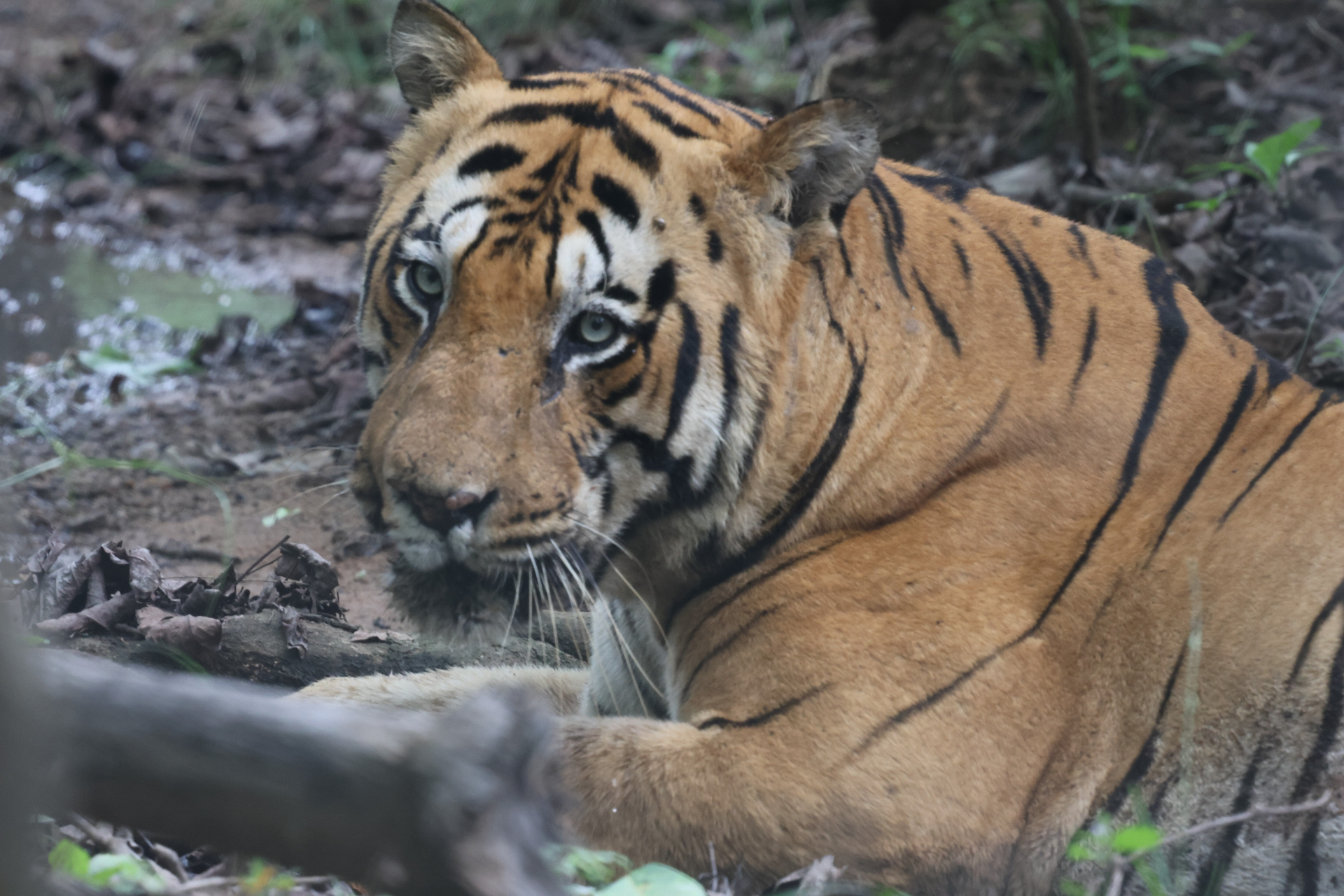
Kamlang has no famous individual tigers, and sightings are almost unheard of. Its story is one of a young tiger reserve, notified in 2017, still building the staffing and equipment that its remote forests need. Ask your naturalist about recent camera-trap news, sightings and pugmarks, because that is where the real stories of this reserve are told. We encourage guests to treat any big-cat sighting here as a privilege rather than a promise, and to enjoy the forest, birds and smaller wildlife along the way.
Your Stay in Kamlang
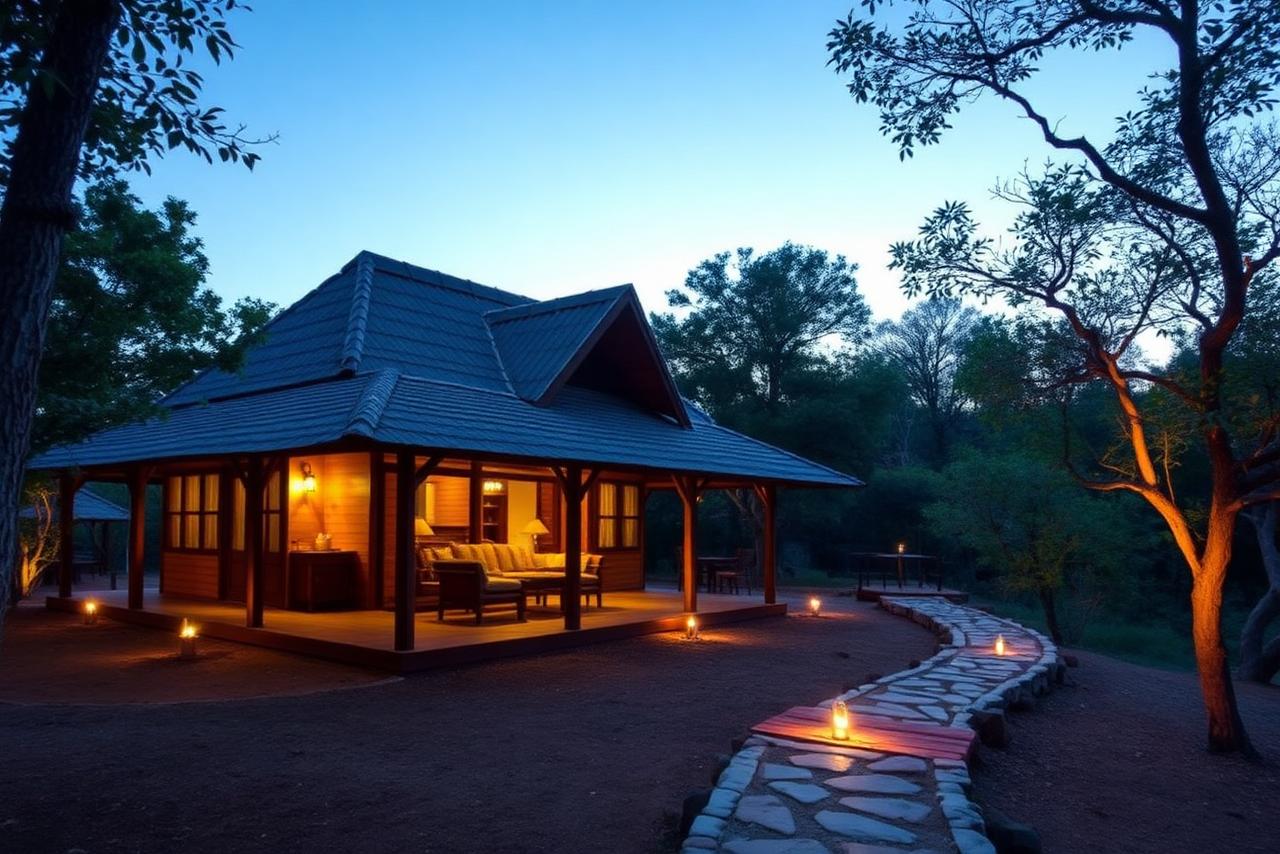
Wakro has basic guesthouses and a few homestays, and it is the nearest base to the reserve. Tezu, the district headquarters, offers more choice, including small hotels and government guest houses. There are no wildlife lodges of the style found in Central India, so choose by access and comfort and expect simple rooms and local meals. Some travellers combine Kamlang with Namdapha and base further south at Miao. We recommend booking through us so that accommodation, permits and vehicles line up properly.
Plan My StaySafari Etiquette
Why Should You Visit Kamlang
Kamlang is one of India's newer tiger reserves and sits in a part of Arunachal where large areas of rainforest are still intact. It lies close to Namdapha and forms part of a forest landscape in the Eastern Himalaya that matters for tigers, elephants and clouded leopards. Visiting does not mean easy wildlife viewing; it means seeing a frontier landscape before tourism arrives. For travellers who value wildness over comfort, and who are happy to leave without a tiger, Kamlang offers solitude, scenery and the sense of being somewhere few people have been. It also helps local communities when visitors choose responsible operators.
Plan My SafariFAQs
Share your details and we'll call you at your preferred time.