My Jungle Junction
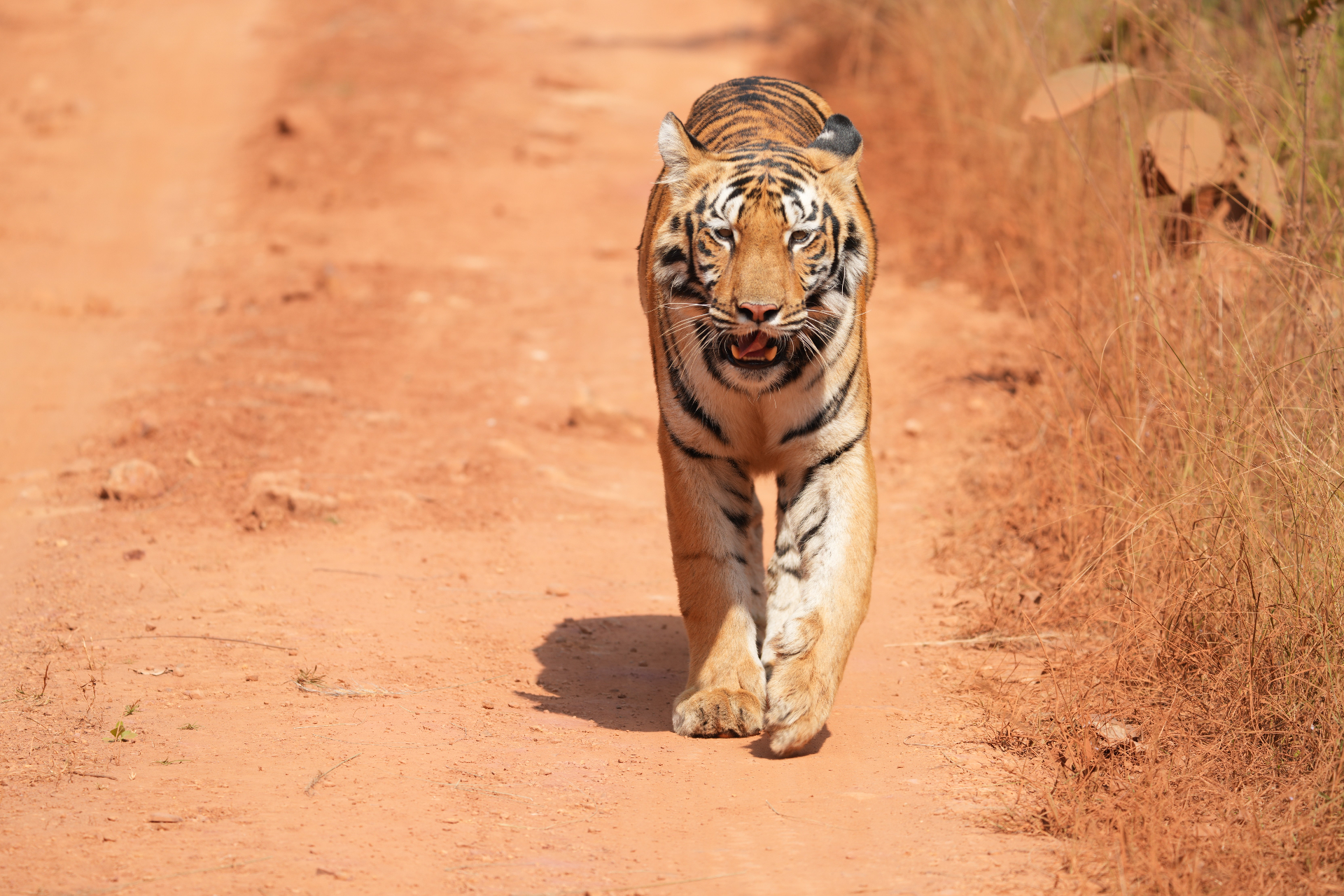
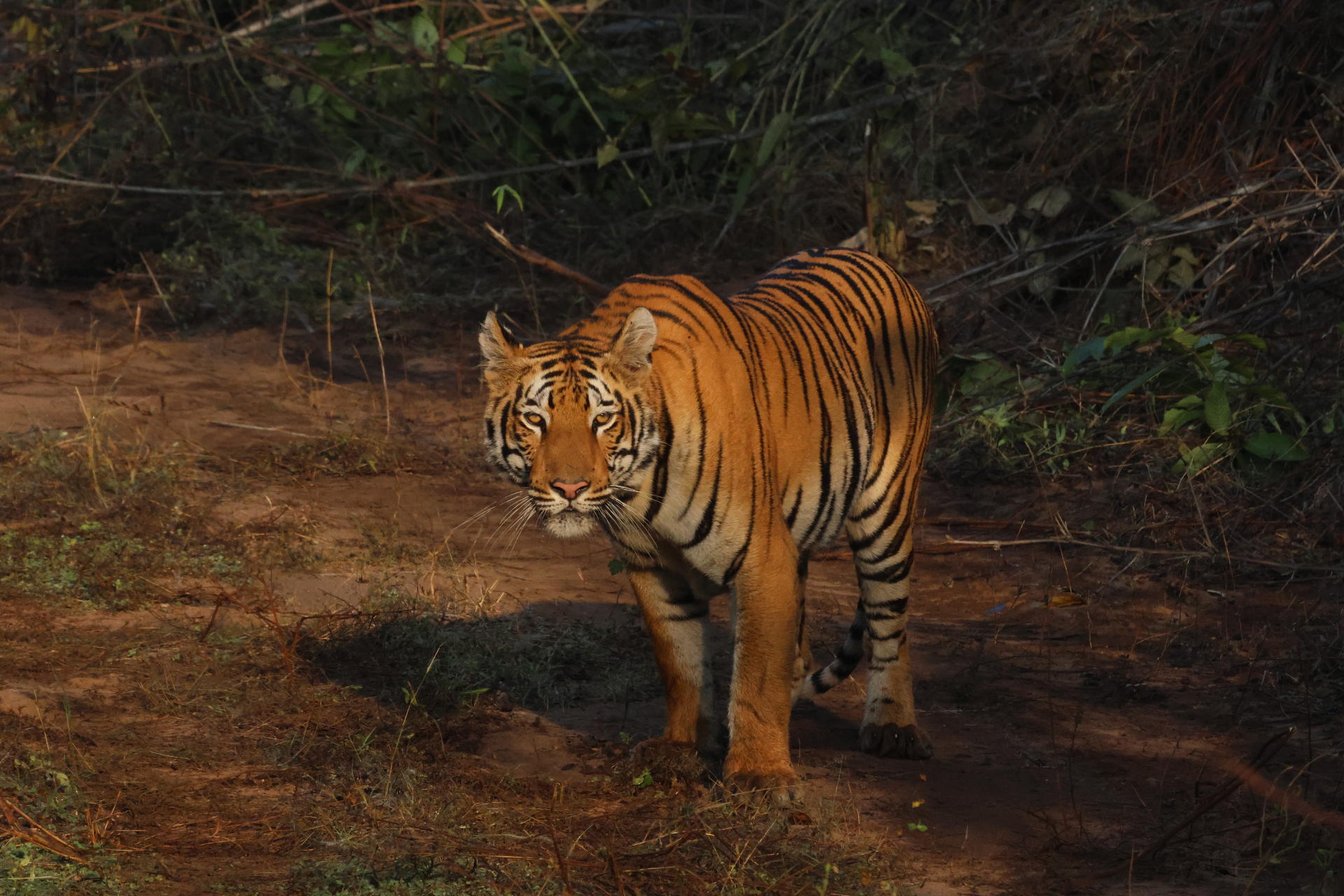
Tigers prowling around a 10th-century fort, lakes and ruined palaces. Ranthambore is India's most photogenic tiger park and one of the best places to see wild tigers in daylight.
My Jungle Junction's Guide to Ranthambore Tiger Reserve
1,334
sq. km reserve
5 + 5
Core + Buffer zones
1973
Declared National Park
Ranthambore Tiger Reserve Safari Packages
At My Jungle Junction, Amit and the team build Ranthambore Tiger Reserve itineraries around how the park actually works: which gate suits your dates, how many safaris give a fair chance of good sightings, and where to sleep so early starts stay painless. We book permits and vehicles well ahead, keep groups small, and can pair Ranthambore Tiger Reserve with other reserves on the same trip. Tell us your dates and pace and we will shape a plan rather than hand you a fixed list.
How Many Safaris Should You Do in Ranthambore Tiger Reserve?
Tiger sightings at Ranthambore are strong but never guaranteed. The more safaris you do, and the more different zones you try, the better your odds. Most of our guests do between three and five, spread across a couple of days and different zones, with a mix of morning and afternoon drives. We handle zone allocation and booking, and can request preferred zones where the system allows.
Best Safari Zones
Ranthambore is divided into ten numbered safari zones. Zones 1 to 5 are the more central, premium areas, while zones 6 to 10 lie in the buffer. Zones 2 and 3, around the lakes and the fort, are among the most popular, because of the scenery and frequent tiger sightings, though tigers also use the quieter zones. Zone allocation for each safari is decided by the forest department's draw, so you cannot always choose. We always try to mix zones across your safaris and tell you the likely options, and in practice every zone has its own reputation and can deliver.
One of the central zones, with forest and open areas. Tiger sightings are possible, and it is often combined with other zones.
Among the most popular zones, near the lakes and the fort, with a good record for tiger sightings.
A popular zone near the fort and lakes such as Padam Talab, known for scenic drives and frequent tiger activity.
A central zone with a mix of forest and open terrain, regularly allocated to visitors.
A central zone offering varied terrain and sightings of tigers and other mammals.
Buffer zones around the central area, quieter than the core zones, with tigers, leopards and good birdlife.
How to Reach & When to Visit
Jaipur International Airport is the nearest major airport, roughly 3 to 4 hours by road from Ranthambore. Delhi is another option, mostly for those combining with rail.
Sawai Madhopur Junction is on the Delhi-Mumbai main line, with many trains from Delhi, Jaipur, Mumbai and Kota. The park gates are a short drive from the station.
Ranthambore is reached by road from Jaipur, around 3 to 4 hours, and from Delhi, typically 6 to 8 hours. Roads are good, and we arrange private transfers.
October to June is the main safari season. Sightings are best in the hotter months, while winter is more comfortable.
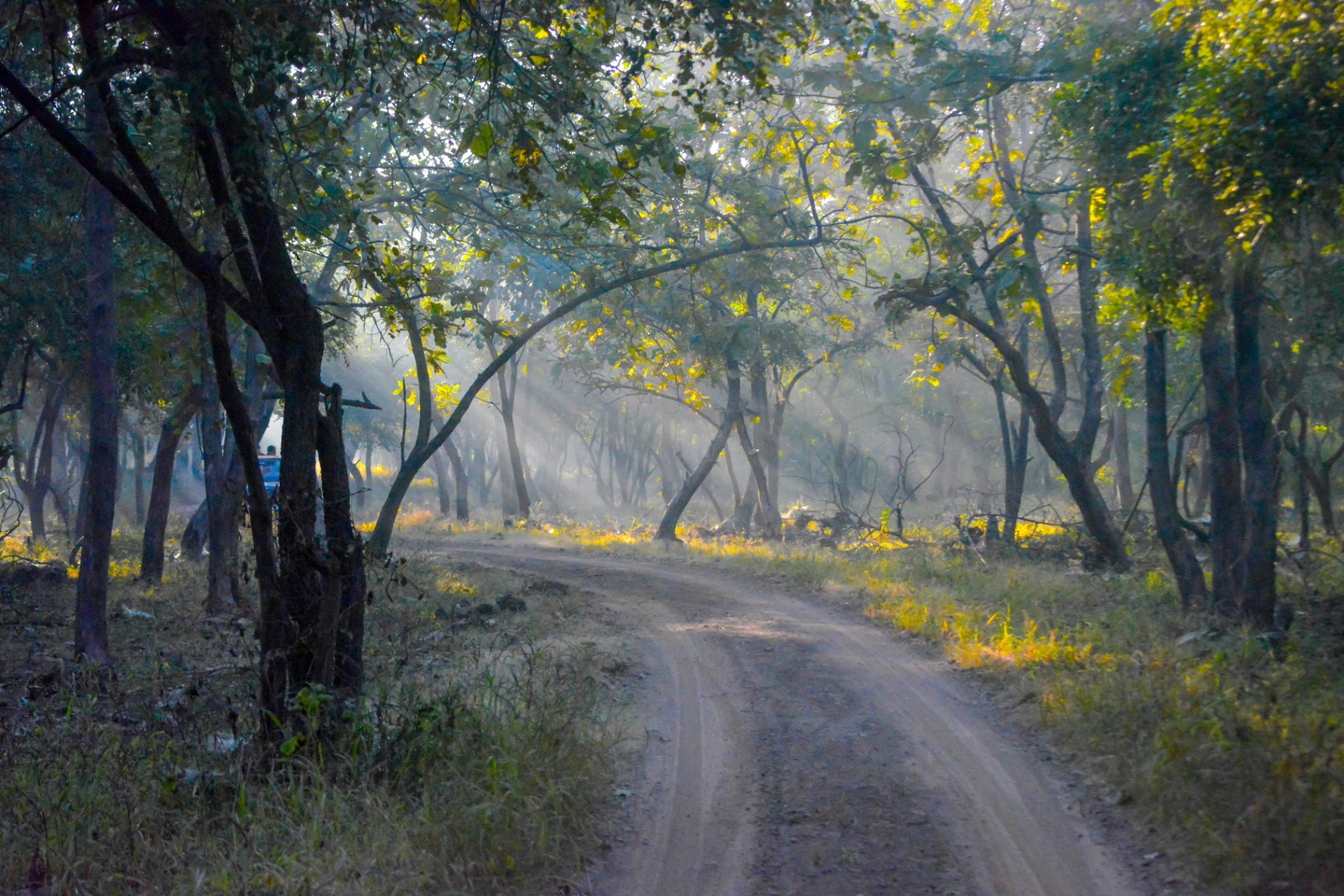
Cool, clear mornings with misty starts. Comfortable weather and good wildlife, though cold in open jeeps early on, so dress in layers.
Hot, but widely considered the best time for tigers, as animals visit the lakes and foliage is thin. Go early and bring water.
The core zones are generally closed for the rains. Check with us for the current rules, as some buffer areas may operate.
MJJ Insight : Ranthambore safaris are booked online through the Rajasthan forest department and sell out quickly for peak periods. Give us your dates as early as possible, and ideally book several months ahead.
The Wildlife of Ranthambore Tiger Reserve
Tiger is the star, but Ranthambore has a rich supporting cast. Leopards live on the rocky ridges, and sloth bears, striped hyenas, jackals, caracals and jungle cats are also found. Sambar, chital, nilgai, wild boar and Indian gazelle are the main herbivores, and marsh crocodiles bask around the lakes. Birdlife is excellent, with painted storks, kingfishers, Indian eagle-owls, crested serpent eagles, peafowl and many migratory ducks in winter. Langurs are everywhere, and the dhok-dominated forest changes character after the rains. Tiger sightings are common but never guaranteed.
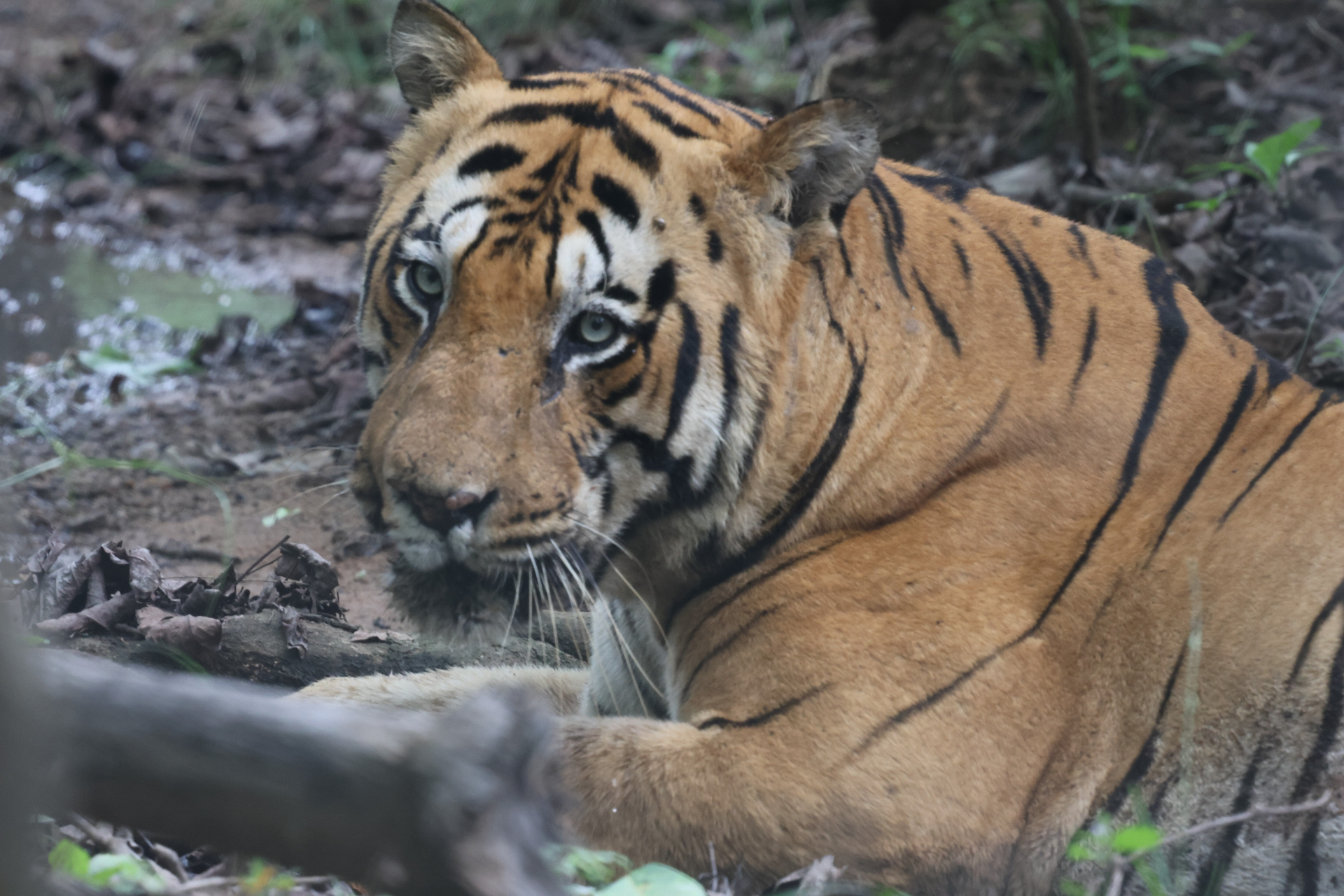
Famous Tigers of Ranthambore
Ranthambore's tigers are celebrities. Machli, known as the Lady of the Lake, was one of the most photographed tigers in the world, and relatives such as Arrowhead, Noor and Riddhi became stars in their own right. Individual tigers change over time, so ask your guide who is currently being seen.
Your Stay in Ranthambore Tiger Reserve
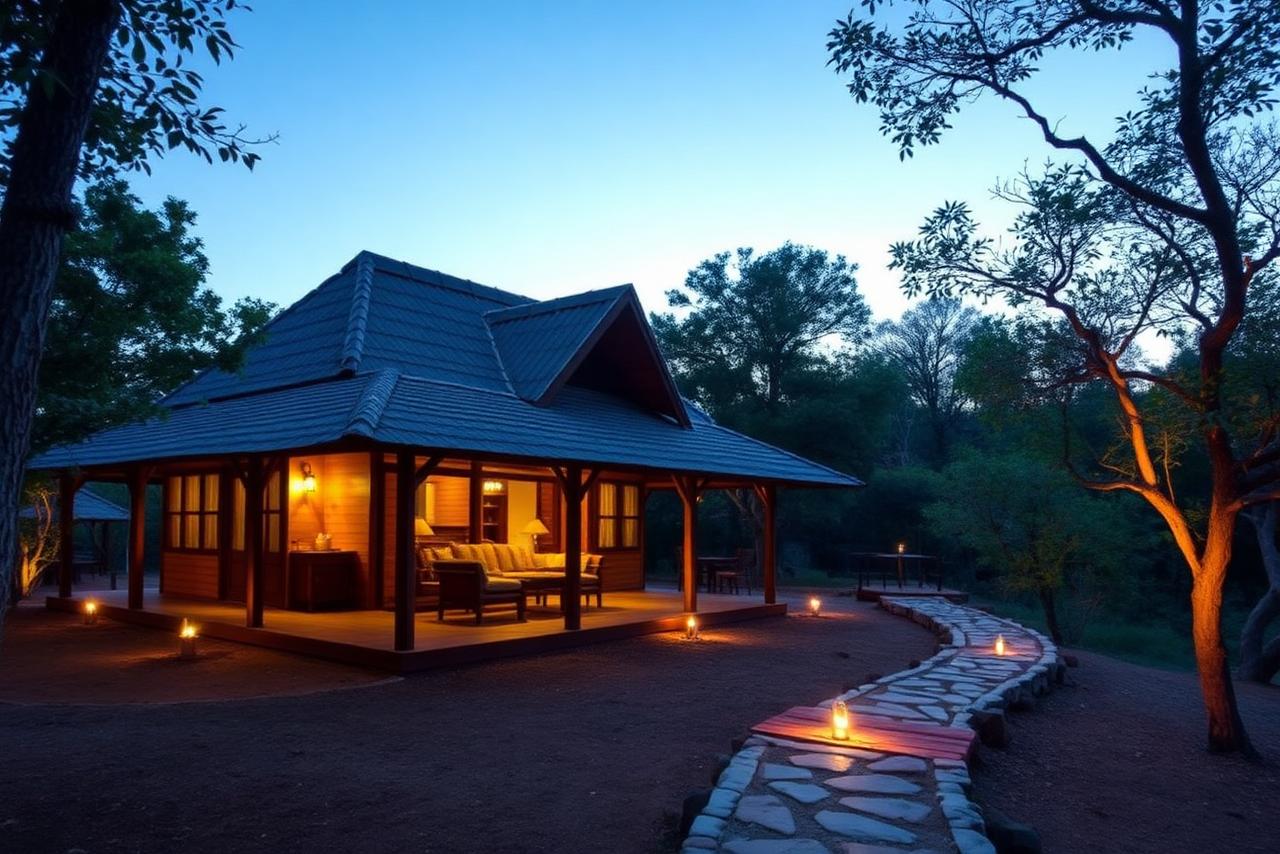
Most lodges and resorts are along the Ranthambore Road in Sawai Madhopur, between the town and the park gates, giving easy access to the zones. Options range from simple guesthouses to heritage hotels and luxury camps, some with views of the Aravalli hills. Choose by budget, style and how close you want to be to the gate, and look for lodges with strong naturalists, quiet grounds and meals timed for safari schedules. A few lodges sit further out, which gives more privacy but longer transfers. We can recommend a stay that matches your group and travel style.
Plan My StaySafari Etiquette
Why Should You Visit Ranthambore Tiger Reserve
Ranthambore has a unique combination of scenery, history and wildlife. A hilltop fort, lakeside ruins and rocky ridges form the backdrop for some of the best tiger photography in India. The park is also a remarkable conservation success, with tigers that are comfortable with vehicles and reliably seen. It sits on a convenient circuit from Delhi, Agra and Jaipur, so it fits easily into a wider India trip. If you want a high chance of a tiger sighting, a beautiful setting and good infrastructure, Ranthambore is one of the strongest choices in the country.
Plan My SafariFAQs
Share your details and we'll call you at your preferred time.