My Jungle Junction

Sathyamangalam Tiger Reserve, Erode & the Eastern-Western Ghats Link

A vast, rugged forest in Erode district where the Western and Eastern Ghats meet: elephants, gaur, leopards and a growing tiger population, with safaris booked through the reserve.

15+ years of travel experience
Hosted by Amit (MJJ)

Plan Your Safari

Talk to a wildlife specialist.

By submitting, you agree to be contacted by My Jungle Junction.

By submitting, you agree to our Cancellation & Refund Policy and Privacy Policy.

Scroll

Plan Your Safari

Talk to a wildlife specialist.

By submitting, you agree to be contacted by My Jungle Junction.

By submitting, you agree to our Cancellation & Refund Policy and Privacy Policy.

My Jungle Junction's Guide to Sathyamangalam Tiger Reserve

The Sathyamangalam Tiger Safari Experience

Sathyamangalam was notified as a tiger reserve in March 2013, Tamil Nadu's fourth. It covers about 1,408 sq km in Erode district, with roughly 793 sq km of core and 615 sq km of buffer. It grew from a wildlife sanctuary created in 2008 and enlarged in 2011.

The forest ranges include Sathyamangalam, Bhavanisagar, T.N. Palayam and Thalavadi. The area was once the haunt of the bandit Veerappan, and the forest's remoteness is part of why it has stayed so intact.

The reserve's own website handles safari bookings, with jeeps carrying up to six people and canters for larger groups. Two nights is plenty, ideally within a wider Nilgiris or Mudumalai trip.

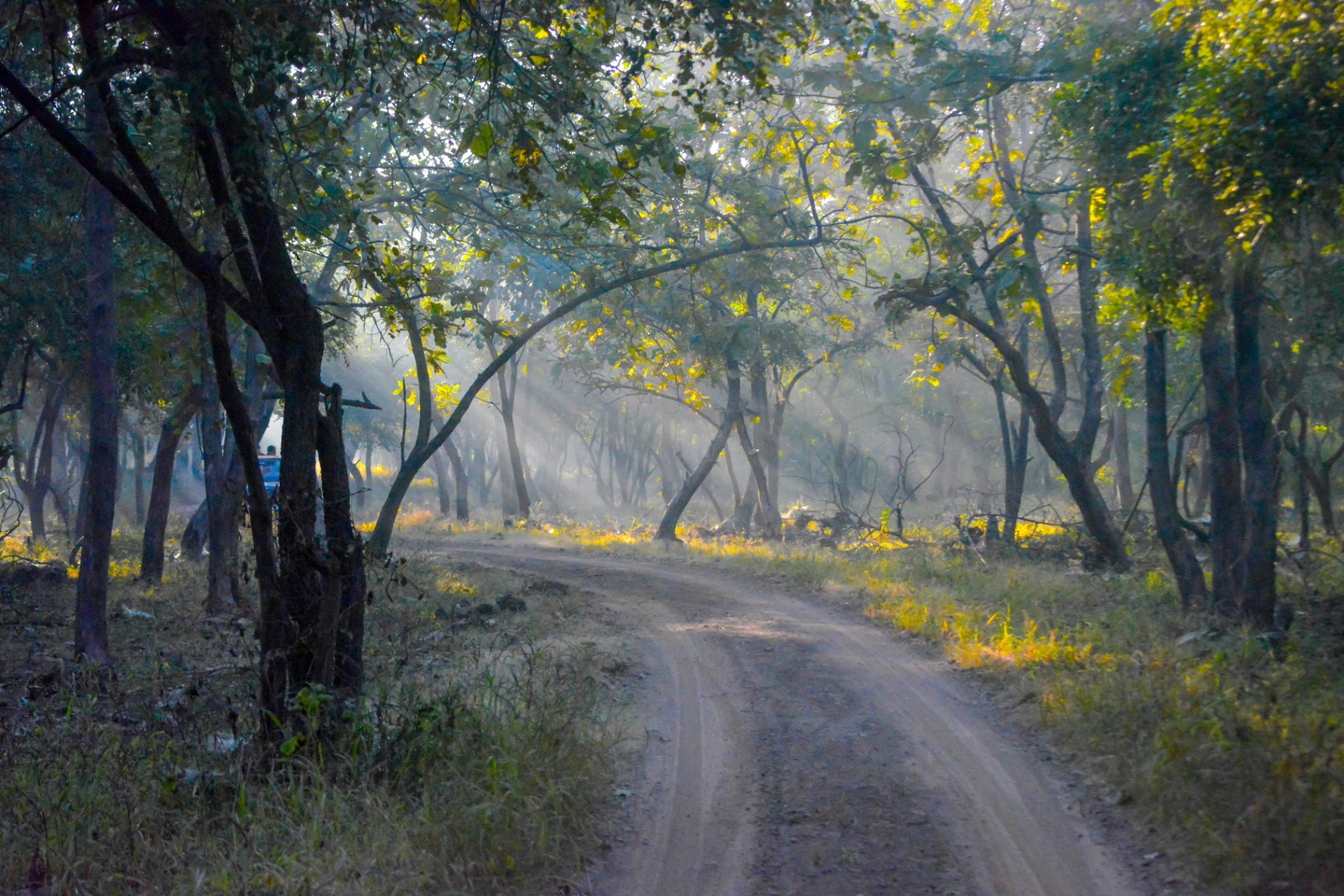
The hills near Dimbam offer long views and cooler air at dawn, which makes the early start worthwhile.

1,408

sq. km reserve

1 + 1

Core + Buffer zones

2013

Declared National Park

Sathyamangalam Safari Packages

My Jungle Junction's Bestselling Sathyamangalam Safari Packages

We build Sathyamangalam trips around the reserve's own booking system and a comfortable base nearby. Itineraries confirm the safari date and vehicle type, arrange a guide and sensible transfers from Coimbatore or Erode, and can add Mudumalai, Bandipur or Ooty. Because facilities are modest, we are straightforward about the standard of accommodation and about how likely sightings are. We stay flexible throughout.

How Many Safaris Should You Do in Sathyamangalam?

Two or three drives suit this big forest

The reserve is vast, but the safari routes available to visitors are limited, so we recommend two or three drives rather than a long stay. Book jeeps or canters through the reserve, and allow time for the road in. Elephants are the usual highlight; tigers are seen only occasionally. Keep the first drive for early morning, when elephants are most active, and use the second in the late afternoon when the heat fades.

Two safaris give a morning and an afternoon on the main route, a good introduction to the forest and its elephants and gaur.

Three safaris is our usual advice, allowing a second attempt at dawn or dusk when animals are most active and improving your chances of a leopard or other cats.

Four to six safaris is only sensible if you combine Sathyamangalam with Mudumalai and Bandipur, spreading your drives across several forests.

The reserve suits patient travellers and returning visitors who enjoy quieter, less polished safari experiences, and less suits those wanting guaranteed tiger sightings.

We confirm vehicle type first.

Best Safari Zones

Safari Zones in Sathyamangalam

Sathyamangalam is managed by forest range, and the reserve's official site offers safaris on selected routes, with the Dimbam hills area, including the Dimbam to Tipu Sultan Road route, being a known early safari trail. The reserve's ranges are Sathyamangalam, Bhavanisagar, T.N. Palayam and Thalavadi. Jeeps carry up to six passengers and canters take larger groups. Routes and timings can change, so we confirm the current booking options and entry points on the reserve's site before each trip. Carry photo identification.

T.N. Palayam Range

Dry deciduous forest on the eastern edge towards Gobichettipalayam, with scrub, bamboo and seasonal streams. Elephant and gaur are seen more often than tigers here; good for birds and a quieter drive.

Sathyamangalam Range

Plains and lower hills near Sathyamangalam town.

Bhavanisagar Range

Forest around the Bhavanisagar reservoir side of the reserve.

Thalavadi Range

Northern range towards the Karnataka border.

Dimbam Hills Route

Hill route reported as an early safari trail; confirm current availability.

How to Reach & When to Visit

How to Reach & Best Time to Visit Sathyamangalam

✈️

By Air

Coimbatore International Airport is the nearest major airport; allow roughly two to three hours by road to Sathyamangalam. Bengaluru and Mysuru are alternatives for those coming from Karnataka.

πŸš†

By Train

Erode Junction is the main railway hub for the region, and Coimbatore is also well connected. Taxis and buses run on to Sathyamangalam, which is the base for the reserve.

πŸš—

By Road

Sathyamangalam lies on the main road between Coimbatore, Erode and Mysuru, and is a straightforward drive. Private cars give flexibility; the Dimbam hill road has sharp bends and needs time.

Best Time to Visit Sathyamangalam

Sathyamangalam changes character through the year; here is what each season offers.

πŸ‚
Winter
Oct - Feb

Cooler months after the rains, with lush forest in October and November. Pleasant for drives and bird watching.

β˜€οΈ
Summer
Mar - May

The official site calls this the best time for tigers, as animals gather near water. Hot, so keep drives to early morning and evening.

🌧️
Monsoon
Jun - Sep

Closed for the monsoon per the reserve site. Plan your trip outside these months and confirm dates before you book.

MJJ Insight : Tip: Safari slots are booked through the reserve's official website. Tell us your dates early and we will check availability for you.

The Wildlife of Sathyamangalam

Beyond the Tiger: Sathyamangalam's Wildlife

Sathyamangalam supports a wide range of dry-forest and hill species. Asian elephants are the most frequently seen, along with gaur, sambar, chital and wild boar. Leopard, sloth bear and dhole are present, and tiger is recorded by camera trap and occasional sightings. The reserve site cites figures for tigers and elephants, but we treat population numbers cautiously as they change with each census. The forest also supports pangolin, birds of prey including vultures, and reptiles. Because the animals are shy, a guide who knows the routes makes a real difference.
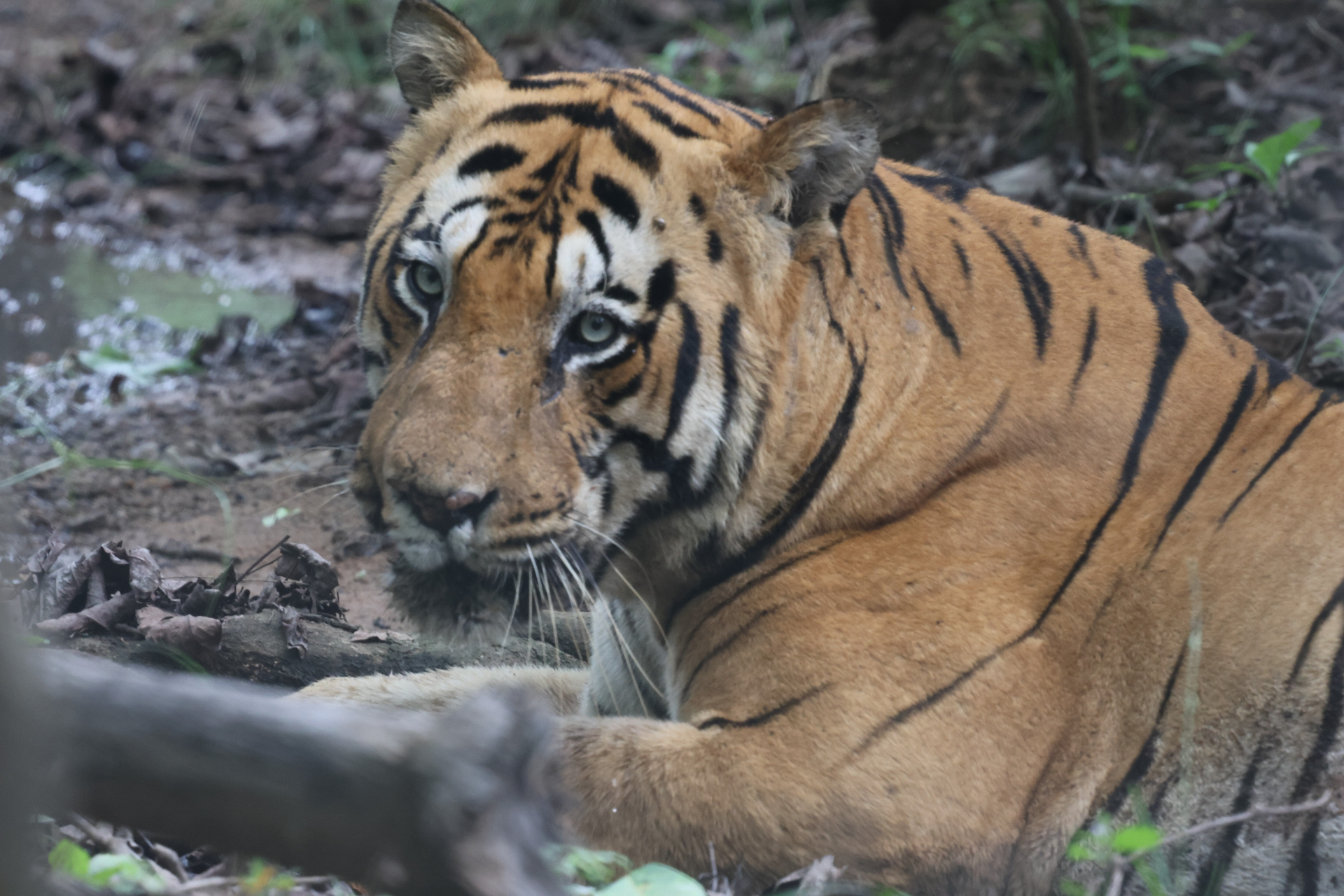
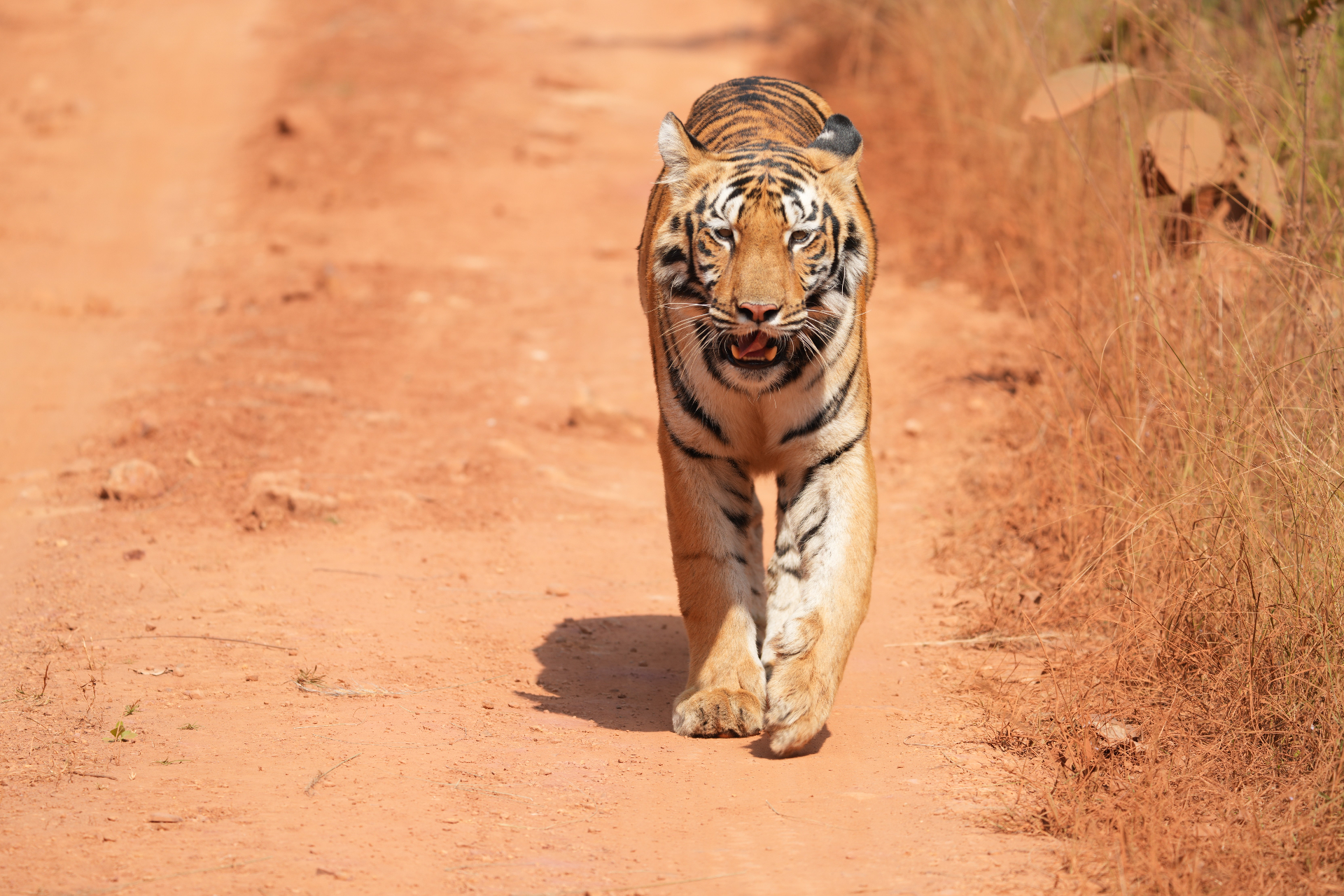
Sathyamangalam Tiger Reserve, Erode & the Eastern-Western Ghats Link - wildlife sighting

Tigers & Elephants of Sathyamangalam

A rising tiger reserve with a notorious past

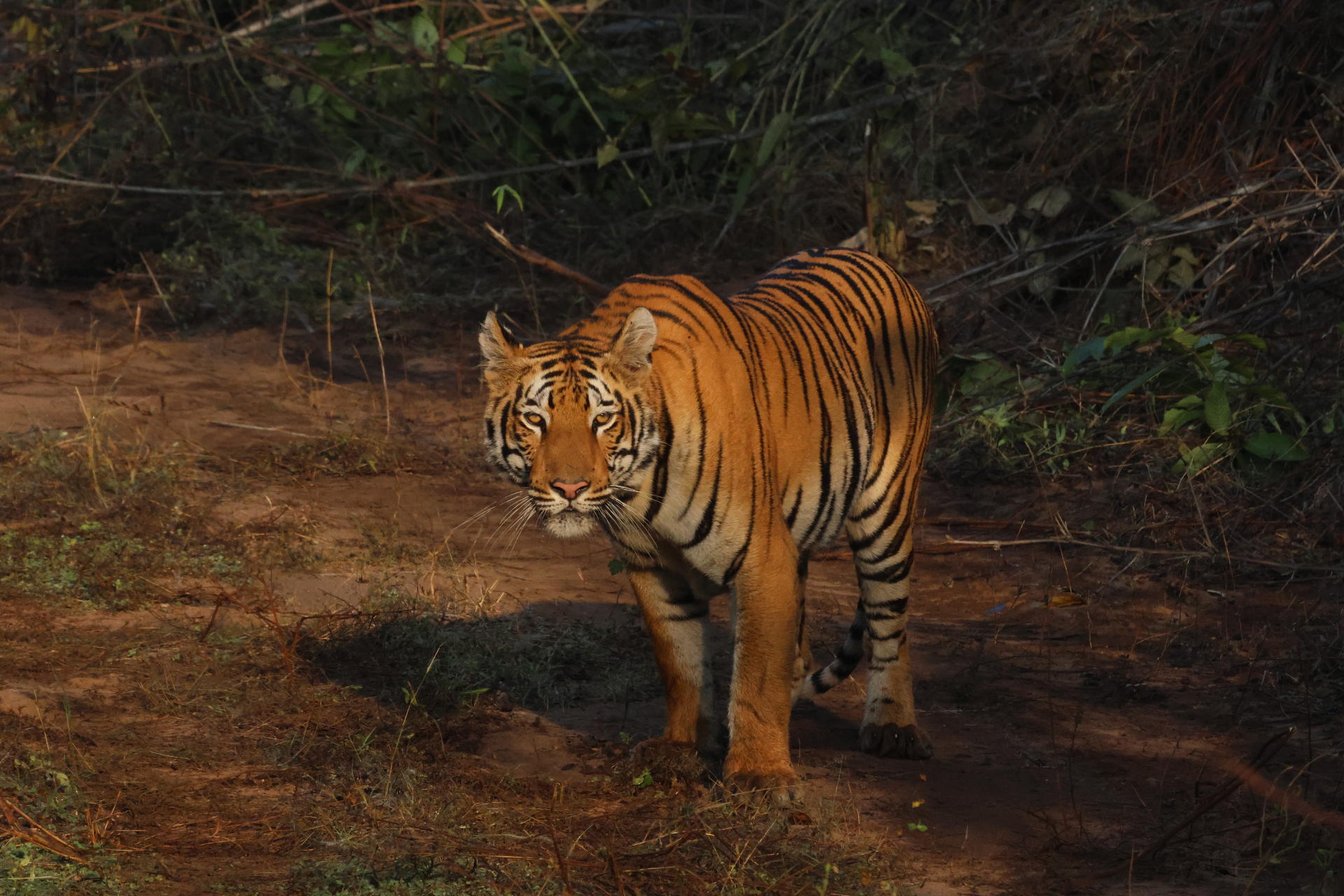
Sathyamangalam has no celebrity tigers yet. Its reputation rests on its elephants, its role as a wildlife corridor, and its history as the forest where the bandit Veerappan once operated. Tigers are present and increasing, and the reserve site reports a sizeable population, though we avoid quoting exact numbers. We share recent reports from forest staff before your drive, so expectations remain realistic and fair.

Dimbam hills Elephant corridor Thalavadi Bhavanisagar

For decades the Sathyamangalam forest was best known as the hideout of the bandit Veerappan, which kept visitors and development away. That isolation helped the forest recover, and wildlife has since returned in numbers.

The area was upgraded from a sanctuary in 2008 and enlarged in 2011 before becoming a tiger reserve in 2013. Camera-trap surveys have recorded tigers and a large elephant population, though sightings by visitors remain occasional.

We do not name individual tigers here because none are reliably documented for visitors. The real story is the corridor and the recovery of a once-closed forest.

Ask your guide for news.

Your Stay in Sathyamangalam

Your Stay in Sathyamangalam

Where to Stay near Sathyamangalam

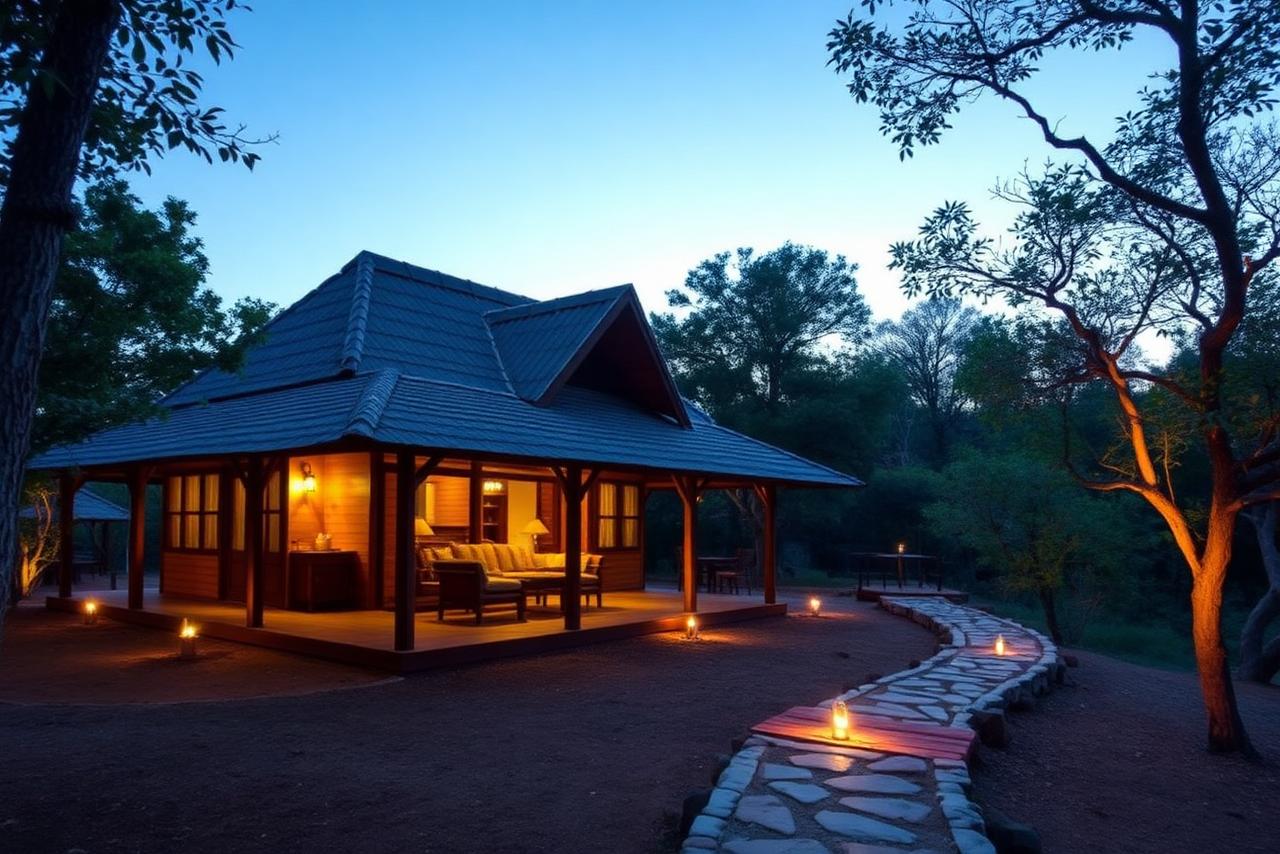
Accommodation near the reserve is modest, and the reserve's own site notes that most facilities are simple. Sathyamangalam town has basic hotels and lodges, while Erode and Coimbatore offer a wider range if you do not mind a longer drive. Some travellers base themselves in Masinagudi near Mudumalai and drive across. Choose by how early you must start, the comfort you need and whether you are combining forests. We help you choose and book, and are open about facility standards.

Plan My Stay

Safari Etiquette

Dos and Don'ts on a Sathyamangalam safari

βœ“ Dos

  • βœ“ Keep your voice low inside the forest.
  • βœ“ Listen to your guide and naturalist.
  • βœ“ Respect safari routes and forest regulations.
  • βœ“ Carry water, sun protection and suitable clothing.
  • βœ“ Keep your camera ready without disturbing wildlife.

βœ• Don'ts

  • βœ• Ask the driver to break rules.
  • βœ• Request a driver to block an animal's movement.
  • βœ• Feed wildlife.
  • βœ• Throw anything from the vehicle.

Why Should You Visit Sathyamangalam

A key link in the southern tiger and elephant landscape

Sathyamangalam matters because it connects the forests of the Nilgiris, Karnataka's Biligiri hills and the Eastern Ghats, which lets elephants and tigers move between large populations. That connectivity is rare in southern India. For visitors, it offers a large, little-visited forest and a chance to see conservation in a growing reserve rather than a polished tourist spot. It also rewards those who enjoy hills, wide views and elephant herds. If you want a quieter alternative to Mudumalai and Bandipur, and you accept modest facilities, it is well worth considering. Protecting it also helps farmers and villages who share the forest edge with elephants, which makes conservation here a community effort.

Plan My Safari

FAQs

Frequently asked questions about Sathyamangalam

Get a Callback WhatsApp Us
βœ“ Request sent! We'll be in touch soon.