My Jungle Junction

Sanjay-Dubri National Park & Tiger Reserve

Sanjay-Dubri is a lesser-known Madhya Pradesh reserve in the Bandhavgarh landscape. Expect quiet sal forest, river valleys and uncrowded jeep safaris.

15+ years of travel experience
Hosted by Amit (MJJ)

Plan Your Safari

Talk to a wildlife specialist.

By submitting, you agree to be contacted by My Jungle Junction.

By submitting, you agree to our Cancellation & Refund Policy and Privacy Policy.

Scroll

Plan Your Safari

Talk to a wildlife specialist.

By submitting, you agree to be contacted by My Jungle Junction.

By submitting, you agree to our Cancellation & Refund Policy and Privacy Policy.

My Jungle Junction's Guide to Sanjay-Dubri Tiger Reserve

The Sanjay-Dubri Tiger Safari Experience

The reserve combines Sanjay National Park and Dubri Wildlife Sanctuary with buffer land from Sidhi and Shahdol districts. The official permit portal lists five core tourism zones: Koilari, Dubari, Giddha, Bastua and Machmahua, each with its own entry gate.

Most guests visit as an add-on to Bandhavgarh, a drive of roughly 100 km, and two nights is enough for four safaris. The reserve is closed to visitors in the monsoon, from July to September.

The Sanjay park dates from 1981, and the tiger reserve was notified in 2011 after Dubri was merged with it. In recent years, new accommodation has been planned, so facilities may improve. We keep an eye on what has opened, and we will tell you plainly what is and is not available when you book.

1,674

sq. km reserve

5 + 1

Core + Buffer zones

2011

Declared National Park

Sanjay-Dubri Safari Packages

My Jungle Junction's Bestselling Sanjay-Dubri Safari Packages

We plan Sanjay-Dubri itineraries around the way the park actually works, not a generic template. Sanjay-Dubri is still developing, so we confirm gate availability, lodges and vehicles ourselves before you commit. Amit and the team book permits and vehicles early, choose lodges for the gate you will use, and can combine Sanjay-Dubri with Bandhavgarh or Kanha so the trip has a sensible rhythm. Tell us your dates and group, and we will build around them.

How Many Safaris Should You Do in Sanjay-Dubri?

Two Nights Alongside Bandhavgarh

Sanjay-Dubri is not a park where you need many safaris, since the sightings are more about atmosphere and the chance of a tiger than about a guaranteed one. Most of our guests spend two nights here as an extension to Bandhavgarh, taking morning and afternoon drives. A third night is worth adding only if you want to try more than one gate.

Two safaris give you a taste of the forest and river valleys, and are enough if you are already travelling through the area.

Three or four safaris over two nights is our recommendation. It covers a morning and afternoon in the same gate or a change of gate, and gives you a fair chance of tiger, sloth bear or leopard.

Five or six safaris suit confirmed wildlife enthusiasts who want to explore more than one zone. Sanjay-Dubri suits guests who value quiet, a lack of crowds and a rural setting. For guaranteed sightings, Bandhavgarh and Kanha remain stronger bets, so we usually pair them.

Best Safari Zones

Core Zones & Gates in Sanjay-Dubri

The Madhya Pradesh forest permit portal lists five core tourism zones in Sanjay-Dubri: Koilari, Dubari, Giddha, Bastua and Machmahua. Each has an entry gate: Badkadol for Dubari, Karwahi for Giddha, Kholipahari for Bastua and Kusmi for Machmahua. Permits are issued for morning and evening drives, with a daily quota in each zone. Not all zones are equally developed, and the main tourism activity has so far concentrated in a few of them. We confirm which zones are best for your dates and which lodges are closest, because distances between gates can be considerable.

Machmahua Zone (Kusmi Gate)

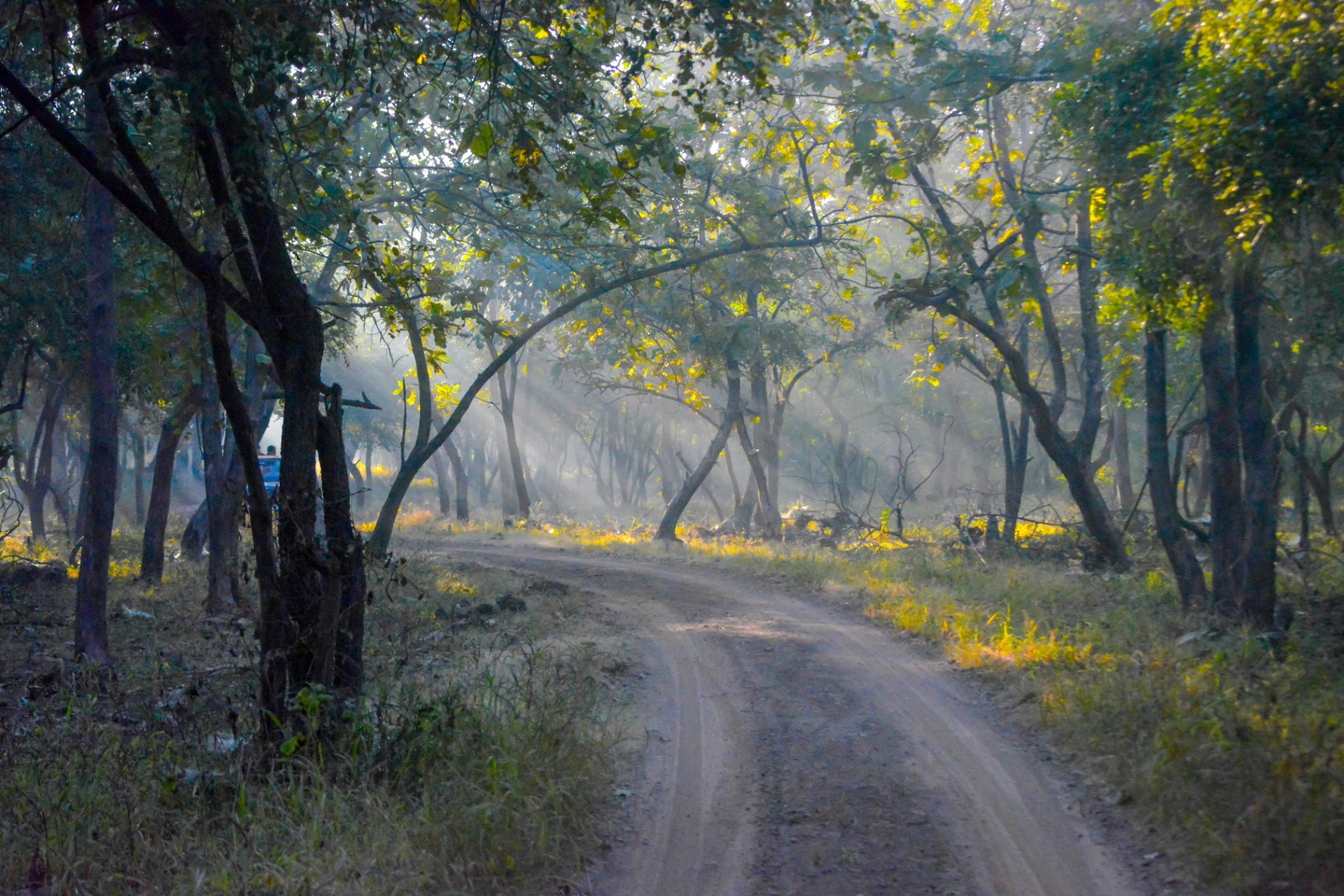
Core zone entered through the Kusmi gate on the Sidhi side. Sal forest, nullahs and grassy openings make it the zone most associated with tiger movement, and it is the usual choice for a first safari.

Dubari Zone (Badkadol Gate)

One of the better-known tourism zones. Entry is via Badkadol.

Giddha Zone (Karwahi Gate)

Core tourism zone with entry through the Karwahi gate.

Bastua Zone (Kholipahari Gate)

Core zone entered via the Kholipahari gate.

Koilari Zone

Listed as a core zone on the permit portal. Check current access with us.

How to Reach & When to Visit

How to Reach & Best Time to Visit Sanjay-Dubri

✈️

By Air

There is no convenient direct flight. Jabalpur is the most useful major airport for the region. Distances are long, so ask us to plan the transfer.

πŸš†

By Train

Umaria and Shahdol are the most useful railheads in the region. Bandhavgarh's Umaria station is a common arrival point, followed by a road transfer.

πŸš—

By Road

From Bandhavgarh, the drive is roughly 100-110 km to the Badkadol gate, about three hours. Roads inside the region vary, so allow generous time.

Best Time to Visit Sanjay-Dubri

The reserve is closed to visitors in the monsoon. The dry months give the best wildlife viewing.

πŸ‚
Winter
Nov - Feb

Cool and pleasant, with good light for photography and comfortable drives. Early mornings can be cold.

β˜€οΈ
Summer
Mar - Jun

Hot, but wildlife concentrates near water and sightings improve. Go early and avoid the midday heat.

🌧️
Monsoon
Jul - Sep

The reserve is closed to visitors from 1 July to 30 September. The forest is lush but safaris are not available.

MJJ Insight : Pair Sanjay-Dubri with Bandhavgarh and plan the transfer in daylight. The permit quotas are small per zone, so we book early in the peak months.

The Wildlife of Sanjay-Dubri

Beyond the Tiger: Sanjay-Dubri's Wildlife

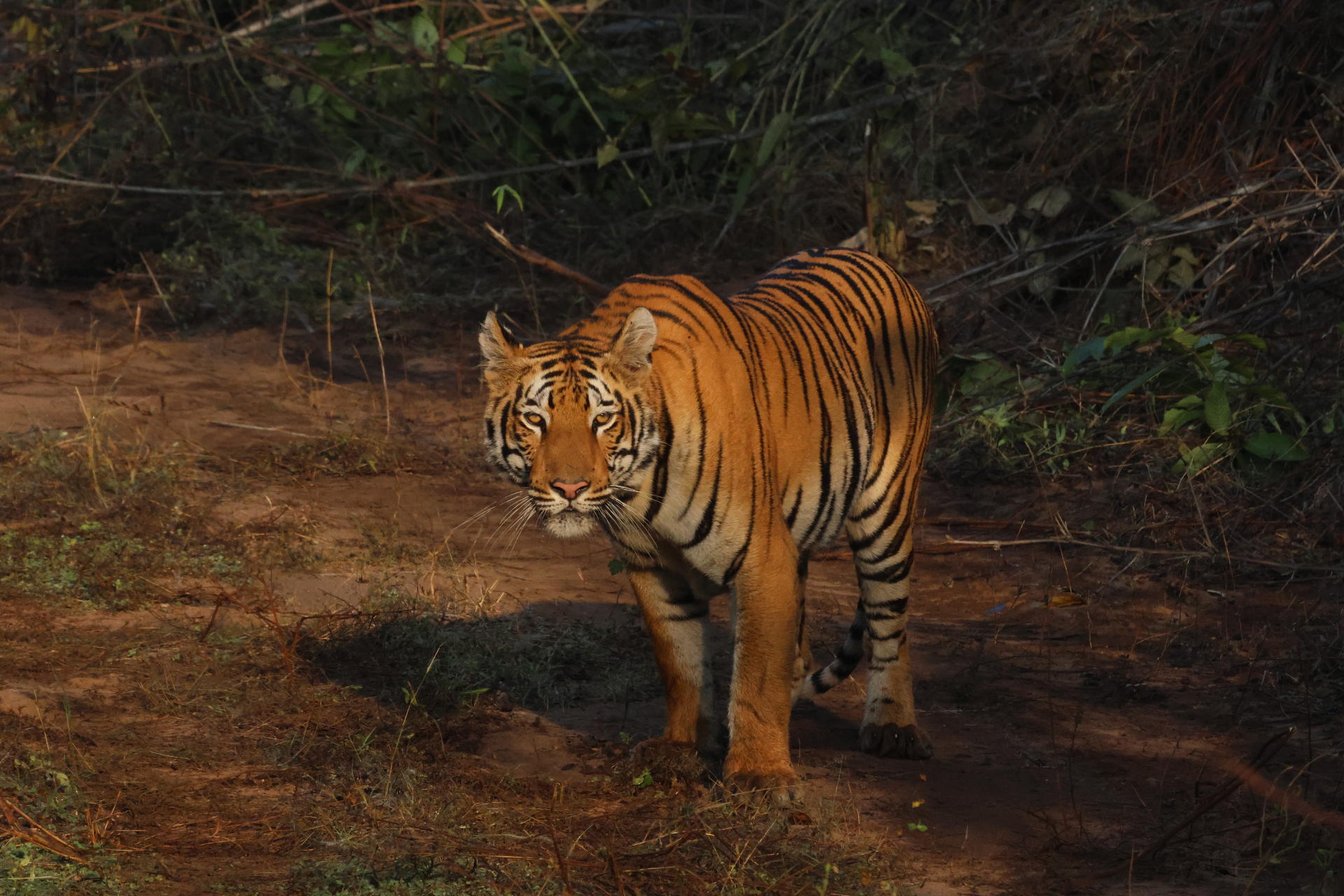
Sanjay-Dubri's list is typical of eastern Madhya Pradesh. Tiger, leopard, sloth bear and dhole are present, with sambar, chital, nilgai, gaur, barking deer and wild boar among the herbivores. Four-horned antelope and chinkara may be seen in the right habitat. The rivers and ponds support marsh crocodile and a wide variety of waterbirds, and the forest hosts hornbills, owls and raptors. Because the reserve is lightly visited, the animals can be shy, and sightings often come after a patient wait. Guides here are friendly and knowledgeable about the less obvious wildlife.
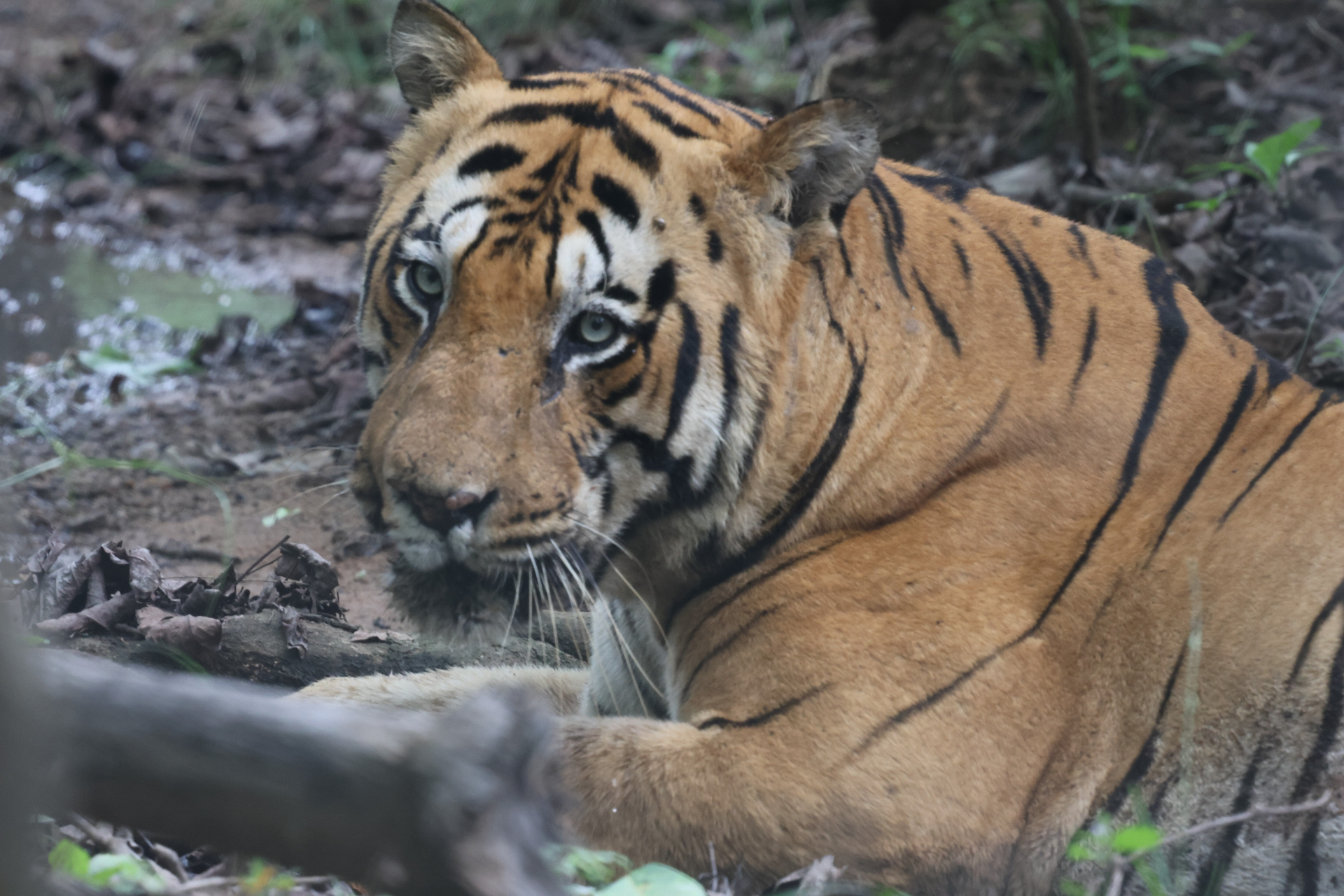
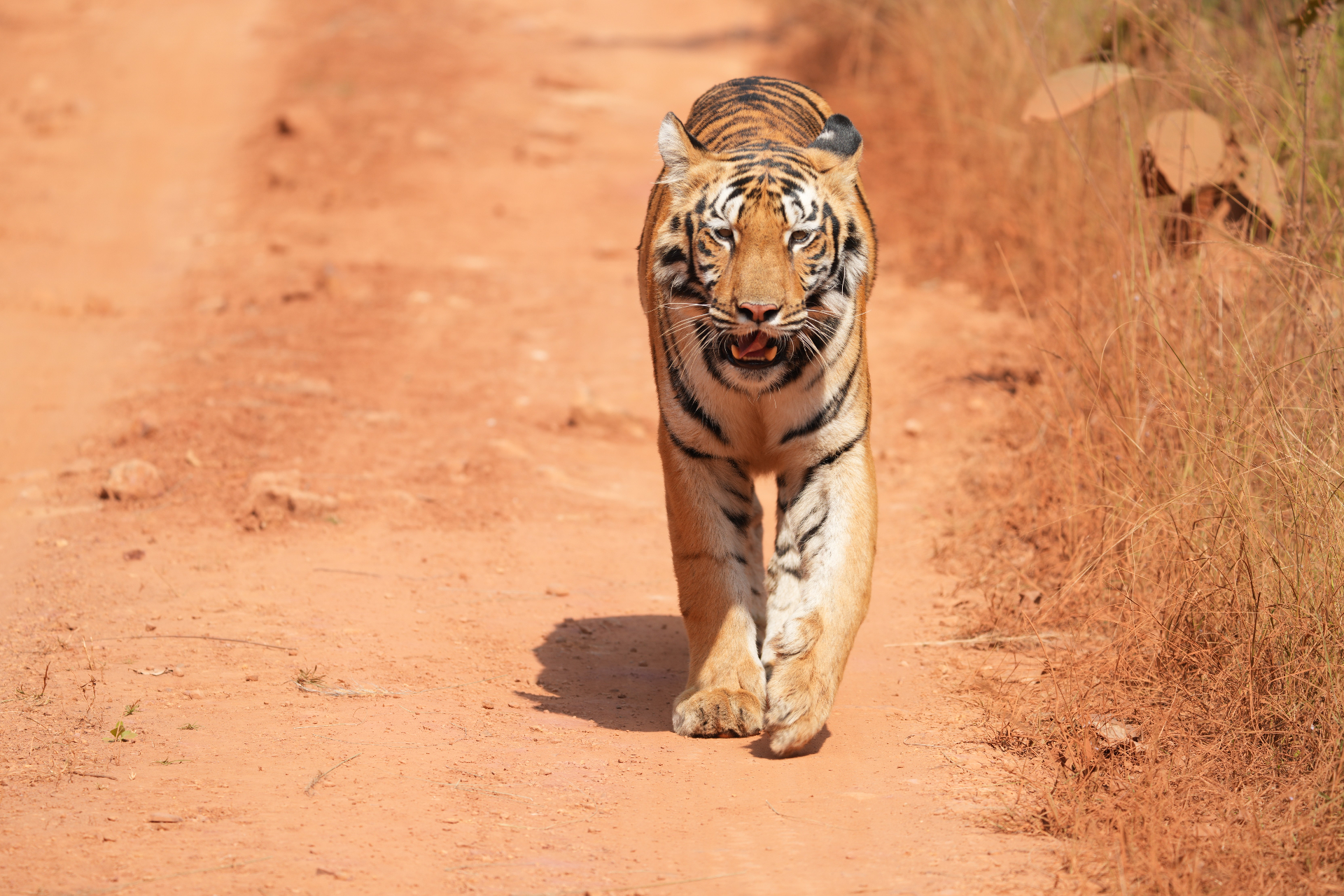
Sanjay-Dubri National Park & Tiger Reserve - wildlife sighting

Sanjay-Dubri's Conservation Story

A forest corridor on the edge of Bandhavgarh country

Sanjay-Dubri has no widely known individual tigers, and we avoid making claims we cannot confirm. Its importance is as part of a larger forest landscape that allows tigers to move between Madhya Pradesh and Chhattisgarh, and as a reserve whose tourism is only beginning to develop, so honest, up-to-date advice matters more here than glossy promises.

Dubari Giddha Bastua Machmahua Banas river

Sanjay National Park was established in 1981, and Dubri Wildlife Sanctuary was merged with it when the tiger reserve was notified in 2011. Together with buffer areas from Sidhi and Shahdol districts, it forms a large protected block.

The reserve lies in the same broad landscape as Bandhavgarh and the forests to the east, which makes it a potential corridor for tigers and other wide-ranging animals. Conservation work here is mainly about keeping that connection open.

For visitors, this means the main reward is atmosphere rather than a particular animal. Our guides will tell you what has been seen recently, and we will not promise sightings.

Your Stay in Sanjay-Dubri

Your Stay in Sanjay-Dubri

Where to Stay in Sanjay-Dubri

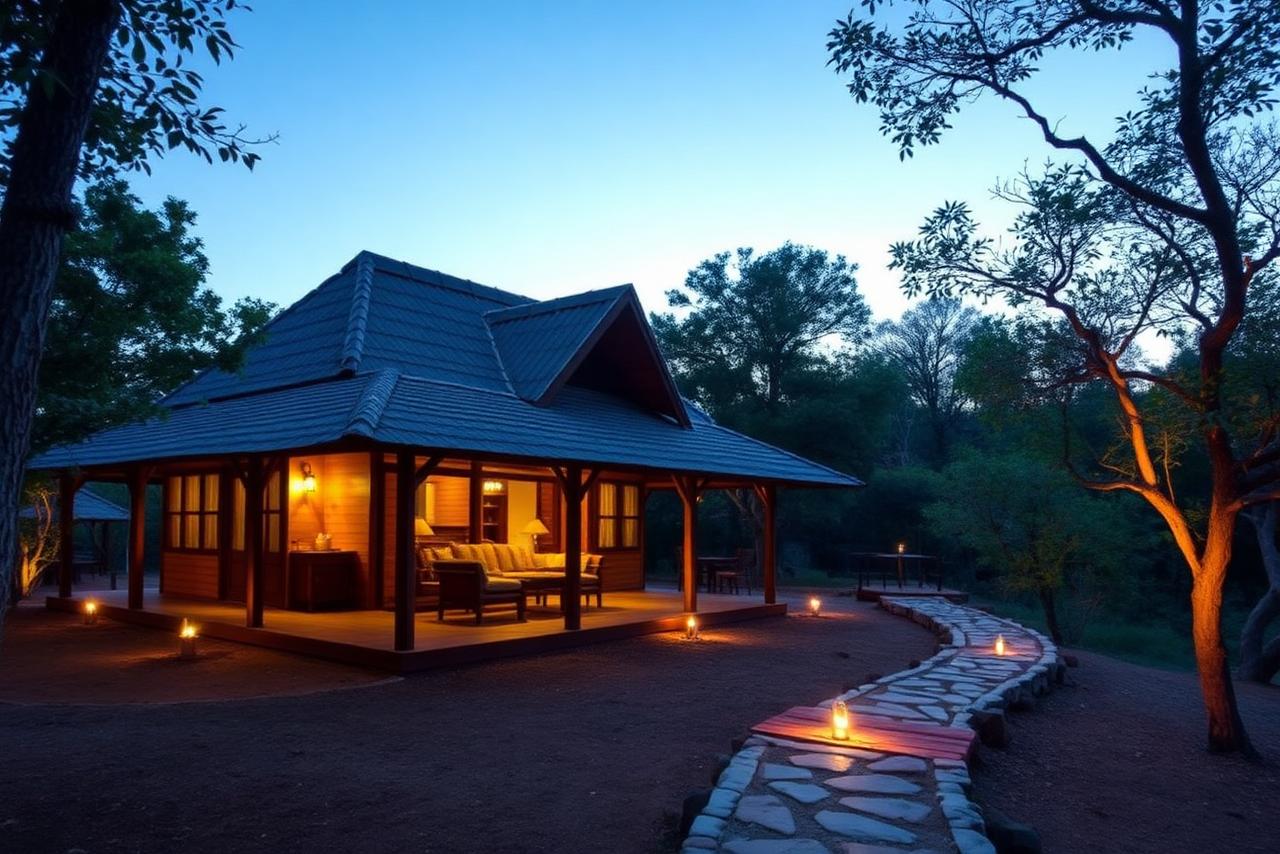
Accommodation near Sanjay-Dubri is still modest. Options are mostly small lodges and forest rest houses in the villages around the gates, with more choice in nearby towns such as Sidhi. A boutique property has been announced inside the park, but we cannot confirm its opening. Many guests instead base themselves at Bandhavgarh and make a long day or two-night trip. Choose your lodge by the gate you will enter, since the zones are far apart. We check the current options and vehicle arrangements ourselves, so you know what to expect before you commit.

Plan My Stay

Safari Etiquette

Dos and Don'ts on a Sanjay-Dubri safari

βœ“ Dos

  • βœ“ Keep your voice low inside the forest.
  • βœ“ Listen to your guide and naturalist.
  • βœ“ Respect safari routes and forest regulations.
  • βœ“ Carry water, sun protection and suitable clothing.
  • βœ“ Keep your camera ready without disturbing wildlife.

βœ• Don'ts

  • βœ• Ask the driver to break rules.
  • βœ• Request a driver to block an animal's movement.
  • βœ• Feed wildlife.
  • βœ• Throw anything from the vehicle.

Why Should You Visit Sanjay-Dubri

An uncrowded reserve that extends a Bandhavgarh trip

Sanjay-Dubri offers what many tiger parks no longer do: space. There are few vehicles, long drives through sal forest and river valleys, and the sense that you are exploring a reserve that is still finding its feet. It sits in a landscape that links Bandhavgarh with forests further east, so tigers disperse here. It is not a first-trip choice, and you should expect simpler facilities, but it works well as an extension for seasoned wildlife travellers. If you value quiet and variety, and you are already in Bandhavgarh, a couple of nights here make a worthwhile addition.

Plan My Safari

FAQs

Frequently asked questions about Sanjay-Dubri

Get a Callback WhatsApp Us
βœ“ Request sent! We'll be in touch soon.