My Jungle Junction

Indravati National Park & Tiger Reserve

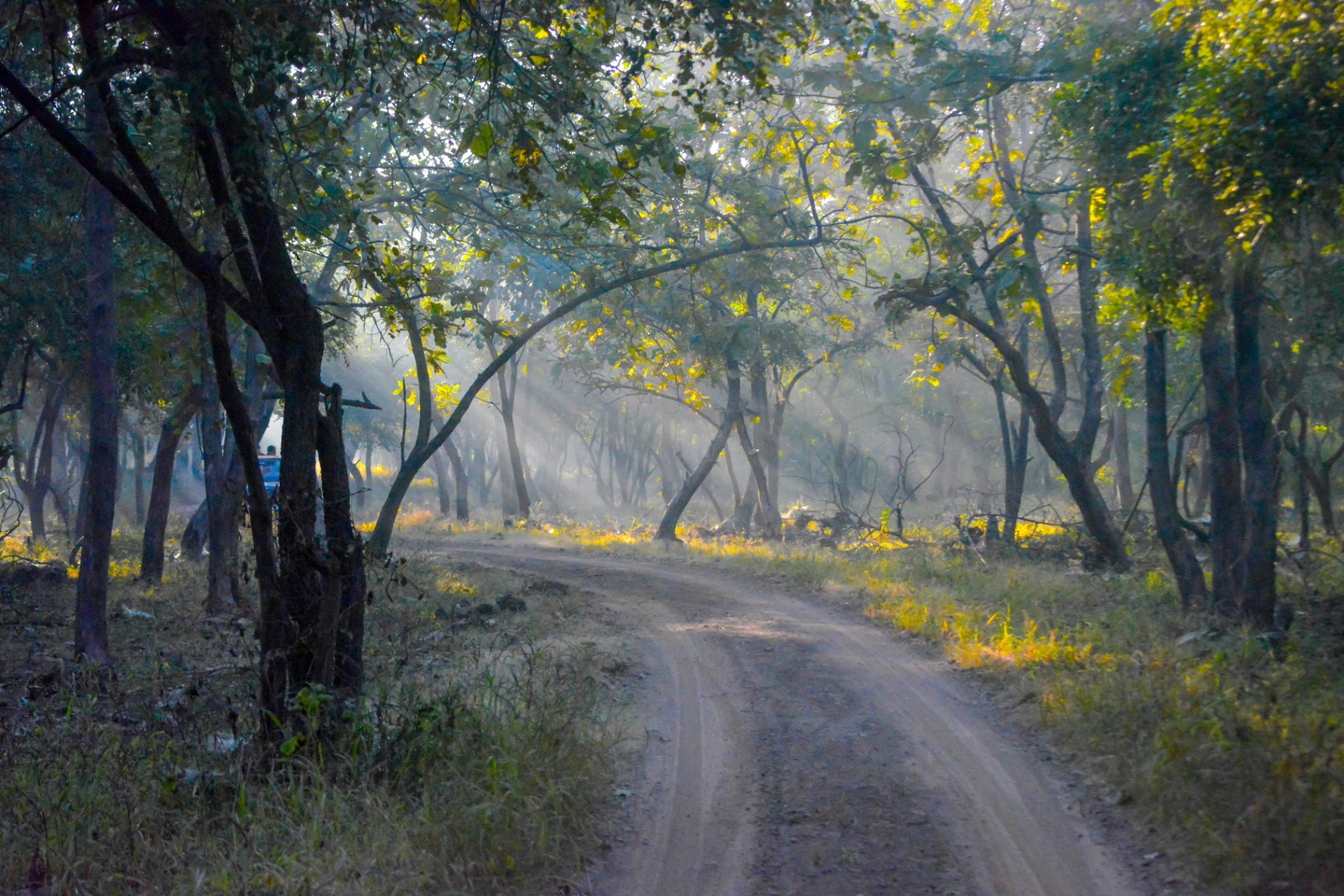
Indravati is Chhattisgarh's largest and most remote tiger reserve: Bastar's sal and teak forest, the Indravati river and the last stronghold of the wild water buffalo.

15+ years of travel experience
Hosted by Amit (MJJ)

Plan Your Safari

Talk to a wildlife specialist.

By submitting, you agree to be contacted by My Jungle Junction.

By submitting, you agree to our Cancellation & Refund Policy and Privacy Policy.

Scroll

Plan Your Safari

Talk to a wildlife specialist.

By submitting, you agree to be contacted by My Jungle Junction.

By submitting, you agree to our Cancellation & Refund Policy and Privacy Policy.

My Jungle Junction's Guide to Indravati Tiger Reserve

The Indravati Tiger Safari Experience

Indravati was declared a national park in 1981 and brought into Project Tiger in 1983. At about 2,799 sq km, with a core of roughly 1,258 sq km, it is among the largest tiger reserves in India. For years access was restricted for security reasons, and tourism has only recently begun to open up in parts of the reserve.

Because tourism here is still being developed, the zone and gate structure is evolving. We confirm with the Chhattisgarh forest department which areas can be visited before we quote an itinerary, and we recommend two to three nights built around a Jagdalpur base, combined with the waterfalls and culture of Bastar.

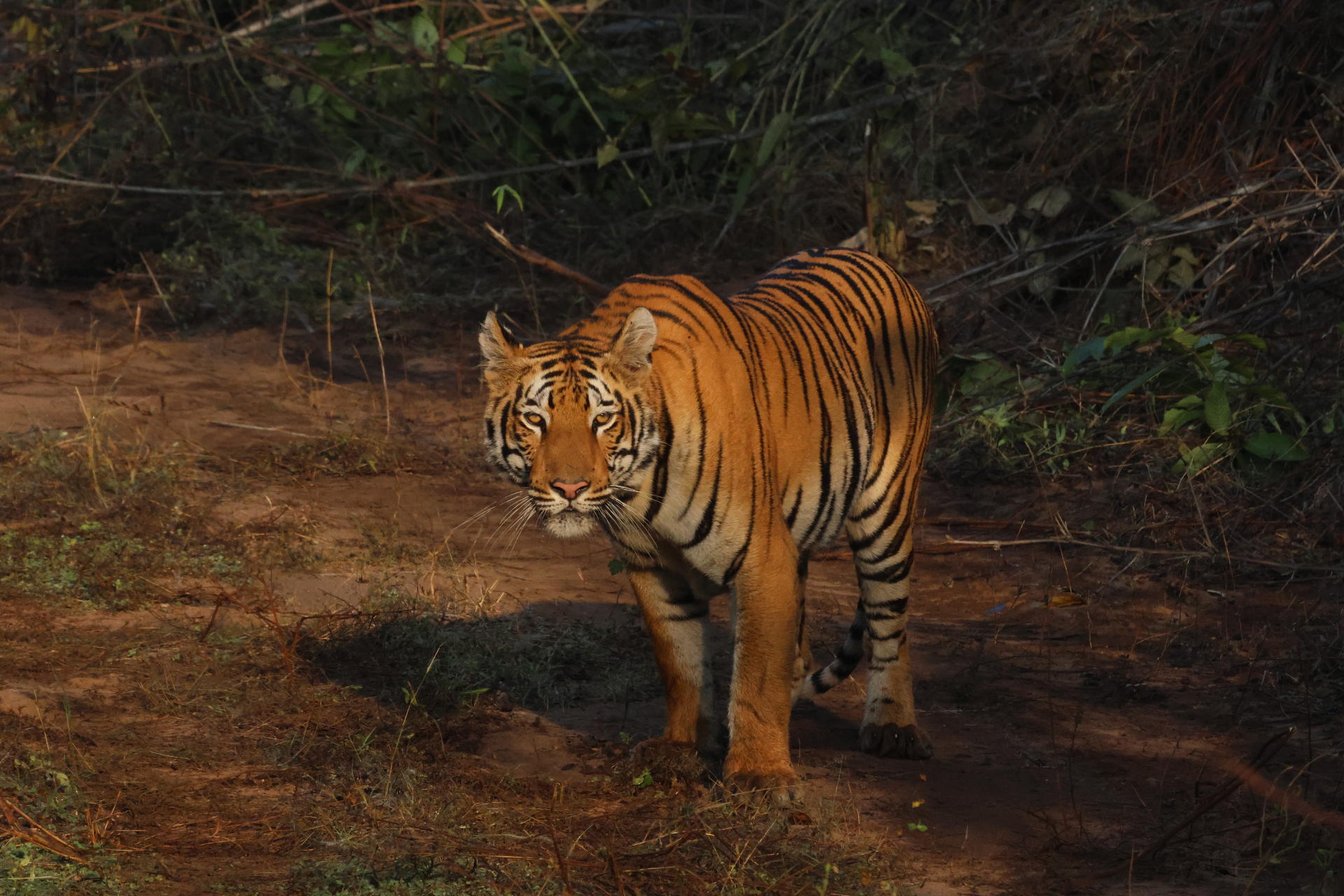
There are no well-documented famous individual tigers here. The story is conservation: protecting one of India's last wild water buffalo populations in one of its least-visited forests.

2,799

sq. km reserve

1 + 1

Core + Buffer zones

1983

Declared National Park

Indravati Safari Packages

My Jungle Junction's Bestselling Indravati Safari Packages

We plan Indravati itineraries around permit availability, travel time from the nearest airport or station, and the zones that suit your priorities, whether that is tigers, birds or a quieter forest. Amit and the My Jungle Junction team handle safari bookings, lodge selection and transfers, and can combine Indravati with neighbouring reserves in Chhattisgarh or a wider central India circuit.

How Many Safaris Should You Do in Indravati?

Plan around access, not just the number of drives

Indravati is large and tourism is still opening up, so the question is less how many safaris than which areas are accessible when you travel. We confirm current access with the forest department before quoting, and then plan drives that make the most of the permitted routes.

With limited and evolving tourism infrastructure, plan on two safaris as a minimum to see the forest character and have a realistic chance of buffalo, gaur or deer. Three drives give a fuller picture and a margin for weather or access changes.

If you want more, four to six drives work best when combined with a Bastar circuit: Chitrakote Falls, Tirathgarh and the tribal markets near Jagdalpur. This reserve suits patient naturalists and travellers who value solitude over guaranteed tiger sightings.

Best Safari Zones

Safari Zones in Indravati

Indravati's tourism zones are still being established after years of restricted access, so the zone and gate list is not as fixed as at older parks. The reserve is split into a core (critical tiger habitat) of about 1,258 sq km and a buffer of about 1,541 sq km. We confirm with the forest department which entry points and routes are open, then book the safari accordingly. Treat any list online with caution until we have verified it for your dates.

Core Area

Critical tiger habitat of about 1,258 sq km along the Indravati river; access is regulated by the forest department.

Buffer Area

About 1,541 sq km of surrounding forest where limited visits may be arranged subject to current permission.

Indravati River Belt

The river forms the northern and western boundary of the reserve and the border with Maharashtra.

How to Reach & When to Visit

How to Reach & Best Time to Visit Indravati

✈️

By Air

Nearest commercial airport is Jagdalpur; Raipur is the larger hub with onward long road travel. Confirm current flight schedules, as services change.

πŸš†

By Train

Jagdalpur is the main railhead for Bastar, with Raipur the major junction. The reserve lies in Bijapur district, a long onward drive.

πŸš—

By Road

Bijapur town is the base district headquarters. Road travel from Jagdalpur takes several hours, and we confirm current road and access conditions before each trip.

Best Time to Visit Indravati

Winter is the most comfortable for visiting remote Bastar; summer improves sightings.

πŸ‚
Winter
Nov - Feb

Pleasant weather and the most reliable season to plan a Bastar trip, with open forest roads and good visibility.

β˜€οΈ
Summer
Mar - Jun

Hot, but forest is open and animals gather near water. Best for focused wildlife viewing; plan around the heat.

🌧️
Monsoon
Jul - Oct

Heavy rain and difficult roads; access is usually restricted. We do not recommend visiting in these months.

MJJ Insight : Tourism access in Indravati changes; message us your dates and we will confirm with the forest department before you book flights.

The Wildlife of Indravati

Beyond the Tiger: Indravati's Wildlife

Indravati's headline species is the wild water buffalo, one of the last surviving wild populations in India. The reserve also supports tiger, leopard, sloth bear, wild dog (dhole), gaur, sambar, chital, barking deer, nilgai and wild boar. Birdlife includes the hill myna, Chhattisgarh's state bird, along with hornbills and raptors typical of the Bastar forests. Reptiles and amphibians are well represented in the river valleys. Remote terrain and dense cover make sightings slower than in open parks, so expect to work for them.
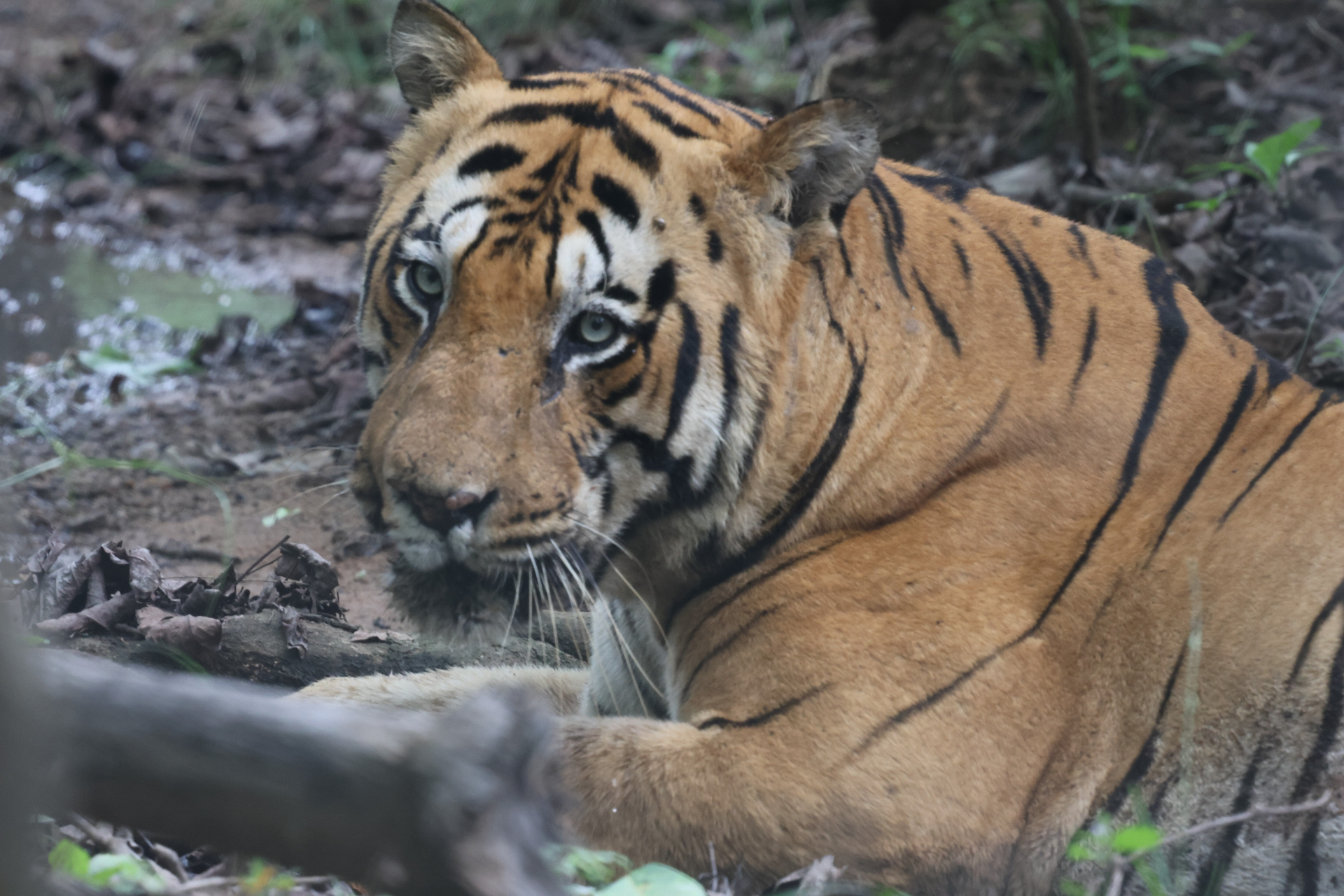
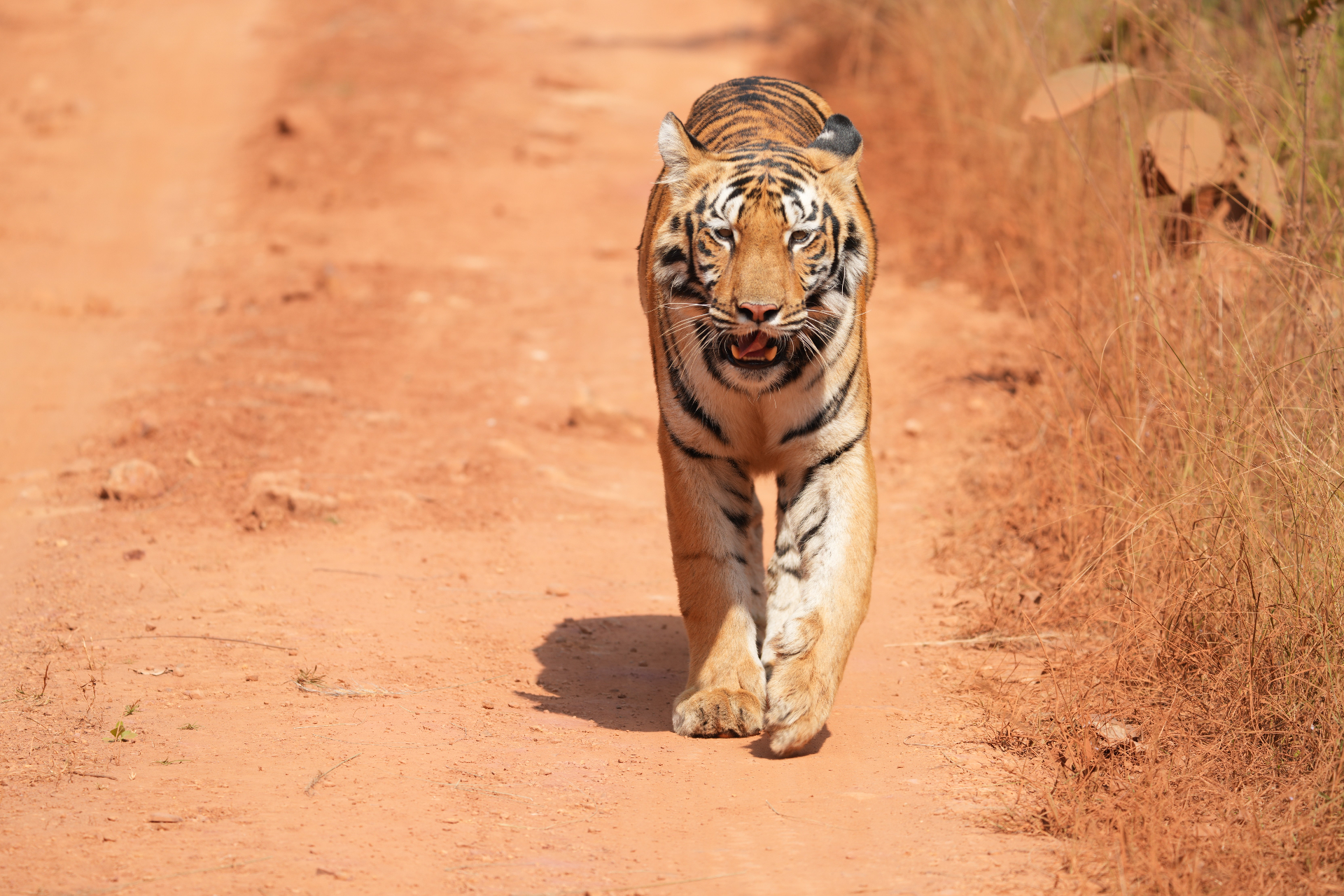
Indravati National Park & Tiger Reserve - wildlife sighting

Wildlife Highlights of Indravati

Wild buffalo are the reserve's real celebrity

Indravati has no individually famous tigers to name. Its star is the wild water buffalo, a rare animal that survives here in small numbers. Tigers exist but are rarely seen, and the reserve's story is one of conservation across a vast, difficult landscape.

Wild Water Buffalo Hill Myna Indravati River Bastar Bijapur

There are no documented celebrity tigers at Indravati in the way Bandhavgarh or Tadoba have them. The reserve's fame rests on the wild water buffalo and its sheer scale.

Indravati was a national park from 1981 and a Project Tiger reserve from 1983. Much of its history is tied to the long period when security concerns kept visitors away, which paradoxically left large areas of forest undisturbed.

Your Stay in Indravati

Your Stay in Indravati

Where to Stay in Indravati

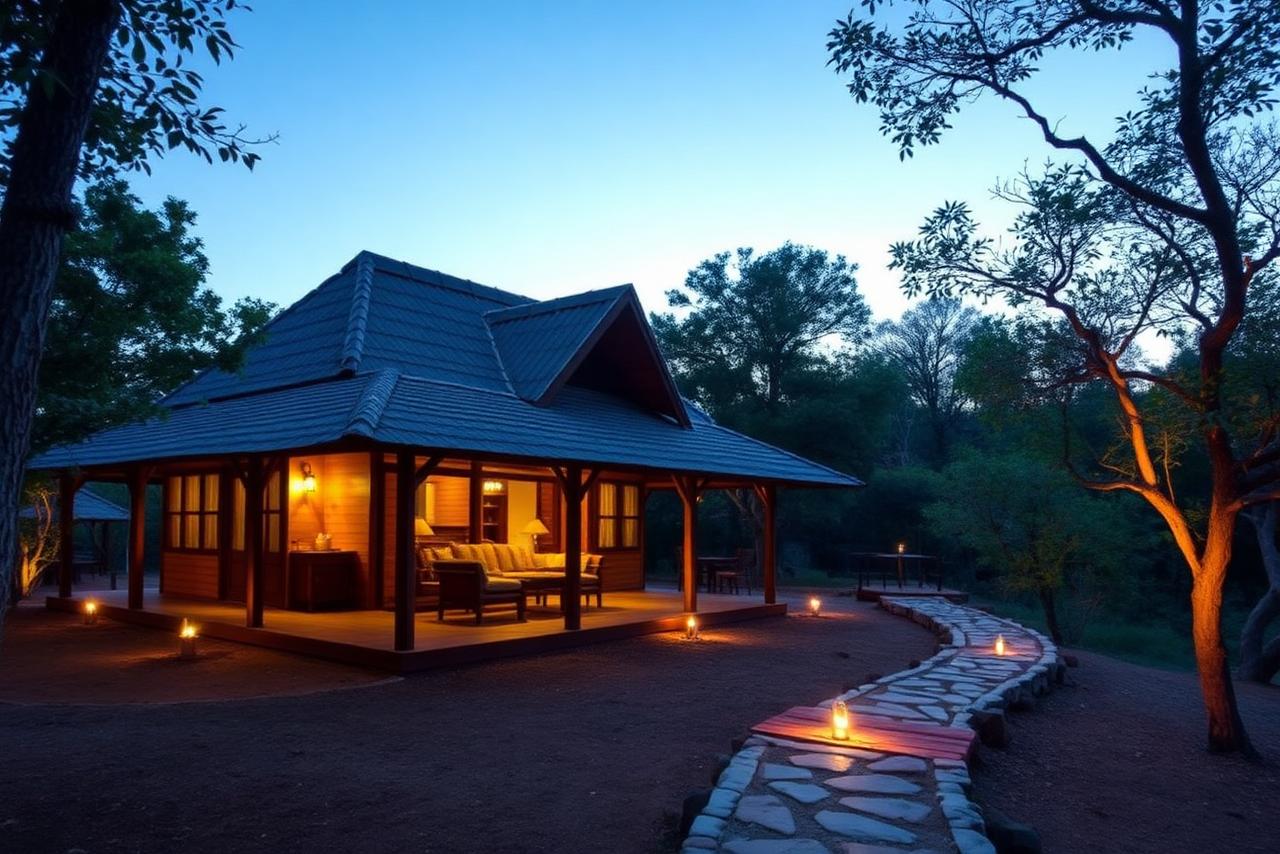
Because tourism infrastructure inside Indravati is still developing, most visitors base themselves in Jagdalpur, the largest town in Bastar, and arrange day trips or short stays closer to the reserve as permitted. Options range from state-run guest houses to mid-range hotels in Jagdalpur. Bijapur town has basic accommodation. We recommend choosing based on how far you want to drive each day and confirm bookings with us, since availability near the reserve is limited and changes.

Plan My Stay

Safari Etiquette

Dos and Don'ts on a Indravati safari

βœ“ Dos

  • βœ“ Keep your voice low inside the forest.
  • βœ“ Listen to your guide and naturalist.
  • βœ“ Respect safari routes and forest regulations.
  • βœ“ Carry water, sun protection and suitable clothing.
  • βœ“ Keep your camera ready without disturbing wildlife.

βœ• Don'ts

  • βœ• Ask the driver to break rules.
  • βœ• Request a driver to block an animal's movement.
  • βœ• Feed wildlife.
  • βœ• Throw anything from the vehicle.

Why Should You Visit Indravati

Wild water buffalo and Bastar forest few travellers ever see

Indravati matters because it protects an enormous block of connected forest in a region long closed to outsiders, and with it one of the few remaining wild populations of the water buffalo. For travellers it offers something rare in Indian wildlife tourism: space. There are no crowds, no queue of jeeps at the gate, and the experience is shaped by river, hills and Adivasi landscapes rather than by a fixed tourist circuit. Pair it with Bastar's waterfalls and culture and the trip becomes a genuine exploration. It suits experienced travellers who value authenticity over certainty.

Plan My Safari

FAQs

Frequently asked questions about Indravati

Get a Callback WhatsApp Us
βœ“ Request sent! We'll be in touch soon.