My Jungle Junction

Pakke Tiger Reserve (Pakhui)

Semi-evergreen forest on the Kameng river, famous for four hornbill species and a gentle, walk-friendly style of wildlife tourism. Combine it with Nameri for a two-reserve trip.

15+ years of travel experience
Hosted by Amit (MJJ)

Plan Your Safari

Talk to a wildlife specialist.

By submitting, you agree to be contacted by My Jungle Junction.

By submitting, you agree to our Cancellation & Refund Policy and Privacy Policy.

Scroll

Plan Your Safari

Talk to a wildlife specialist.

By submitting, you agree to be contacted by My Jungle Junction.

By submitting, you agree to our Cancellation & Refund Policy and Privacy Policy.

My Jungle Junction's Guide to Pakke Tiger Reserve

The Pakke Tiger Safari Experience

Pakke covers about 862 sq km and shares a boundary with Nameri National Park in Assam, together forming a large block of forest. It was a game sanctuary in 1977 before being declared a tiger reserve in 2002.

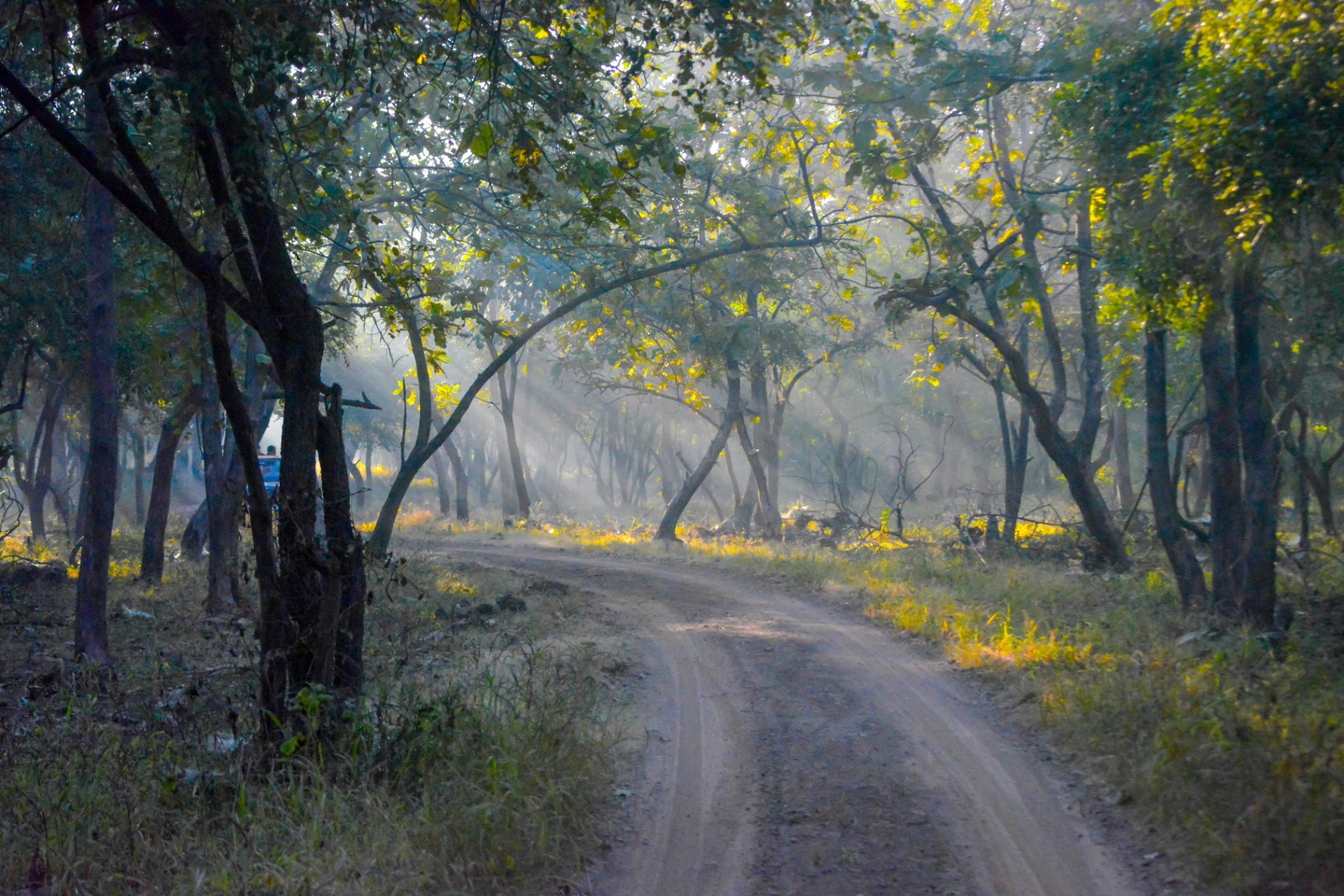
Access is through Seijosa in the east, Bhalukpong in the west and Pakke Kessang in the north. Seijosa is the usual base, with forest-department camps and local lodges. The Pakke river and its sandbanks are good places to look for birds and elephants.

We recommend two to three nights, and many guests combine Pakke with Nameri and Kaziranga. The Pakke Paga Hornbill Festival, held in January, celebrates the local role in hornbill conservation. Your naturalist will help you read the landscape, and we will brief you on rules, timings and what to pack before you leave.

862

sq. km reserve

1 + 1

Core + Buffer zones

2002

Declared National Park

Pakke Safari Packages

My Jungle Junction's Bestselling Pakke Safari Packages

Amit and the My Jungle Junction team plan every Pakke itinerary around the way the reserve actually works: which gates are open, how far lodges sit from the entry points, and how many days you need before the landscape starts to give things up. We handle permits, vehicle bookings, naturalist guides and transfers from the nearest airport or station, and we build in spare time so a closed gate or a wet road does not cost you a safari.

How Many Safaris Should You Do in Pakke?

Walks, river drives and hornbill mornings

Pakke is better explored on foot and by short vehicle drives than by long jeep circuits. Mornings are best for hornbills and forest birds, and evenings for river stretches and clearings. We usually plan three to five outings over two or three nights, and confirm which forest routes and camps are open before you travel. Tell us your dates and fitness level and we will shape the plan.

Two outings give you a first look at the forest edge and the best hornbill spots, which is enough if Pakke is a stop on a longer Assam and Arunachal circuit.

Three or four outings let you try different habitats, from the river bank to the interior forest, and improve your chances of elephants, giant squirrels and primates. This is what we recommend for most visitors.

Five or six outings suit dedicated birders and photographers who want several early mornings. Pakke suits patient naturalists. If a tiger sighting is the main goal, choose a Central Indian park instead. We handle all bookings and brief you before you travel.

Best Safari Zones

Safari Zones in Pakke

Pakke does not use a numbered zone system for visitors. Instead you reach the reserve through a few access points: Seijosa in the east, the main base for tourism; Bhalukpong in the west, on the Assam border; and Pakke Kessang in the north. From Seijosa, the forest department and local operators run walks, river drives and visits to hornbill spots. Open routes and camps vary by season and condition, so we confirm the current options with the forest department before every booking.

Seijosa

Main gateway town and tourism base on the east side, close to Nameri across the Assam border.

Bhalukpong

Western access point on the Assam-Arunachal border; also the road to Nameri's eco-camps.

Pakke Kessang

Northern access point and administrative area for the reserve.

Pakke River Stretch

Sandbanks and forest edge used for birding, elephant watching and short guided walks.

How to Reach & When to Visit

How to Reach & Best Time to Visit Pakke

✈️

By Air

Tezpur (Salonibari) is the nearest airport; Guwahati is the main hub for most travellers and is a longer, scenic drive to Seijosa.

πŸš†

By Train

Rangapara North and Tezpur are the usual railheads in Assam. We arrange a road transfer onward to Seijosa.

πŸš—

By Road

From Tezpur, drive to Bhalukpong on the Assam-Arunachal border, then continue to Seijosa. Roads are generally good, though monsoon landslides can delay journeys.

Best Time to Visit Pakke

Winter is the best season; the hornbill festival in January is a highlight.

πŸ‚
Winter
Oct - Feb

Dry, cool and the best time for birding, walks and river visits. January brings the Pakke Paga Hornbill Festival.

β˜€οΈ
Summer
Mar - Jun

Hot and humid, with rising rain by May. Wildlife visibility drops as vegetation thickens.

🌧️
Monsoon
Jul - Sep

Very heavy rain, leeches and road trouble. Parts of the reserve are hard to reach, so we do not recommend this season.

MJJ Insight : Indian visitors normally need an Inner Line Permit for Arunachal Pradesh, and foreign nationals need a Protected Area Permit. We help with both; give us at least two weeks.

The Wildlife of Pakke

Beyond the Tiger: Pakke's Wildlife

Pakke is best known for hornbills: wreathed, great, oriental pied and the rufous-necked are all reported. Mammals include tiger, leopard, clouded leopard, golden cat, Asian elephant, gaur, sambar, barking deer, dhole, Himalayan black bear and several primates such as capped langur and Assamese macaque. Pakke's river and wetland patches also attract kingfishers, ibisbill and other waterbirds. The forest holds an impressive range of orchids, ferns, butterflies and reptiles, rewarding anyone who walks slowly and listens. Dawn and dusk are usually the most productive times.
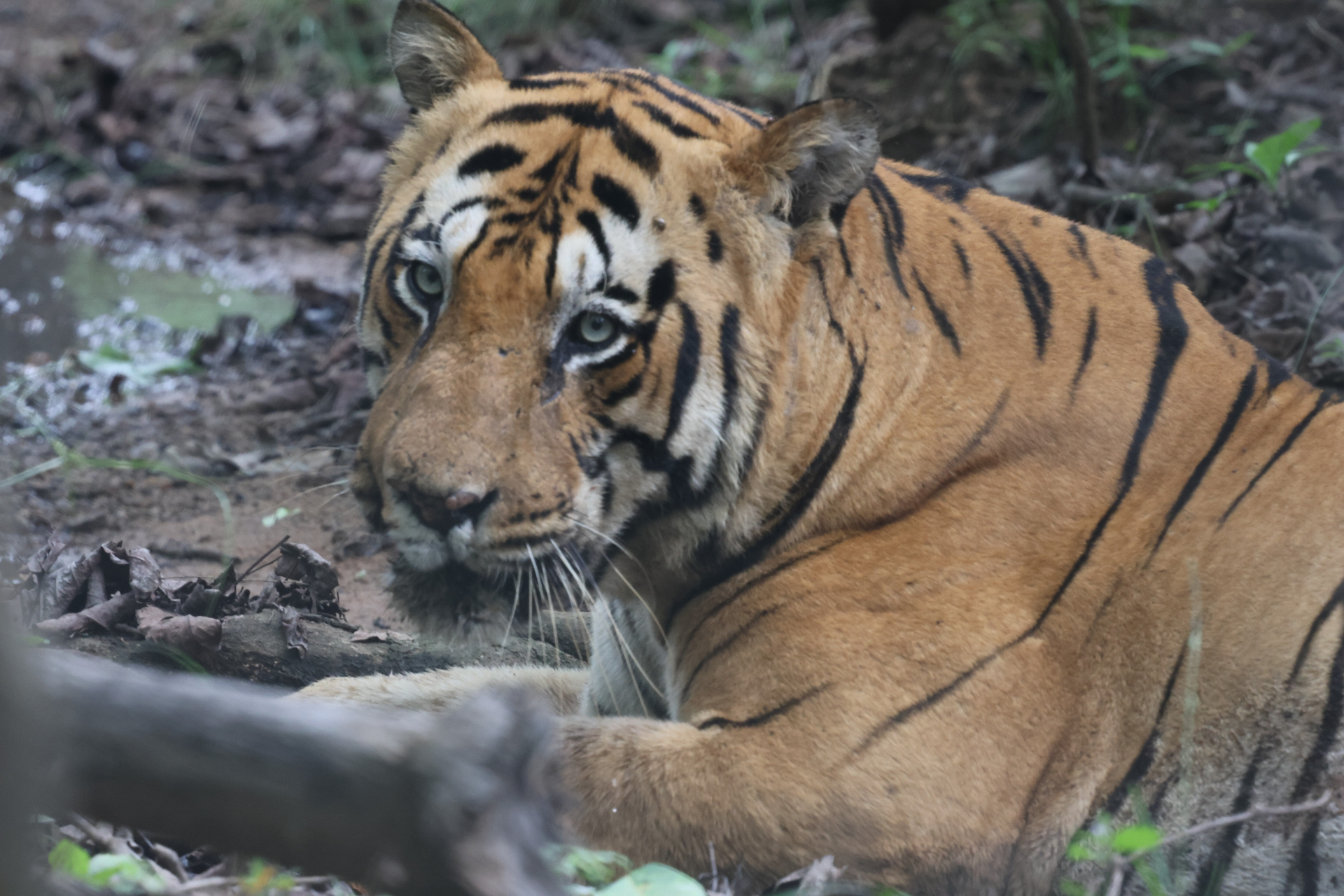
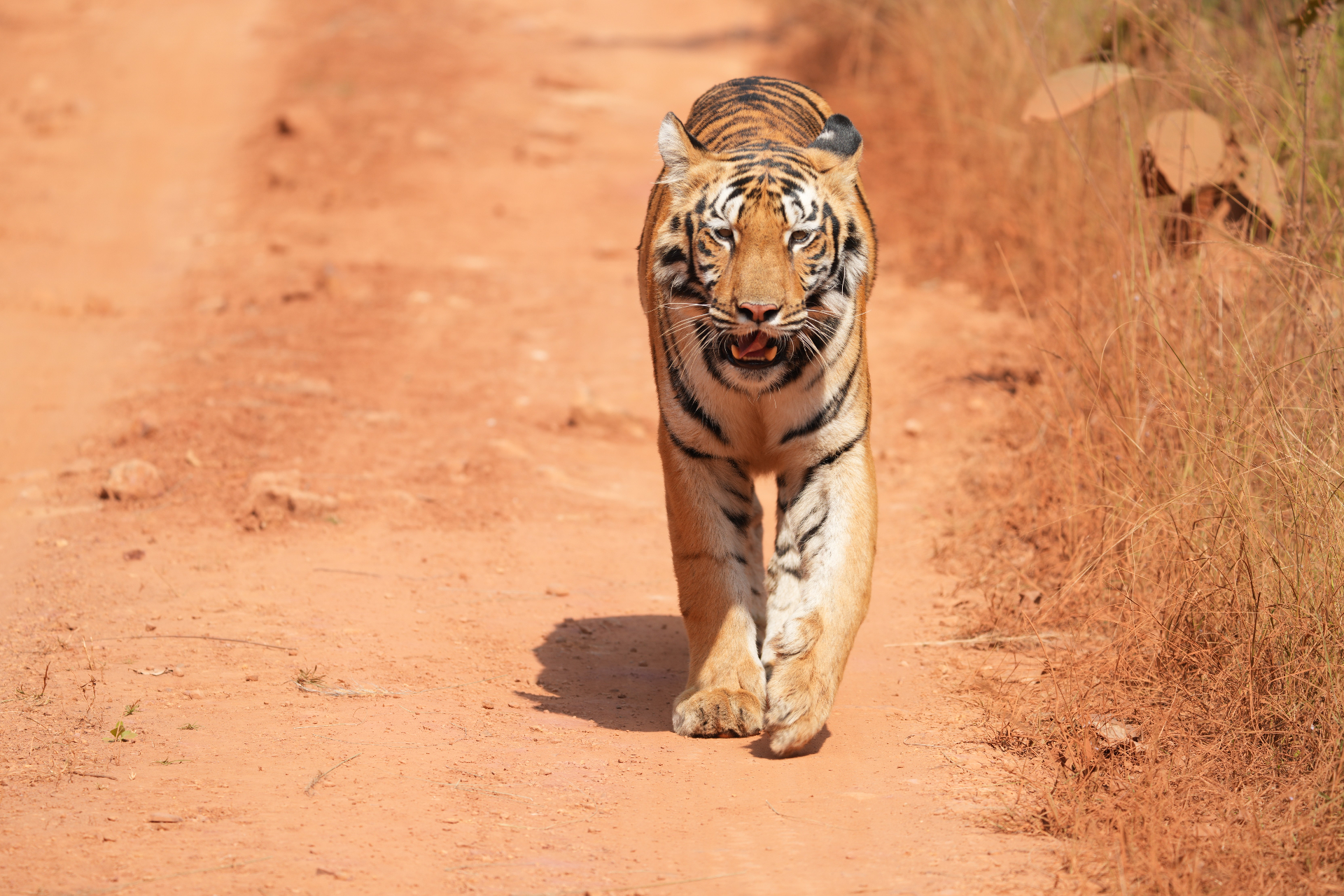
Pakke Tiger Reserve (Pakhui) - wildlife sighting

Wildlife and Stories of Pakke

The hornbills that came back

Pakke has no named tigers that visitors follow, but it does have a famous conservation success. Hornbills once hunted for their feathers are now protected by local Nyishi communities, with a yearly festival celebrating them. Ask your naturalist about recent camera-trap news, sightings and pugmarks, because that is where the real stories of this reserve are told. We encourage guests to treat any big-cat sighting here as a privilege rather than a promise, and to enjoy the forest, birds and smaller wildlife along the way.

Hornbills Seijosa Nyishi Hornbill Festival Kameng river

Pakke's celebrities are its hornbills. Four species are found here, and the great hornbill, wreathed hornbill and oriental pied hornbill can often be seen by an observant visitor.

The turning point came when the Nyishi community, which traditionally hunted hornbills, took part in a nest-adoption programme to protect nesting trees. That effort became the foundation of the Pakke Paga Hornbill Festival, which began in 2015 and later became a state festival.

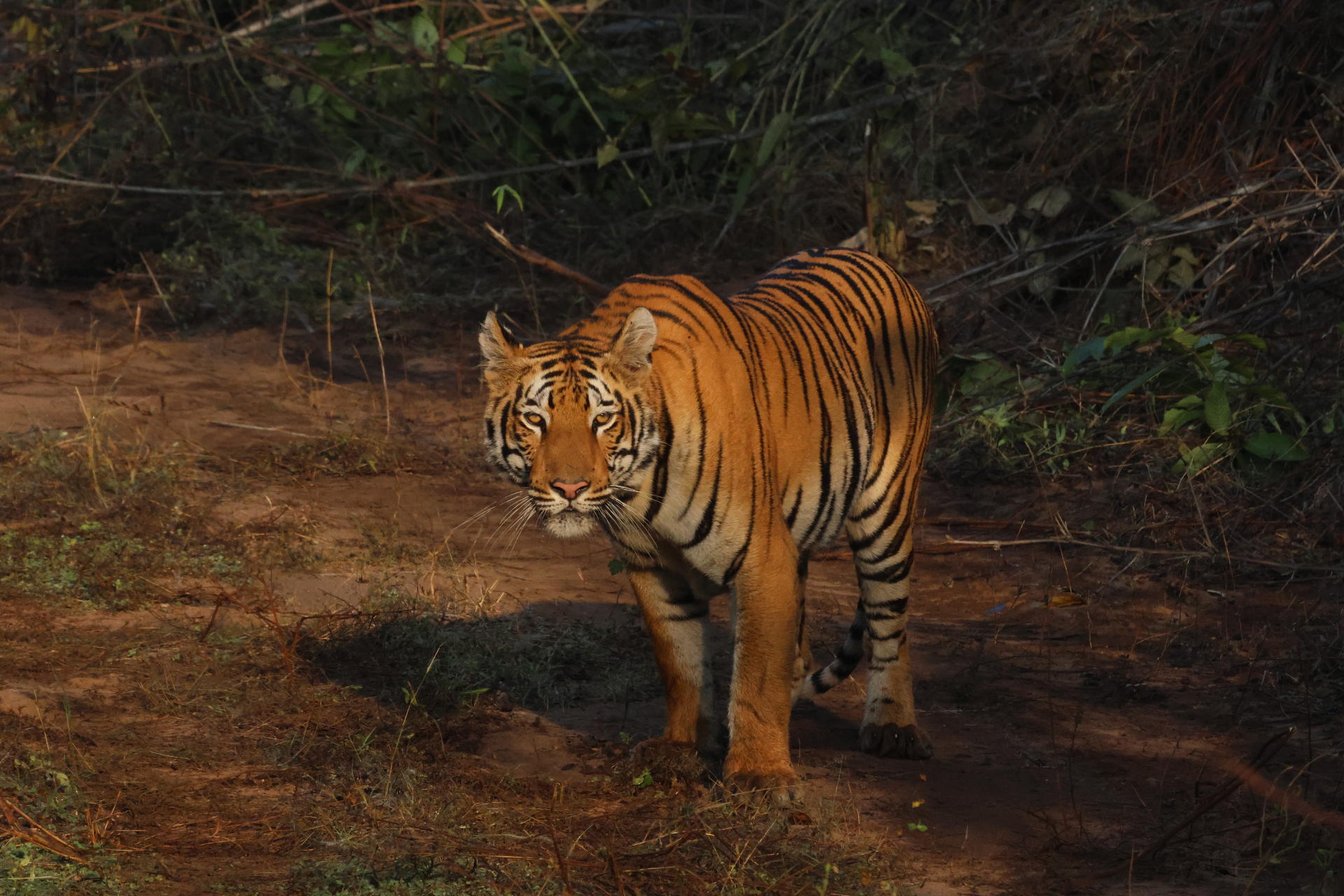
Tigers, elephants and clouded leopards are present but elusive in the dense forest. The reserve adjoins Nameri in Assam, creating a larger shared habitat. Your naturalist can share the latest news from the reserve and what recent surveys have found.

Your Stay in Pakke

Your Stay in Pakke

Where to Stay in Pakke

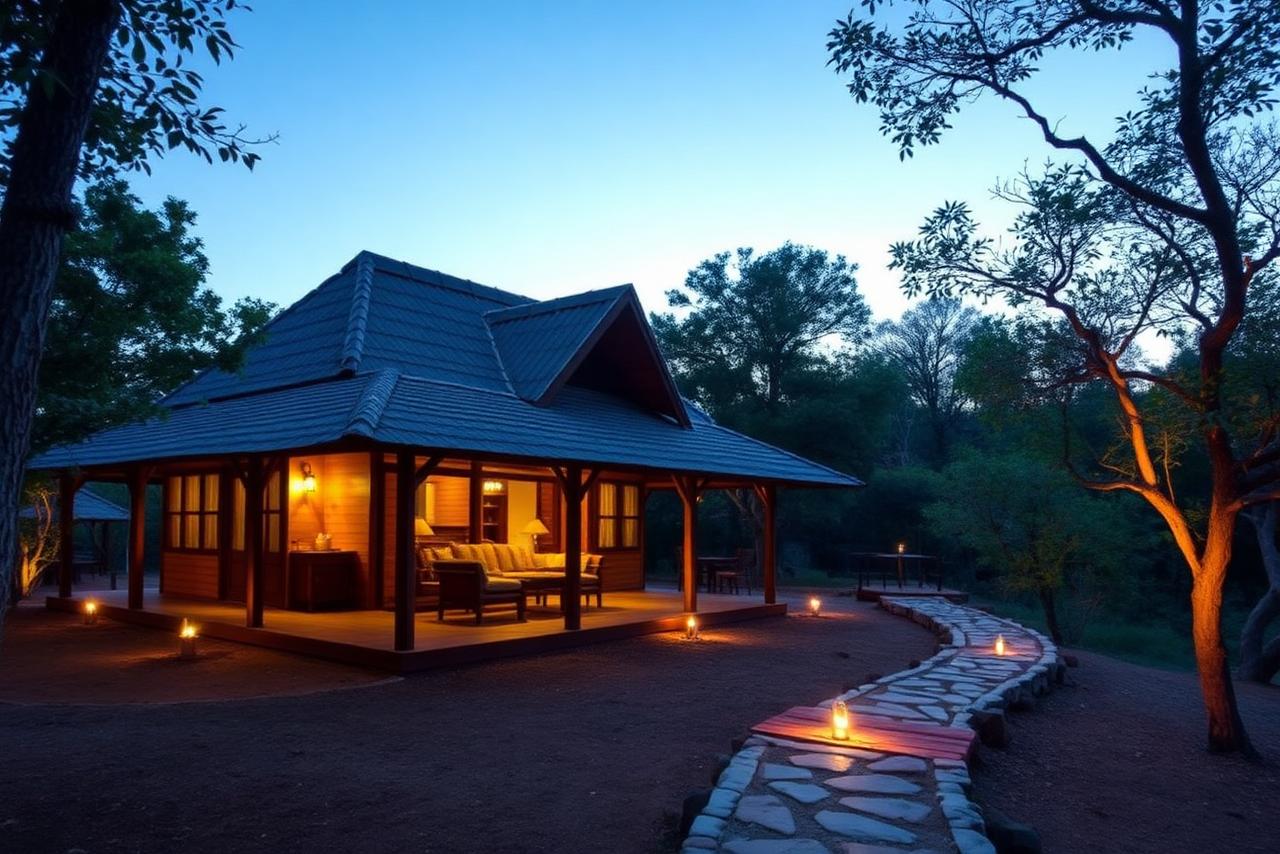
Most visitors base themselves at Seijosa, where simple lodges, homestays and forest-department camps sit close to the reserve. Eco-lodges and community-run camps are also found on the Assam side near Bhalukpong and Nameri. Expect basic but comfortable accommodation rather than luxury; rooms are often small, meals are local and the sound of the forest is the main attraction. Pick by distance from your planned entry points and whether you are combining Pakke with Nameri. We choose a base to suit your itinerary and handle the booking.

Plan My Stay

Safari Etiquette

Dos and Don'ts on a Pakke safari

βœ“ Dos

  • βœ“ Keep your voice low inside the forest.
  • βœ“ Listen to your guide and naturalist.
  • βœ“ Respect safari routes and forest regulations.
  • βœ“ Carry water, sun protection and suitable clothing.
  • βœ“ Keep your camera ready without disturbing wildlife.

βœ• Don'ts

  • βœ• Ask the driver to break rules.
  • βœ• Request a driver to block an animal's movement.
  • βœ• Feed wildlife.
  • βœ• Throw anything from the vehicle.

Why Should You Visit Pakke

Hornbill country with a community conservation story

Pakke is one of the best places in India to watch hornbills, and the reason they are still here is people. Nyishi hunters in the area stopped killing the birds for their casques and feathers, and a community-led nest-adoption programme and the Pakke Paga Hornbill Festival have turned the forest into a tourism asset. The reserve also forms one forest block with Nameri, giving elephants, tigers and other animals a continuous habitat. The visiting experience is quiet and walking-led, with little crowding. It is an excellent choice for birdwatchers, photographers and travellers who care about conservation stories. It is a trip that rewards patience and curiosity.

Plan My Safari

FAQs

Frequently asked questions about Pakke

Get a Callback WhatsApp Us
βœ“ Request sent! We'll be in touch soon.