My Jungle Junction
Dampa is Mizoram's largest protected area, a remote hill-forest reserve on the Bangladesh border. Come on foot for gibbons, hornbills and wild forest rather than a conventional jeep safari.
My Jungle Junction's Guide to Dampa Tiger Reserve
500
sq. km reserve
1 + 1
Core + Buffer zones
1994
Declared National Park
Dampa Tiger Reserve Safari Packages
At My Jungle Junction, Amit and the team build Dampa Tiger Reserve itineraries around how the park actually works: which gate suits your dates, how many safaris give a fair chance of good sightings, and where to sleep so early starts stay painless. We book permits and vehicles well ahead, keep groups small, and can pair Dampa Tiger Reserve with other reserves on the same trip. Tell us your dates and pace and we will shape a plan rather than hand you a fixed list.
How Many Safaris Should You Do in Dampa Tiger Reserve?
Dampa is explored on foot or by short vehicle drives with forest staff, not by timed jeep safaris. We plan forest walks at dawn and in the late afternoon, when birds and gibbons are most active, with a rest in between. The number of walks you can do depends on terrain, weather and permits, and we confirm local arrangements before you travel.
Best Safari Zones
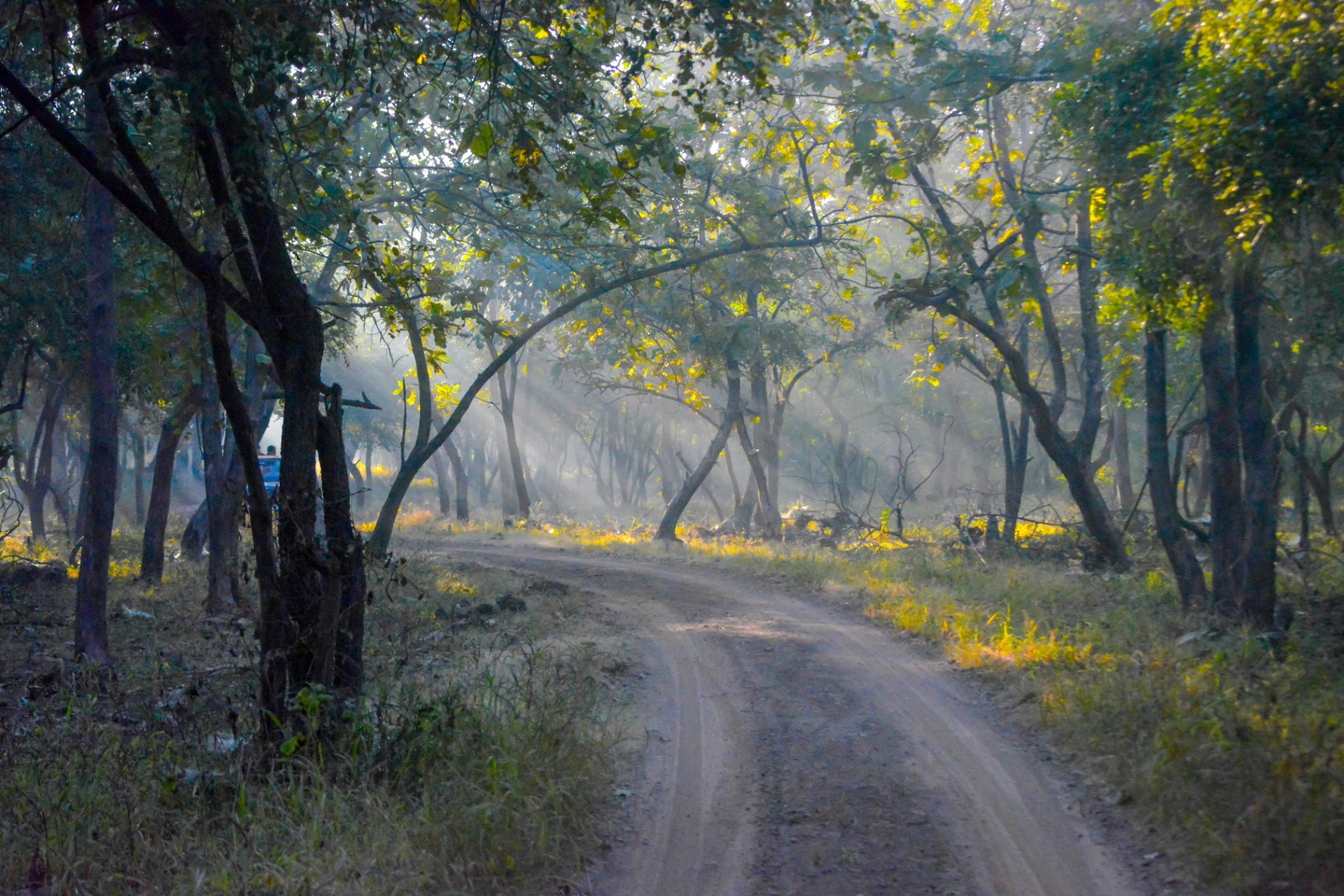
Dampa is organised by wildlife ranges rather than numbered tourism zones. The core is split into the Teirei Wildlife Range and the Phuldungsei Wildlife Range, each with a headquarters village of the same name. Phuldungsei is the usual base for visitors, and the Tropic of Cancer crosses near its range office. A buffer area surrounds the core, with forest and villages where responsible tourism and community activities are being developed. Routes are mostly walking trails, and exact access depends on the forest department, so we confirm everything before booking.
The most visited part of the reserve, with the range office near the Tropic of Cancer and forest walking trails.
The second core range, headquartered at Teirei, with remote hill forest and limited tourism infrastructure.
Forest and village land around the core, home to Mizo communities and where community-based tourism is being developed.
How to Reach & When to Visit
Lengpui Airport near Aizawl is the nearest, with flights from Kolkata and Guwahati. From Aizawl, the reserve is roughly 127 km by road, which takes several hours on hill roads.
Mizoram has very limited railway access. Silchar in Assam is the nearest major railhead, with a long onward road journey into Mizoram. Most visitors fly into Aizawl instead.
Road travel is by winding hill roads from Aizawl towards the western side of Mizoram. Allow a full day, and avoid travelling after dark. We arrange a private vehicle and driver.
Dampa is best visited from November to April, when skies are clearer and trails are drier.
Cool, dry and clear. This is the most comfortable time for walking, with good birding and fewer leeches.
Warm and humid but still workable, with early starts. Pre-monsoon showers begin, so expect some rain.
Heavy rain, landslides and leeches make travel difficult and trails slippery. We generally advise against visiting at this time.
MJJ Insight : Non-Mizo Indian visitors need an Inner Line Permit for Mizoram, and foreign nationals have separate requirements. Tell us your dates early so we can sort permits and forest rest-house bookings.
The Wildlife of Dampa Tiger Reserve
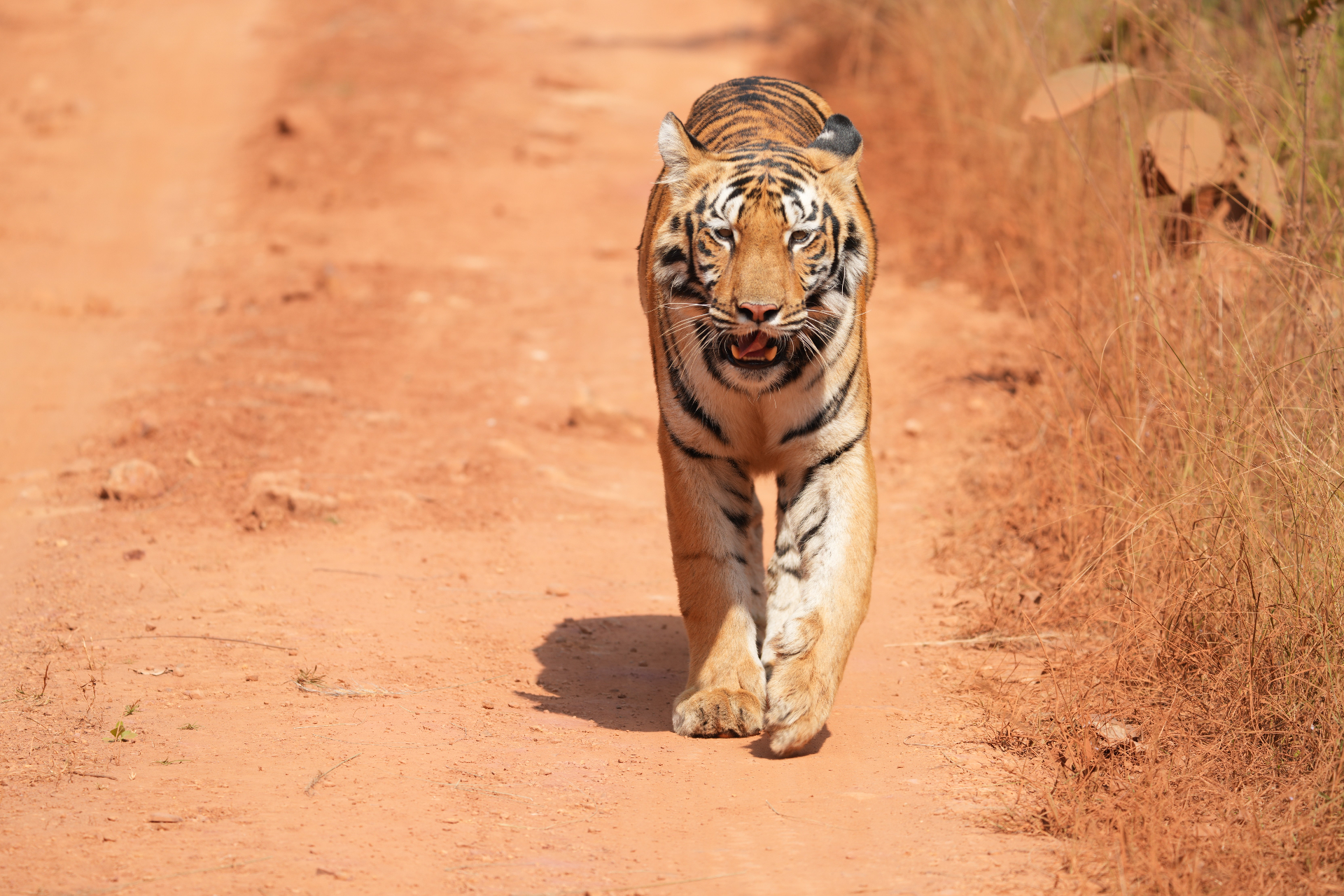
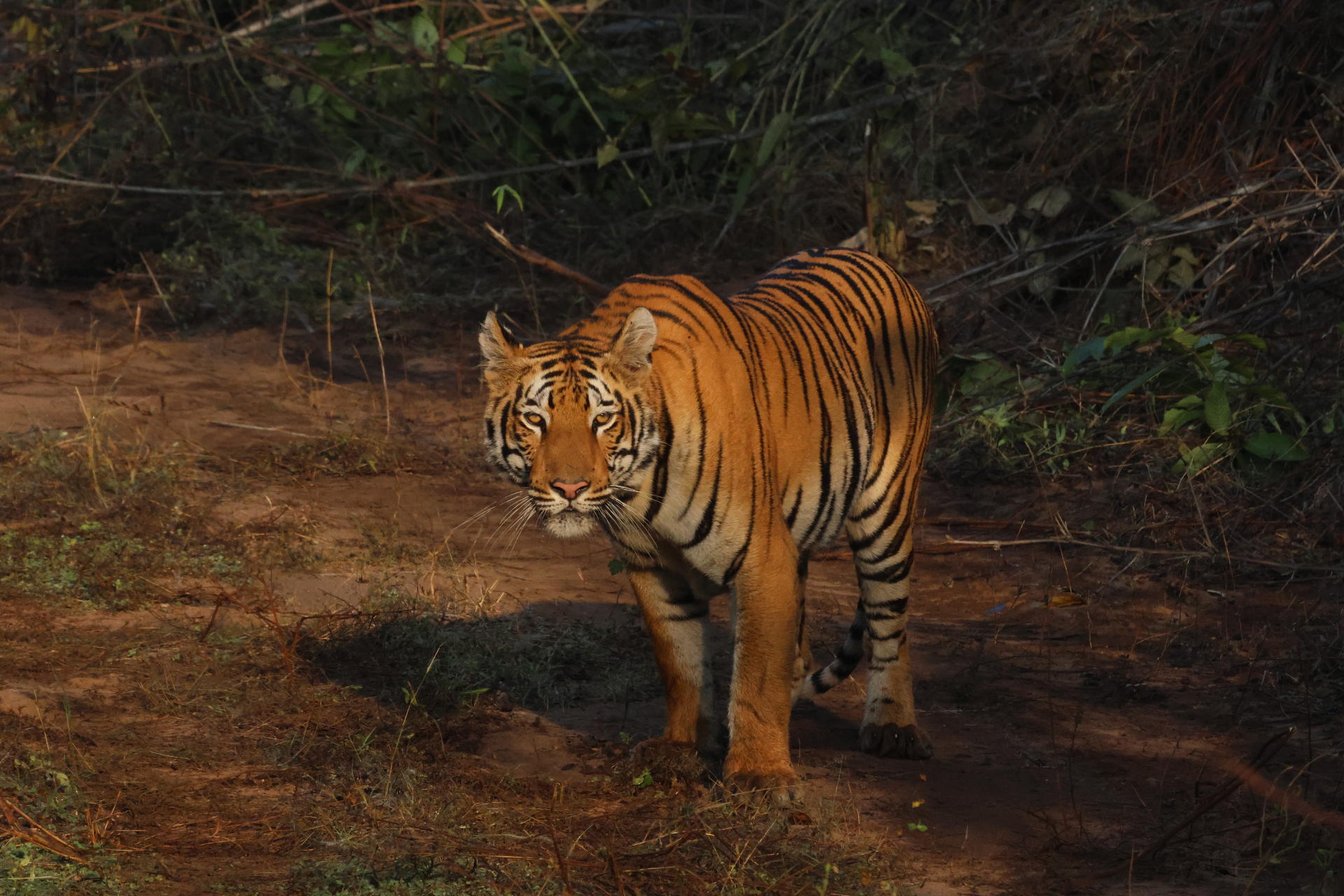
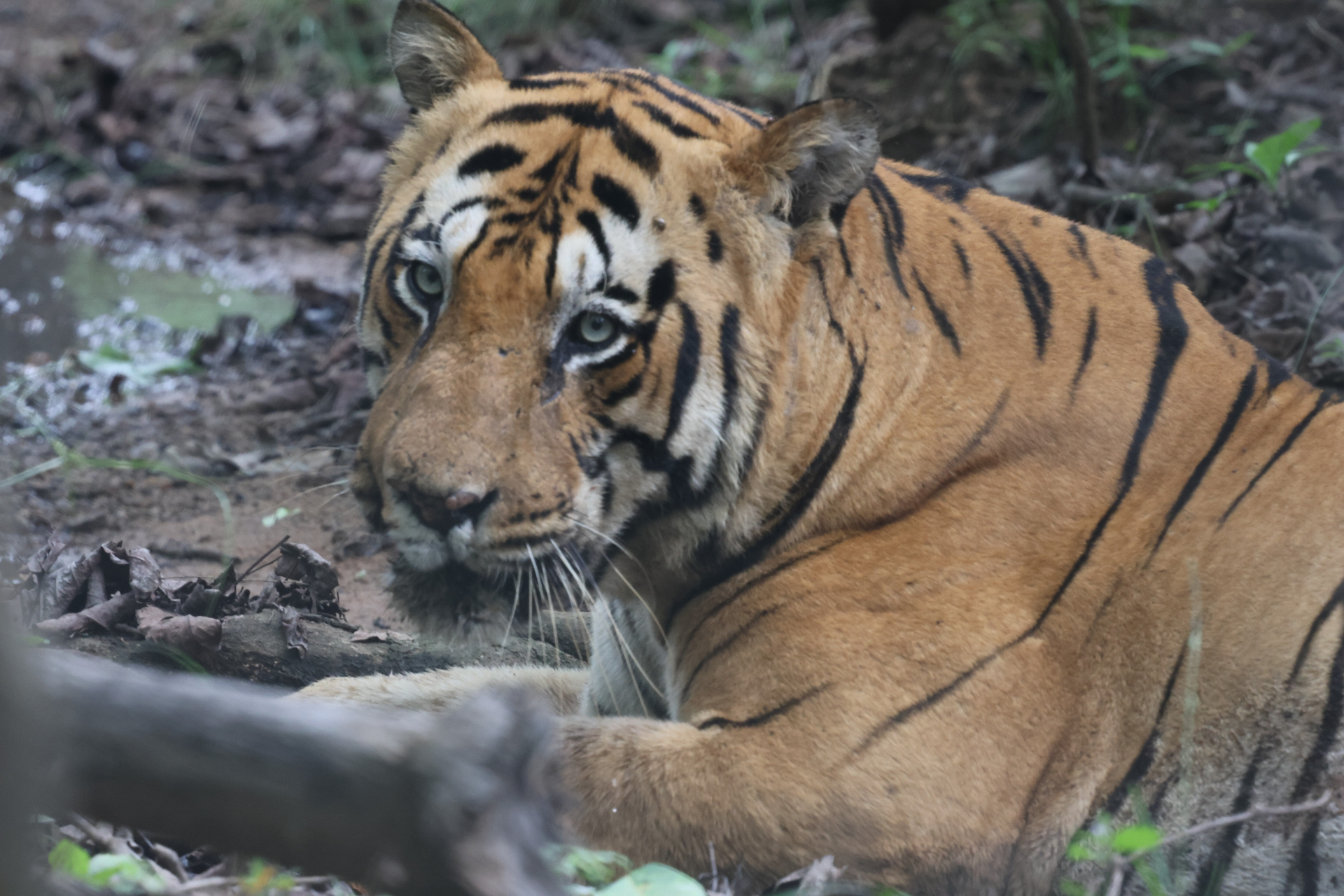
Dampa holds a mix of northeastern Himalayan and Indo-Burmese wildlife. Recorded species include leopard, clouded leopard, Asian elephant, gaur, sambar, barking deer, serow, wild boar and Himalayan black bear. The reserve is known for the hoolock gibbon, along with capped langur, Phayre's leaf monkey and slow loris. Birdlife is rich, with great hornbill, wreathed hornbill, trogons, laughingthrushes and many forest passerines. Reptiles include king cobra and several pit vipers. Tiger signs have been scarce in recent surveys, so we do not promise tigers here.
Dampa's Wildlife Highlights
Dampa is better known for its primates and birds than for individual tigers. Hoolock gibbons, hornbills and rare cats live in the forest, and the reserve is one of the most important protected areas in Mizoram. Tigers are scarce, so we focus on what is reliably special here. Walks with local guides are the best way to meet them, and dawn is the time to listen for gibbons.
Your Stay in Dampa Tiger Reserve
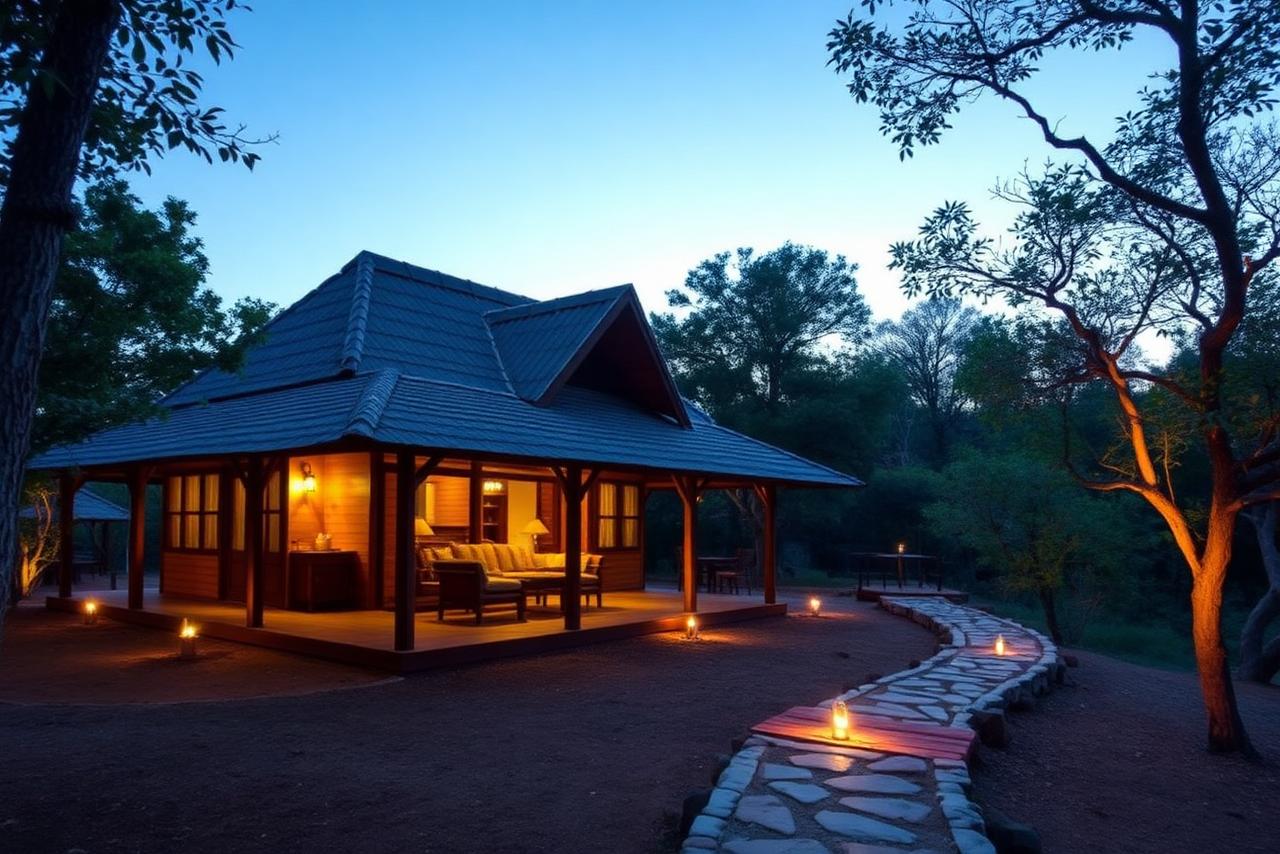
Accommodation in and around Dampa is simple. The forest department runs rest houses and huts near Phuldungsei and Teirei, and there are basic lodges and homestays in nearby villages. Expect limited electricity, basic meals and little mobile coverage, which is part of the charm. We recommend booking early, since capacity is small, and bringing a torch, leech socks and good walking shoes. For more comfort, you can base yourself in Aizawl and arrange long day trips, though that cuts into time in the forest. Our team arranges stays and logistics for the full trip.
Plan My StaySafari Etiquette
Why Should You Visit Dampa Tiger Reserve
Dampa is a rare chance to see a quiet corner of northeast India. The forest stretches along the Bangladesh border through steep hills, with a mix of evergreen and bamboo habitats, and is home to hoolock gibbons, hornbills and elusive cats. It is also important for conservation, as it connects with Myanmar and Bangladesh forests, and helps protect biodiversity in the Indo-Burma hotspot. The experience is about adventure, birds and primates, and the Mizo culture you meet along the way. Come with realistic expectations, and it is a rewarding trip for anyone who prefers wilderness to well-worn routes.
Plan My SafariFAQs
Share your details and we'll call you at your preferred time.