My Jungle Junction

Namdapha National Park & Tiger Reserve

Remote Himalayan rainforest on the Myanmar border, and one of the few places in the world with four big cats. Namdapha is for trekkers and patient naturalists, not for quick sightings.

15+ years of travel experience
Hosted by Amit (MJJ)

Plan Your Safari

Talk to a wildlife specialist.

By submitting, you agree to be contacted by My Jungle Junction.

By submitting, you agree to our Cancellation & Refund Policy and Privacy Policy.

Scroll

Plan Your Safari

Talk to a wildlife specialist.

By submitting, you agree to be contacted by My Jungle Junction.

By submitting, you agree to our Cancellation & Refund Policy and Privacy Policy.

My Jungle Junction's Guide to Namdapha Tiger Reserve

The Namdapha Tiger Safari Experience

The reserve covers roughly 1,985 sq km, though sources split core and buffer areas differently. Access is from Miao in Changlang district, and the main forest base is Deban, where the forest department has a rest house and a trekking hub. A restricted-area permit and forest permission are needed, and we arrange these for you.

Plan at least three to four nights to see anything beyond the first few kilometres, and more if you want to trek to the interior camps. Walking, river crossings and birdwatching take the place of jeep safaris.

Namdapha became a tiger reserve under Project Tiger in 1983 and is a vital piece of the Eastern Himalaya biodiversity hotspot, making it one of the most important and least visited protected areas in India.

1,985

sq. km reserve

1 + 1

Core + Buffer zones

1983

Declared National Park

Namdapha Safari Packages

My Jungle Junction's Bestselling Namdapha Safari Packages

Amit and the My Jungle Junction team plan every Namdapha itinerary around the way the reserve actually works: which gates are open, how far lodges sit from the entry points, and how many days you need before the landscape starts to give things up. We handle permits, vehicle bookings, naturalist guides and transfers from the nearest airport or station, and we build in spare time so a closed gate or a wet road does not cost you a safari.

How Many Safaris Should You Do in Namdapha?

Treks and forest walks, not jeep runs

Namdapha does not run on the numbered-zone jeep safari model. The forest is accessed on foot or by short vehicle stretches from Miao to Deban, with guided walks, birding and river visits making up the days. We build itineraries around trek length, permits and your fitness, usually over three to five days, and confirm the current rules with the forest department before booking.

Two days gives you a quick taste of the forest edge, the Noa-Dihing and the first birding trails. It is the minimum we would recommend given the travel time.

Three or four days around Deban let you explore the main trails, look for hornbills and primates, and try for dawn and dusk wildlife along the river. This is the best choice for most visitors.

Five days or more suits experienced trekkers who want to go deeper with porters and camping. Namdapha suits adventurous naturalists and birdwatchers; if you simply want a tiger sighting, a Central Indian park is the better choice.

Best Safari Zones

Safari Zones in Namdapha

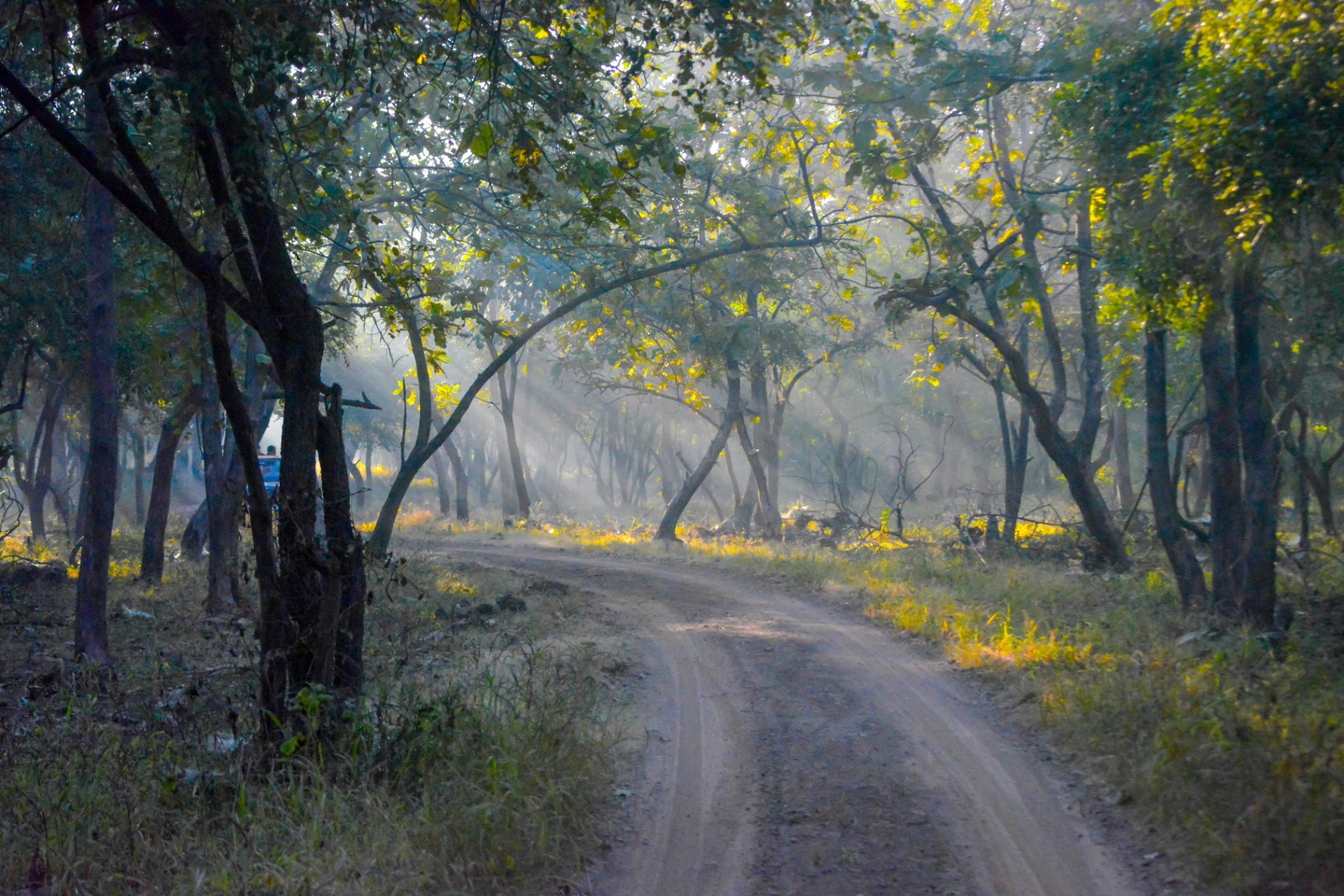
Namdapha does not have numbered tourism zones like the Central Indian parks. Visitors enter from Miao in Changlang district, and the main forest base is Deban, where the forest department runs a rest house and the trails begin. From there, guided walks lead to river stretches and interior camps, subject to permits and seasonal conditions. Exact trails and camps change year to year, and the interior is very remote, so we plan routes with the forest department and local guides rather than a fixed zone list.

Miao (Gateway)

Park headquarters and permit point in Changlang district, the starting point for the road to Deban.

Deban

Main forest base inside the reserve with a rest house, birding trails and the starting point for treks.

Noa-Dihing River

The reserve's main river; gravel banks and forest stretches used for walks, birding and wildlife watching.

Interior Trek Camps

Remote camps beyond Deban reached on multi-day treks. Routes and availability depend on permits and season.

How to Reach & When to Visit

How to Reach & Best Time to Visit Namdapha

✈️

By Air

Dibrugarh (Mohanbari) is the nearest major airport, roughly 140 km from Miao. Flights connect with Guwahati, Kolkata and Delhi.

πŸš†

By Train

Tinsukia and Margherita are the closest railheads in Assam, both within a few hours of Miao. Dibrugarh is also a main station.

πŸš—

By Road

The road from Margherita or Tinsukia to Miao is workable; the stretch from Miao to Deban is narrow, slow and can be rough in rain. We arrange a suitable vehicle.

Best Time to Visit Namdapha

Winter is the driest and easiest season; rain makes access hard for much of the year.

πŸ‚
Winter
Oct - Feb

Driest and best for trekking and wildlife. December and January are the most comfortable months.

β˜€οΈ
Summer
Mar - Jun

Warm and increasingly humid. Pre-monsoon showers begin, and trails get muddy and leech-prone.

🌧️
Monsoon
Jul - Sep

Very heavy rain, swollen rivers, leeches and road damage. Access is difficult and we advise against visiting.

MJJ Insight : Permits are required for Namdapha, and non-Indian visitors need extra permission. Start the paperwork several weeks ahead and tell us your group's nationalities when you enquire.

The Wildlife of Namdapha

Beyond the Tiger: Namdapha's Wildlife

Namdapha is reported to hold tiger, leopard, clouded leopard and snow leopard, though sightings of any of them are very rare. Other mammals include Asian elephant, gaur, red panda, Namdapha flying squirrel, hoolock gibbon, stump-tailed and Assamese macaques, Himalayan black bear and the slow loris. The birdlife is the real draw for many visitors, with four hornbill species, Himalayan wood owl, white-winged duck and many pheasants and babblers. The forest also supports an extraordinary range of orchids, ferns and butterflies.
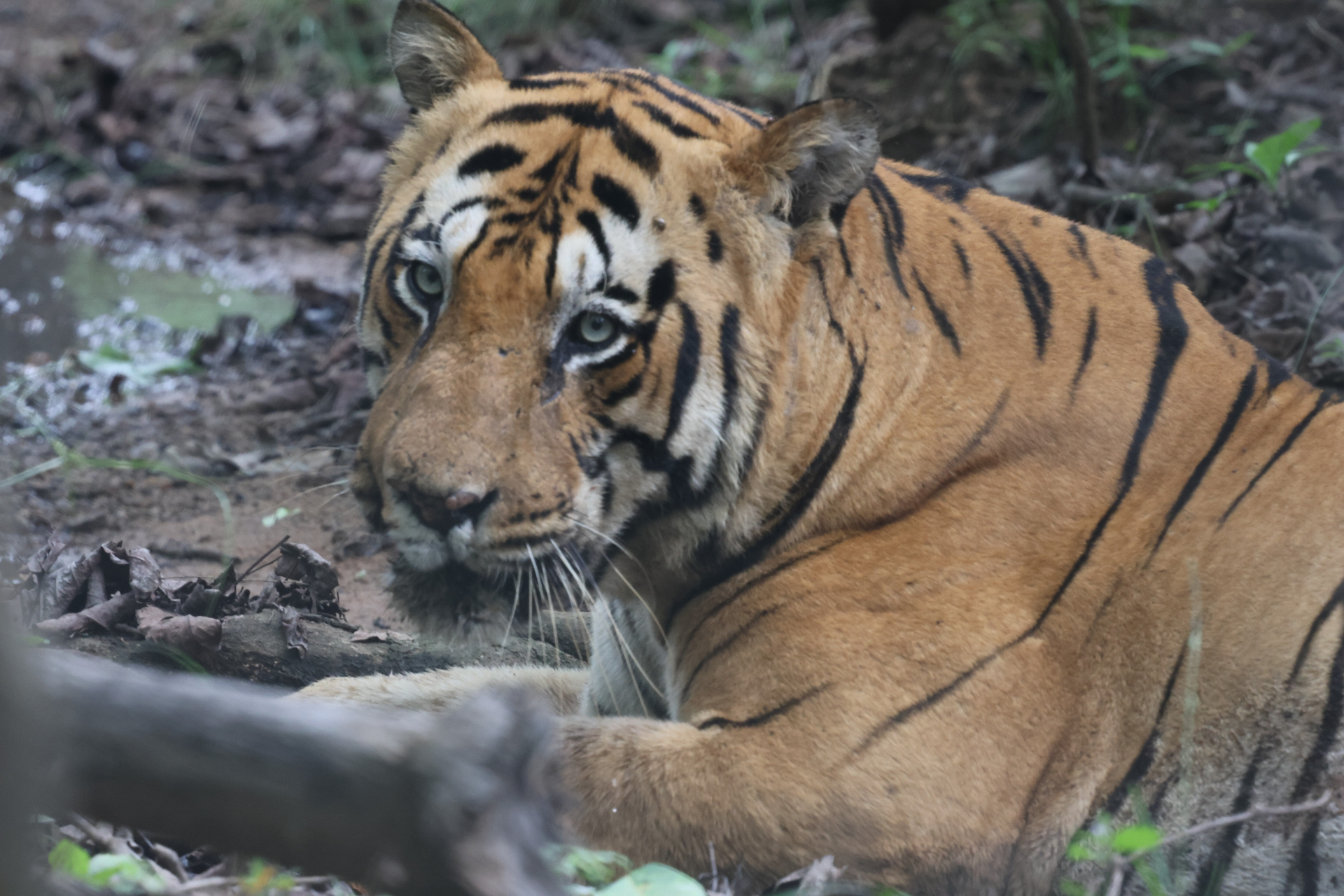
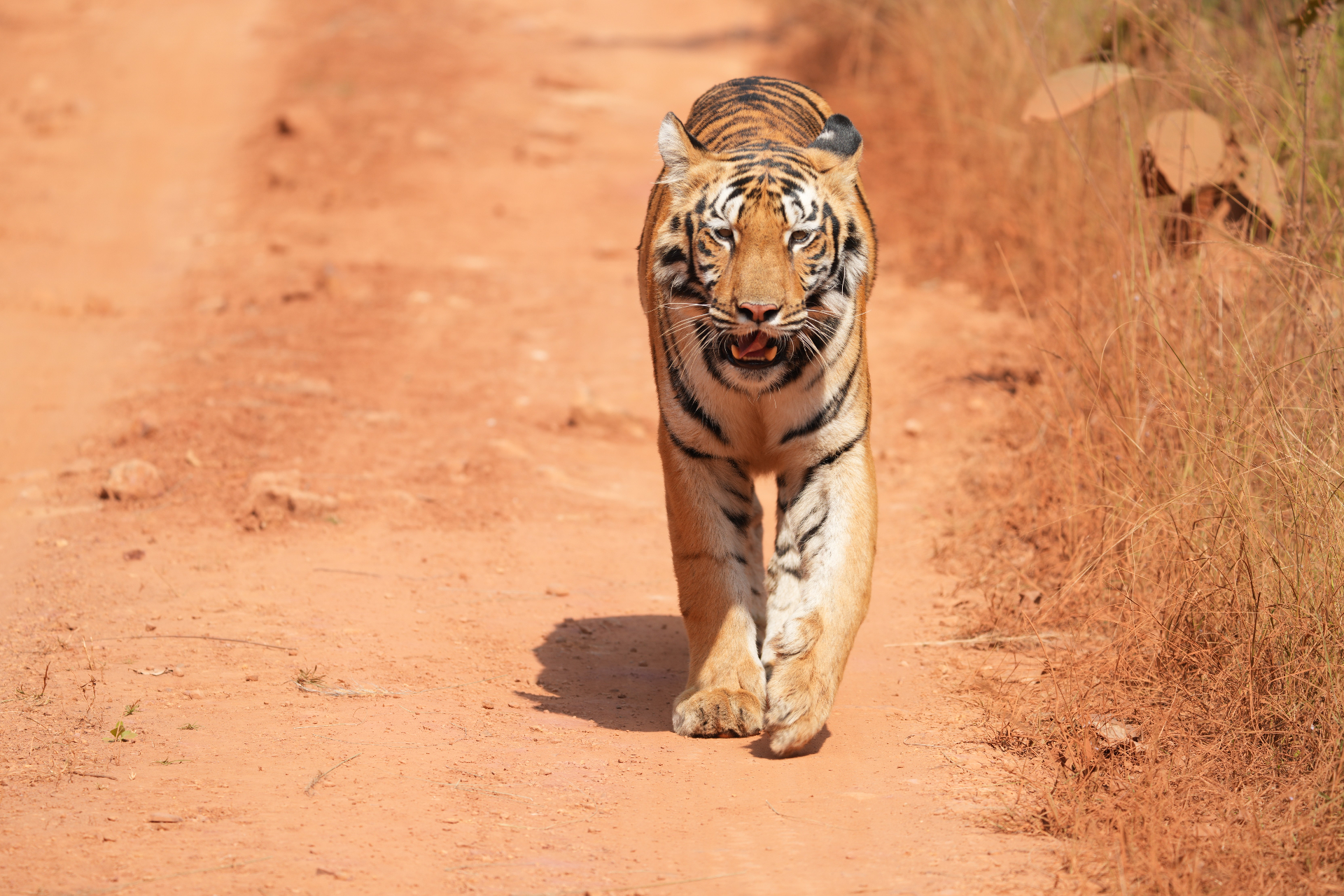
Namdapha National Park & Tiger Reserve - wildlife sighting

Famous Tigers of Namdapha

The only place with four big cats

Namdapha has no named celebrity tigers, but it has an extraordinary claim: tigers, leopards, clouded leopards and snow leopards are all reported here. Recent conservation work, camera-trap surveys and tiger recovery plans are the reserve's real story. Ask your naturalist about recent camera-trap news, sightings and pugmarks, because that is where the real stories of this reserve are told. We encourage guests to treat any big-cat sighting here as a privilege rather than a promise, and to enjoy the forest, birds and smaller wildlife along the way.

Four big cats Deban Miao Noa-Dihing Hornbills

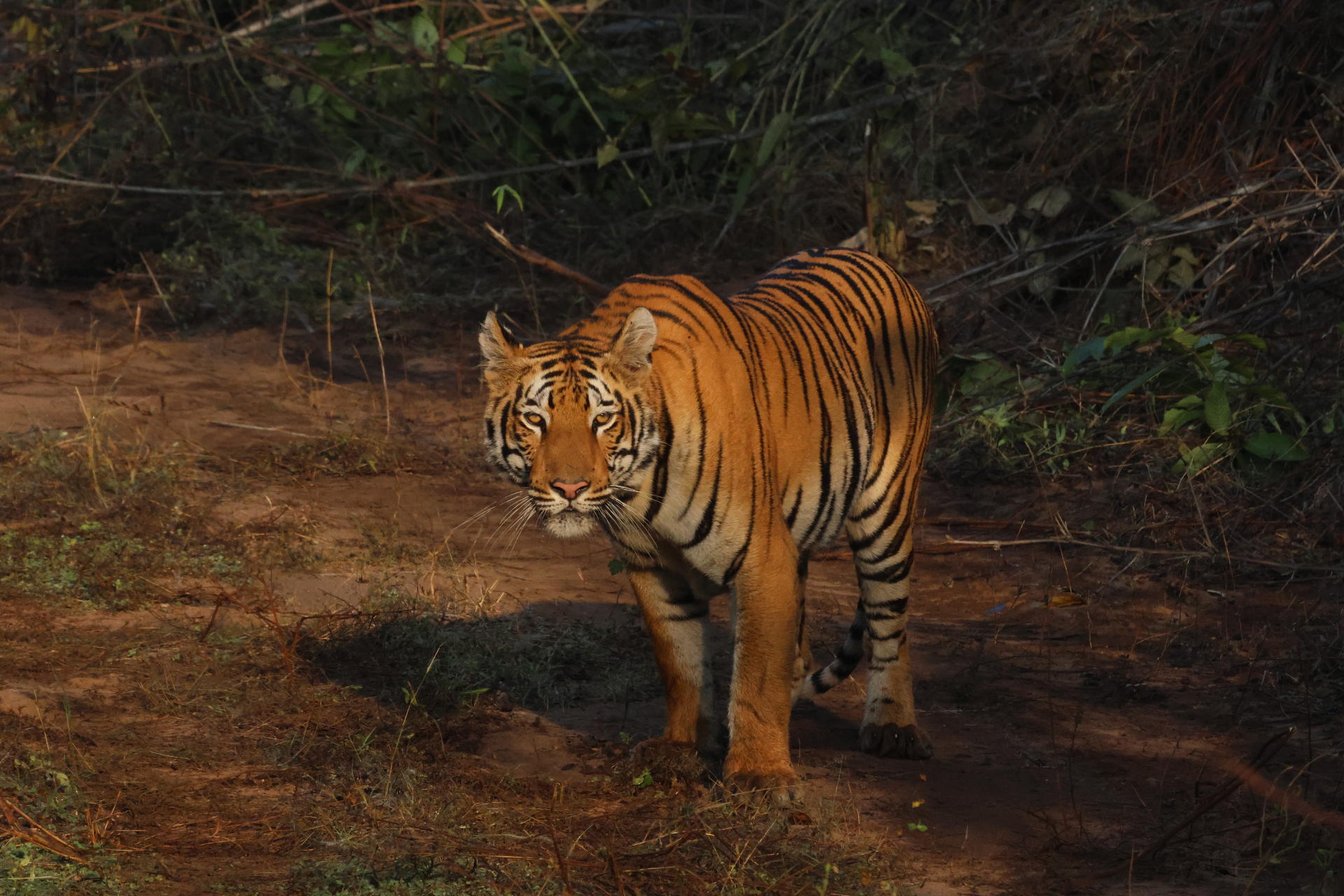
There are no individual tigers at Namdapha that guides will name for you. Dense rainforest and low density make sightings extremely rare, and camera traps are the main way the cats are recorded.

What gives the reserve its place in Indian conservation is the mix. Tiger, leopard, clouded leopard and snow leopard are all reported, an unusual overlap that reflects the sweep from tropical forest to alpine slopes. Visitors should treat this as a landscape fact rather than a promise of sightings.

Namdapha was brought under Project Tiger in 1983 and remains a priority for conservation in the Eastern Himalaya. Ask your guide about recent camera-trap results.

Your Stay in Namdapha

Your Stay in Namdapha

Where to Stay in Namdapha

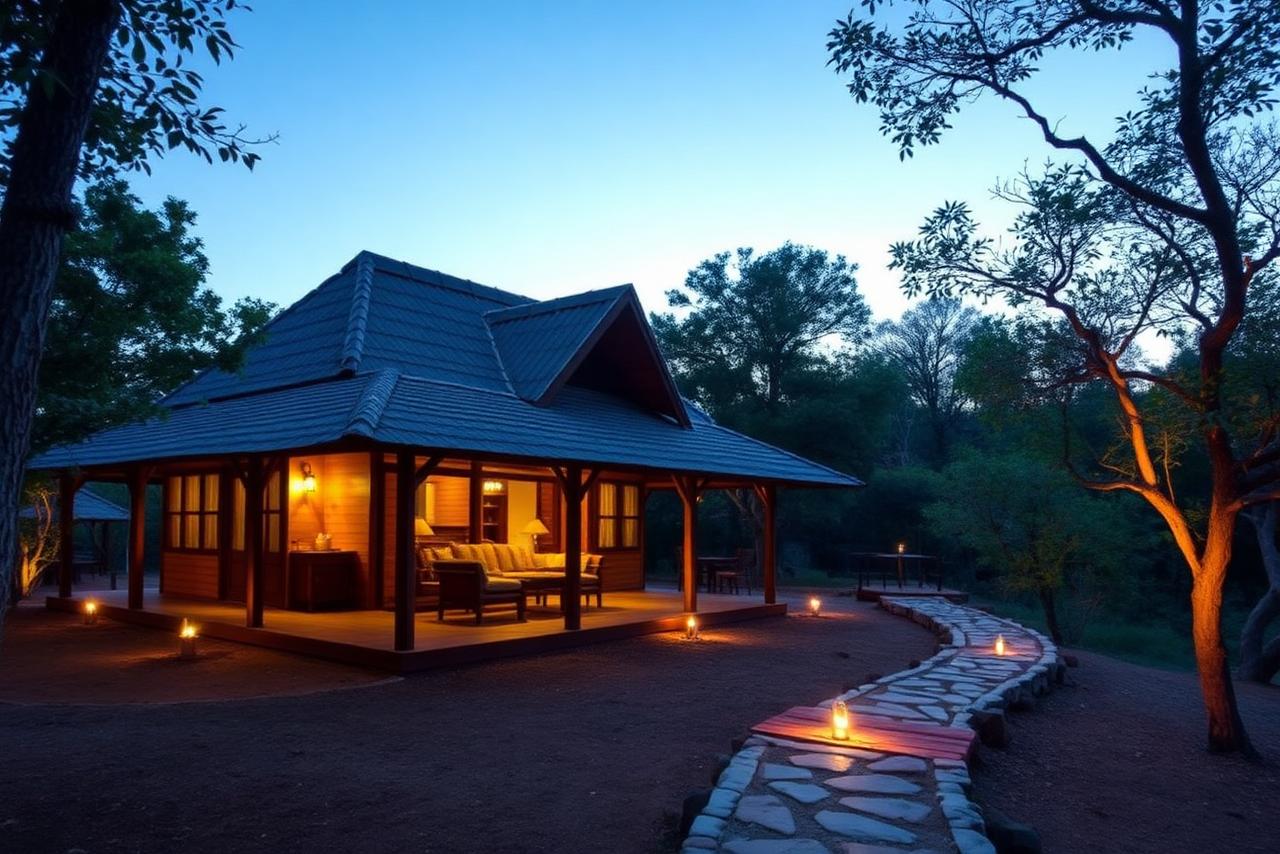
Accommodation inside the reserve is basic, and mostly at Deban, where the forest department runs a rest house and an eco-camp. Book these through the forest department; we handle this for guests. Miao has simple guesthouses and homestays for the night before or after you enter the forest. Margherita, Tinsukia and Dibrugarh in Assam offer proper hotels for the transit nights. Choose by your trek length: for a short visit, stay in Miao, and for deeper exploration, plan camps or the Deban rest house.

Plan My Stay

Safari Etiquette

Dos and Don'ts on a Namdapha safari

βœ“ Dos

  • βœ“ Keep your voice low inside the forest.
  • βœ“ Listen to your guide and naturalist.
  • βœ“ Respect safari routes and forest regulations.
  • βœ“ Carry water, sun protection and suitable clothing.
  • βœ“ Keep your camera ready without disturbing wildlife.

βœ• Don'ts

  • βœ• Ask the driver to break rules.
  • βœ• Request a driver to block an animal's movement.
  • βœ• Feed wildlife.
  • βœ• Throw anything from the vehicle.

Why Should You Visit Namdapha

Four big cats and a rainforest few ever reach

Namdapha is one of the largest protected areas in the Eastern Himalaya and one of the few places on earth reported to hold tigers, leopards, clouded leopards and snow leopards together. That alone makes it a landmark of Indian conservation, even if the cats are elusive. It is also a superb place for hornbills, primates, orchids and butterflies, and for the feeling of travelling through forest without crowds. It suits trekkers, birdwatchers and serious naturalists who want something harder and wilder than a standard safari. Expect basic comfort, long days and a real sense of remoteness, and you will leave with a very different kind of wildlife trip.

Plan My Safari

FAQs

Frequently asked questions about Namdapha

Get a Callback WhatsApp Us
βœ“ Request sent! We'll be in touch soon.