My Jungle Junction
A UNESCO World Heritage forest on the Bhutan border where grassland, river and hill forest meet. Manas offers tigers, golden langurs, elephants, rhinos and a quieter alternative to Kaziranga.
My Jungle Junction's Guide to Manas Tiger Reserve
2,837
sq. km reserve
1 + 1
Core + Buffer zones
1973
Declared National Park
Manas Safari Packages
Amit and the My Jungle Junction team plan every Manas itinerary around the way the reserve actually works: which gates are open, how far lodges sit from the entry points, and how many days you need before the landscape starts to give things up. We handle permits, vehicle bookings, naturalist guides and transfers from the nearest airport or station, with spare time built in. Tell us your dates and group size and we will shape the rest.
How Many Safaris Should You Do in Manas?
Manas works best with a mix of jeep safaris in the open grassland and forest, a river trip on the Manas where permitted, and a dawn start for birds. Most guests do three or four outings over two nights. We check which ranges are open and arrange the vehicles, guides and permits for you. Tell us your dates and fitness level and we will shape the plan.
Best Safari Zones
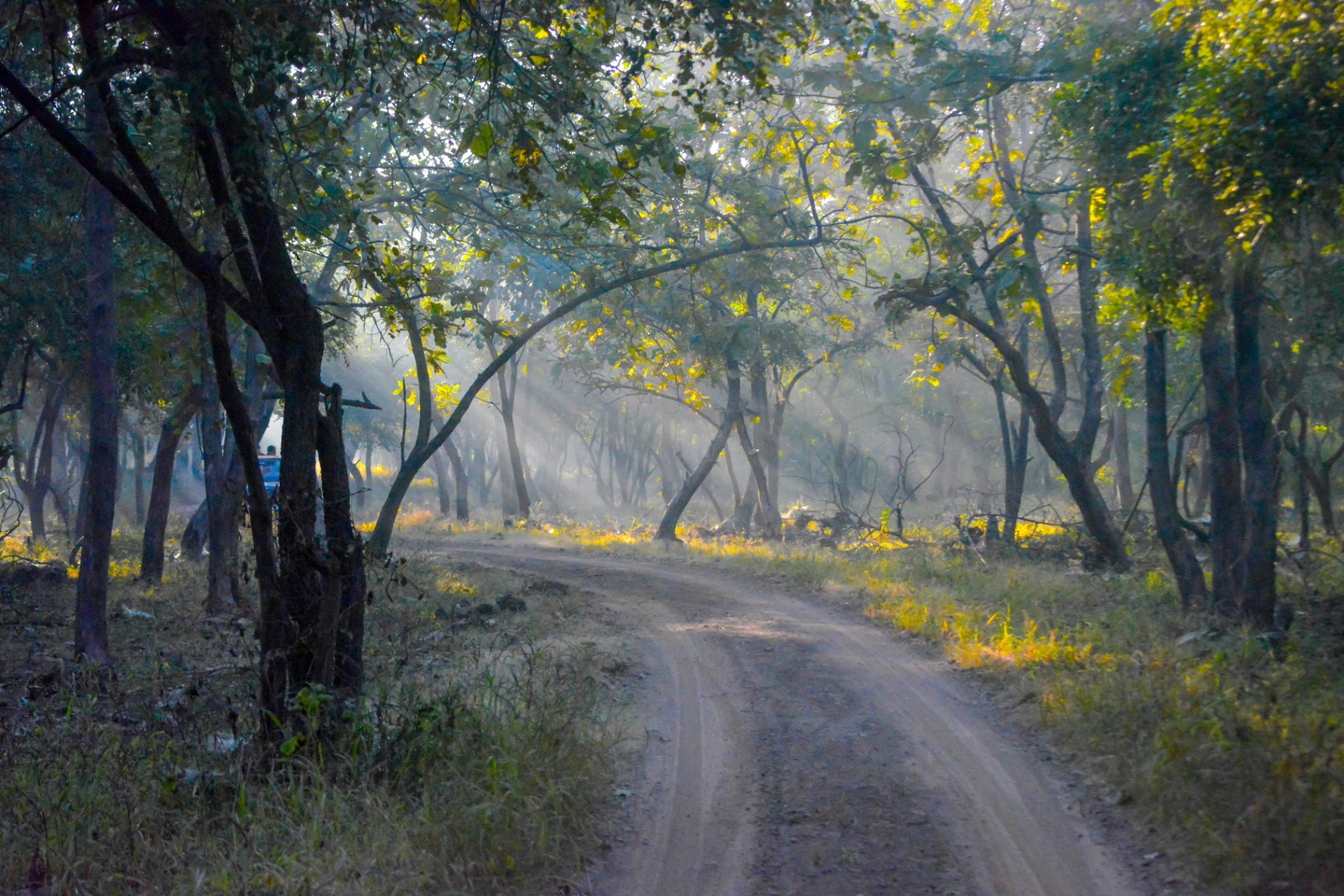
Manas Tiger Reserve is organised into three main ranges rather than numbered tourism zones. Bansbari, the central range near Barpeta Road, is the primary tourist range and the base for jeep safaris, Mathanguri and river activities. Panbari, in the west, has forest drives for the hornbill and langur enthusiast. Bhuyanpara (Bhuiapara), in the east, is the quieter range for wildlife drives. Rules on which ranges welcome tourists can change, so we confirm current access with the forest department before you travel.
Main tourist range near Barpeta Road; jeep safaris, the Manas river and the road to Mathanguri.
Forest lodge and viewpoint on the Manas river at the Bhutan border; popular for river views and birds.
Western range with forest and grassland drives; known for golden langur country. Access varies.
Eastern range, quieter and less visited; used for jeep safaris when open.
How to Reach & When to Visit
Guwahati (Lokpriya Gopinath Bordoloi International) is the nearest major airport, roughly three to four hours by road from Bansbari.
Barpeta Road is the closest railhead, a short drive from Bansbari. Guwahati is the main rail hub with long-distance connections.
The route from Guwahati runs west towards Barpeta Road, then north to Bansbari. The roads are generally good and we arrange a private vehicle and driver.
Winter and early spring are the best, and the park is closed in the monsoon.
Cool, dry and clear. Best for jeep safaris, birdwatching and river views. Most of the tourism happens in these months.
Hot and increasingly humid, especially from April. Wildlife gathers near water, but showers can interrupt safaris.
Heavy rain, flooded rivers and road closures. The reserve is generally closed to tourists, so we do not plan visits in this season.
MJJ Insight : Book Bansbari jeeps and lodge rooms early for November to March, and check with us whether Bhuyanpara and Panbari are open for tourists on your dates before you plan a multi-range stay.
The Wildlife of Manas
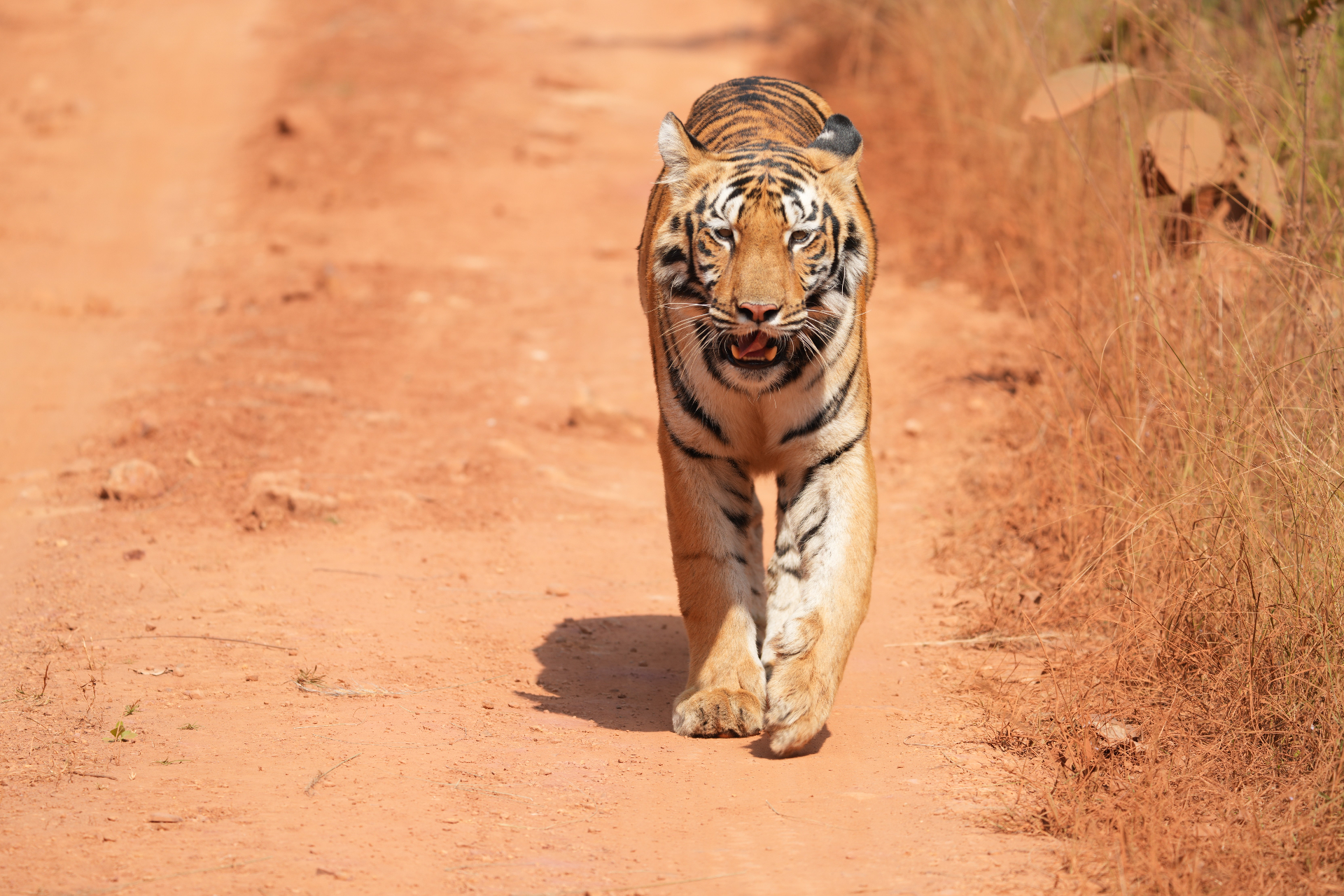
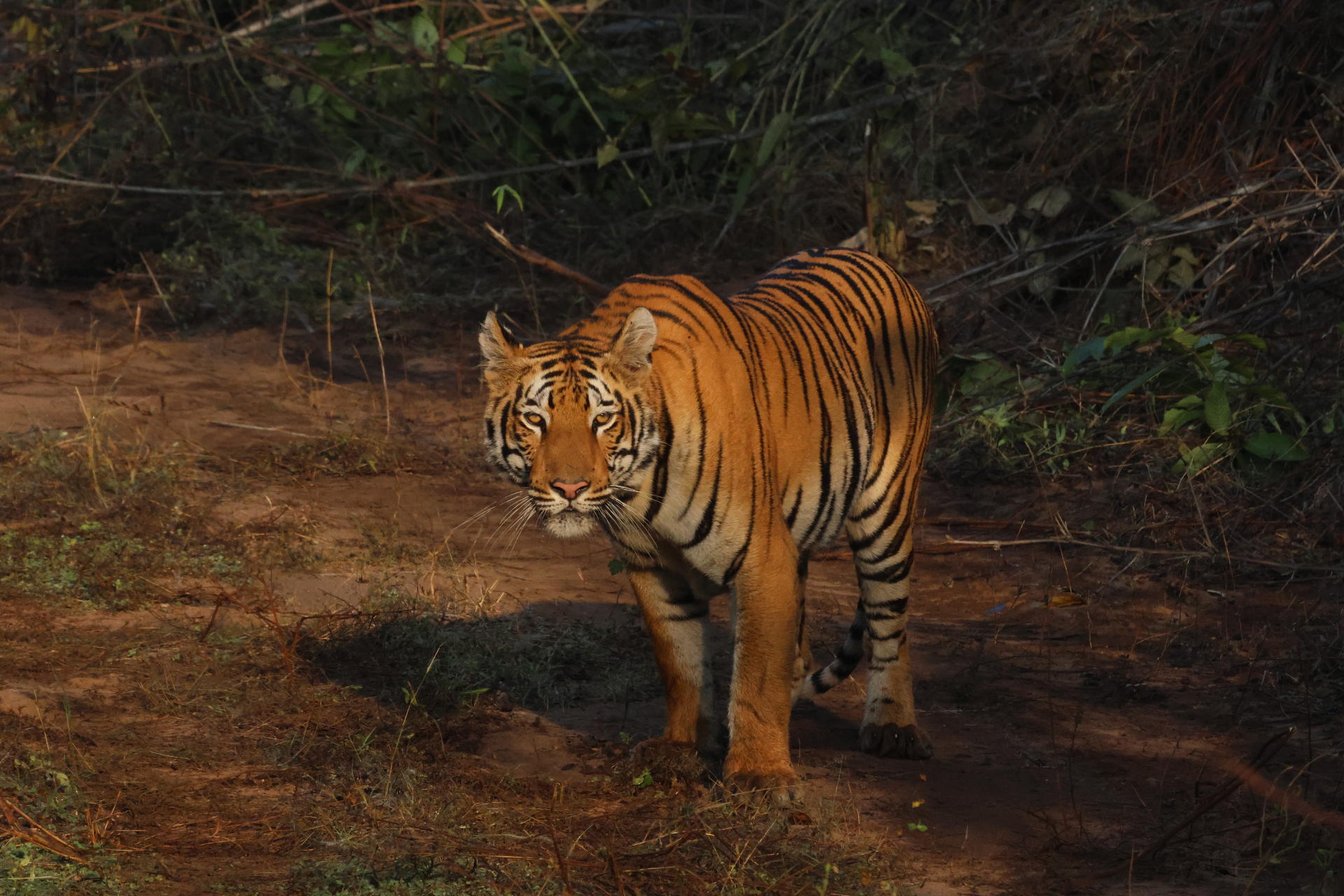
Manas is a species-rich reserve. Mammals include tiger, leopard, clouded leopard, Asian elephant, greater one-horned rhinoceros, gaur, wild water buffalo, swamp deer, hog deer, sambar, golden langur, Assamese macaque, hispid hare and pygmy hog. Among the birds are Bengal florican, great hornbill, wreathed hornbill, kalij pheasant and many raptors. The Manas river also holds gharial and several turtle species. The mix of habitats, from grassland to forest to river, means each safari feels different. Dawn and dusk are usually the most productive times.
Wildlife Icons of Manas
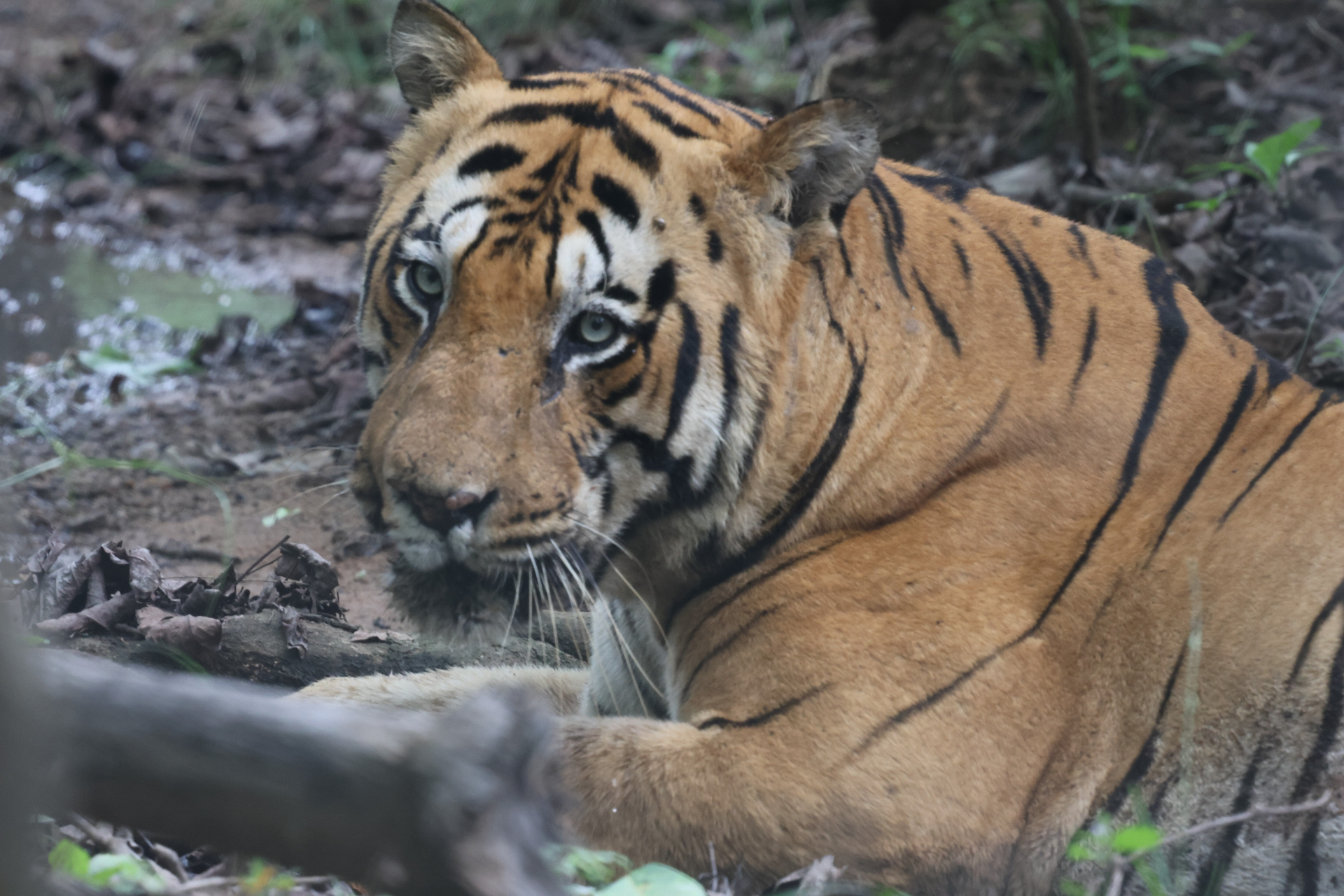
Manas does not have named tigers that guides follow. Its stars are species: the golden langur, the pygmy hog, the wild water buffalo and Bengal florican, along with a conservation recovery that is one of the Northeast's best stories. Ask your naturalist about recent camera-trap news, sightings and pugmarks, because that is where the real stories of this reserve are told.
Your Stay in Manas
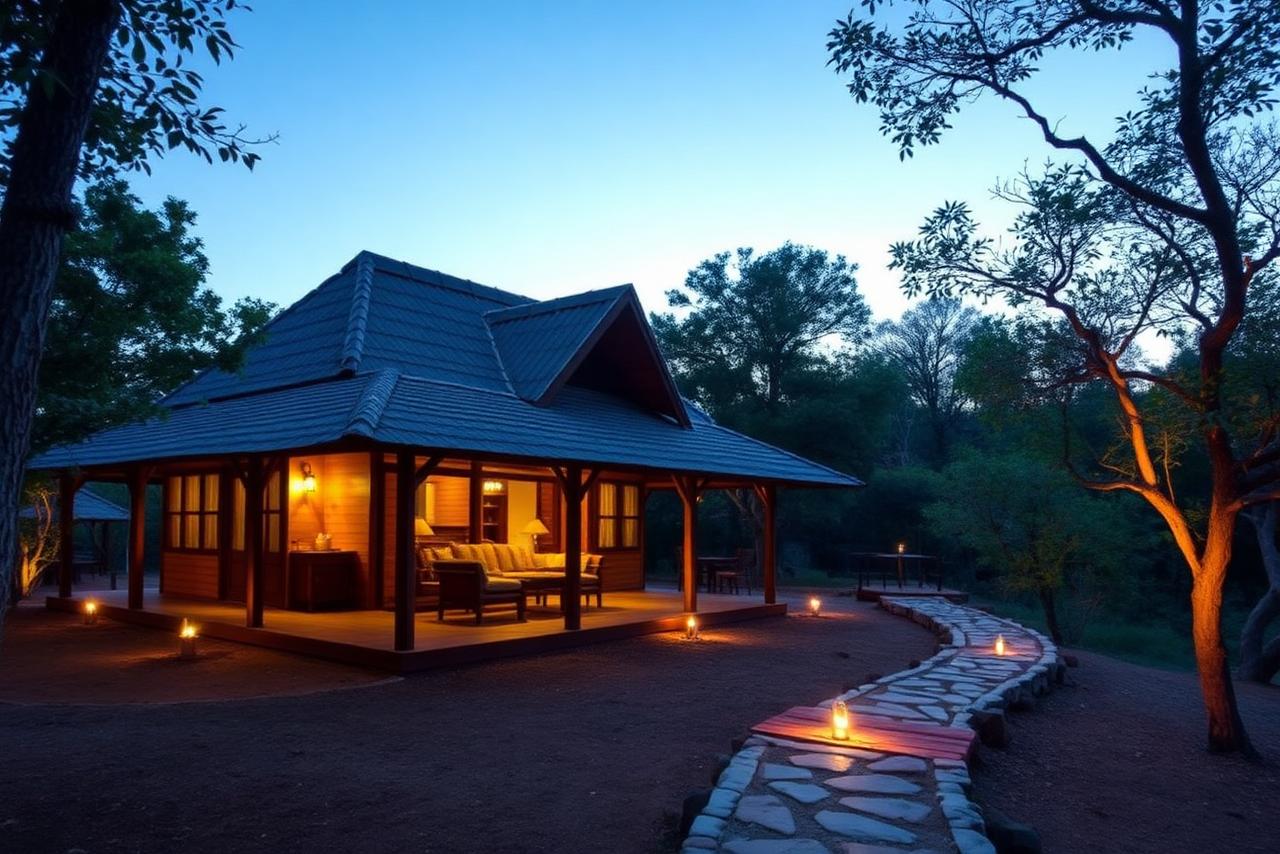
Most visitors stay near Bansbari or Barpeta Road, where forest-department lodges, private resorts and eco-camps cluster along the edge of the park. Mathanguri has a forest lodge, and the other ranges have small camps and guesthouses. Choose by distance from the range you plan to visit, the comfort you want and whether you will use boat or river activities. For a longer Northeast trip, Barpeta Road and Guwahati make good overnight stops. We can recommend and book a lodge that fits your dates and group.
Plan My StaySafari Etiquette
Why Should You Visit Manas
Manas is one of the few places in India where tiger, rhino, elephant, golden langur, pygmy hog, wild water buffalo and Bengal florican share a landscape. It sits on the Bhutan border and forms a transboundary conservation area with Royal Manas National Park, which makes it important for large animals that move between the two countries. The reserve also has a powerful recovery story, having been badly affected by unrest in the past and since returned as a wildlife haven. Compared with Kaziranga, it is quieter and less formal, which suits travellers who enjoy scenery, birds and rare species as much as headline animals.
Plan My SafariFAQs
Share your details and we'll call you at your preferred time.