My Jungle Junction

Mudumalai Tiger Reserve, Theppakadu & Masinagudi, Nilgiris

Elephants, gaur and a real chance of tiger and leopard at the tri-junction of Tamil Nadu, Karnataka and Kerala, with Ooty and the Nilgiri Hills as your backdrop.

15+ years of travel experience
Hosted by Amit (MJJ)

Plan Your Safari

Talk to a wildlife specialist.

By submitting, you agree to be contacted by My Jungle Junction.

By submitting, you agree to our Cancellation & Refund Policy and Privacy Policy.

Scroll

Plan Your Safari

Talk to a wildlife specialist.

By submitting, you agree to be contacted by My Jungle Junction.

By submitting, you agree to our Cancellation & Refund Policy and Privacy Policy.

My Jungle Junction's Guide to Mudumalai Tiger Reserve

The Mudumalai Tiger Safari Experience

Mudumalai was declared a tiger reserve in 2007, with the whole 321 sq km of the earlier sanctuary treated as core. A buffer of about 368 sq km was notified later, bringing the total to roughly 689 sq km. It lies in the Nilgiris district of Tamil Nadu.

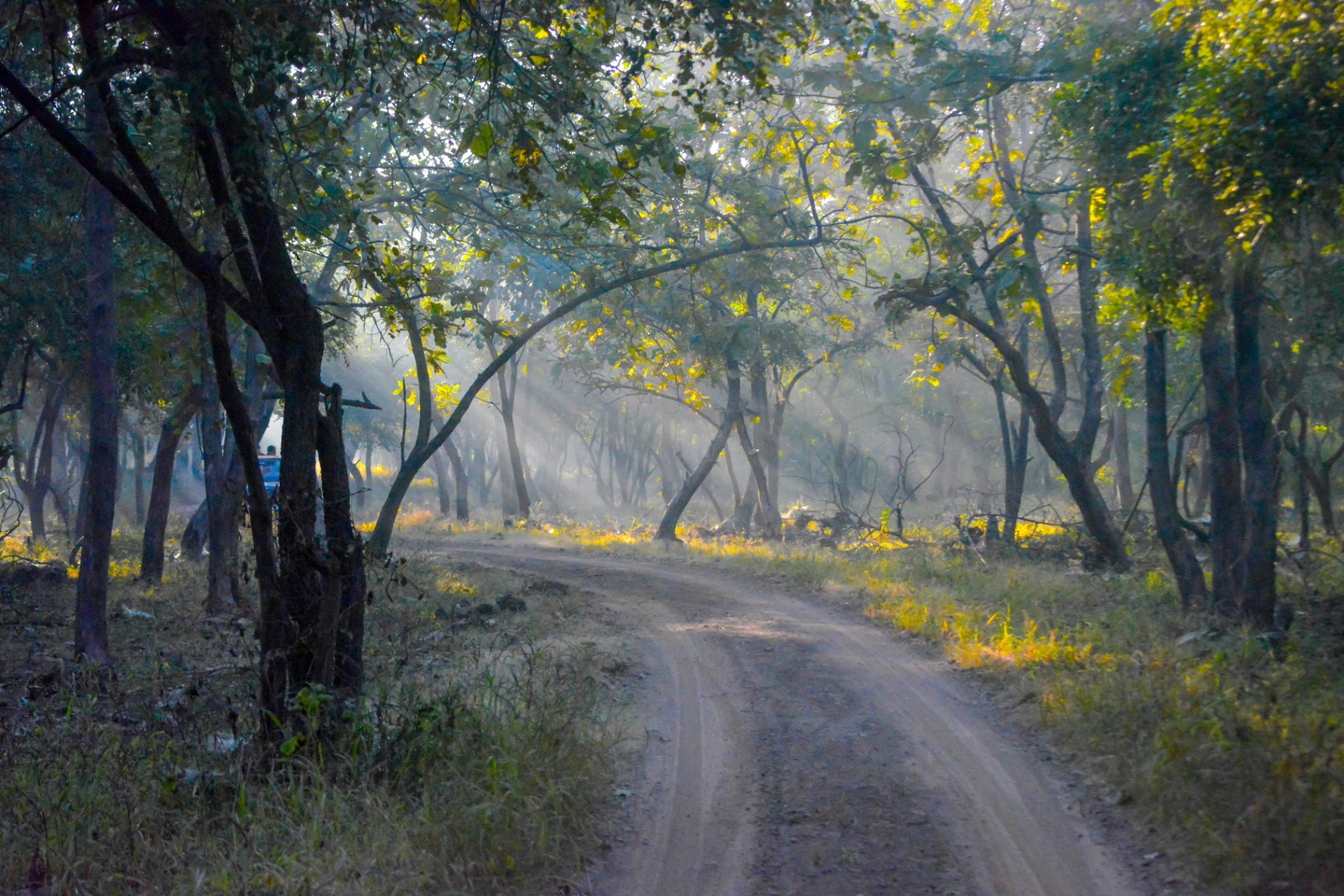
The forest department runs vehicle safaris from the Theppakadu reception centre, which is also home to the elephant camp. Masinagudi and other buffer villages have resorts that operate their own naturalist drives, which is the practical way to take more than one safari a day.

Two or three nights is ideal, with time to visit Ooty or Bandipur if you wish. Entry numbers are controlled, so book ahead.

Weekday visits are quieter.

689

sq. km reserve

1 + 1

Core + Buffer zones

2007

Declared National Park

Mudumalai Safari Packages

My Jungle Junction's Bestselling Mudumalai Safari Packages

We plan Mudumalai around two things: where you stay and who drives you. Our packages place you in carefully chosen Masinagudi or Theppakadu properties, book forest-department safaris where available, and add naturalist-led drives with resort jeeps. Itineraries link neatly to Ooty, Coonoor, Bandipur and Wayanad, and we adjust for weather and any closures. Weekday departures are usually quieter and better value.

How Many Safaris Should You Do in Mudumalai?

Three drives balance forest and buffer

At Mudumalai, you can combine forest-department safaris from Theppakadu with resort-run naturalist drives in the buffer. That gives you flexibility, so we usually recommend three outings across two days, with one in each area. Elephant sightings are the near certainty; tigers and leopards are the rewarding extra. Mornings are cooler and often best for cats, while afternoons suit elephants gathering near the river and photographers.

Two safaris are the minimum for a first look: one morning, one afternoon, enough to see the forest, the Moyar river area and plenty of elephants and deer.

Three safaris is our standard plan, mixing a forest-department drive from Theppakadu with buffer-zone drives from Masinagudi, giving you more variety and a better chance of cats.

Four to six safaris suits photographers and returning guests who want to explore both areas thoroughly, or pair Mudumalai with Bandipur and Wayanad.

The park suits families, first-time safari visitors and photographers, particularly those who enjoy elephants. Check timings, since they can differ between operators.

Best Safari Zones

Safari Zones in Mudumalai

Mudumalai does not use numbered safari zones. The forest-department safari starts at the Theppakadu reception centre, from where a vehicle route runs into the core forest, and the elephant camp is nearby. Masinagudi and the surrounding buffer villages have their own resorts offering naturalist drives within the buffer area, with the Moyar river valley and Moyar gorge forming a key landscape. Several ranges, including Mudumalai, Theppakadu, Masinagudi, Kargudi and Nellakota, make up the reserve. Timings usually include a morning and afternoon slot.

Theppakadu (Core)

Reception centre, elephant camp and start of the forest-department safari.

Masinagudi (Buffer)

Village with many resorts and naturalist-led drives in the buffer.

Moyar River Valley

River and gorge area that attracts elephants, gaur and big cats.

Kargudi Range

Forest range in the south of the reserve.

Nellakota Range

Western forest range towards Kerala; limited access.

How to Reach & When to Visit

How to Reach & Best Time to Visit Mudumalai

✈️

By Air

Coimbatore International Airport is about 120 km from Masinagudi, roughly three hours by road. Mysuru's airport is another option for those coming from Karnataka; confirm the schedule.

πŸš†

By Train

Mettupalayam is the closest main railway station on the Ooty line, and Coimbatore Junction is the main rail hub. Taxis from either take you to Masinagudi via the Ooty ghat road.

πŸš—

By Road

Masinagudi is about 30 km from Ooty and well linked to Mysuru and Coimbatore by road. A private car is the easiest option; the route includes hairpin bends, so allow extra time.

Best Time to Visit Mudumalai

Mudumalai changes character through the year; here is what each season offers.

πŸ‚
Winter
Dec - Mar

Dry and pleasant, with peak demand and limited daily vehicle entries. Good for all species; book early.

β˜€οΈ
Summer
Apr - Jun

Hot, with animals gathering near water; February to May is also a favoured window for sightings. Early drives are best.

🌧️
Monsoon
Jul - Sep

Monsoon makes the forest green and less crowded. October can be very wet and some roads may close; check before travelling.

MJJ Insight : Tip: Forest-department vehicle numbers are limited in peak season. Book Mudumalai at least a month ahead for December to March.

The Wildlife of Mudumalai

Beyond the Tiger: Mudumalai's Wildlife

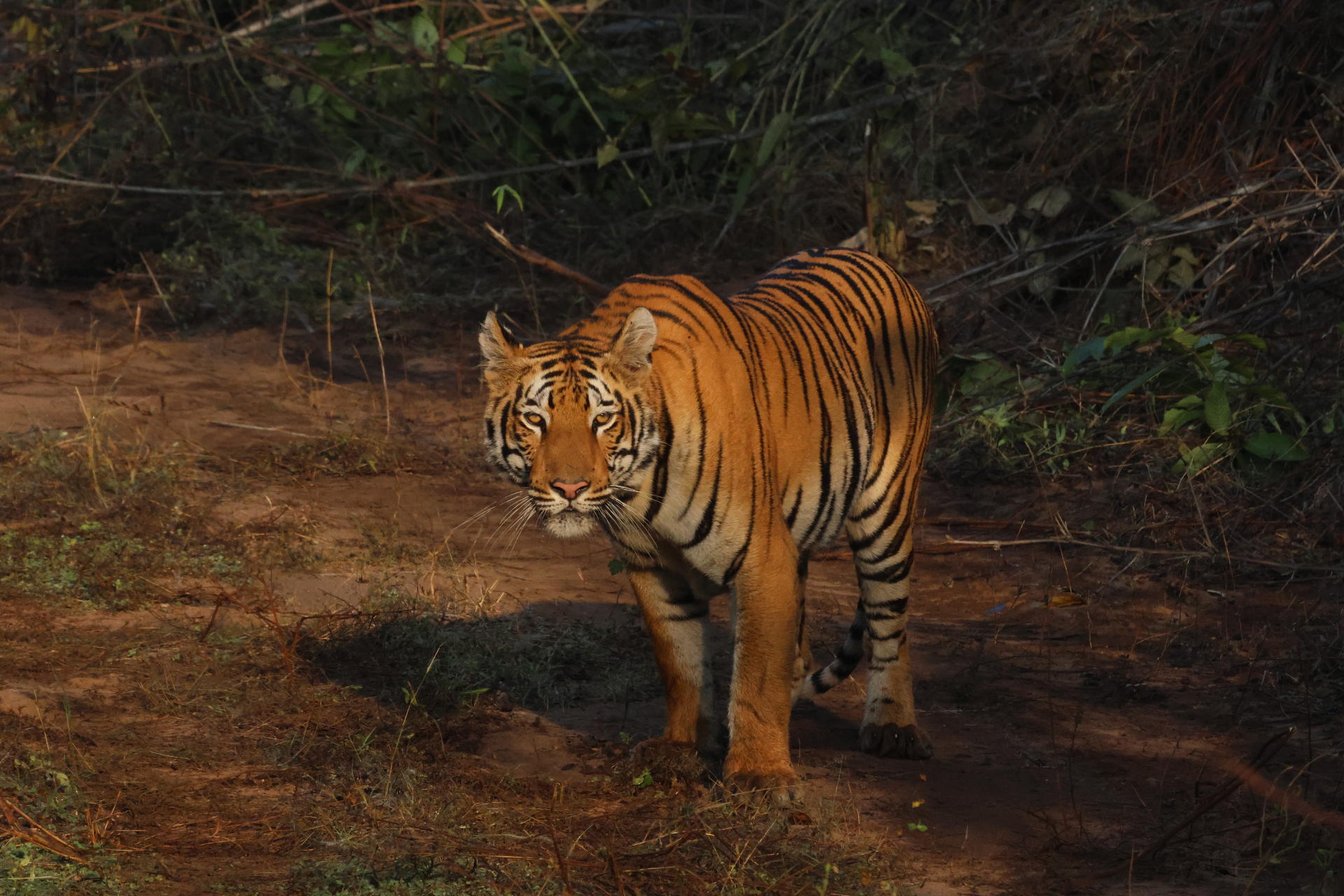
Mudumalai is best known for its Asian elephants, which gather along the Moyar river, and for gaur, the huge Indian bison. Tiger and leopard are resident, with sloth bear and dhole also present. Common herbivores include sambar, chital, barking deer, wild boar and the Indian giant squirrel, while grey langur and bonnet macaque are easy to see. More than 260 bird species have been recorded, including Malabar pied hornbill, Indian peafowl and crested serpent eagle. Reptiles include mugger crocodile and Indian rock python.
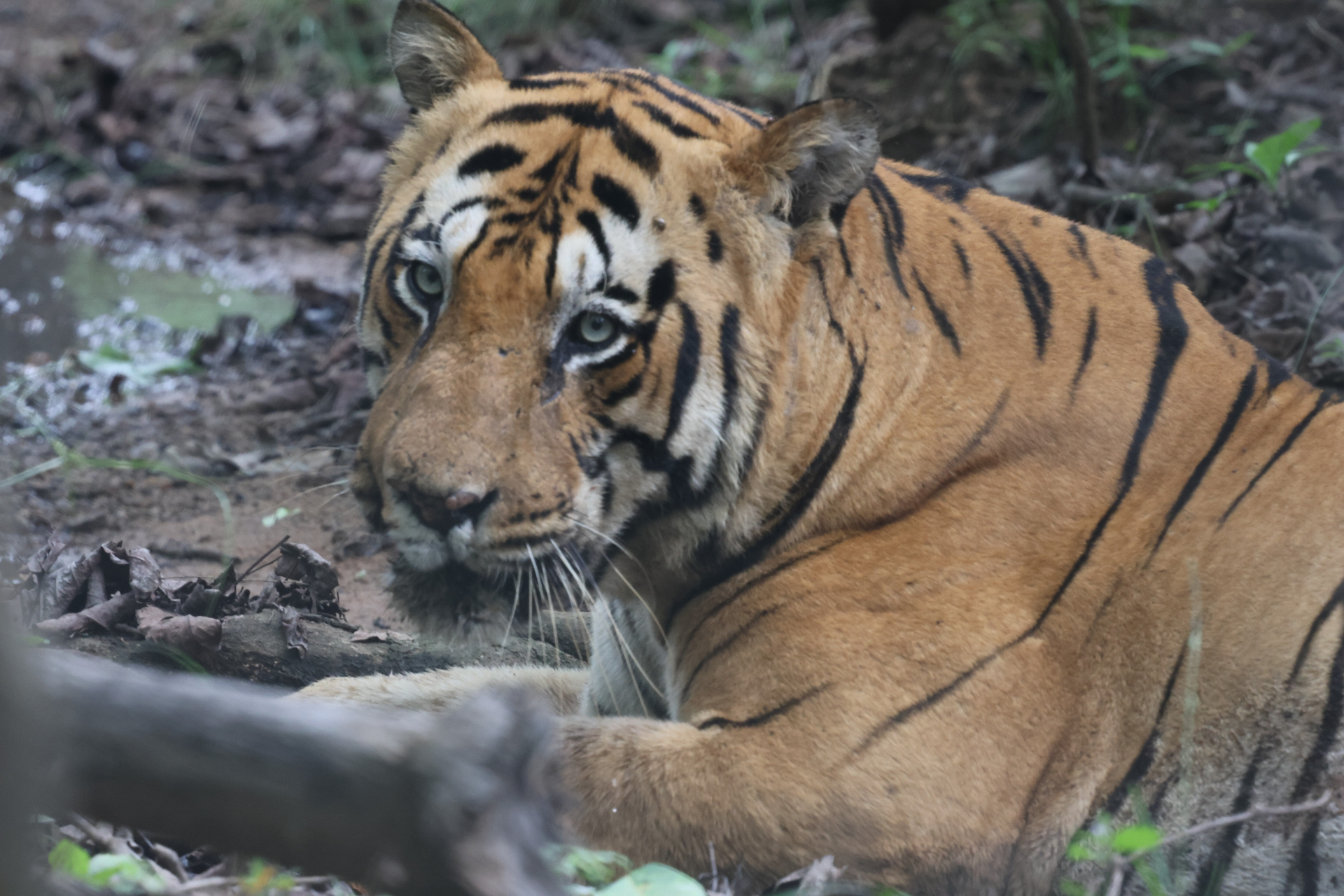
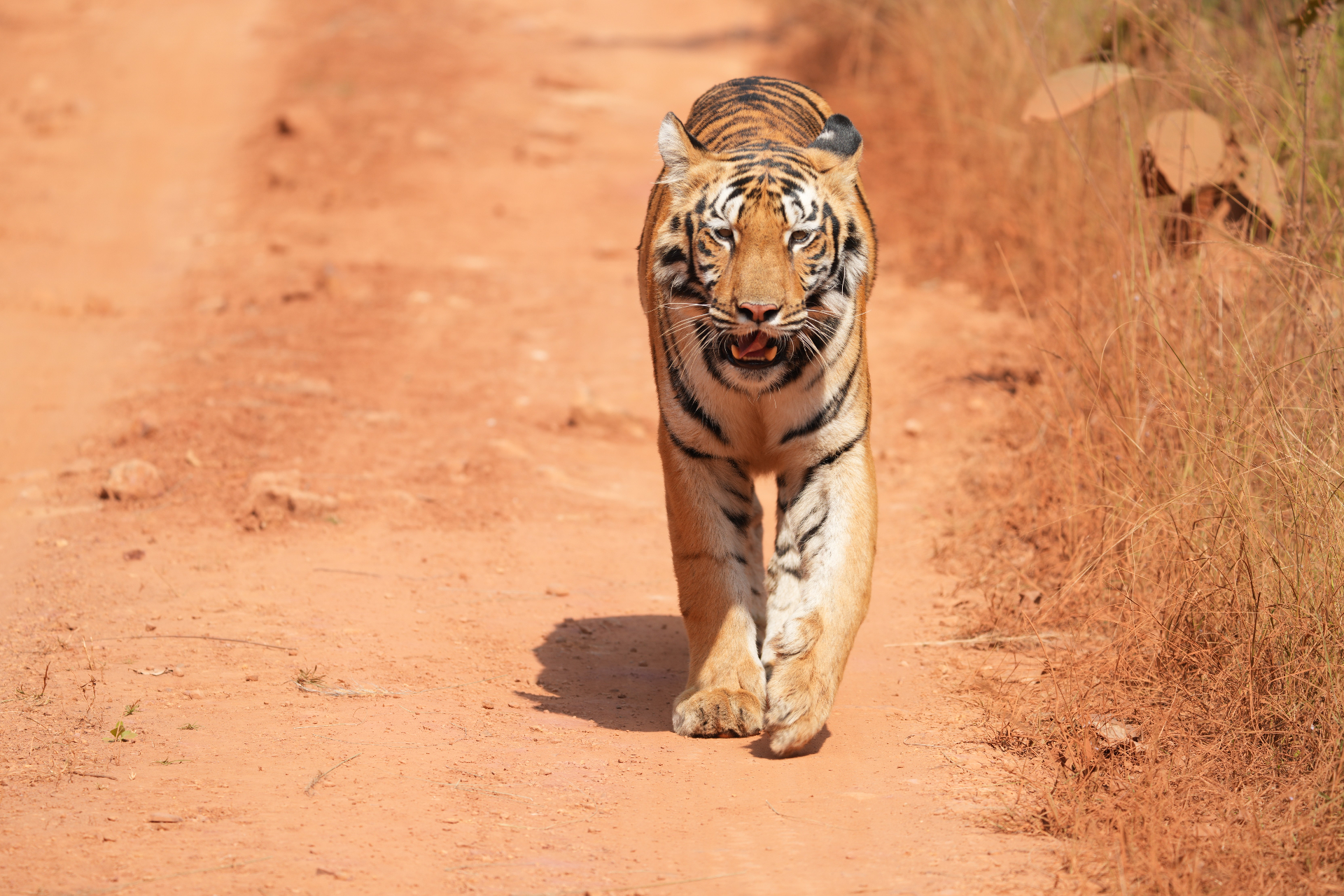
Mudumalai Tiger Reserve, Theppakadu & Masinagudi, Nilgiris - wildlife sighting

Elephants of Mudumalai

Home of the Theppakadu elephant camp and the Oscar-winning Elephant Whisperers

Mudumalai's best-known animals are its camp elephants. The Theppakadu elephant camp became internationally famous through the Oscar-winning documentary The Elephant Whisperers, which followed the mahouts Bomman and Bellie and their orphaned calves. It is a good place to learn how elephants are cared for. We confirm whether camp visits are open on your dates, since access rules can change at short notice.

Theppakadu Elephant camp Bomman and Bellie Moyar river

The Theppakadu elephant camp, run by the Tamil Nadu Forest Department, is one of the oldest in India. Many of its elephants are rescued orphans raised by mahouts and their families.

In 2023, The Elephant Whisperers, a short documentary about the mahout couple Bomman and Bellie caring for orphaned calves in this region, won an Academy Award. Their story brought wide attention to Mudumalai and to the culture of working elephants.

Wild tigers and leopards are less photographed here than in some parks, and sightings are never promised, but the camp offers a reliable, humane way to see elephants close up. Visiting rules change, so we confirm access beforehand.

Your Stay in Mudumalai

Your Stay in Mudumalai

Where to Stay in Mudumalai & Masinagudi

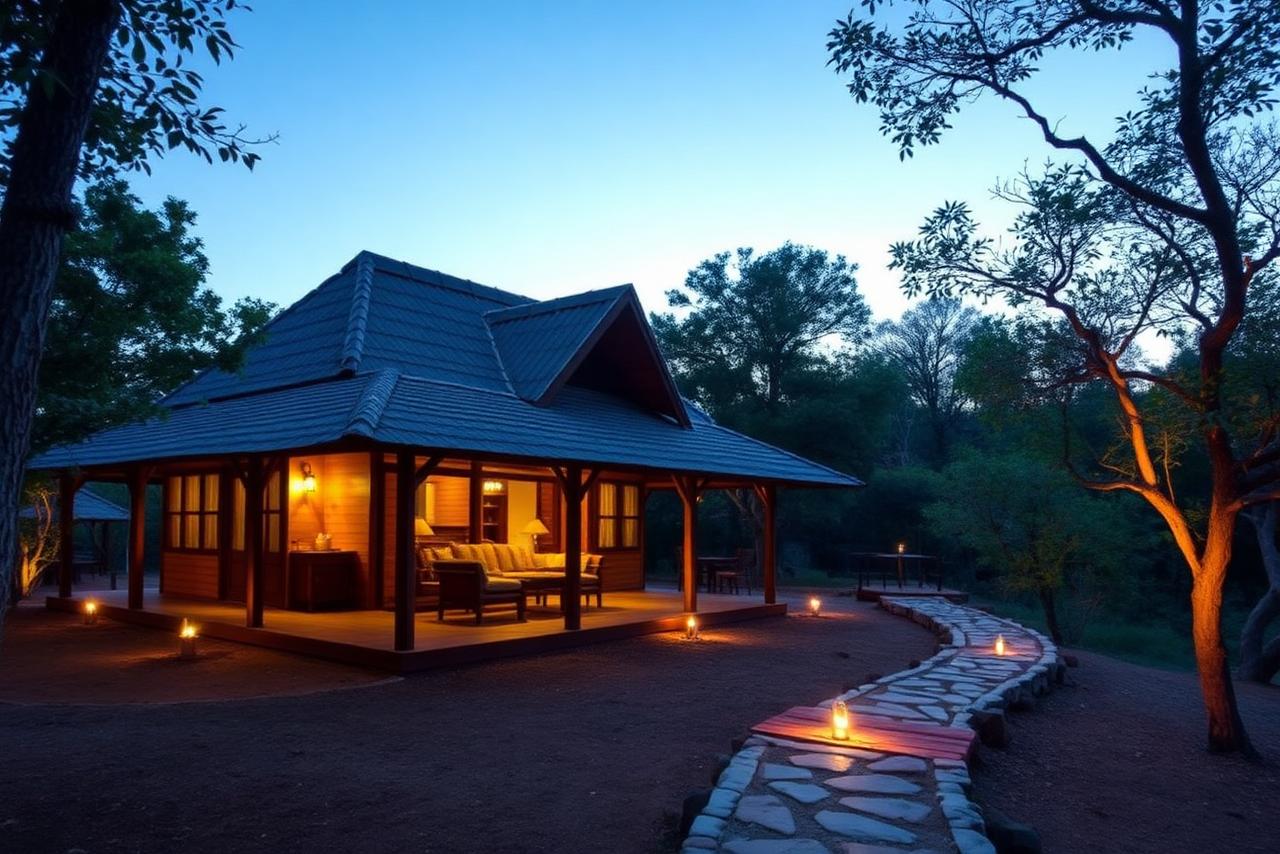
Masinagudi is the main base, with a wide range of resorts and homestays from simple to upmarket, many offering their own naturalist drives. Properties differ in distance from the forest edge, which can mean elephants wandering past at night. Theppakadu has forest-department accommodation, and Ooty is an option if you prefer a hill-station stay with a longer morning drive. Choose by your budget, whether you want a resort-led drive and how close to the reserve you wish to sleep. We recommend booking early for winter.

Plan My Stay

Safari Etiquette

Dos and Don'ts on a Mudumalai safari

βœ“ Dos

  • βœ“ Keep your voice low inside the forest.
  • βœ“ Listen to your guide and naturalist.
  • βœ“ Respect safari routes and forest regulations.
  • βœ“ Carry water, sun protection and suitable clothing.
  • βœ“ Keep your camera ready without disturbing wildlife.

βœ• Don'ts

  • βœ• Ask the driver to break rules.
  • βœ• Request a driver to block an animal's movement.
  • βœ• Feed wildlife.
  • βœ• Throw anything from the vehicle.

Why Should You Visit Mudumalai

Elephants, cats and a trio of states in one forest

Mudumalai matters because it is part of the Nilgiri Biosphere Reserve and the larger Mudumalai-Bandipur-Wayanad forest, one of the most important landscapes for elephants and tigers in India. For visitors, it is among the most accessible tiger reserves in the south, close to Ooty and with plenty of stay options. Elephant sightings are frequent, which makes it a good choice for families and first-timers, and the chance of leopard or tiger adds excitement. It is also an easy add-on to a Bandipur or Wayanad trip, giving you several forests in one visit. Visiting responsibly also supports local guides and drivers.

Plan My Safari

FAQs

Frequently asked questions about Mudumalai

Get a Callback WhatsApp Us
βœ“ Request sent! We'll be in touch soon.