My Jungle Junction
Rajaji's Shivalik forests lie beside the Ganges, a short drive from Haridwar and Rishikesh. Famous for wild elephants, with leopards, birds and a growing tiger story, it is a gentle, accessible safari.
My Jungle Junction's Guide to Rajaji Tiger Reserve
1,075
sq. km reserve
1 + 1
Core + Buffer zones
2015
Declared National Park
Rajaji Safari Packages
Rajaji works best as a short, relaxed trip, so we build itineraries that fit around your plans in Haridwar, Rishikesh or Dehradun. We arrange permits for the Chilla and Motichur ranges, choose lodges with good naturalist guiding, and set the schedule around the park's open season, which closes for much of the monsoon. It also pairs easily with Corbett, and we can arrange both in a single journey.
How Many Safaris Should You Do in Rajaji?
Rajaji is more about the whole forest than a single big sighting. Elephants are the headline, followed by deer, birds and sometimes leopards, so a few drives are enough to do the park justice. If you are hoping specifically for a tiger, we recommend adding Corbett, where the odds are better, rather than adding extra drives here. The extra time is better spent on the river and birds.
Best Safari Zones
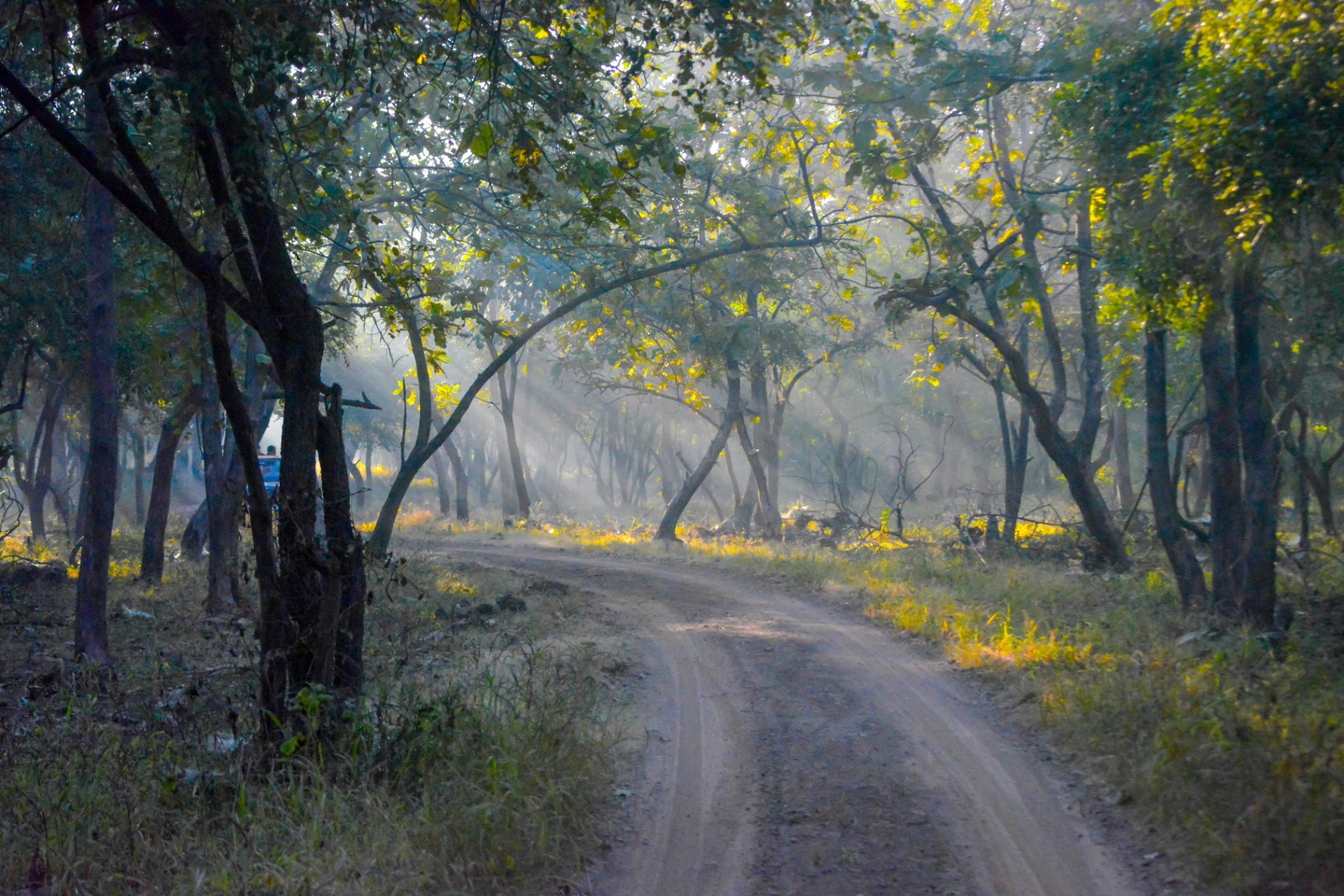
Rajaji's visitor areas are organised by forest range. Chilla is the best known and most visited, with its gate near Haridwar. Motichur is the second range, with sal forest and a good chance of leopards and deer. Ranipur is the least visited, with grassland and small hills. Day visits are allowed during the open season, and Chaurasi Kuti, also called the Beatles Ashram, is accessible throughout the year. We check the latest gate arrangements and timings before you travel, since they shift by season.
The busiest and most developed range, close to Haridwar, and a good place to see elephants and deer.
A quieter range with dense sal forest and a good chance of leopards and other mammals.
The least visited range, with grassland and small hills. A calm, unhurried option.
Also called the Beatles Ashram, near Rishikesh. A heritage site within the forest, open throughout the year.
How to Reach & When to Visit
Jolly Grant Airport near Dehradun is the closest, around an hour from Haridwar or Rishikesh. Delhi is the main alternative, five to six hours by road.
Haridwar Junction is the main railhead, with many trains from Delhi and elsewhere. The Chilla gate is a short drive from the station.
Haridwar is about five to six hours from Delhi on a good highway. Rishikesh and Dehradun are a short drive from the park's gates.
Rajaji's day-visit season usually runs from mid-November to mid-June, and winter is the comfortable time to go.
The most comfortable time, with cool days and good birding. Mornings are chilly and mist can limit visibility early on.
Hot, but elephants and other wildlife gather near rivers and waterholes, which helps viewing. Choose early morning drives.
Day visits in the safari ranges are closed, roughly mid-June to mid-November. Confirm dates with the forest department.
MJJ Insight : Chilla fills up on weekends and holidays, so book permits ahead and go on weekdays if you can. Motichur is often quieter and a good second choice.
The Wildlife of Rajaji
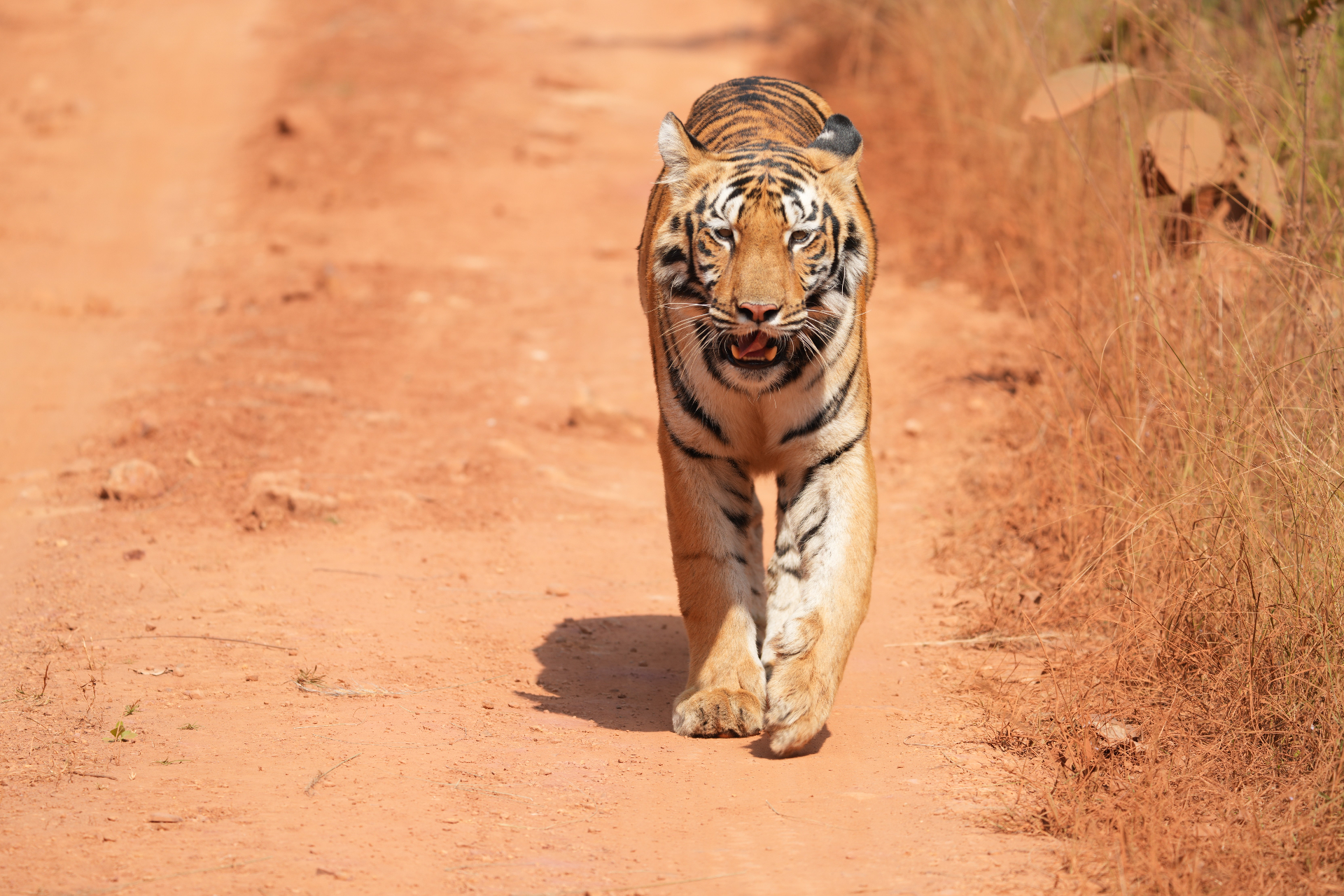
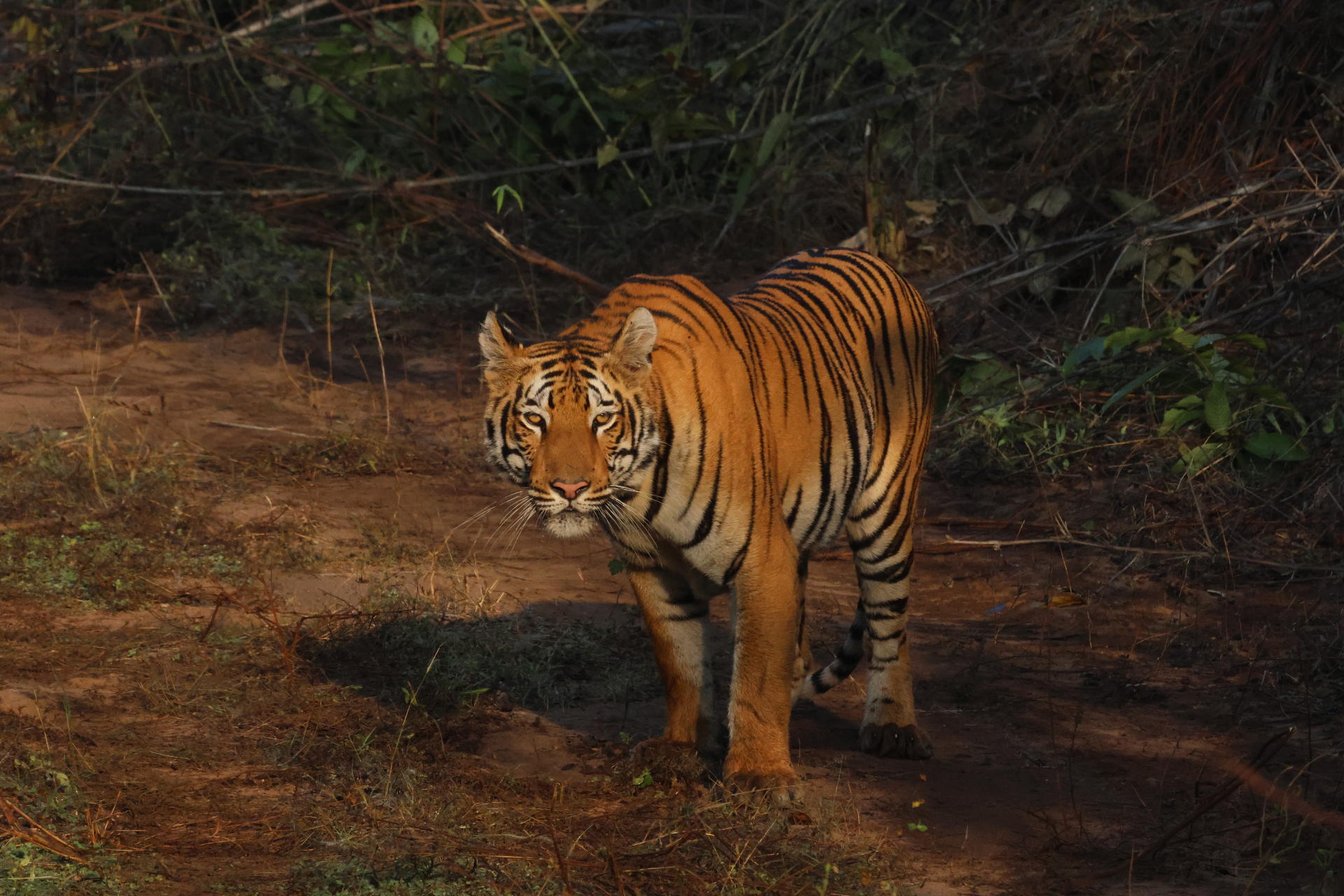
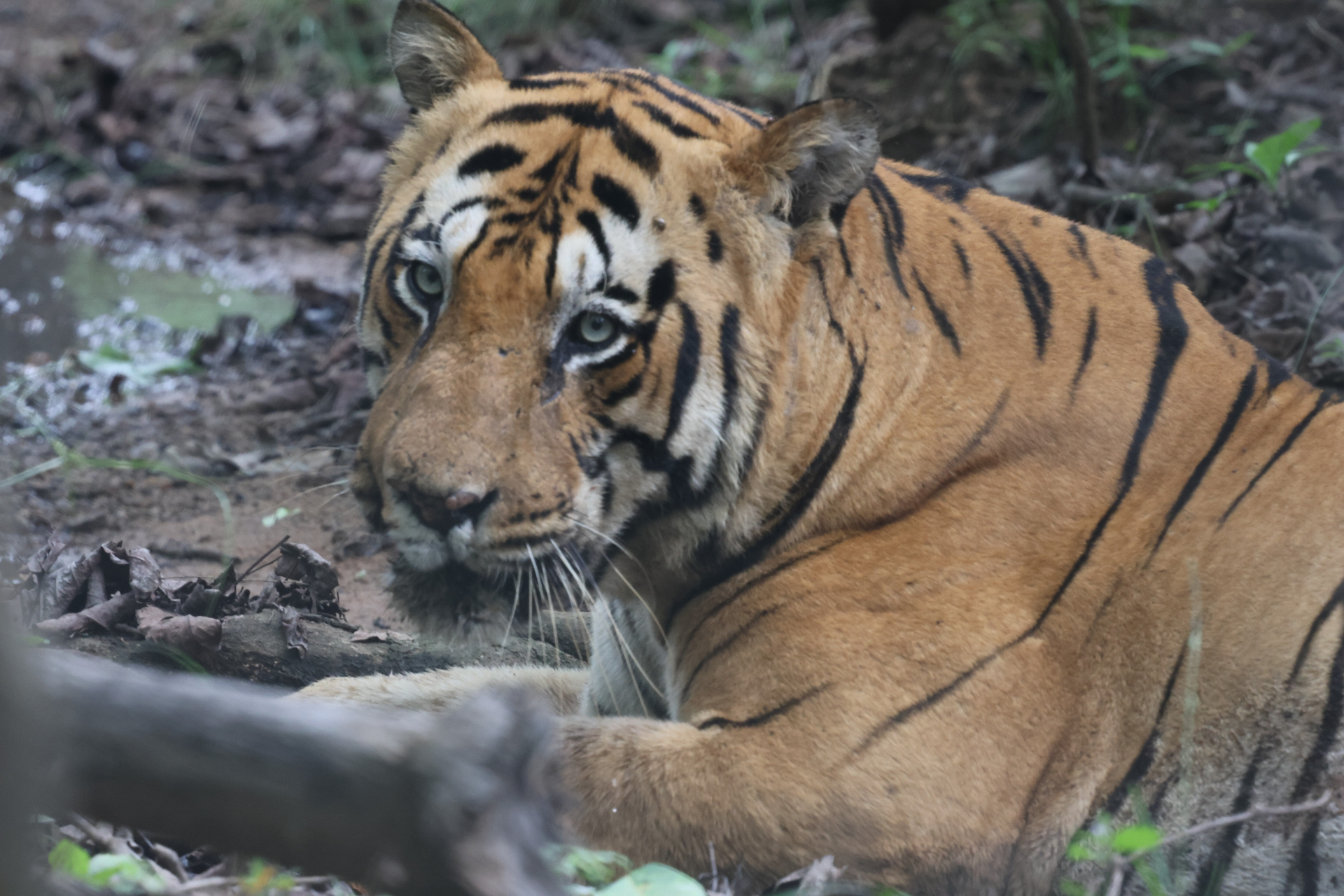
Rajaji is best known for Asian elephants, which move through the forest and cross the Ganges in search of food and water. Leopards are present, as are sloth bears, spotted deer, sambar, barking deer, nilgai and wild boar. Tigers occur in the reserve, but sightings are rare, and the forest department has been working to strengthen the population. Reptiles include king cobra, python and monitor lizards, and mugger crocodiles live in the rivers. The park is also a good birding area, with hornbills, peafowl, red junglefowl and many migratory species through the winter months.
Elephants of Rajaji
Rajaji does not have named, celebrity tigers. What it is famous for is its elephants, which wander through the forest in family herds and cross the Ganges canal. The reserve is a key part of a corridor linking northern India's elephant populations, and watching a herd come down to a river is the highlight of many visits, and guides know the best crossing points.
Your Stay in Rajaji
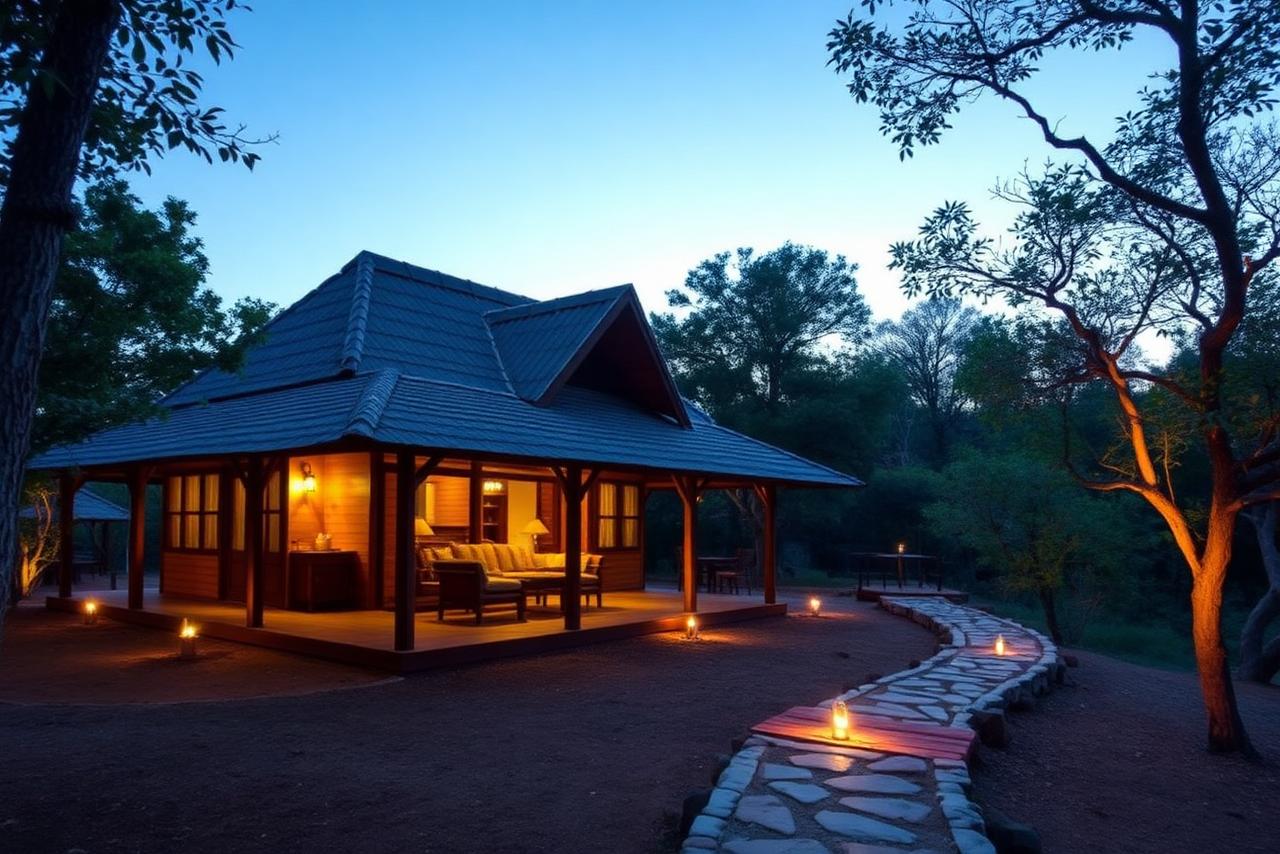
Most visitors stay in Haridwar or Rishikesh, both within an easy drive of the Chilla and Motichur gates. Haridwar has a large choice of hotels, from simple to comfortable, while Rishikesh offers riverside resorts, yoga retreats and quieter boutique stays. For a more jungle-focused experience, a few lodges and camps sit near the Chilla and Motichur ranges, and the forest department also runs rest houses that need advance booking. When choosing, think about how far you want to travel at dawn, whether you want a wildlife-focused or pilgrimage-style stay, and the quality of the guides.
Plan My StaySafari Etiquette
Why Should You Visit Rajaji
Rajaji is an unusual reserve because it sits so close to major pilgrimage towns yet still supports wild elephants, leopards and a wide range of forest species. Its forests form part of a larger corridor that links the Shivalik hills with Corbett, which helps animals move across the landscape. For travellers this means a rare chance to combine a jungle safari with Haridwar's ghats, Rishikesh and the Ganges within the same short trip. It is gentle, accessible and good value, with a calm atmosphere that suits families and first-time visitors. While tigers are not the main reason to come, Rajaji gives a real sense of wild India close to the plains.
Plan My SafariFAQs
Share your details and we'll call you at your preferred time.