My Jungle Junction

Pilibhit Tiger Reserve

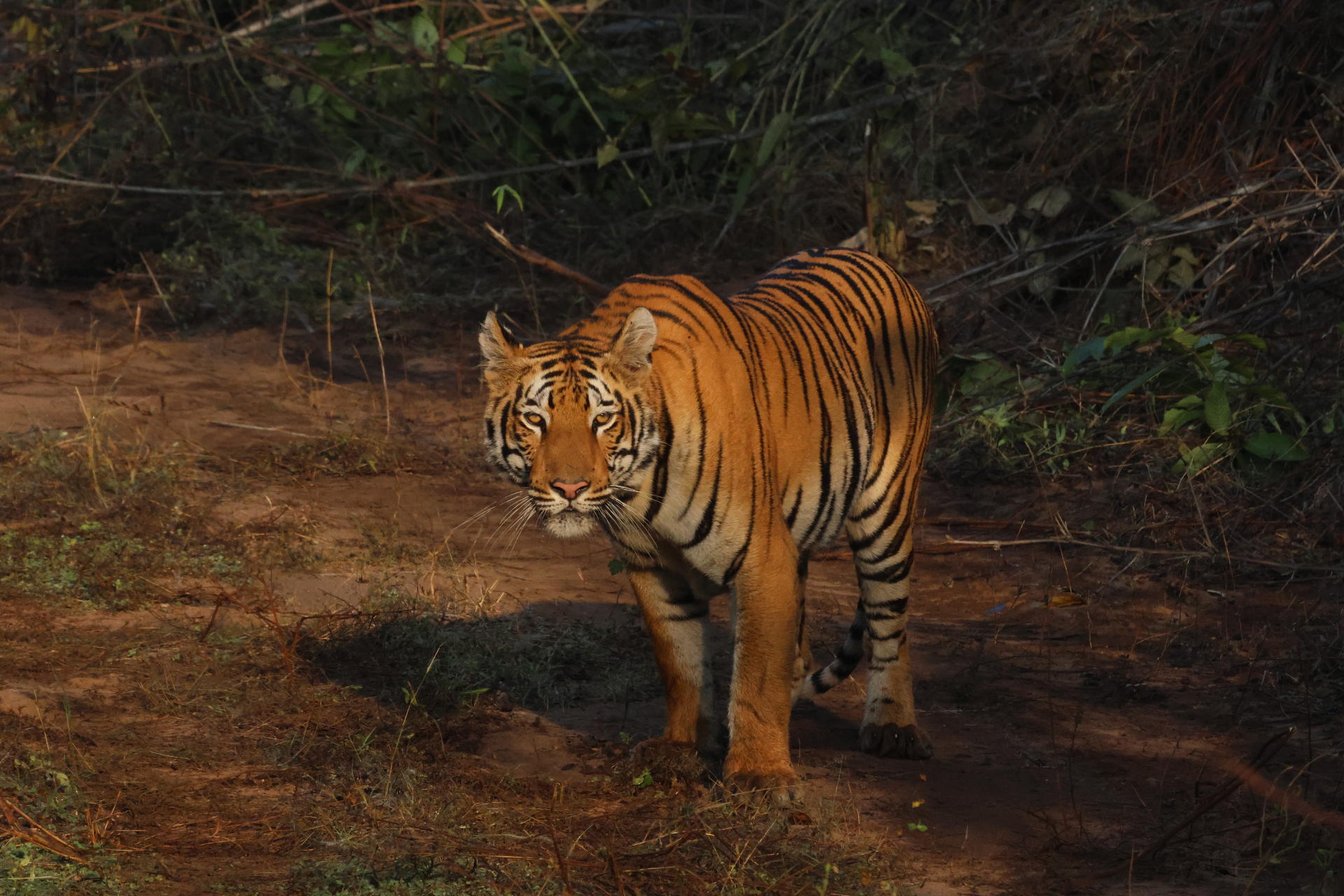
Pilibhit is one of the terai's great tiger success stories: sal forest, grassland and sugarcane edges where tiger numbers have climbed since 2014. A rewarding, quiet safari for those who like wild, less visited places.

15+ years of travel experience
Hosted by Amit (MJJ)

Plan Your Safari

Talk to a wildlife specialist.

By submitting, you agree to be contacted by My Jungle Junction.

By submitting, you agree to our Cancellation & Refund Policy and Privacy Policy.

Scroll

Plan Your Safari

Talk to a wildlife specialist.

By submitting, you agree to be contacted by My Jungle Junction.

By submitting, you agree to our Cancellation & Refund Policy and Privacy Policy.

My Jungle Junction's Guide to Pilibhit Tiger Reserve

The Pilibhit Tiger Safari Experience

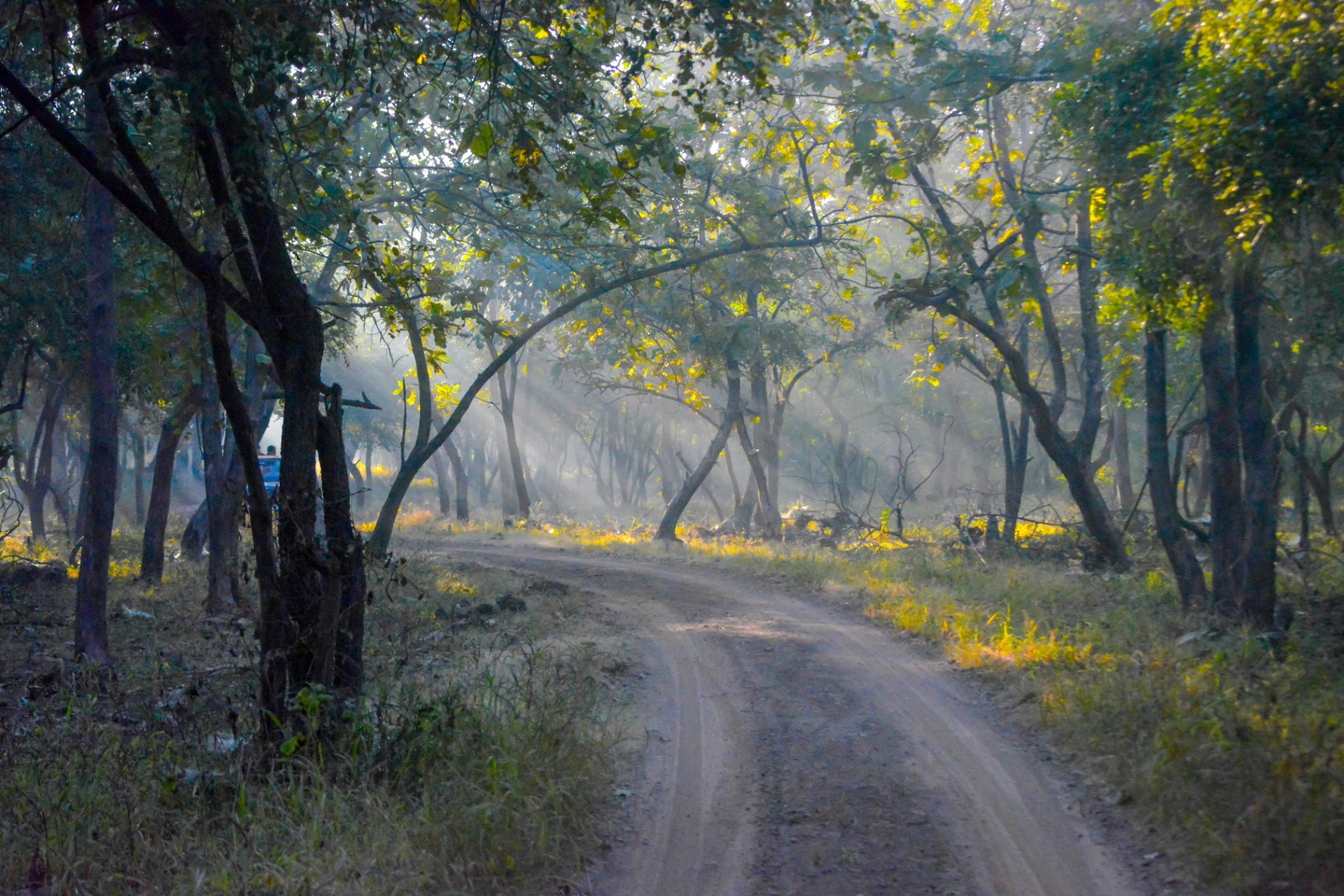
The reserve is divided into forest ranges, including Mahof, Mala, Barahi, Deoria and Haripur, with the Chuka range also mentioned in recent reports. Each range has its own character, from the grassland of Mahof to the wetter forest near the Sharda. Tourism is based around specific gates, so your choice of range will affect where you stay.

We usually recommend two to three nights, which allows you to cover more than one range. Pilibhit also combines well with Dudhwa and Corbett, as part of a terai itinerary.

Pilibhit was long a forest division and wildlife sanctuary before being notified as a tiger reserve in 2014. Since then, tiger numbers have grown strongly, and cubs are regularly reported across the reserve.

730

sq. km reserve

1 + 1

Core + Buffer zones

2014

Declared National Park

Pilibhit Safari Packages

My Jungle Junction's Bestselling Pilibhit Safari Packages

Pilibhit trips work best when the itinerary is matched to the gate you will use and the time of year. We arrange permits and guides, choose lodges close to the Mahof or Mala side, and keep the plan flexible so we can follow recent sightings. Many guests pair Pilibhit with Dudhwa, and we plan the road transfers so the journey stays comfortable.

How Many Safaris Should You Do in Pilibhit?

Why more than one drive helps at Pilibhit

Pilibhit is a reserve where patience pays. Tigers move through dense grass and along water, and sightings come in bursts. Taking several safaris allows you to see different habitats and gives you more chances of an encounter. A shorter visit will still be rewarding for birds, deer and landscape, but a tiger sighting is never certain, and we would rather you knew that before you travel.

Two safaris will give you a good introduction to the habitat, with a chance of swamp deer, birds and perhaps signs of a tiger.

Three safaris is the minimum we recommend for a serious tiger attempt, and ideally the drives are in different ranges.

Four to six safaris suits those who want to explore Mahof, Mala and other ranges in depth, or who combine Pilibhit with Dudhwa on a longer trip through the terai. The reserve suits wildlife lovers who enjoy unhurried drives and quiet places, and who do not mind that facilities are more basic than in the busiest parks.

Best Safari Zones

Safari Zones in Pilibhit

Pilibhit's tourism is organised by forest range, each entered through its own gate. Mahof is the best-known tourism area, with Mala, Haripur, Barahi and Deoria also forming part of the reserve. The reserve's buffer includes the Khutar range in neighbouring Shahjahanpur district. The official site lists booking points in Pilibhit town, Puranpur and at the Mahof and Mustafabad gates, but arrangements change by season, and not every gate is open every year. We check the current gate and permit position for your dates before confirming a plan.

Mahof Range

The best-known tourism range, with grassland, sal forest and regular tiger activity.

Mala Range

Forest and grassland near the Sharda river, with a good record of tiger and cub sightings.

Haripur Range

Another range where tigresses with cubs have been reported, with a mix of forest and open ground.

Barahi Range

Part of the core forest with sal, water channels and wildlife viewing opportunities.

Deoria Range

A range of the reserve with forest and grass habitat, used for safari in some seasons.

How to Reach & When to Visit

How to Reach & Best Time to Visit Pilibhit

✈️

By Air

Bareilly has a small airport with limited flights. Lucknow and Delhi are the main gateways and need a long road transfer afterwards.

πŸš†

By Train

Pilibhit Junction has trains from Bareilly and Lucknow. Bareilly Junction, about two hours away, has the best connections.

πŸš—

By Road

Delhi is roughly six to seven hours by road, with Lucknow a similar distance. Roads within the district can be slow.

Best Time to Visit Pilibhit

Pilibhit's tourism season runs from November to June, and summer is usually best for tigers.

πŸ‚
Winter
Nov - Feb

The season begins in November. Mornings are foggy and cold, with excellent birding and cool, comfortable days.

β˜€οΈ
Summer
Mar - Jun

Tigers are easier to see as they head to water and the grass thins. It is very hot, so early morning drives are best.

🌧️
Monsoon
Jul - Sep

Tourism is closed during the rains because roads flood and the forest is hard to access. Plan for the November reopening.

MJJ Insight : Pilibhit has fewer jeeps and facilities than the famous parks, so book permits and lodges early and allow buffer time. Mahof-side lodges save a long pre-dawn drive.

The Wildlife of Pilibhit

Beyond the Tiger: Pilibhit's Wildlife

Pilibhit is a tiger stronghold, but the supporting cast is excellent. Swamp deer, or barasingha, graze the grasslands, along with hog deer, spotted deer, sambar and nilgai. Leopards, jungle cats, fishing cats and sloth bears are present, and the Sharda river system holds mugger crocodiles and sometimes gharial. Wild boar and langurs are common. The reserve is also a very good birding area, with the Bengal florican, hornbills, owls and a long list of waterbirds, so visitors who stop for a morning on the lakes are usually well rewarded.
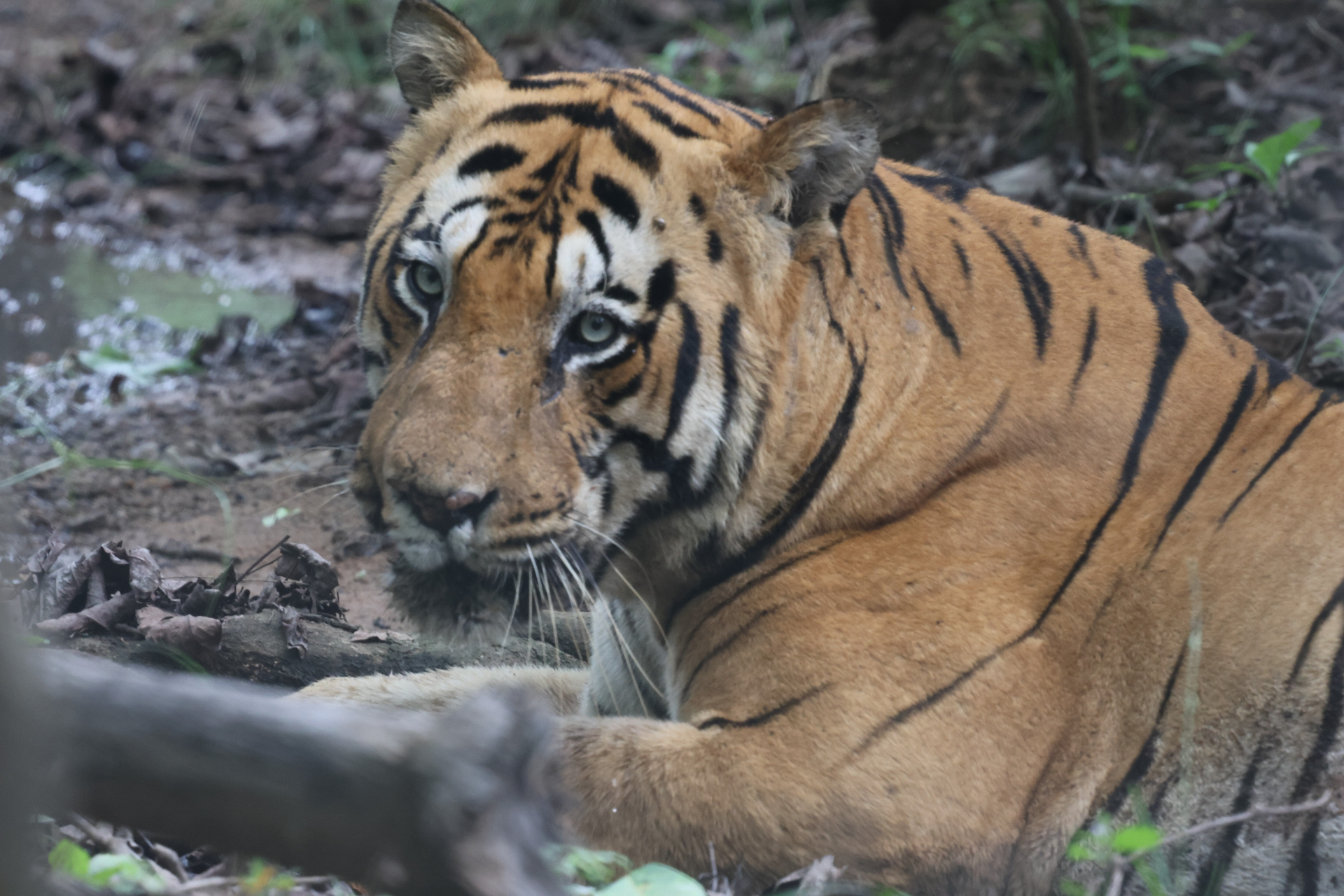
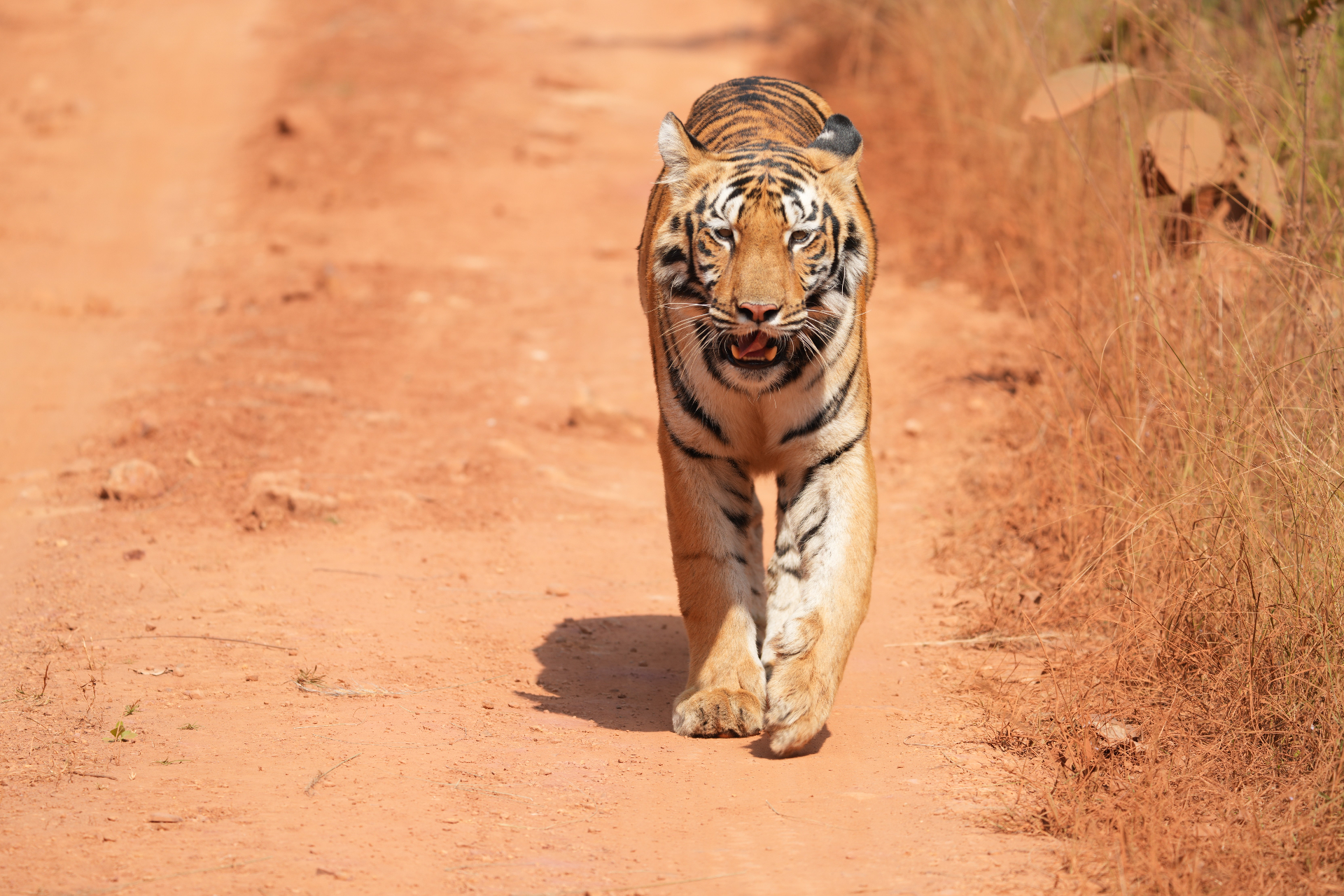
Pilibhit Tiger Reserve - wildlife sighting

Pilibhit's Tiger Recovery

A small reserve with a growing tiger population

Pilibhit does not have a famous named tiger in the way that some other parks do. Its story is one of recovery: since being declared a tiger reserve in 2014, the population has grown significantly across the reserve, and reports regularly mention tigresses with cubs across several ranges. That conservation story is the real highlight of a visit, and your guide will gladly tell it.

Mahof Range Mala Range Haripur Range Barahi Range Sharda River

Before 2014 Pilibhit was a wildlife sanctuary, and its tigers were only lightly protected. The tiger reserve notification brought stronger protection, anti-poaching patrols and a bigger focus on habitat management.

Since then, the number of tigers has risen, and recent tourism seasons have seen sightings of tigresses with cubs in the Mahof, Barahi, Mala, Deoria and Haripur ranges. Because the reserve is small and surrounded by farmland, managing conflict between tigers and people is a constant challenge.

We do not promise a sighting of any individual animal. Instead, we suggest asking your guide about recent movements of tigers in the ranges you visit.

Your Stay in Pilibhit

Your Stay in Pilibhit

Where to Stay in Pilibhit

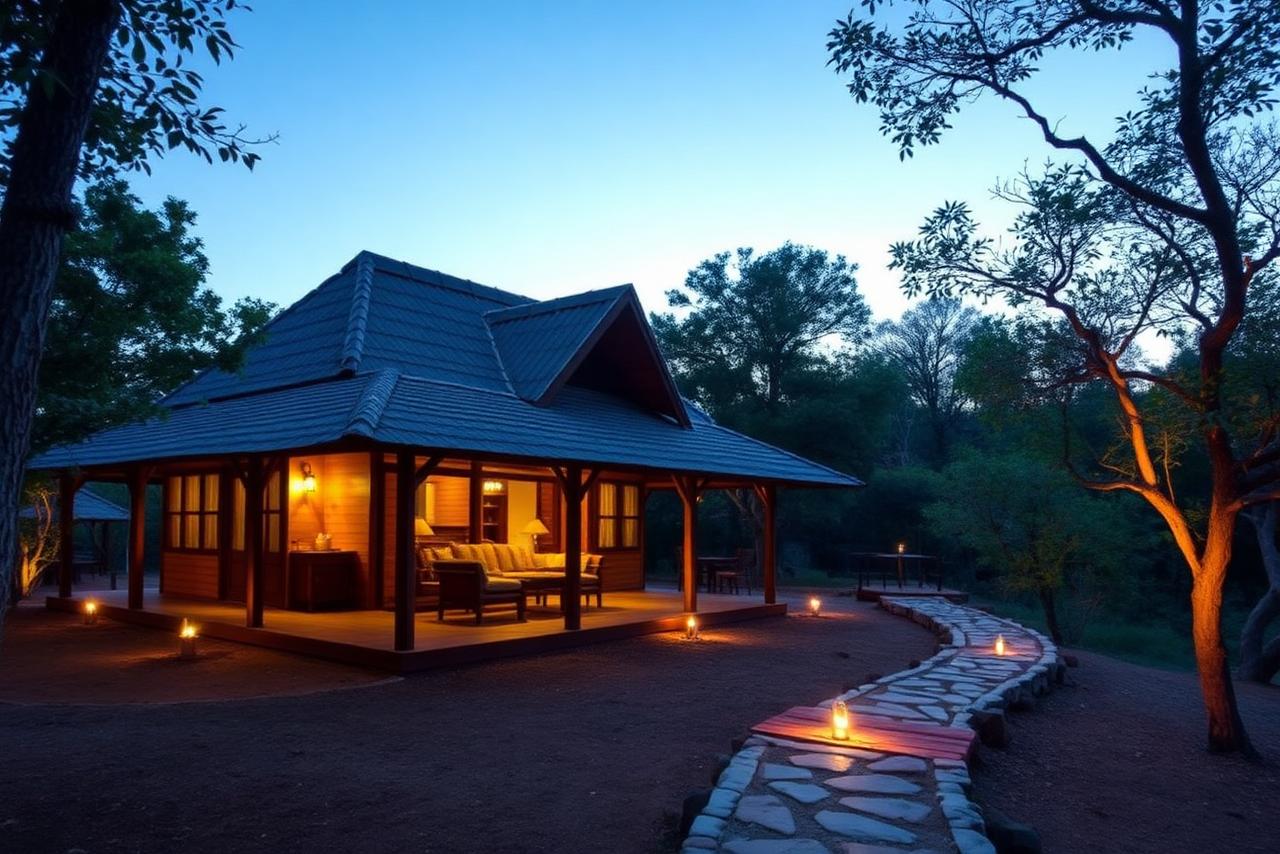
Most visitors stay in or around Pilibhit town, in Puranpur, or in lodges on the road towards the Mahof and Mala gates. Options range from simple guesthouses to comfortable eco-lodges and homestays, with the more established properties near the forest edge. Some forest rest houses exist but need advance booking and availability varies. When choosing, look at how far you must travel to reach your gate, as early morning starts can be long, and decide whether you prefer a town base with services or a quiet forest-edge stay with better wildlife around you. We recommend lodges close to your preferred range.

Plan My Stay

Safari Etiquette

Dos and Don'ts on a Pilibhit safari

βœ“ Dos

  • βœ“ Keep your voice low inside the forest.
  • βœ“ Listen to your guide and naturalist.
  • βœ“ Respect safari routes and forest regulations.
  • βœ“ Carry water, sun protection and suitable clothing.
  • βœ“ Keep your camera ready without disturbing wildlife.

βœ• Don'ts

  • βœ• Ask the driver to break rules.
  • βœ• Request a driver to block an animal's movement.
  • βœ• Feed wildlife.
  • βœ• Throw anything from the vehicle.

Why Should You Visit Pilibhit

A terai tiger recovery you can see for yourself

Pilibhit matters because it shows what protecting a modest patch of terai forest can achieve. The reserve is only about 730 square kilometres, yet it supports a significant tiger population and has seen strong breeding since it was notified in 2014. Its tigers share space with farmland and sugarcane fields, which makes the work of the forest department and local communities especially important. For visitors, Pilibhit offers a chance to see terai wildlife with few other vehicles around, in a landscape of sal forest, grass and water. It is an excellent addition to a trip through Dudhwa and Corbett, and a good option for photographers who prefer quieter, unhurried drives.

Plan My Safari

FAQs

Frequently asked questions about Pilibhit

Get a Callback WhatsApp Us
βœ“ Request sent! We'll be in touch soon.