My Jungle Junction
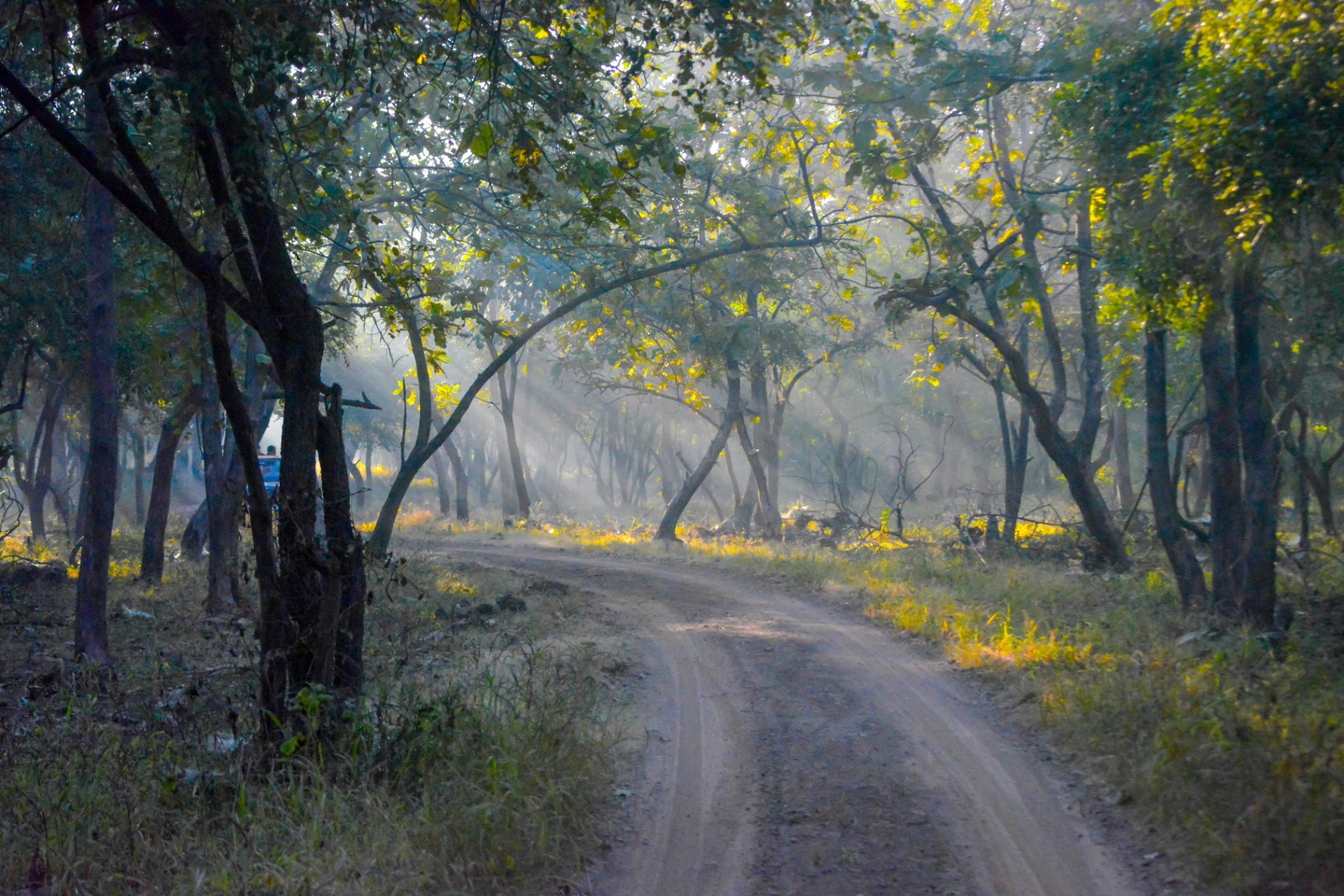
Sahyadri joins Koyna Wildlife Sanctuary and Chandoli National Park in the evergreen hills of the Western Ghats. Come for misty forest, lakes and a very different kind of wildlife trip.
My Jungle Junction's Guide to Sahyadri Tiger Reserve
1,166
sq. km reserve
1 + 1
Core + Buffer zones
2010
Declared National Park
Sahyadri Tiger Reserve Safari Packages
At My Jungle Junction, Amit and the team build Sahyadri Tiger Reserve itineraries around how the park actually works: which gate suits your dates, how many safaris give a fair chance of good sightings, and where to sleep so early starts stay painless. We book permits and vehicles well ahead, keep groups small, and can pair Sahyadri Tiger Reserve with other reserves on the same trip. Tell us your dates and pace and we will shape a plan rather than hand you a fixed list.
How Many Safaris Should You Do in Sahyadri Tiger Reserve?
Because Sahyadri has a dense forest and a modest tiger density, we plan it around activities rather than a fixed number of jeep safaris. A mix of guided forest drives where permitted, short walks, birdwatching and boat time on the reservoirs gives a well-rounded trip. Access rules vary by sector and season, so we confirm what is open before you commit to any itinerary.
Best Safari Zones
Sahyadri Tiger Reserve covers about 1,166 sq km, of which roughly 600 sq km is core and about 565 sq km is buffer, according to the National Tiger Conservation Authority. The core is formed by Koyna Wildlife Sanctuary to the north and Chandoli National Park to the south, linked by forested ridges of the Western Ghats. Unlike central Indian parks, tourism is not organised into numbered zones, and access is by sector and permission. Our team checks which areas are open, whether guided drives are available and what permits are needed for your dates before building your plan.
The northern part of the reserve, around the Koyna reservoir (Shivsagar lake), with dense forest and steep hills.
The southern part of the reserve, known for evergreen forest and the Warna reservoir backwaters.
Forest and village areas around the core where responsible nature stays and walks are most commonly arranged.
How to Reach & When to Visit
Kolhapur has a small airport, and Pune is the larger option with wider connections. Both need a road transfer of several hours to the reserve, depending on the sector.
Karad, Sangli, Kolhapur and Miraj are the main railheads in the region. Hire a taxi from the station to your lodge or entry point; transfer time depends on the sector.
The reserve is reached from Pune, Kolhapur or Satara by state highways that run through the Western Ghats. Allow for slow winding roads, especially during the monsoon.
October to February is the most comfortable window, with the monsoon months spectacular but wet and sometimes restricted.
Cool, clear and green after the rains. This is the best time for walks, birdwatching and forest drives.
Hot, but water sources shrink and animals visit the reservoirs. Plan early starts and midday rest.
Heavy rain brings waterfalls and lush forest, but access is often limited. Check with us for current restrictions before planning a visit.
MJJ Insight : Access to Sahyadri depends on sector and current forest department rules. Contact us early so we can confirm permissions and the best entry point for your dates.
The Wildlife of Sahyadri Tiger Reserve
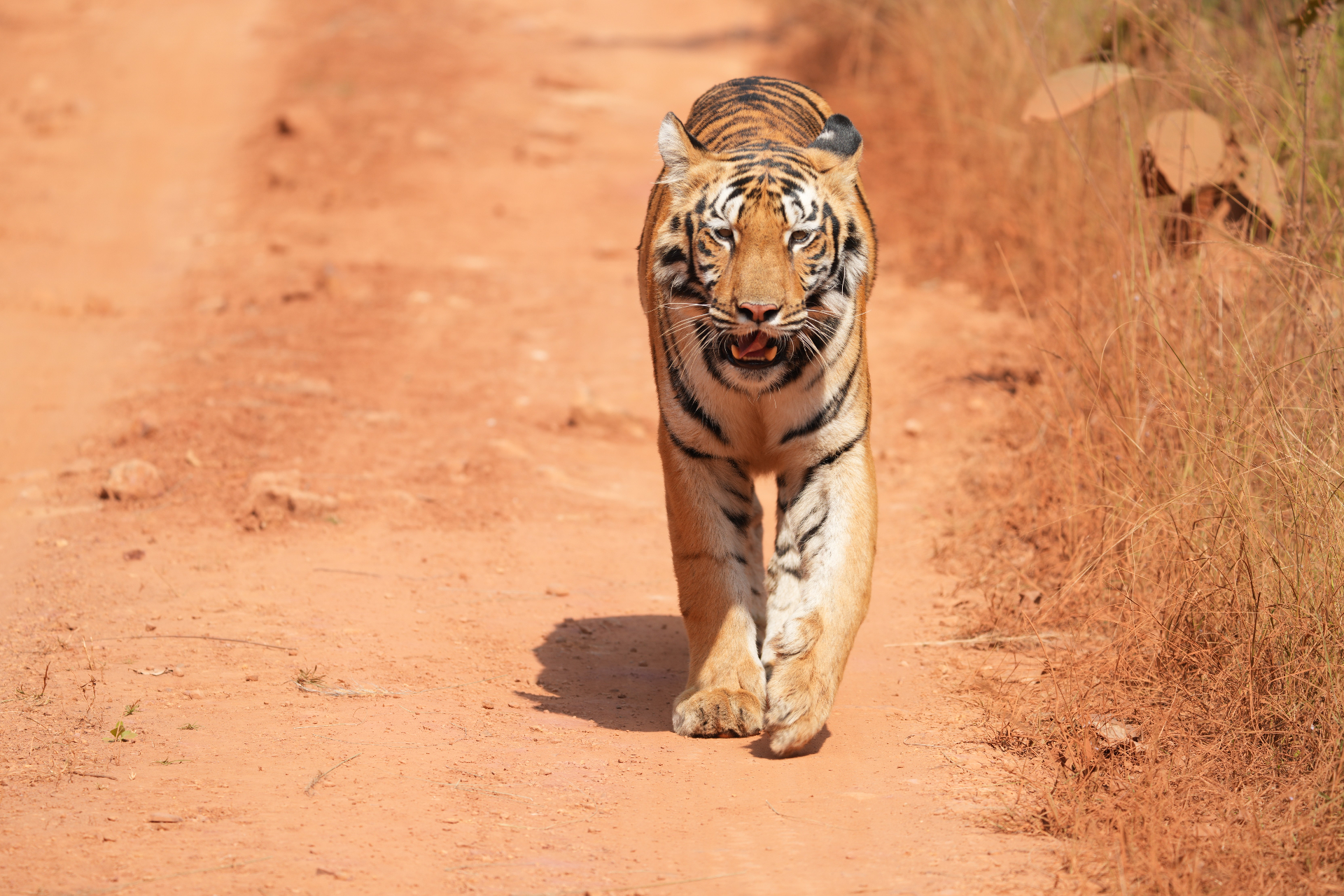
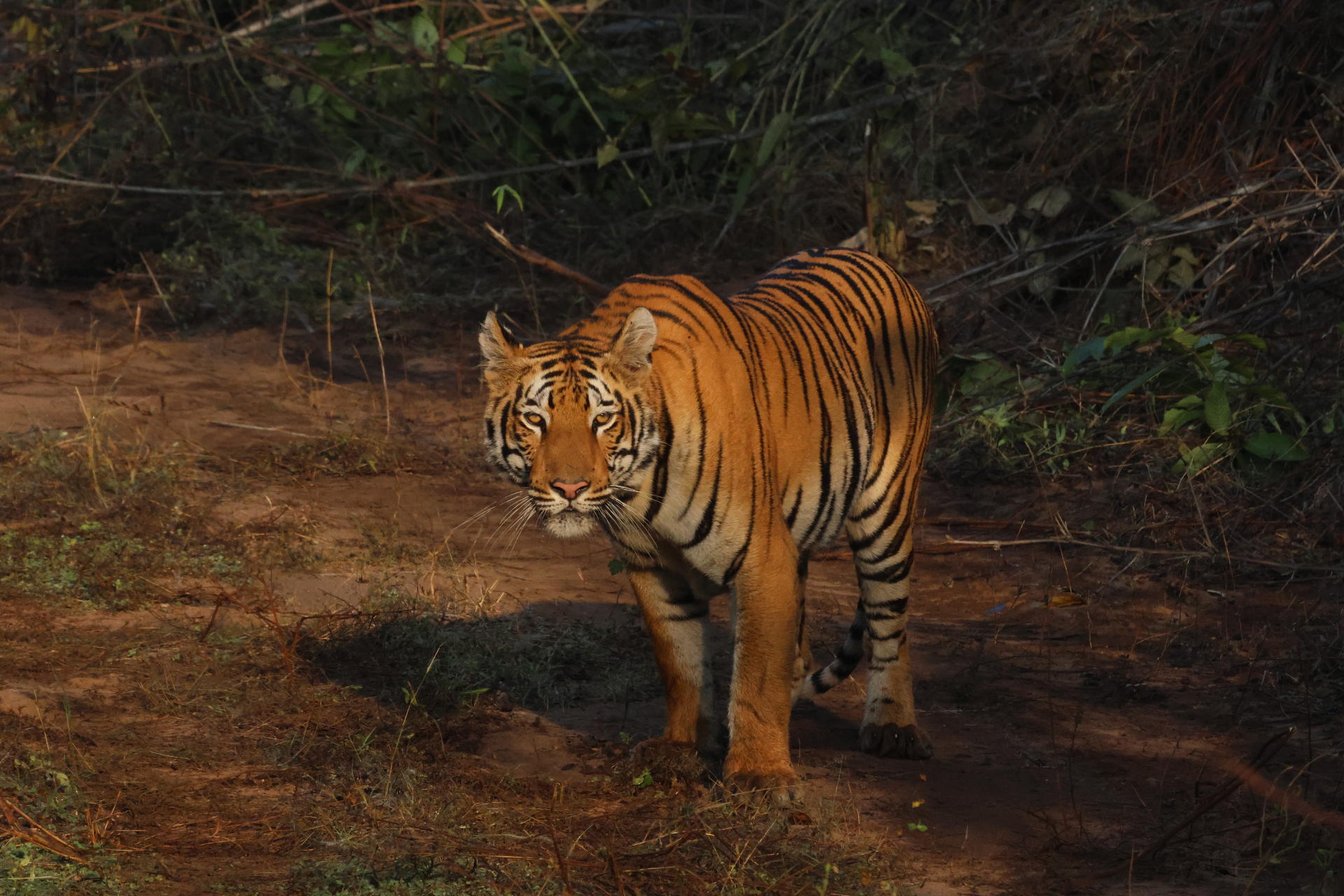
Sahyadri is part of the Western Ghats biodiversity hotspot. Tiger and leopard are present, alongside Indian gaur, sambar, barking deer, wild boar, sloth bear and the Indian giant squirrel. The forests shelter Malabar pit viper and many other snakes, along with frogs and endemic reptiles that peak after the rains. Birdlife includes hornbills such as the Malabar grey hornbill and great hornbill, plus Malabar trogon, woodpeckers, flycatchers and raptors over the reservoirs. Butterflies and fungi are a highlight of the monsoon and just after.
Sahyadri's Conservation Story
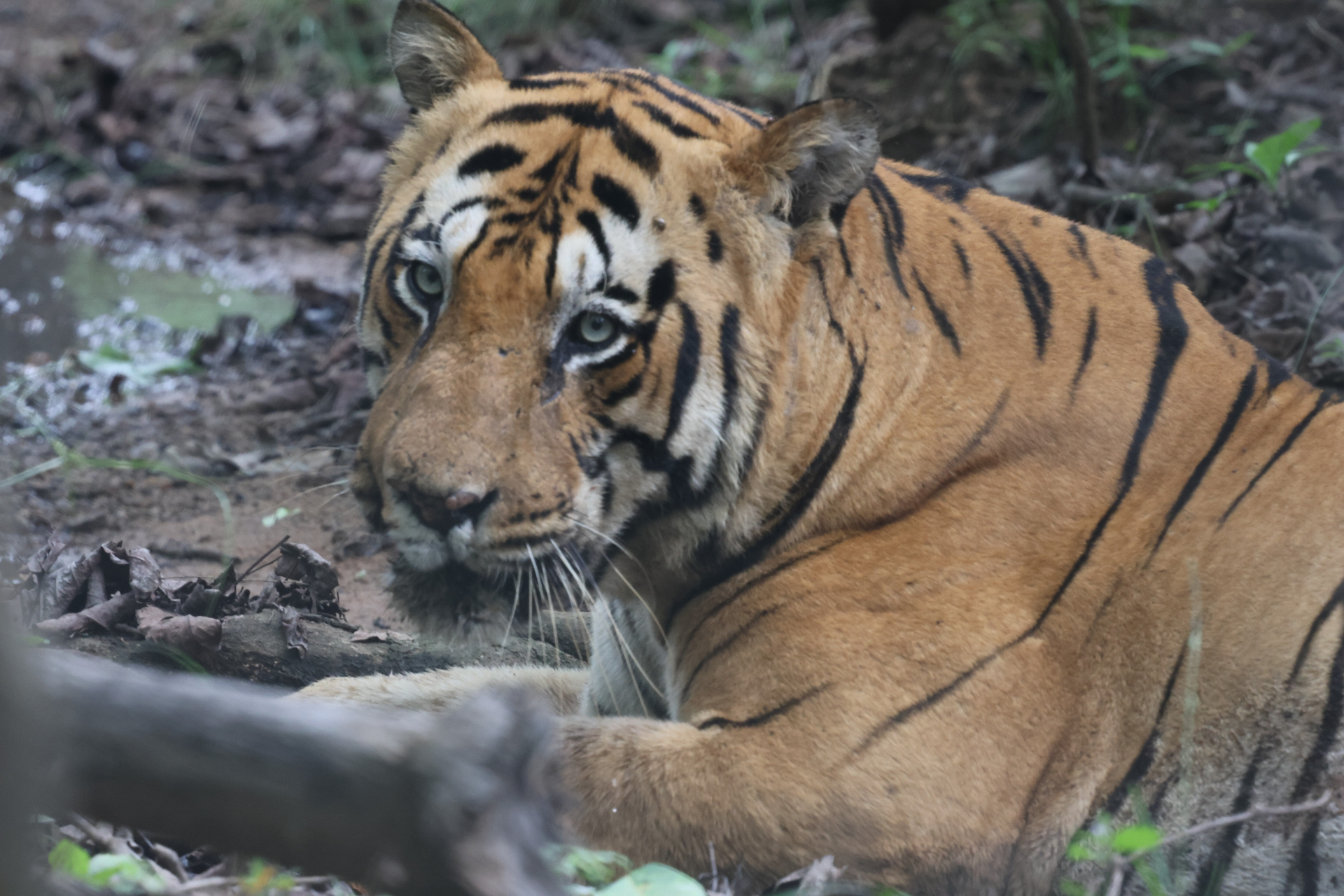
Sahyadri is best known not for individual tigers but for the effort to protect a large landscape. It was notified as the first tiger reserve in western Maharashtra, and has since been extended to improve connectivity with neighbouring forests and sanctuaries such as Radhanagari. Tiger numbers are modest and sightings are rare, so the real draw is the intact forest itself. Your naturalist will point out signs such as pugmarks, scrapes and camera-trap results.
Your Stay in Sahyadri Tiger Reserve
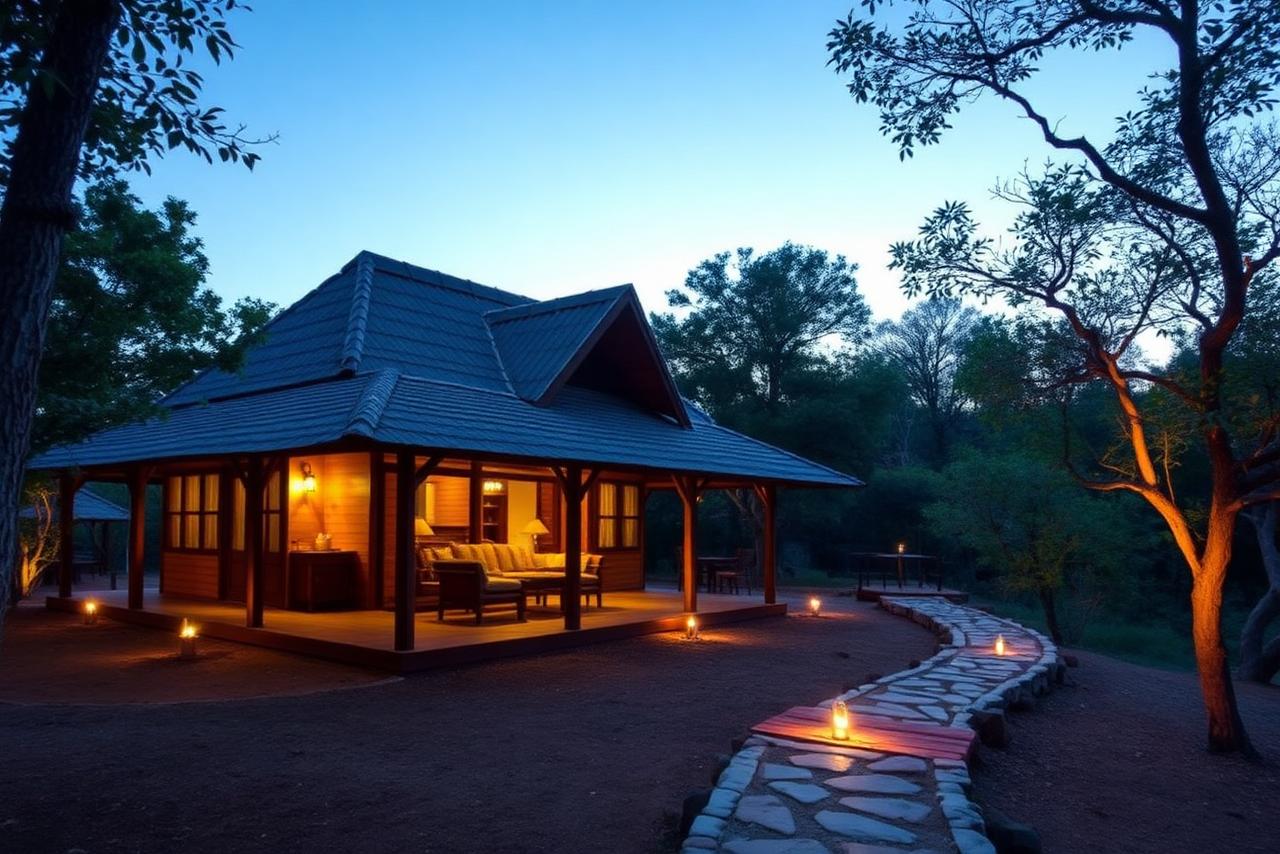
Accommodation is a mix of forest rest houses, homestays and small resorts in villages around Koyna, Chandoli and the surrounding hill towns. Facilities are simpler than at central Indian jungle lodges, so choose by location and by how far you are willing to travel each morning. Stays near the Koyna reservoir suit those mainly wanting boat time and views, while villages near Chandoli suit walks and forest visits. We can also arrange a base in Kolhapur or Karad for a lighter-touch trip. Book early for weekends, because options are limited.
Plan My StaySafari Etiquette
Why Should You Visit Sahyadri Tiger Reserve
Sahyadri is the Western Ghats' answer to the central Indian safari. The landscape is one of India's major biodiversity hotspots, with evergreen forest, high plateaus, waterfalls and big reservoirs. It is also an important tiger corridor, linking populations further south and north, which makes protecting it a conservation priority. For visitors, it is a gentler, quieter and more varied trip: forest walks, boat rides, birdwatching and visits to Maratha forts, with the occasional chance of larger mammals. If you want atmosphere, scenery and nature rather than a guaranteed tiger, Sahyadri is well worth the detour.
Plan My SafariFAQs
Share your details and we'll call you at your preferred time.