My Jungle Junction
Home to most of the world's one-horned rhinos and one of India's densest tiger populations. Kaziranga's tall grassland, wetlands and Brahmaputra floodplain make for a vivid, easy-to-see safari.
My Jungle Junction's Guide to Kaziranga Tiger Reserve
1,030
sq. km reserve
4 + 1
Core + Buffer zones
2007
Declared National Park
Kaziranga Safari Packages
Amit and the My Jungle Junction team plan every Kaziranga itinerary around the way the reserve actually works: which gates are open, how far lodges sit from the entry points, and how many days you need before the landscape starts to give things up. We handle permits, vehicle bookings, naturalist guides and transfers from the nearest airport or station, and we build in spare time so a closed gate or a wet road does not cost you a safari.
How Many Safaris Should You Do in Kaziranga?
Kaziranga offers early-morning and afternoon jeep safaris in each of its four ranges, plus elephant-back safaris in the early morning at some of them. Visiting more than one range makes a big difference because each has a different habitat. We book permits, vehicles and a naturalist for you and plan around the season. Tell us your dates and fitness level and we will shape the plan.
Best Safari Zones
Kaziranga's tourism is organised by range rather than numbered zones. Kohora (Central) is the main gate, with the most jeep traffic and elephant rides. Bagori (Western) is known for rhinos and bird-rich wetlands. Agoratoli (Eastern) is quieter and good for birds. Burapahar is hilly and forested, with a different feel. Individual ranges open on a seasonal schedule and vehicle numbers are limited. We confirm the current schedule and book your slots for you. Your driver and guide will explain the day's route each morning.
Main tourist gate with the most jeep and elephant safaris; good for rhinos and wetlands.
Known for rhinos and birds; wide grassland and wetlands, a popular alternative to Kohora.
Quieter eastern range, good for birdwatching and wetlands, with fewer vehicles.
Hilly, forested range at the western end; a different habitat with a quieter feel.
How to Reach & When to Visit
Jorhat is the closer airport, around 90 km away. Guwahati is the main hub, roughly 215 km and four to five hours by road.
Furkating is the nearest major railhead, about 75 km from Kohora. Guwahati is the main rail hub with onward road transfer.
Kaziranga lies on NH 37 between Guwahati and Jorhat. The road is good and we arrange a private vehicle and driver from either city.
The park is open roughly November to April; closed during the monsoon floods.
Cool, dry and clear. Best conditions, with the most wildlife visible. Expect larger crowds in December and January.
Hot and humid. The grass dries and animals gather near water. The park usually closes by about April or May.
Floods and heavy rain. The park is closed, and animals move to higher ground. We do not plan visits in this season.
MJJ Insight : Jeep and elephant safaris at Kohora sell out in peak months. Book at least three to four weeks ahead for December to February, and ask us about quieter Bagori and Agoratoli slots.
The Wildlife of Kaziranga
Kaziranga holds the greater one-horned rhinoceros in large numbers, along with tiger, leopard, Asian elephant, wild water buffalo, swamp deer (barasingha), hog deer, sambar, gaur, Gangetic dolphin in the Brahmaputra and a wide range of primates, including hoolock gibbon in the forests. The park is an Important Bird Area, with Bengal florican, swamp francolin, spot-billed pelican, greater adjutant, lesser adjutant and many migratory ducks in winter. Reptiles include rock pythons and reticulated pythons, and the wetlands support turtle and fish species.
Famous Wildlife of Kaziranga
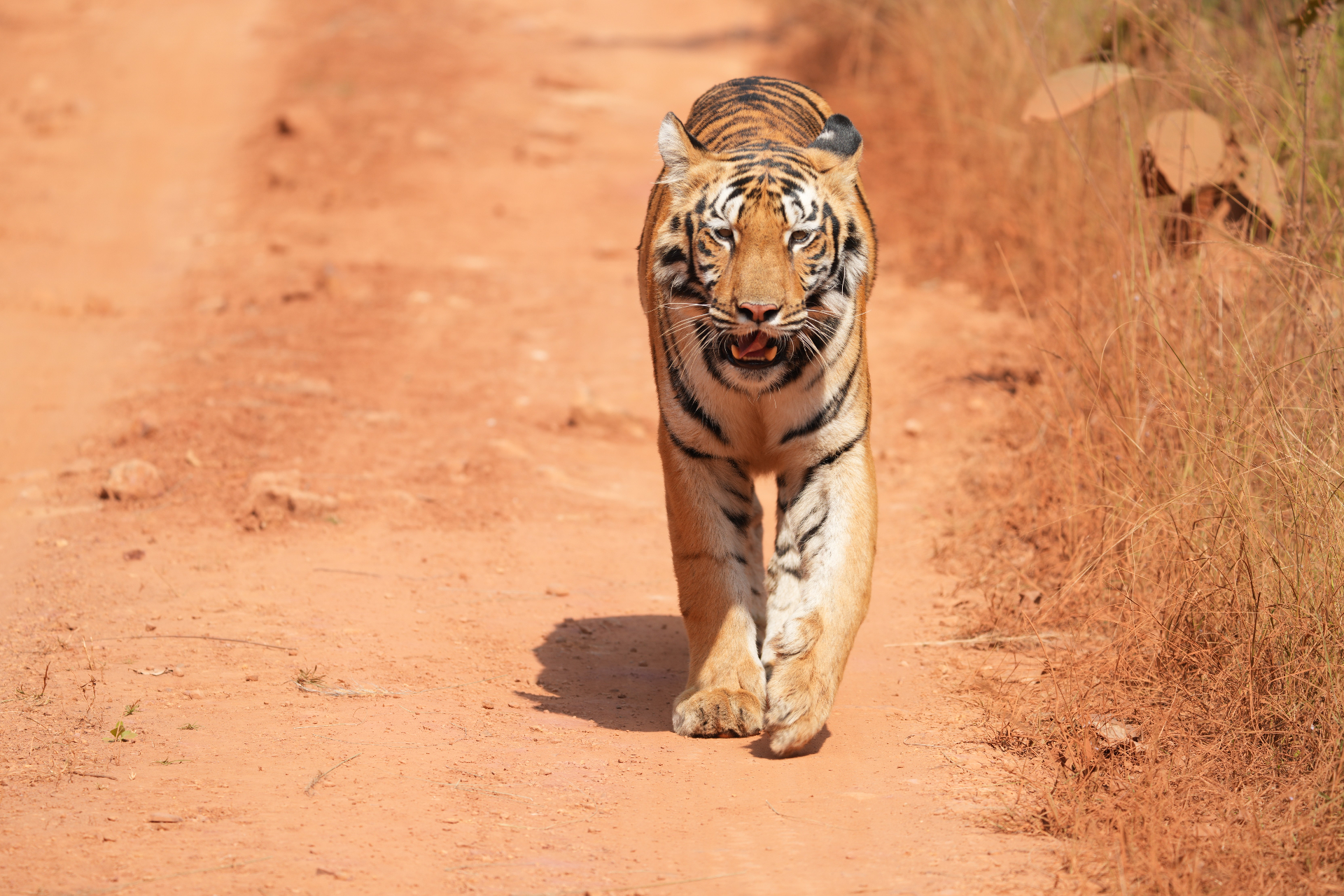
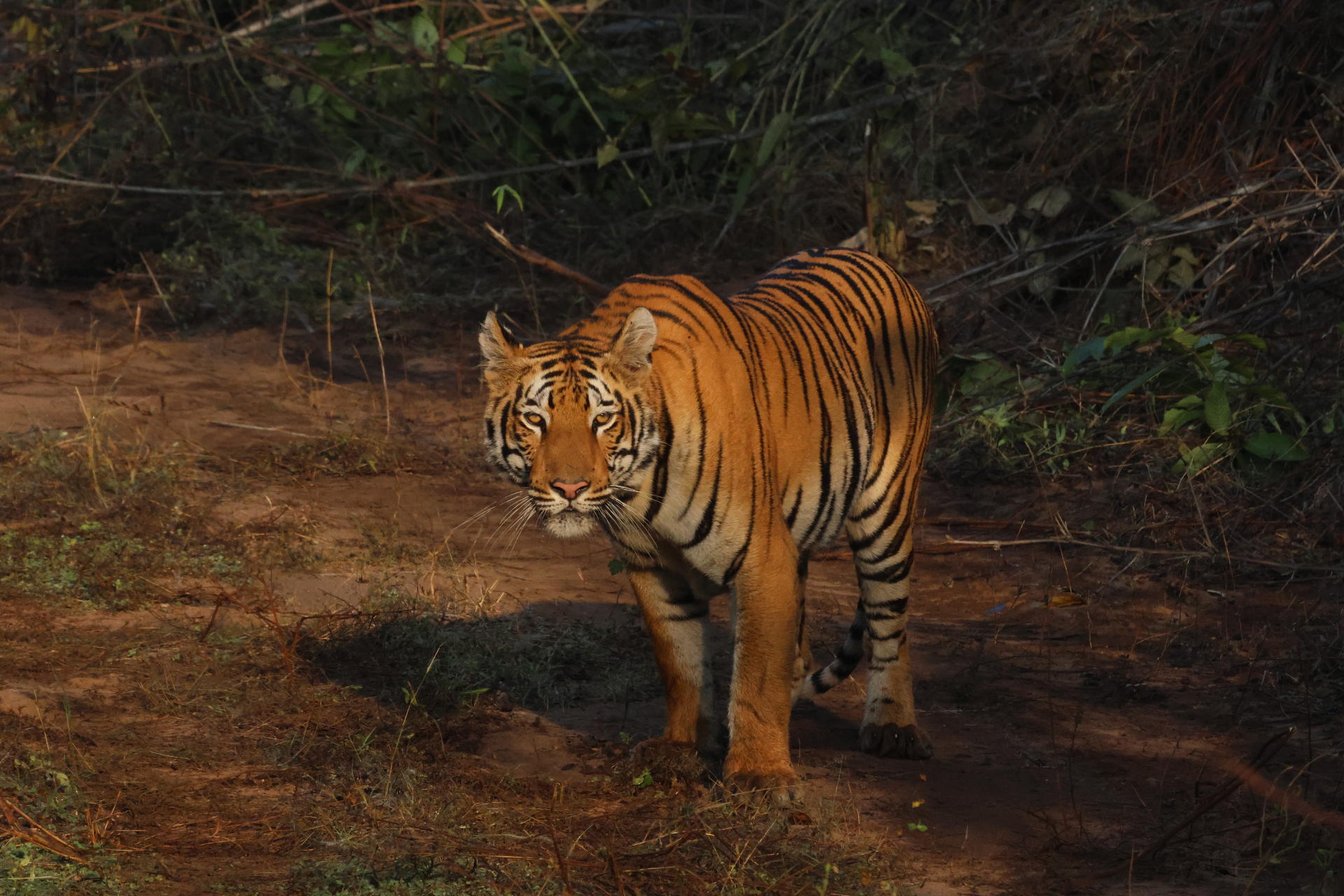
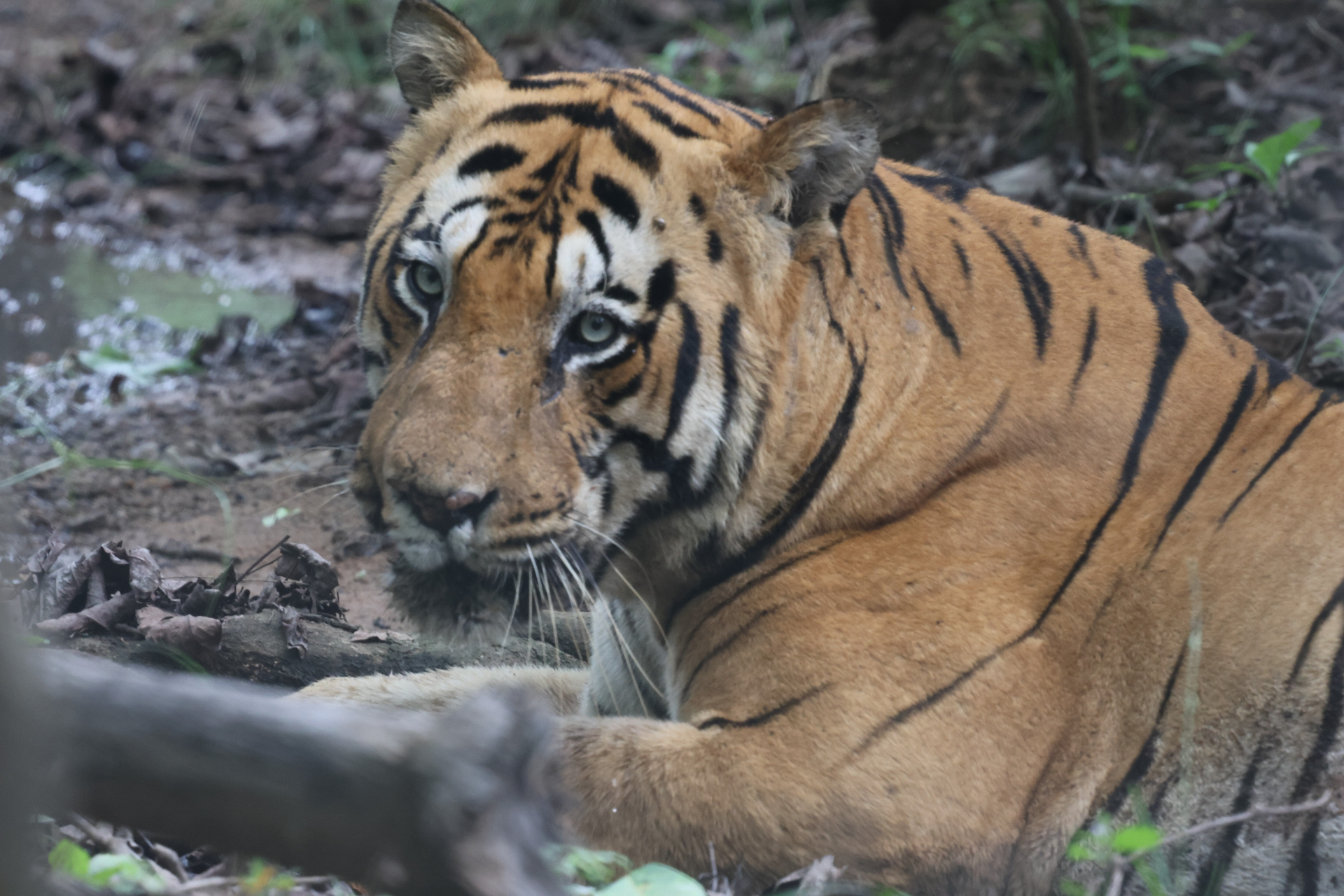
Kaziranga's fame is its rhinos, which were close to extinction a century ago and now number in the thousands. Its tigers are among the densest in India, recorded in the 2024 survey at 148 adult tigers across the reserve's three divisions. Ask your naturalist about recent camera-trap news, sightings and pugmarks, because that is where the real stories of this reserve are told.
Your Stay in Kaziranga
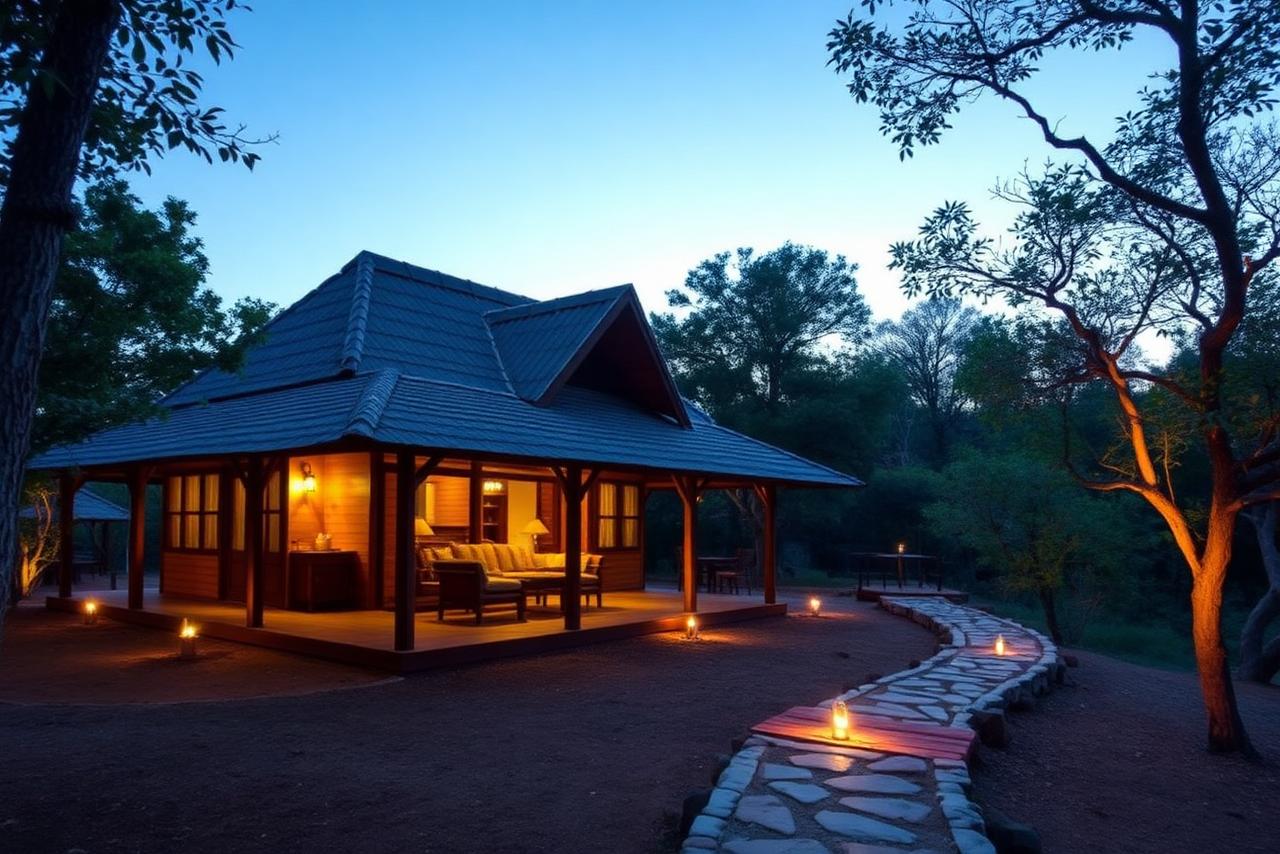
Most visitors stay around Kohora, where lodges line NH 37 within a few minutes of the Central Range gate. Bagori and Agoratoli have fewer but quieter lodges, which suit those planning the Western or Eastern ranges. Options range from simple guesthouses to comfortable resorts with pools and garden cottages. Choose by proximity to the range you plan to visit most, because early-morning starts are essential, and book well ahead for December to February. We can match a lodge to your budget and safari plan.
Plan My StaySafari Etiquette
Why Should You Visit Kaziranga
Kaziranga is a UNESCO World Heritage Site and the great success story of rhino conservation. It holds most of the world's greater one-horned rhinoceroses and supports one of the highest tiger densities in India, along with elephants, wild buffalo and swamp deer. The open grassland makes wildlife viewing easier than in forest reserves, which is why it is such a good choice for first-time visitors, families and photographers. It also sits at the heart of a good Northeast circuit with Nameri, Pakke, Manas and Orang. Come for rhinos, stay for the tigers and birds. It is a trip that rewards patience and curiosity.
Plan My SafariFAQs
Share your details and we'll call you at your preferred time.