My Jungle Junction
Kanha is one of India’s finest tiger safari destinations, known for its high tiger population, excellent sightings and exciting jungle safaris. With beautiful forests, open meadows and abundant wildlife, Kanha offers an unforgettable setting for some of I
My Jungle Junction’s Guide to Kanha Tiger Reserve
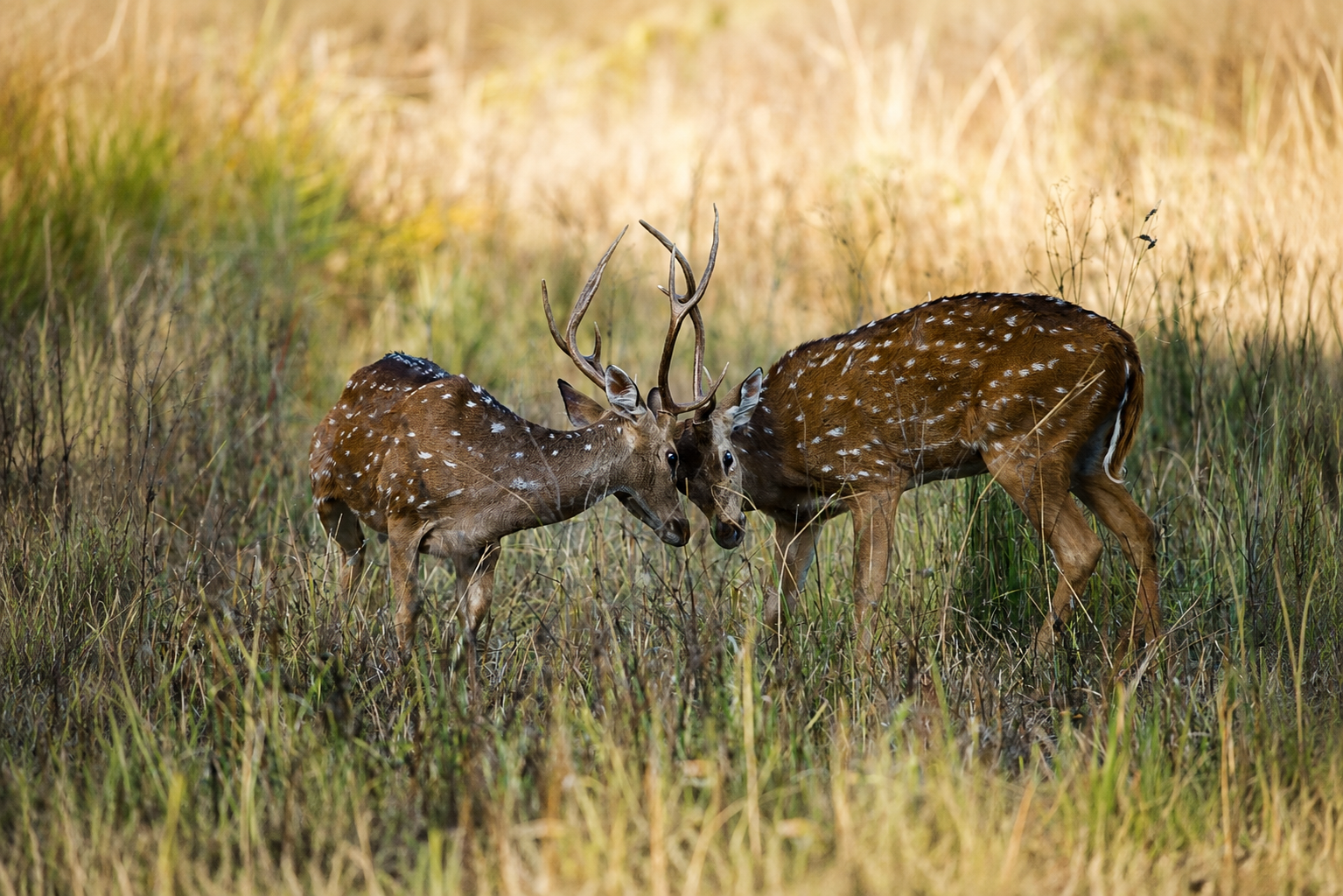
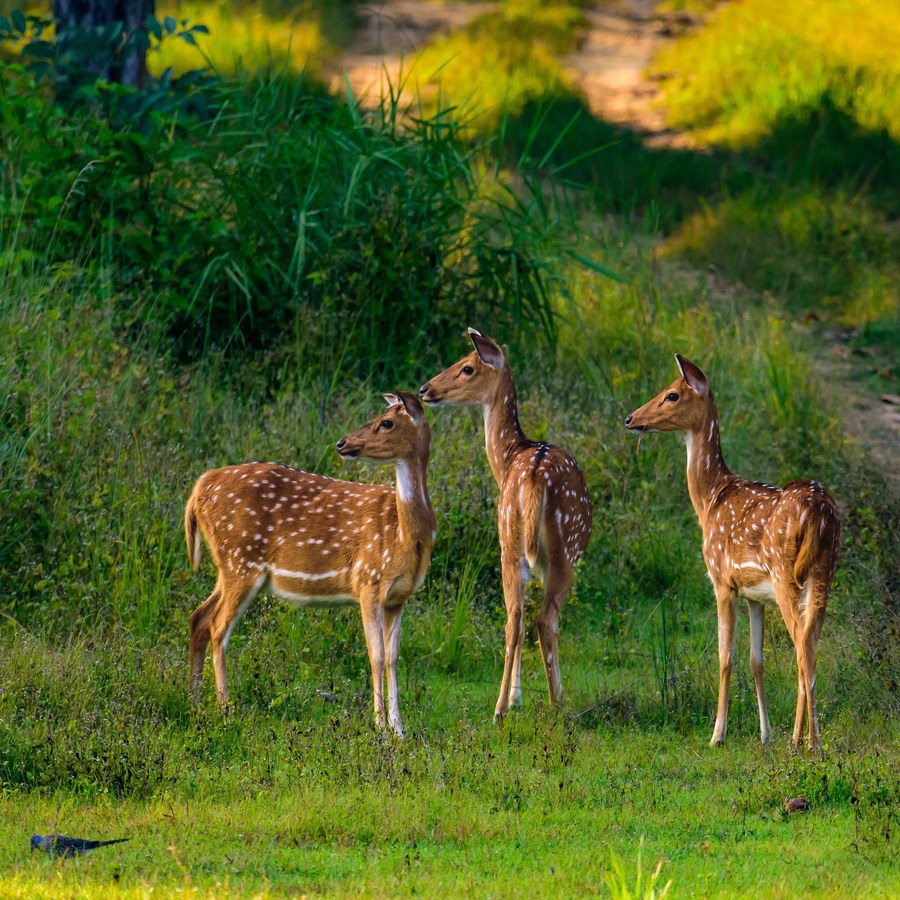
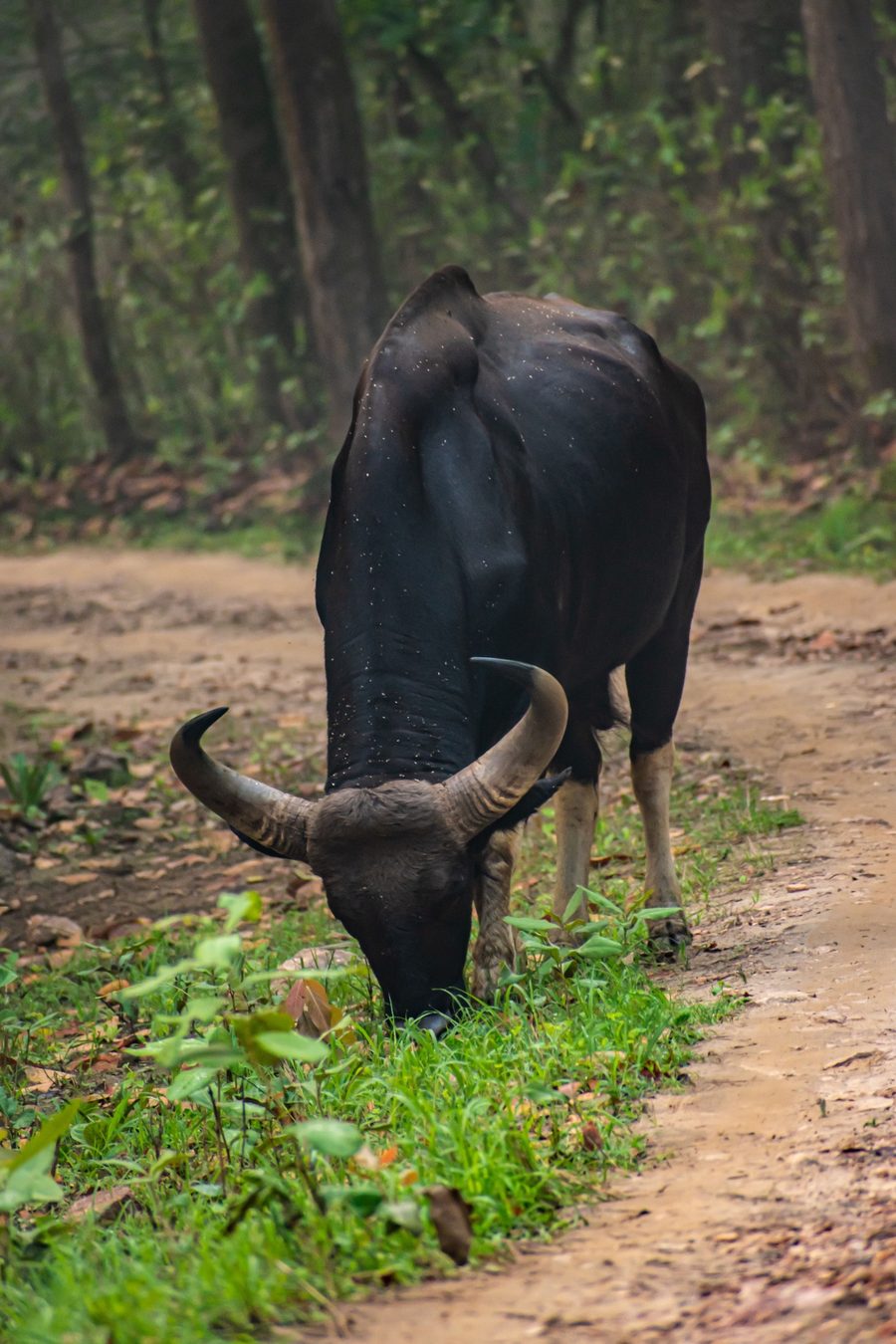
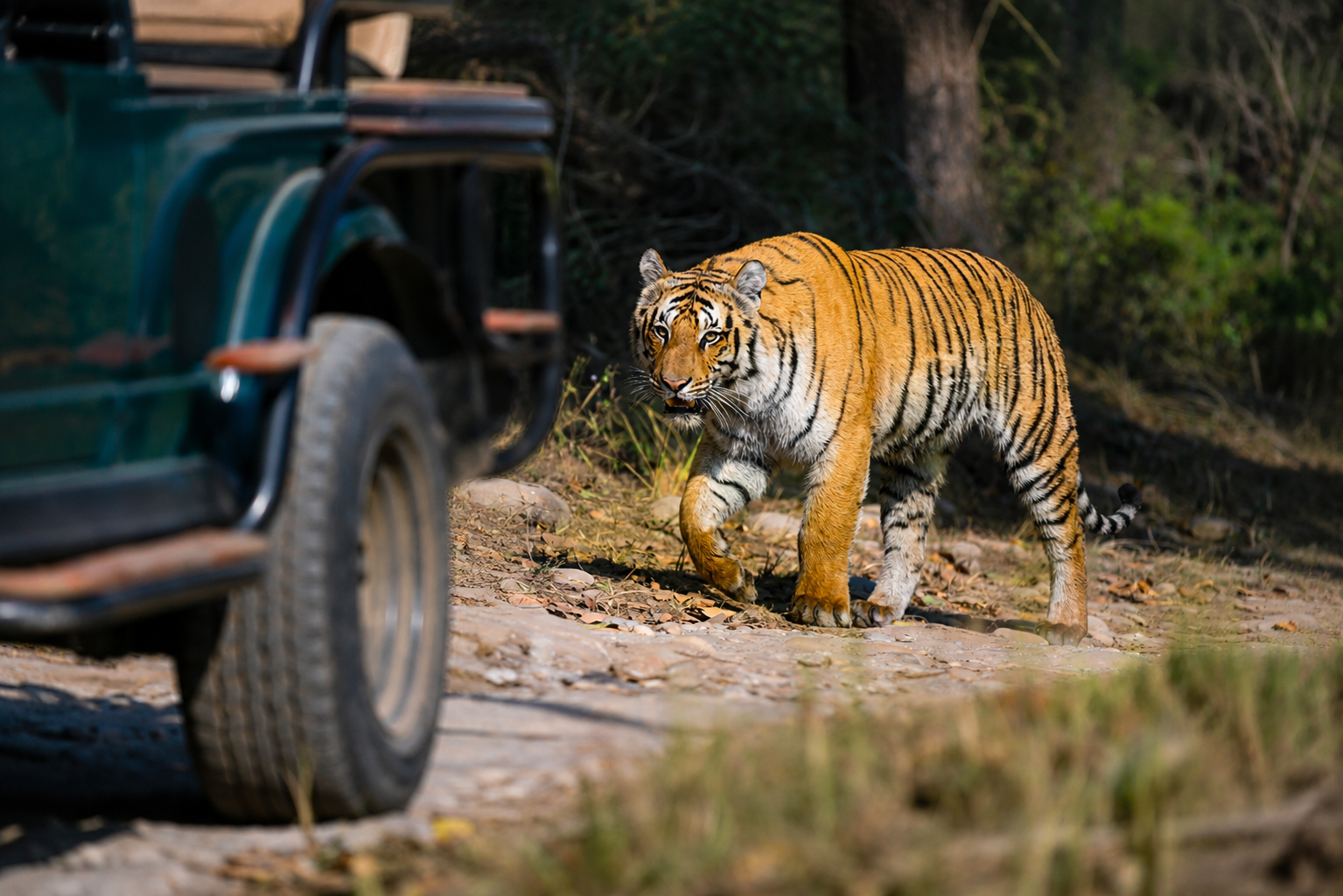
A Kanha holiday means exciting tiger safaris, open meadows, forest drives and close encounters with wildlife. The reserve is known for its tigers, thriving barasingha population and large herds of gaur, sambar and chital, while leopard, dhole and sloth bear add to the range of sightings.
Kanha’s hard-ground barasingha is one of its biggest wildlife attractions. Once reduced to just 66 animals, the population has recovered to more than 1,000 through focused conservation work. Famous tigers such as Munna have also become part of Kanha’s identity among wildlife enthusiasts.
With comfortable jungle stays, multiple safari zones and plenty to see beyond the tiger, Kanha makes a superb choice for a wildlife holiday that combines adventure, relaxation and time in the forest.
940
sq. km reserve
4 + 4
Core + Buffer zones
1955
Declared National Park
Kanha Safari Packages
Our Kanha safari packages are designed by wildlife experts who know the reserve, its safari zones and the patterns that can make a real difference to your experience. Each itinerary is planned around better sighting opportunities, the right number of safaris and meaningful time in the wild, giving you the best possible chance to see tigers.
How Many Safaris Should You Do in Kanha?
A single safari can give you a memorable sighting. Three or four safaris give you a substantially better chance of understanding the reserve.
We recommend:
2 safaris: Suitable for a short Kanha getaway.
3 safaris: A good minimum for a dedicated tiger-focused trip.
4 to 6 safaris: Ideal for wildlife enthusiasts, photographers and repeat visitors.
Best Safari Zones
Choosing the right safari zone can make a real difference to your Kanha holiday. The core zones take you into the main protected tiger habitat, while buffer safaris explore the adjoining forests around the reserve. Tigers and other wildlife move across these larger landscapes, so buffer safaris can also produce exciting sightings. Kanha has four core tourism zones: Kanha, Kisli, Mukki and Sarhi. The buffer and adjoining tourism areas include Khatia, Khapa, Sijhora and Phen. Each area has its own landscape, access point and safari character, making it worth planning your accommodation and safari permits together.
The Kanha Zone is one of the reserve's most sought-after safari areas, with open meadows, grasslands and forest providing excellent wildlife viewing. The meadows are particularly associated with sightings of hard-ground barasingha, chital and gaur, while
Kisli offers a mix of meadows, forest tracks and water bodies, with locations such as Kisli Meadows, Bandrichhapar Talab, Silyari Tank and Chuppe Meadows identified in the reserve's conservation plan as wildlife-use areas. The varied terrain makes Kisli i
Mukki lies on the southern side of Kanha and is one of the reserve's principal safari areas. The landscape includes forest, open patches and wildlife-use areas such as Andhkua, Algidadar, Bishanpura and Sondar. Mukki is also an important access point for
Sarhi offers access to another section of Kanha's core landscape, with forest and meadow areas forming part of its safari routes. The reserve's conservation plan identifies areas such as Silpura Meadow, Ramaghati, Ganeridadar, Jamuntola and Sonf for wildl
Khatia is one of the main buffer safari areas and is particularly convenient for travellers staying around the Khatia side of Kanha. It gives you the chance to explore forest outside the core while looking for tigers, leopards, deer, gaur and other wildli
Khapa is accessed through the Mukki gate and offers another section of the forest outside the core tourism area. The buffer landscape supports wildlife moving through the wider Kanha ecosystem, making it worth considering alongside Mukki core safaris. It
Sijhora is accessed through the Sarhi gate and extends the safari experience into the forest adjoining the core. Its location makes it a natural addition for travellers staying around the Sarhi side. Like other buffer areas, it offers the possibility of s
How to Reach & When to Visit
MJJ Insight : MJJ
The Wildlife of Kansa
Kanha’s wildlife is led by the tiger, with a strong prey base of chital, sambar and gaur supporting one of Central India’s important tiger populations. Safaris can also bring sightings of leopards, dhole, sloth bears and wild boar, while the reserve is particularly renowned for its hard-ground barasingha, one of India’s most significant conservation success stories. The combination of predators, large herbivores and rich birdlife makes Kanha a rewarding destination for every safari, with the possibility of encountering something remarkable around every turn.
Your Stay in Kanha
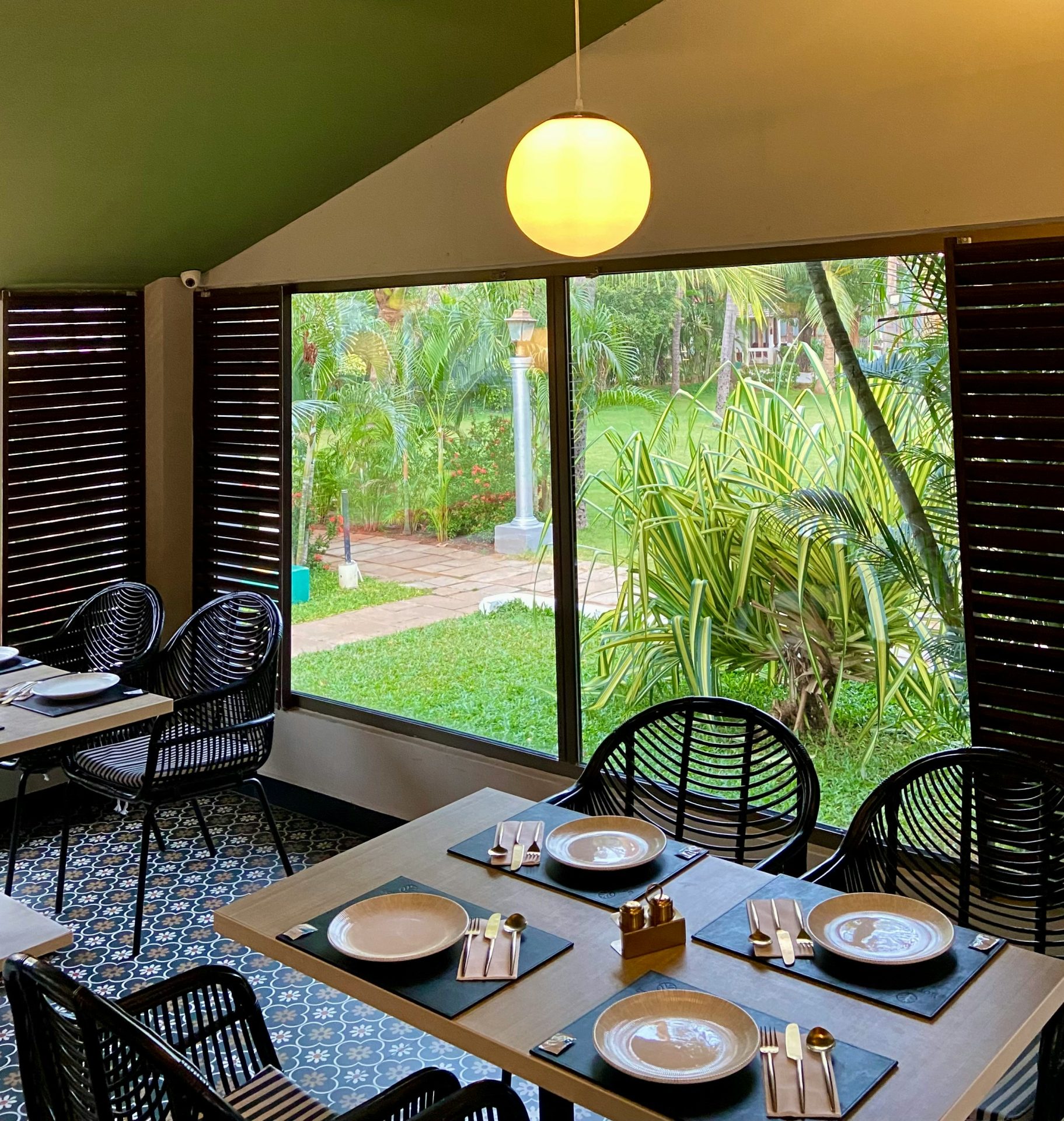
The most important decision when choosing accommodation is the location and the proximity to the safari gates. Kanha has accommodation options around its principal safari access points, particularly Khatia and Mukki.
We recommend choosing your stay according to: Your preferred safari zone, number of safaris planned, distance from the entry gate, quality of naturalist support, comfort level, meal arrangements around early safari timings, transfer requirements and whether you want a comfortable jungle resort or a luxury wildlife stay.
Plan My Stay
Why Should You Visit Kanha
Kanha works particularly well for travellers looking for a classic Central Indian wildlife experience. The reserve offers substantial safari time, several tourism zones, varied habitats and a strong tiger-prey relationship that makes tracking interesting.For a first tiger safari, Kanha offers the chance to experience one of India's most important tiger habitats in a well-established tourism landscape. For repeat visitors, the appeal lies in following the forest over multiple drives, exploring different zones, understanding tiger territories and seeing how wildlife behaviour changes with season, temperature and water availability. The experience is also highly visual. Open meadows can offer long views across the landscape. Forest tracks lead into denser habitat. Water sources become important as temperatures rise. The changing visibility gives every season a distinct safari character. Kanha is best approached as a tiger safari destination first. The barasingha, gaur, leopards, wild dogs, sloth bears, deer and birdlife add depth to the experience. The tiger remains the central attraction.
Plan My SafariFrequently Asked Questions
Share your details and we'll call you at your preferred time.